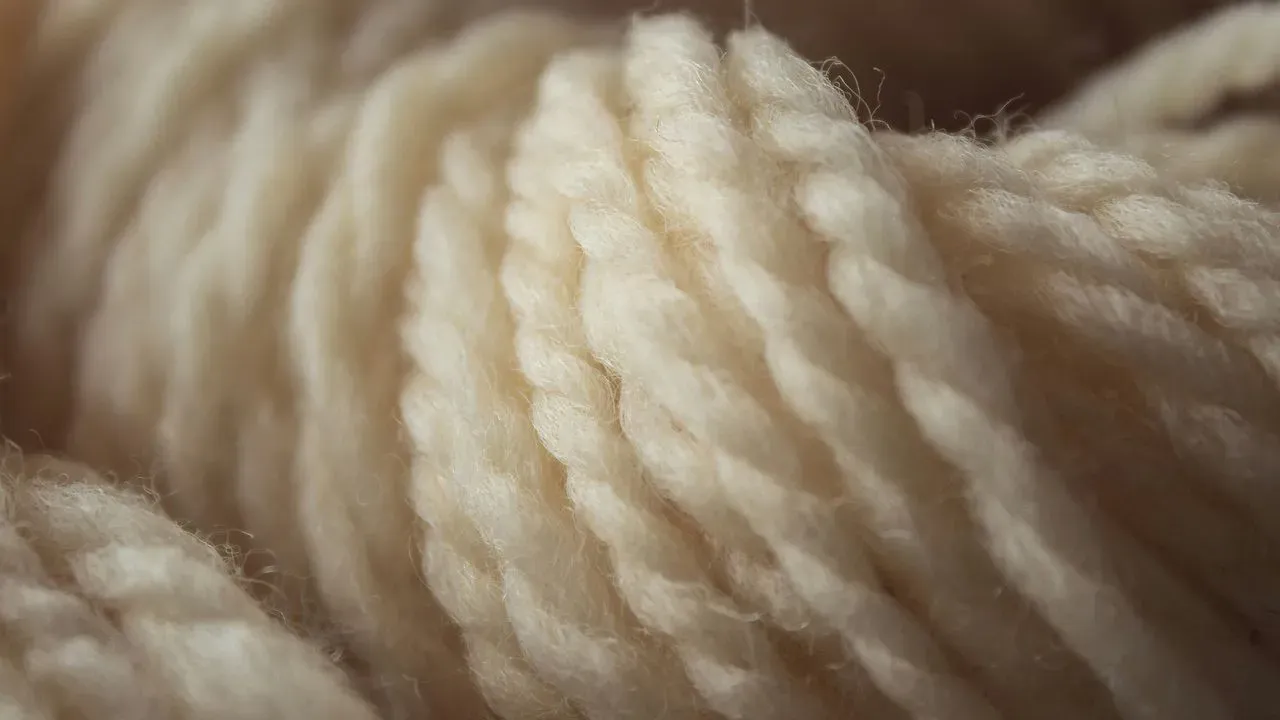

West Springfield, Mass. – Knitters, spinners and sheep farmers gathered at the Eastern States Exposition over the weekend of November 7 and 8, where a centuries-old craft drew a noticeably younger crowd. This year’s festival featured 150 exhibitors, including farmers working some of the last remaining agricultural lands in New England. The event was organized to promote the use of wool and other natural fibers and related products to the general public. The original report from ([1])described the gathering as a place where traditions remain on view for visitors.
A weekend built around the fleece
The festival runs at the Mallary Complex on the grounds of The Big E, and it is presented by the New England Sheep & Wool Growers Association & Eastern States Exposition. Its program reaches beyond shopping. The two-day festival features fiber-arts vendors, fleece and yarn sales, sheep and alpaca, spinning, knitting and crochet demonstrations, and competitions.
For a first-time visitor, the mix can feel like a working farm and a craft fair under one roof. Raw fleece sits beside finished sweaters, and a spinning wheel may be running a few aisles away from a booth selling hand-dyed skeins. That range is what gives the event its character, and it explains why organizers have built the weekend around both producers and makers.
Why younger visitors are paying attention
Much of the conversation at the event centered on who will carry the craft forward. Fiber arts instructor Marcia Weinert, who also works as a wool classer, broker and yarn designer, put it simply: “My philosophy is everyone should touch wool every day,” she said. Her message points to the hands-on appeal that draws newcomers to fiber arts in the first place.
Another exhibitor, Daignault, said she took part in part to educate the public about sheep farming as an industry. “However, the interest in fiber among the young is evident,” she said, a remark that reflects what many vendors appear to be seeing at their booths.
- Dates: November 7 and 8, 2026, at the Mallary Complex in West Springfield
- Vendors: more than 150 New England exhibitors, according to the festival’s own listing
- Entry: general admission is $10 for ages 13 and up, and children 12 and under are free
- Hands-on offerings: spinning, knitting and crochet demonstrations, plus competitions
From sheep to skein
The festival also shows how much work sits between a pasture and a store shelf. Transforming a sheep’s raw fleece into yarn that can be spun into clothing, blankets, or home goods is an involved process, requiring specific expertise and infrastructure. That complexity is one reason local fiber has become a point of pride for buyers who want to know where their materials come from.
Sheep shearer Adam Loux sees the business side clearly. Family farms across New England are his customers, and he travels from Rhode Island to New York for shearing work. He said he hopes sheep farming becomes more profitable for those who do it, and he welcomed the sight of young people taking an interest in fiber as a first step toward that goal.
The economics are also changing for some farms. Small-scale sheep farmers in the region are turning wool into yarn as more consumers demand local, quality materials. Selling wool and yarn can provide an additional source of income to help keep their farms afloat. ([2]) In a related trend, a yarn mill co-owner has said younger people make up the majority of farmers who bring custom jobs to Junction Fiber Mill. ([3])
A craft that depends on the next generation
The festival does not settle whether this interest will last, and the sources do not offer a count of how many young people are entering the trade. What the weekend did show is a clear appetite for wool that is grown, processed and sold close to home. For the artisans and farmers who spent two days in West Springfield, the next step is turning curiosity into steady work at the spinning wheel, the loom and the pasture.
AI Disclaimer: This article was created with the assistance of AI tools and reviewed by a human editor.