
New York City restaurants face some of the highest electricity rates in the country, especially those running all-electric kitchens. A recent partnership between food technology company Wonder and energy supplier David Energy is addressing that challenge directly by installing free battery systems at 21 eligible Wonder locations across the city. The move requires no upfront investment from the restaurants and promises measurable reductions in monthly power bills while easing pressure on the local grid.
The Partnership at a Glance
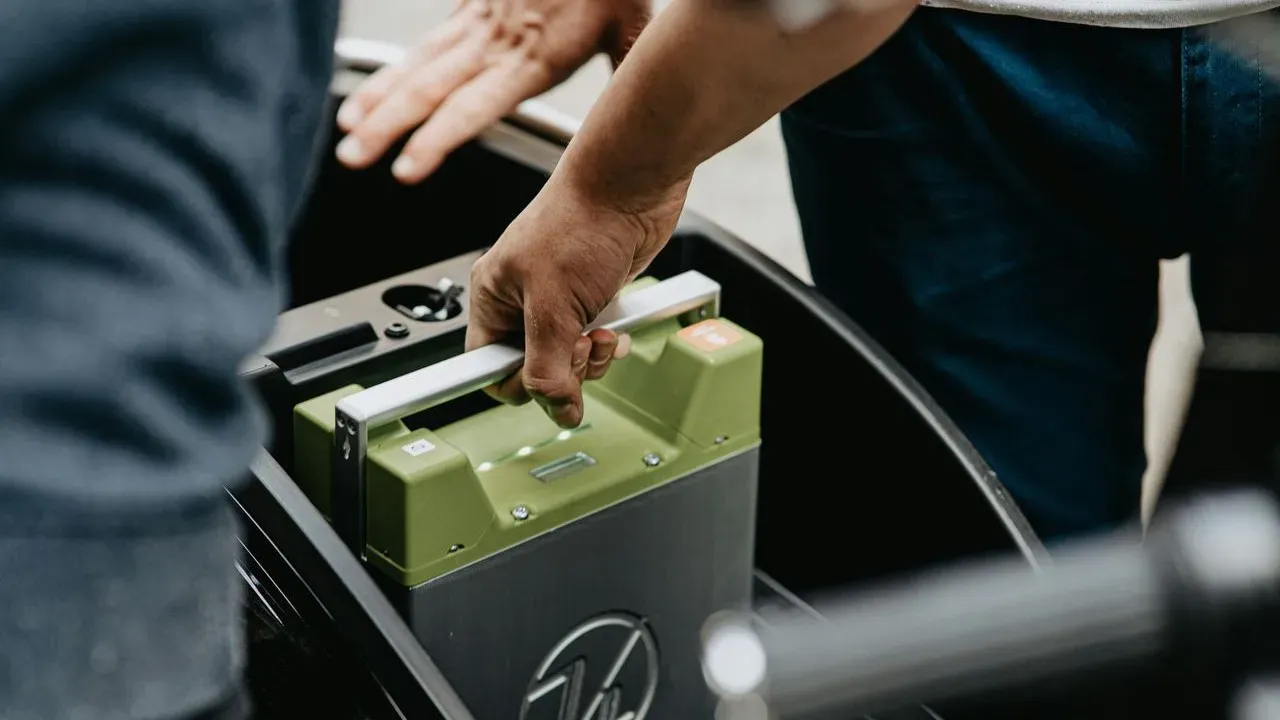
David Energy has completed installations of consumer-grade, 120-volt plug-in batteries at each of the 21 Wonder sites. The units operate without complex utility approvals or interconnection queues, allowing rapid deployment in dense urban settings. Wonder operates a network of all-electric kitchens, making the technology a natural fit for its operations.
The arrangement shifts the financial model away from traditional capital expenditures. Wonder pays nothing for the hardware or installation, yet receives the full benefit of lower electricity charges. David Energy handles maintenance and software integration, aligning incentives around actual energy savings.
How the Batteries Deliver Savings
The systems charge during periods of lower electricity prices and discharge when rates rise, offsetting peak demand charges that often dominate commercial bills. This simple arbitrage approach can reduce Wonder’s electricity costs by 3 to 5 percent at each location. Annual savings are projected in the thousands of dollars per restaurant.
Because the batteries are standard 120-volt plug-in models, they integrate easily into existing kitchen infrastructure. Custom software from David Energy optimizes charge and discharge cycles in real time, responding to price signals without manual intervention. The result is lower operating expenses and more predictable energy budgeting for Wonder’s management team.
Benefits Beyond the Bottom Line
Reduced peak demand also supports broader grid stability in New York City, where high summer loads can strain infrastructure. By shifting usage away from expensive peak hours, the installations contribute to more efficient use of existing power resources. This approach avoids the delays and costs associated with larger-scale battery projects that require utility approvals.
Wonder’s all-electric model already emphasizes lower emissions compared with gas-powered kitchens. The battery addition further improves the environmental profile by smoothing demand and reducing reliance on peaker plants during high-price periods. Other small businesses with similar power-intensive operations are now being considered for the same zero-capex offering.
Looking Ahead for NYC Food Businesses
David Energy plans to expand the program to additional high-demand sectors such as laundromats, independent grocers, and convenience stores throughout the five boroughs. The model demonstrates how software-enabled storage can reach smaller commercial customers that traditional energy projects often overlook.
For Wonder, the installations represent a practical step toward controlling one of its largest variable costs. As more restaurants adopt all-electric operations, similar partnerships may become increasingly common in cities facing both high energy prices and ambitious climate goals. The early results at these 21 locations will likely inform wider adoption across the industry.
AI Disclaimer: This article was created with the assistance of AI tools and reviewed by a human editor.