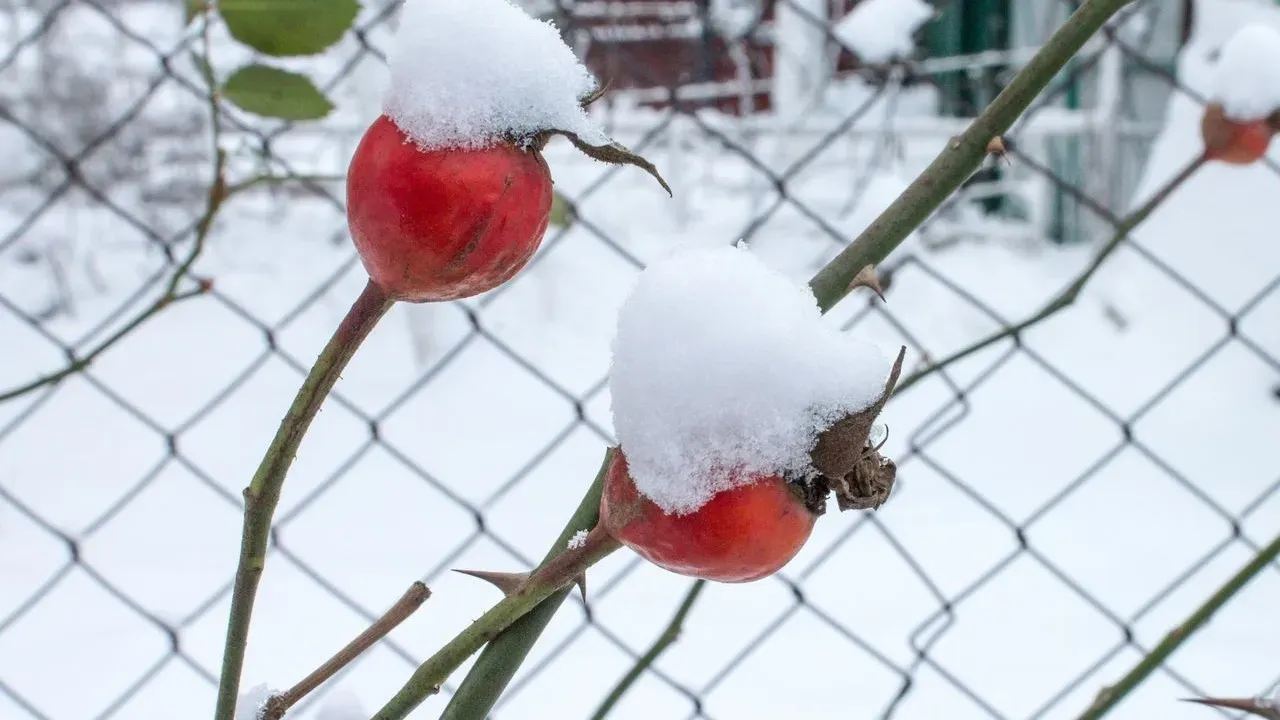

Many rose varieties thrive in USDA Hardiness Zone 5 and warmer, yet gardeners in colder regions face a stark reality each fall. Fluctuating winter temperatures trigger repeated freeze-thaw cycles that can split plant tissue and kill even established bushes. Proper winter protection keeps roses consistently cold rather than attempting to warm them, preserving the graft unions and canes that produce next season’s blooms. ([1])
Choose Hardy Varieties and Site Them Wisely
Success begins long before the first frost. Select roses suited to local winter lows and plant them in sheltered spots that avoid harsh winds. Full sun exposure of at least six hours daily, slightly acidic soil rich in organic matter, and good drainage all contribute to stronger plants that enter dormancy in better condition.
Consistent summer care also matters. Water as needed, control weeds and pests, and prune only dead or diseased wood. These steps reduce stress that could make roses more vulnerable once temperatures drop.
Stop Feeding and Let Plants Rest
Cease all fertilization about six weeks before the average first frost date. Products without nitrogen prevent late-season growth that fails to harden off before cold arrives. Allow spent blooms to form hips instead of deadheading them; this natural process signals the plant to slow down and prepare for winter.
Give roses one final deep watering roughly four weeks before frost is expected. Once leaves change color and drop, the bushes are entering dormancy and ready for protection measures.
Insulate With Mounds, Cones, and Collars
After the first hard frost, several proven techniques shield roots and graft unions. Mounding involves piling fresh soil or compost eight to ten inches high around the base, then topping it with two to three inches of mulch such as bark chips, straw, or pine needles once the ground has frozen. This approach works especially well for grafted hybrid teas and floribundas.
Smaller bushes with sturdy canes can be covered with breathable rose cones that reduce wind damage and temperature swings. For added stability, gardeners sometimes install collars made of wire or plastic around the plant, then fill them with insulating leaves or mulch. Each method minimizes exposure while allowing air circulation.
Handle Tall Shrubs, Climbers, and Containers
Taller plants benefit from binding canes together with twine before mounding soil at the base. Wrapping large shrubs or climbers in burlap creates a windbreak without disturbing supports. Tree roses require extra attention: wrap the exposed graft on the trunk, mound the base, and collar the plant for full coverage.
Container-grown roses need different handling. Move pots to an unheated shed or garage once leaves drop, or bury them in the ground with rims level to the soil surface and cover with soil and mulch. Keep the medium slightly moist through the season but never wet.
Remove Protection at the Right Moment
Leave all winter coverings in place until the danger of frost has passed in early spring. Gradual removal prevents sudden exposure to cold snaps. Replant any tipped or buried bushes, retie climbers to their supports, and incorporate old mulch into the garden beds.
With these steps completed, roses emerge ready to push new growth. The reward arrives weeks later when the first fragrant blooms open, confirming that timely winter care preserved the plants through the harshest months.
AI Disclaimer: This article was created with the assistance of AI tools and reviewed by a human editor.