

As the vibrant hues of autumn give way to the stark beauty of winter, indoor gardeners often face the challenge of maintaining a lush and evergreen garden despite the shorter days and colder temperatures. Winter succession planting is a strategic approach that ensures your indoor garden remains vibrant and continuous throughout the colder months. By carefully selecting a variety of plants that bloom or thrive at different times, you can create a dynamic and ever-changing indoor oasis that never loses its charm. Whether you’re a seasoned gardener or just beginning your indoor planting journey, succession planting offers a rewarding way to keep your green space alive and flourishing all winter long.
Embracing winter succession planting not only enhances the aesthetic appeal of your home but also contributes to a healthier living environment. Plants continue to purify the air, boost your mood, and add a touch of nature’s resilience to your indoor spaces. Understanding the native regions of your plants and their growth behaviors is key to successful succession planting. From the hardy resilience of succulents to the elegant blooms of orchids, each plant brings its unique benefits and beauty to your indoor garden. Let’s explore a variety of plants and strategies that will help you maintain an evergreen indoor garden throughout the winter season, ensuring your home remains a sanctuary of greenery and life even in the coldest months!
Choosing Hardy Succulents for Winter Resilience
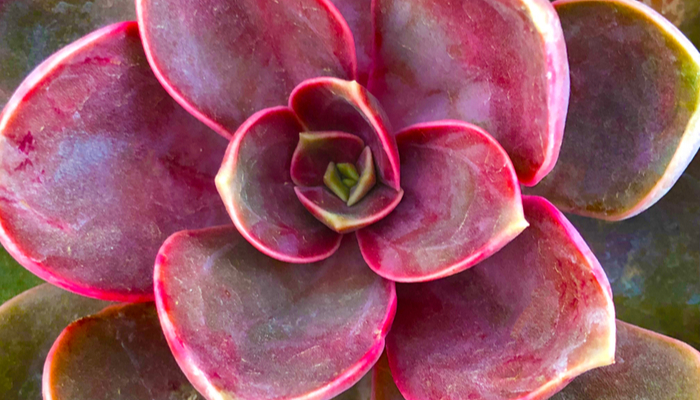
One of the most reliable choices for winter succession planting is incorporating hardy succulents into your indoor garden. Succulents like the Echeveria, native to semi-desert regions of Central and South America, are renowned for their thick, fleshy leaves that store water, making them exceptionally drought-tolerant and low-maintenance. These plants thrive in bright, indirect light and require minimal watering, which is perfect for the winter months when indoor heating can dry out the air. Echeverias come in a variety of colors and shapes, adding visual interest and a touch of modern elegance to your indoor spaces.
Another excellent succulent option is the Snake Plant (Sansevieria trifasciata), native to West Africa. Known for its upright, sword-like leaves and striking variegation, the Snake Plant is incredibly resilient and can tolerate a wide range of light conditions, from bright indirect light to low-light environments. This plant is also a superb air purifier, removing toxins such as formaldehyde and benzene from the air, which enhances the overall health of your indoor environment. With its minimal care requirements and robust nature, the Snake Plant is a cornerstone of any winter succession plan, ensuring continuous greenery with little effort!
Incorporating Flowering Plants for Seasonal Blooms

To add bursts of color and elegance to your indoor garden during winter, incorporating flowering plants is essential. The Amaryllis (Hippeastrum), native to the tropical regions of South America, is a stunning choice known for its large, trumpet-shaped blooms that come in vibrant shades of red, pink, white, and orange. Amaryllis bulbs are easy to care for and can be forced to bloom indoors by providing them with bright light and minimal water during their dormant period. Once blooming, these plants can brighten up any room, offering a festive and eye-catching display that lifts spirits during the gloomy winter months.
Another beautiful flowering option is the Christmas Cactus (Schlumbergera bridgesii), native to the coastal mountains of southeastern Brazil. Unlike many succulents, Christmas Cacti thrive in cooler temperatures and prefer bright, indirect light. Their segmented stems produce stunning clusters of tubular flowers in shades of red, pink, white, and purple, typically blooming around the holiday season. This plant is not considered invasive and can be easily managed in indoor settings. By alternating between Amaryllis and Christmas Cacti, you ensure a continuous display of blooms, keeping your indoor garden lively and colorful throughout the winter!
Utilizing Air-Purifying Plants for Health Benefits
Maintaining air quality is crucial during the winter months when indoor air tends to become stale and dry. Incorporating air-purifying plants into your succession planting strategy can enhance both the aesthetic and health benefits of your indoor garden. The Peace Lily (Spathiphyllum), native to tropical regions of the Americas, is a fantastic choice for winter indoor gardening. Known for its graceful white flowers and glossy green leaves, the Peace Lily effectively removes airborne toxins such as ammonia, benzene, and formaldehyde, contributing to a cleaner and healthier living environment.
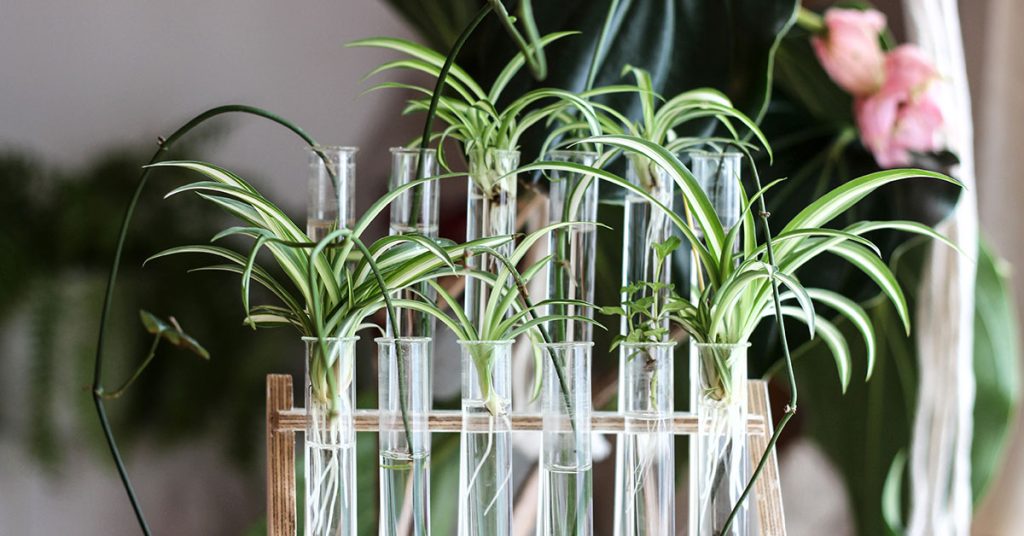
Another excellent air-purifying plant is the Spider Plant (Chlorophytum comosum), native to South Africa. With its arching, variegated leaves and ability to produce numerous baby plants, the Spider Plant not only adds visual interest but also excels at filtering pollutants like formaldehyde and xylene from the air. This plant is incredibly easy to care for, making it ideal for busy individuals or those new to indoor gardening. By integrating Peace Lilies and Spider Plants into your winter succession planting, you create a health-boosting indoor garden that keeps your air fresh and your space vibrant all season long!
Selecting Low-Light Tolerant Plants for Winter
Winter often means reduced natural light, which can be a challenge for indoor gardeners. Selecting low-light tolerant plants ensures that your indoor garden remains evergreen even in dimmer conditions. The ZZ Plant (Zamioculcas zamiifolia), native to Eastern Africa, is a perfect example of a low-light tolerant plant. With its thick, waxy leaves that reflect light, the ZZ Plant is not only aesthetically pleasing but also highly resilient, requiring minimal care and thriving in low to moderate light environments. This plant is non-invasive and adds a touch of modern elegance to any indoor space, making it an excellent choice for winter gardening.
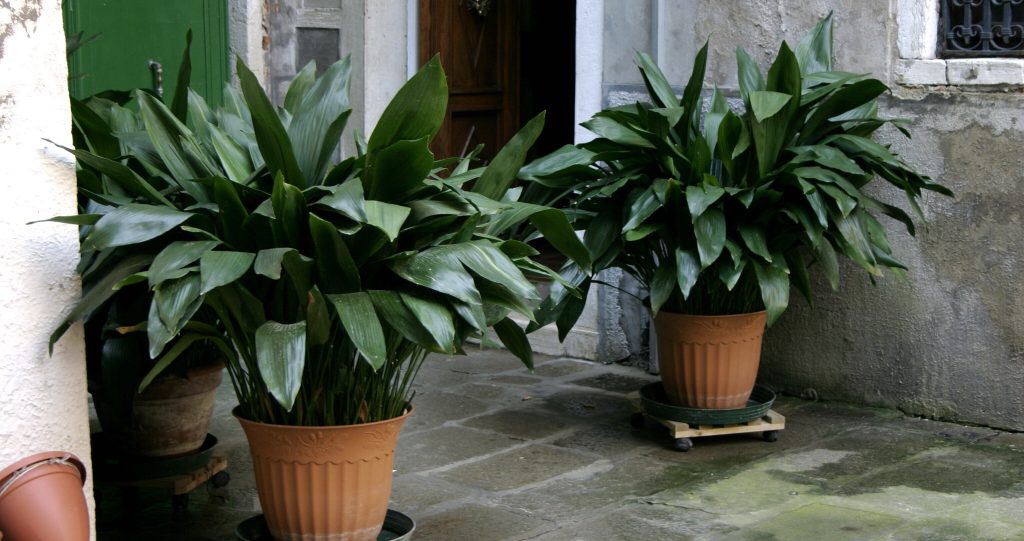
Another superb low-light option is the Cast Iron Plant (Aspidistra elatior), native to the shaded understories of East Asian forests. True to its name, the Cast Iron Plant is incredibly tough and can withstand neglect, low light, and fluctuating temperatures, making it ideal for winter indoor environments. Its broad, dark green leaves add a lush, tropical feel to your home, creating a serene and evergreen indoor garden. By including ZZ Plants and Cast Iron Plants in your succession planting plan, you ensure that your indoor garden remains green and thriving, regardless of the winter light limitations!
Implementing Self-Watering Systems for Ease

Winter can be a hectic time, making it easy to forget regular watering routines. Implementing self-watering systems can help maintain consistent moisture levels for your indoor plants, ensuring they stay healthy and vibrant throughout the winter months. Self-watering pots use a reservoir system that allows plants to draw up water as needed, reducing the risk of overwatering or underwatering. This is particularly beneficial for plants like the Jade Plant (Crassula ovata), native to South Africa, which requires well-draining soil and consistent moisture without being waterlogged.
Another great option is the use of capillary mats, which provide a steady supply of water to multiple plants simultaneously. This system is ideal for larger indoor gardens or for those with numerous succulents, such as the Aloe Vera (Aloe barbadensis miller), native to the Arabian Peninsula. Aloe Vera thrives in bright light and minimal watering, and a self-watering system ensures it receives the right amount of moisture without the hassle of daily watering. By integrating self-watering systems into your indoor gardening routine, you simplify plant care and ensure your winter indoor garden remains lush and healthy with minimal effort!
Creating Vertical Gardens for Space Efficiency

Maximizing space is essential, especially during the winter months when indoor areas may feel smaller and more confined. Creating vertical gardens is an innovative way to keep your indoor garden evergreen while utilizing limited space efficiently. Vertical gardens allow you to display a variety of plants in a compact area, making them perfect for apartments or homes with limited floor space. Plants like the English Ivy (Hedera helix), native to Europe and western Asia, are excellent for vertical gardening as they thrive in hanging baskets or vertical planters, adding a lush, cascading effect to your indoor spaces.
Another fantastic plant for vertical gardens is the String of Pearls (Senecio rowleyanus), native to South Africa. With its unique bead-like leaves that trail gracefully, this succulent is perfect for creating stunning vertical displays that draw the eye and add a touch of whimsy to your home décor. String of Pearls thrives in bright, indirect light and requires minimal watering, making it an ideal candidate for vertical gardens during winter. By incorporating vertical gardening techniques, you not only save space but also create a visually dynamic and evergreen indoor garden that enhances the beauty and functionality of your home all winter long!