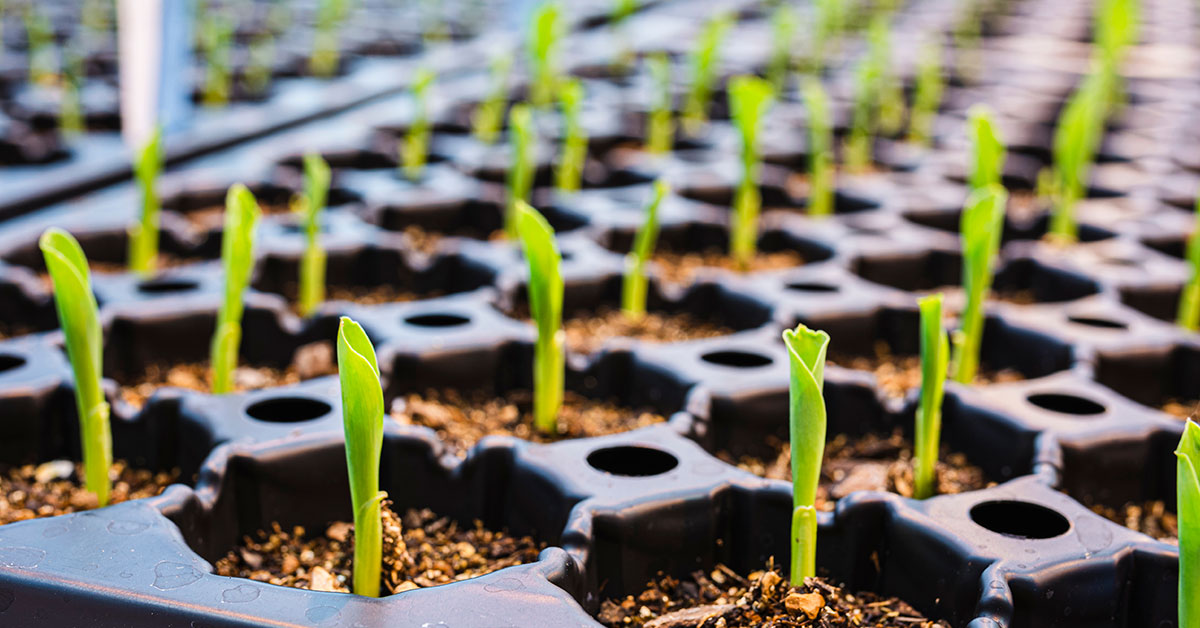

If you’re anything like me, you get that itch to keep gardening even when the world outside is frozen solid. That’s where winter sowing comes in—an ingenious method that allows you to start seeds outdoors in cold weather, all while giving nature a little nudge. It’s a surprisingly simple way to extend your gardening season without expensive grow lights or indoor setups. Plus, there’s something magical about seeing seedlings sprout when you least expect them, surviving the chill like the tough little warriors they are!
For those of us who are short on space or time, winter sowing is a lifesaver. It’s perfect for cold-hardy plants and perennials, using mini greenhouses (like plastic containers) to create the perfect conditions for seeds to germinate naturally. You’re essentially letting the seeds decide when it’s time to wake up—no need to baby them indoors! Whether you’re growing flowers for pollinators, veggies for your kitchen, or perennials that come back year after year, winter sowing is an exciting and low-maintenance way to get ahead of spring. So grab your seeds, some recycled containers, and let’s get sowing!
Choosing the Right Seeds for Winter Sowing

One of the secrets to winter sowing success is picking the right seeds. Not all plants love the cold, so focus on hardy flowers, vegetables, and perennials that naturally tolerate winter temperatures. Native plants, like coneflowers (Echinacea) and milkweed, are great options because they’ve adapted to survive cold stratification—a process where seeds need a period of freezing and thawing to break dormancy. This method mimics what would happen in nature, where seeds scatter in fall, sit through winter, and sprout in spring when conditions are perfect. It’s no wonder pollinator plants like these attract bees and butterflies later in the season!
Vegetables like kale, spinach, and lettuce are also ideal for winter sowing. These cold-hardy crops will happily germinate as soon as the soil starts to warm, giving you an early harvest that feels like a gift after months of waiting. You can even sow brassicas like cabbage and broccoli or tough perennials such as black-eyed Susans and lupines. If you’re unsure which seeds will work, check for terms like “cold-hardy,” “frost-tolerant,” or “requires stratification” on the seed packet. Trust me, planting the right seeds now means less disappointment later—and more time celebrating your green thumb come spring!
The Mini Greenhouse: Turning Recyclables into Gold

Creating your own winter sowing containers is one of my favorite parts of the process. You’ll essentially be building tiny greenhouses that protect your seeds from harsh conditions while still allowing sunlight, moisture, and airflow to work their magic. Milk jugs, water bottles, and clear takeout containers are all perfect for this project—just make sure they’re clean and have lids or covers. Cut drainage holes into the bottom (you don’t want soggy roots!) and a few ventilation slits on the top or sides to let in air. It’s simple, sustainable, and way more satisfying than tossing those plastics into the recycling bin.
Once your containers are ready, fill them with a few inches of seed-starting mix, which is light, fluffy, and ideal for germination. Plant your seeds according to the depth instructions on the packet, water thoroughly, and secure the lid. Then—here’s the fun part—take those containers outside and place them somewhere they’ll get sun but stay protected from strong winds. Snow and rain will keep the soil moist, so you don’t need to fuss with watering until spring. It’s amazing how resilient seeds are when you let them follow their natural instincts!
Placing Your Containers: The Perfect Winter Spot

Location is key when it comes to winter sowing. Your containers need enough sunlight to warm up during the day, but they also need to be protected from harsh wind or heavy storms. I usually place mine in a south-facing spot where they’ll get consistent light but stay relatively undisturbed. Think along fences, patios, or tucked against the side of your house. Don’t worry too much about freezing temps—these seeds are hardy and designed to withstand winter’s worst. It’s such a thrill to peek at them through the clear plastic, knowing they’re gearing up for spring even when it’s snowing!
The best part is you can practically forget about these mini greenhouses until spring. Unlike indoor seed-starting, there’s no need to monitor temperatures or fuss over grow lights. Mother Nature takes care of the timing, and when conditions are just right, your seeds will sprout on their own. By late winter or early spring, you’ll start to see those little green shoots pushing through the soil—talk about a mood booster! It’s proof that gardening really is about patience, trust, and letting nature lead the way.
Transplanting Your Seedlings in Spring
As temperatures rise and your seedlings begin to grow, it’s time to start thinking about transplanting. The beauty of winter-sown plants is that they’re already acclimated to outdoor conditions, so you don’t have to fuss with hardening them off like you would with indoor-grown seedlings. Just keep an eye on the weather and wait until the ground is workable and frosts are mostly behind you. Slowly open the lids of your containers to expose the plants to more air, and they’ll continue to toughen up for life in the garden.
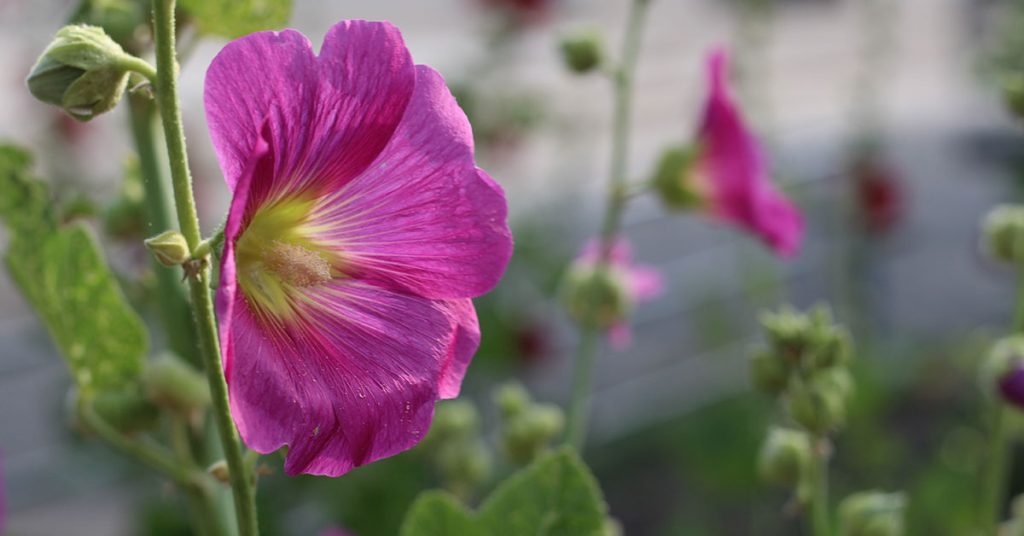
When you’re ready, gently lift the seedlings from the containers and transplant them into their permanent homes. Since they were sown in cool weather, they’ll have strong root systems and are far less likely to experience transplant shock. Flowers like poppies, violas, and hollyhocks will burst into bloom earlier than you’d expect, while veggies like spinach and broccoli will jumpstart your harvest season. Seeing those little plants flourish after surviving winter feels like such a triumph—and a reminder that with a little planning, gardening never truly stops.
Why Winter Sowing is Worth It
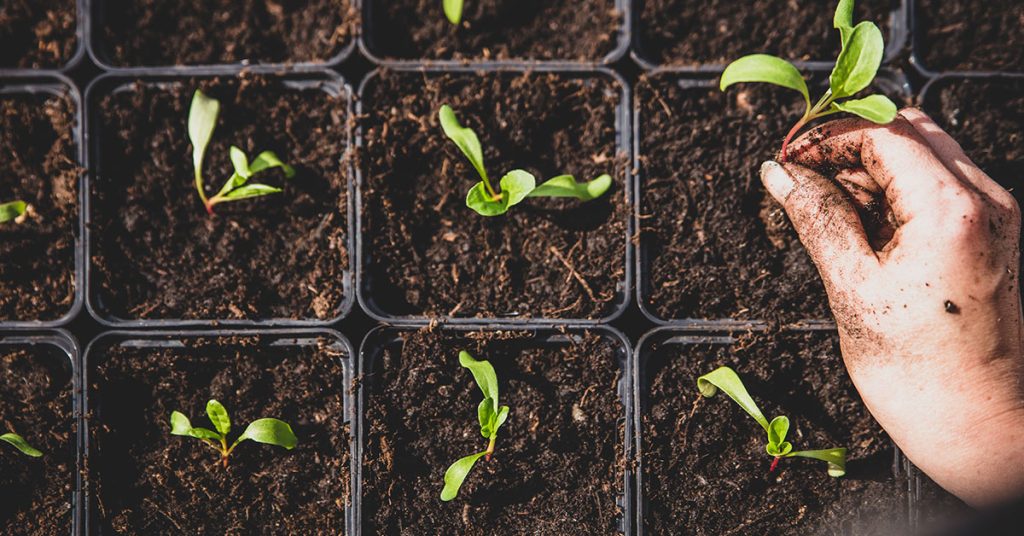
Winter sowing isn’t just about saving space or simplifying seed-starting—it’s about working in harmony with nature to grow stronger, more resilient plants. By mimicking the natural cycle of freezing and thawing, you’re giving seeds exactly what they need to thrive. Plus, there’s something deeply satisfying about making the most of the “off-season” and sneaking a little gardening into the coldest months of the year. I promise you, the joy of seeing those seedlings emerge is worth every bit of effort!
For those of us who can’t stand waiting until spring to get our hands dirty, winter sowing is the perfect fix. It’s a low-cost, low-maintenance way to set yourself up for a productive garden season, whether you’re growing vegetables, flowers, or native perennials. So next time you’re staring out the window at a frosty yard, grab those seeds, repurpose a few containers, and start sowing! You’ll be amazed at how much life can come from a little winter planning.