

As the vibrant colors of autumn begin to fade and the first hints of winter approach, ensuring the survival of your container garden becomes a top priority. Winter-proofing your container gardens not only protects your beloved plants from the harsh cold but also sets the stage for a flourishing spring. Whether you’re an experienced gardener or just starting out, taking the right steps to safeguard your containers can make all the difference in maintaining a healthy and beautiful garden year-round. I’m thrilled to share my best tips and strategies to help you keep your container plants thriving through the chilly months ahead!
Container gardens offer flexibility and versatility, allowing you to create stunning displays even in limited spaces. However, their mobility also means they’re more susceptible to temperature fluctuations and harsh weather conditions. By winter-proofing your container gardens, you can extend the growing season, protect sensitive plants, and ensure that your garden remains vibrant and resilient despite the cold. From selecting hardy plant varieties to implementing effective insulation techniques, these practices will help you preserve the beauty and health of your container plants all winter long. Let’s dive into the essential steps for winter-proofing your container gardens and keep your outdoor oasis thriving through the cold months!
Selecting Hardy Plants for Containers
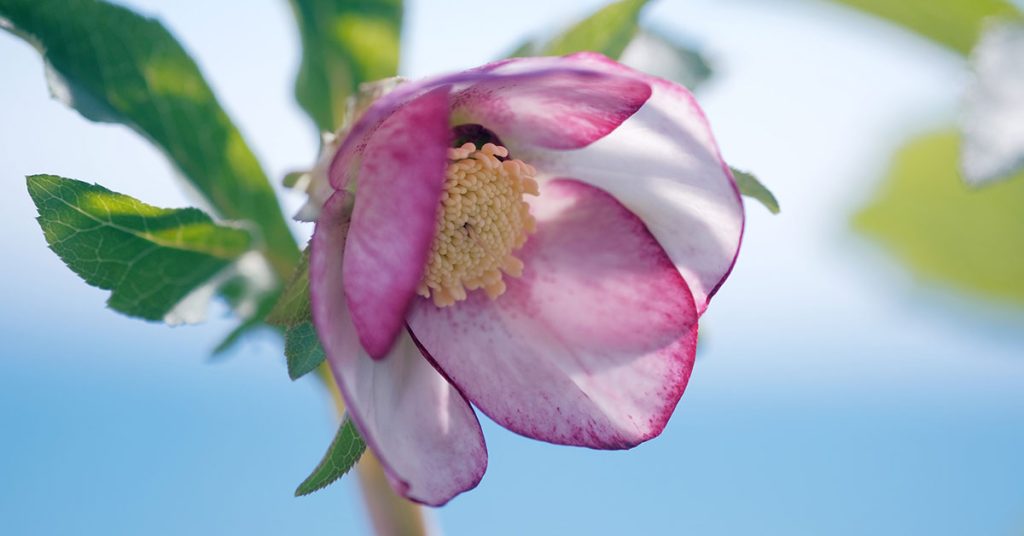
One of the most crucial steps in winter-proofing your container garden is choosing the right plants that can withstand the cold temperatures. Hardy plants such as the Pansy (Viola tricolor), native to Europe, are excellent choices for containers as they are resilient to frost and can continue to bloom throughout the winter months. Another fantastic option is the Hellebore (Helleborus spp.), native to Europe and Asia, known for its evergreen foliage and early spring blooms that add color to your garden even when most other plants are dormant. Selecting these robust varieties ensures that your container garden remains vibrant and alive despite the harsh winter conditions!
Additionally, incorporating native plants into your container garden not only supports local biodiversity but also enhances the resilience of your plants. Native species are adapted to your region’s climate and soil conditions, making them easier to care for and less prone to pests and diseases. For example, the native Winterberry Holly (Ilex verticillata) provides bright red berries that add a festive touch to your containers while attracting birds and other wildlife. By choosing hardy and native plants, you create a sustainable and low-maintenance container garden that thrives throughout the winter, providing beauty and ecological benefits even in the coldest months!
Insulating Containers

Insulating your containers is essential for protecting your plants from the extreme cold and preventing root damage. One effective method is to wrap the containers with insulating materials such as burlap, bubble wrap, or foam sleeves. This barrier helps retain heat and shields the roots from freezing temperatures. For instance, wrapping a ceramic pot with burlap not only insulates the plant but also adds a rustic charm to your garden decor. Additionally, using double-walled containers made of materials like fiberglass or insulated plastic can provide extra protection against the cold, ensuring that your plants remain warm and healthy throughout the winter.
Another great way to insulate your containers is by elevating them off the ground using pot feet or stands. This prevents the cold from seeping up from the soil and affecting the roots. You can also place insulating materials like straw or shredded leaves at the base of the container to provide an extra layer of protection. Furthermore, grouping containers together can create a microclimate that retains heat and reduces the overall impact of the cold. By implementing these insulation techniques, you can significantly enhance the winter resilience of your container garden, keeping your plants safe and thriving even in the coldest conditions!
Protecting Plants from Frost
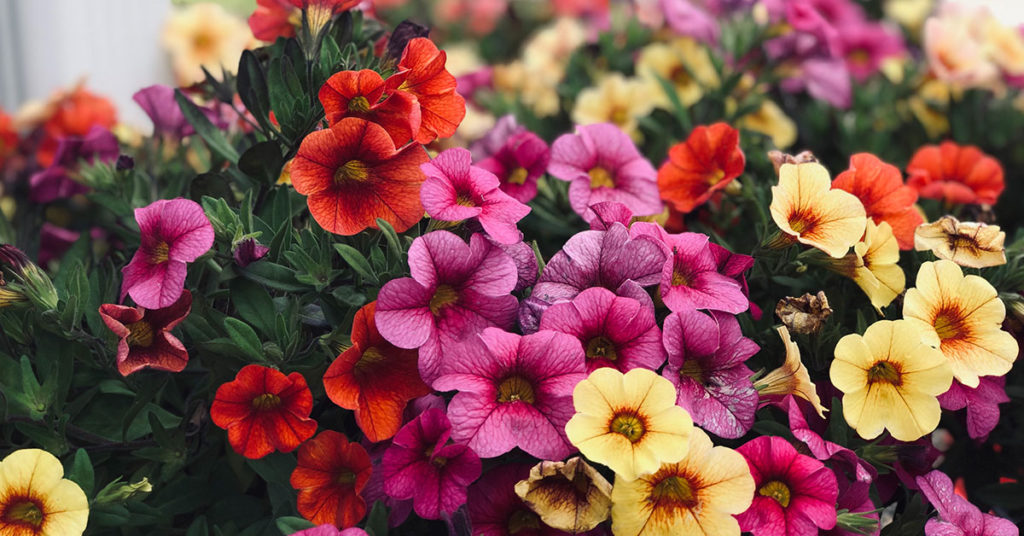
Frost can be particularly damaging to container plants, causing leaves and stems to become brittle and discolored. To protect your plants from frost, consider using frost blankets or horticultural fleece, which provide a gentle layer of insulation without trapping too much moisture. Draping these materials over your containers during cold nights helps maintain a stable temperature and shields your plants from frost damage. For example, covering a container of petunias (Petunia spp.) native to South America with a frost blanket can prevent the delicate blooms from wilting and preserve their vibrant colors throughout the winter.
Another effective strategy is to move your container garden to a more sheltered location, such as against a south-facing wall or under an overhang, where it can receive more warmth and protection from the wind. Utilizing movable containers allows you to reposition your plants as needed, providing them with optimal conditions during frost events. Additionally, placing containers on platforms or shelves helps keep them off the cold ground, reducing the risk of frost seeping into the soil and affecting the roots. By taking these proactive measures, you can ensure that your container plants remain protected from frost and continue to thrive even during the coldest nights of winter!
Using Mulch and Covers
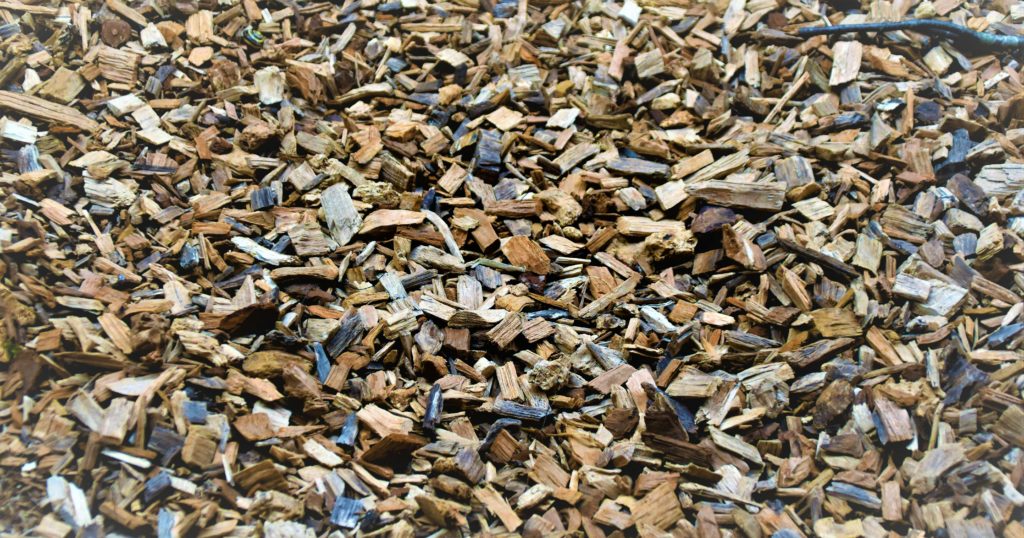
Applying mulch and covers to your container gardens is a simple yet highly effective way to protect your plants from the cold and retain soil moisture. Organic mulches such as straw, shredded leaves, or compost can be spread around the base of your plants to insulate the soil, keeping it warmer and preventing freeze-thaw cycles that can damage roots. For example, adding a layer of straw to a container of pansies (Viola tricolor) helps maintain a stable soil temperature and provides a cozy environment for the roots to stay healthy throughout the winter.
In addition to mulching, using plant covers like cloches, cold frames, or even makeshift covers made from plastic or glass can provide an extra layer of protection against the cold. These covers trap heat and create a mini greenhouse effect, warming the air around your plants and shielding them from harsh winter winds. For instance, placing a clear plastic cloche over a container of marigolds (Tagetes spp.) native to the Americas helps protect the vibrant blooms from frost while allowing sunlight to penetrate and nourish the plants. By combining mulching with protective covers, you create a comprehensive shield that enhances the winter resilience of your container garden, ensuring your plants remain lush and vibrant despite the cold weather!
Providing Adequate Watering

Proper watering is essential for maintaining the health of your container plants during the winter months. While plants require less water in the colder weather, it’s important to ensure that the soil remains slightly moist to prevent root desiccation and freeze damage. Overwatering can lead to waterlogged soil, which increases the risk of root rot and fungal diseases, while underwatering can cause plants to become stressed and more susceptible to cold damage. Striking the right balance is key to keeping your container garden healthy throughout the winter.
One effective way to manage watering is by using drip irrigation systems or self-watering containers that provide a steady supply of moisture without the risk of overwatering. For example, installing a drip irrigation system on a container of lavender (Lavandula angustifolia) native to the Mediterranean ensures that the plant receives just the right amount of water to stay hydrated without becoming waterlogged. Additionally, monitoring the moisture levels regularly and adjusting your watering schedule based on weather conditions can help maintain optimal soil moisture. By providing adequate and consistent watering, you support the overall health and resilience of your container plants, ensuring they remain strong and vibrant even in the colder months!
Choosing Suitable Container Materials
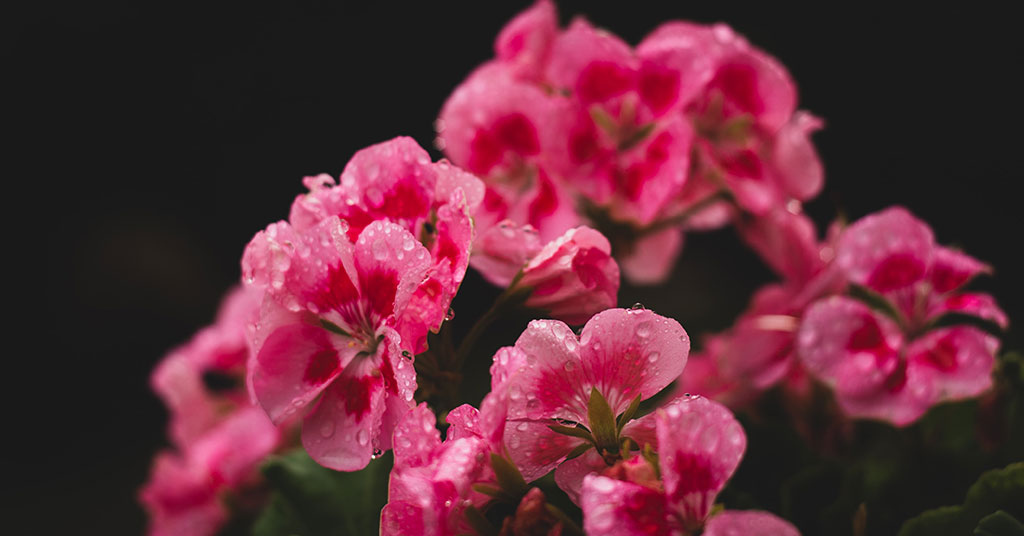
The material of your containers plays a significant role in the winter-proofing process, as different materials offer varying levels of insulation and protection against the cold. Containers made from materials like ceramic, terracotta, or stone are excellent choices for winter gardens because they provide natural insulation, keeping the soil warmer and protecting the roots from freezing temperatures. For instance, a terracotta pot for your hardy geraniums (Geranium spp.) native to Europe retains heat well, creating a more stable environment for the plant’s roots during the winter months.
On the other hand, lightweight materials such as plastic can be less effective at insulating, making them more susceptible to temperature fluctuations. To mitigate this, consider using double-walled containers or adding an extra layer of insulation around plastic pots to enhance their protective qualities. Additionally, materials like wood or metal can also be used effectively, provided they are treated to withstand cold weather and prevent moisture absorption. By selecting suitable container materials, you can significantly improve the winter resilience of your container garden, ensuring that your plants remain protected and healthy throughout the cold months!
Bringing Containers Indoors
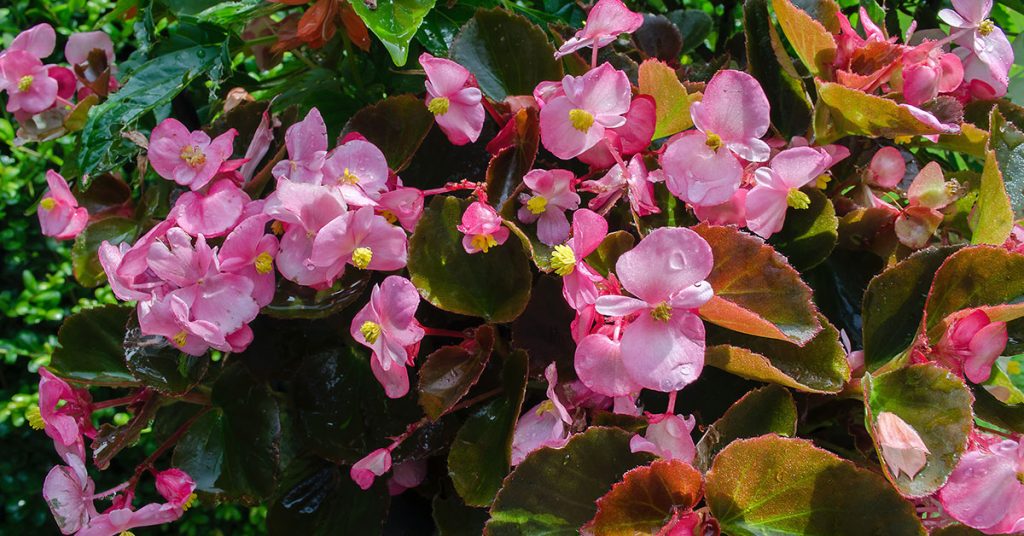
For particularly sensitive or valuable plants, bringing your container gardens indoors during the winter is an excellent way to ensure their survival and continued growth. Indoor spaces like sunrooms, garages, or basements can provide a more controlled environment, protecting your plants from extreme cold, frost, and harsh winds. Plants such as begonias (Begonia spp.) native to South America and succulents like the jade plant (Crassula ovata) native to South Africa thrive in indoor environments where temperature and humidity can be more easily managed.
Before bringing containers indoors, it’s important to acclimate your plants to the new environment gradually to prevent shock. Start by placing them in a shaded area before moving them to brighter indoor locations, ensuring they receive adequate light without the risk of burning from direct sunlight. Additionally, maintaining consistent watering and humidity levels indoors helps support healthy growth and prevents issues like root rot and fungal diseases. By thoughtfully transitioning your container gardens indoors, you provide a safe haven for your plants, allowing them to thrive throughout the winter and emerge healthy and vibrant in the spring!
Utilizing Cold Frames and Mini Greenhouses

Cold frames and mini greenhouses are fantastic tools for extending the growing season and providing additional protection for your container plants during the winter months. These structures create a sheltered environment that retains heat and shields plants from freezing temperatures, allowing you to cultivate tender species that might otherwise struggle in cold weather. For example, a mini greenhouse can house delicate herbs like basil (Ocimum basilicum) native to tropical regions, providing a warm and humid microclimate that supports their continued growth even during winter.
Additionally, cold frames are perfect for hardening off seedlings and protecting small containers from frost. Placing a cold frame over a container of spinach (Spinacia oleracea) native to Central Asia helps maintain a consistent temperature, promoting healthy growth and preventing frost damage. These structures are relatively easy to set up and can be tailored to fit the size and needs of your container garden. By utilizing cold frames and mini greenhouses, you create versatile and effective microclimates that enhance the winter resilience of your container plants, ensuring they remain healthy and productive throughout the colder months!
Pruning and Maintenance Before Winter
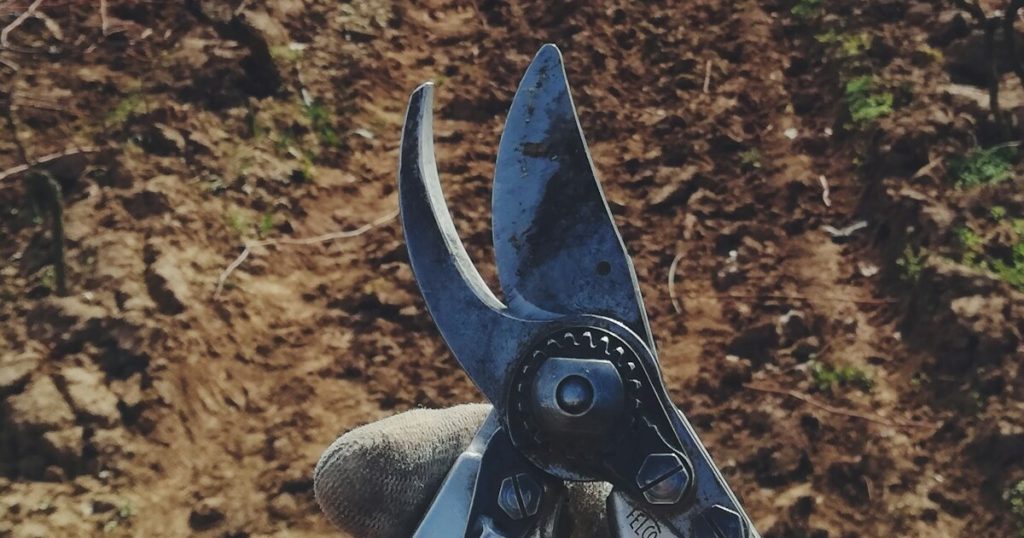
Pruning and maintaining your container plants before winter is essential for promoting healthy growth and preventing damage from cold weather. Removing dead or diseased branches helps reduce the risk of pests and diseases taking hold during the dormant winter months. For example, pruning back a container-grown rosemary (Rosmarinus officinalis) native to the Mediterranean not only encourages new growth in the spring but also maintains the plant’s shape and vigor. Additionally, trimming back perennial herbs like thyme (Thymus vulgaris) native to Europe and Asia ensures they remain compact and well-maintained, making them easier to protect and care for during winter.
Regular maintenance also involves checking for signs of stress or pest infestations and addressing them promptly to ensure your plants remain healthy throughout the winter. This includes inspecting the soil for moisture levels, ensuring proper drainage, and adjusting watering schedules as needed to prevent root rot and other issues. Additionally, fertilizing your container plants with a balanced, slow-release fertilizer before the onset of winter provides essential nutrients that support root development and overall plant health. By dedicating time to pruning and maintenance before winter, you set the stage for a thriving container garden that withstands the cold and emerges robust and vibrant in the spring!
Monitoring for Pests and Diseases

Even during the winter months, pests and diseases can pose a threat to your container gardens. Monitoring your plants regularly for signs of infestation or illness is crucial for maintaining their health and preventing the spread of problems. Common winter pests such as aphids, spider mites, and fungus gnats can thrive in indoor environments or sheltered outdoor spaces, making vigilant observation essential. For example, inspecting a container of poinsettias (Euphorbia pulcherrima) native to Mexico for any signs of pest activity ensures that you can take immediate action to protect the plant before the infestation spreads.
In addition to pests, fungal diseases like powdery mildew or root rot can develop in damp and poorly ventilated conditions. Keeping an eye out for symptoms such as discolored leaves, wilting, or unusual growth patterns allows you to address issues early and prevent severe damage. Implementing preventive measures such as proper watering techniques, ensuring good air circulation, and using organic fungicides when necessary can help keep your container gardens free from pests and diseases. By consistently monitoring and maintaining your plants, you create a healthy and resilient garden that can withstand the challenges of winter, ensuring your containers remain vibrant and thriving throughout the cold months!
Enhancing Soil Health with Amendments

Enhancing the soil health of your container gardens is vital for ensuring that your plants remain strong and resilient during the winter. Incorporating organic amendments such as compost, aged manure, or peat moss into your container soil improves its structure, drainage, and nutrient content. For instance, adding compost to a container of marigolds (Tagetes spp.) native to the Americas provides a rich source of nutrients that support robust growth and vibrant blooms. Additionally, incorporating perlite or vermiculite into the soil mix enhances aeration and prevents waterlogging, ensuring that the roots have ample oxygen and reducing the risk of root rot.
Furthermore, adjusting the pH level of your container soil to suit the specific needs of your plants can greatly enhance their winter resilience. For example, blueberries (Vaccinium spp.) native to North America thrive in acidic soil, so adding elemental sulfur or peat moss can help maintain the optimal pH level. Similarly, amending the soil with lime can raise the pH for plants that prefer more alkaline conditions, such as lavender (Lavandula angustifolia) native to the Mediterranean. By proactively enhancing soil health with the right amendments, you create a fertile and balanced environment that supports the overall well-being of your container plants, ensuring they remain healthy and vigorous throughout the winter months!
Providing Adequate Ventilation

Adequate ventilation is essential for preventing moisture buildup and maintaining a healthy environment for your container plants during the winter. Poor ventilation can lead to high humidity levels, which increase the risk of fungal diseases and pest infestations. To ensure proper airflow, position your containers in areas where they receive good air circulation, such as near open windows or under eaves. Additionally, spacing containers appropriately allows air to move freely between them, reducing the likelihood of stagnant air and moisture accumulation.
For indoor container gardens, using fans or opening windows periodically can help maintain optimal ventilation. Alternatively, placing containers in rooms with natural air movement, such as kitchens or bathrooms with exhaust fans, can also aid in keeping the environment dry and airy. For outdoor container gardens, ensuring that coverings like frost blankets or cold frames have some ventilation options prevents the buildup of excess moisture while still providing protection from the cold. By providing adequate ventilation, you create a balanced environment that supports the health and resilience of your container plants, preventing issues like mold, mildew, and pests from taking hold during the winter months!
Using Heat Mats and Grow Lights

Incorporating heat mats and grow lights into your winter-proofing strategy can provide the extra warmth and light your container plants need to thrive during the cold months. Heat mats, placed beneath the containers, help maintain a stable root temperature, promoting healthy growth and preventing frost damage. This is particularly beneficial for tender plants like begonias (Begonia spp.) native to South America, which require consistent warmth to survive the winter. Additionally, using heat mats can extend the growing season, allowing you to enjoy fresh blooms and foliage well into the colder months.
Grow lights are another valuable tool for ensuring your container plants receive adequate light during the shorter days of winter. Full-spectrum LED grow lights mimic natural sunlight, providing the essential wavelengths that plants need for photosynthesis and growth. For example, placing a grow light over a container of impatiens (Impatiens walleriana) native to East Africa ensures that the plants continue to receive the light they need to thrive, even when natural daylight is limited. By utilizing heat mats and grow lights, you create a supportive environment that enhances the growth and resilience of your container gardens, ensuring they remain vibrant and healthy throughout the winter!
Storing Containers Properly
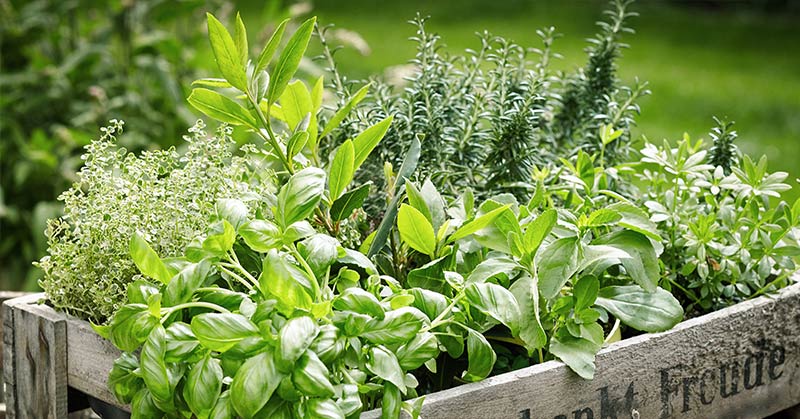
Properly storing your containers during the winter is crucial for maintaining the health of your plants and the integrity of the containers themselves. Before the onset of winter, thoroughly clean your containers to remove any soil residue, pests, or diseases that could harbor and spread during the colder months. Washing containers with a mild bleach solution or vinegar water can help disinfect them and prevent the buildup of harmful pathogens. Once cleaned, ensure that containers are completely dry before storing them to avoid mold and mildew growth.
When storing containers indoors, choose a location that is dry and cool, away from direct sunlight and sources of heat. Placing containers on shelves or in storage areas where they are not at risk of being knocked over or damaged helps protect them from physical stress and wear. For outdoor containers, consider moving them to a sheltered spot, such as a garage or shed, where they are protected from freezing temperatures and heavy snow. Alternatively, wrapping containers with insulating materials like burlap or bubble wrap can provide an extra layer of protection against the cold. By storing your containers properly, you extend their lifespan and ensure that they are ready to support your garden once the growing season resumes in the spring!