

Winter can pose significant challenges for maintaining a productive compost pile, but with the right strategies, you can keep your compost thriving even in the coldest months. I know how frustrating it can be to see your composting efforts slow down when temperatures drop, but don’t worry! Winter composting is entirely possible with a bit of planning and care. By understanding how to protect and nurture your compost pile during winter, you can ensure that it remains active and ready to enrich your garden soil come spring.
In this article, I’m excited to share comprehensive tips and techniques for maintaining a productive compost pile throughout the winter season. From insulating your compost to managing moisture and encouraging microbial activity, each section is packed with detailed advice to help you keep your compost healthy and efficient. Whether you’re a seasoned compost enthusiast or just starting out, these strategies will empower you to overcome the winter hurdles and continue producing rich, nutrient-dense compost for your garden. Let’s dive into the world of winter composting and keep your green thumb active all year round!
Insulating the Compost Pile

One of the most effective ways to maintain a productive compost pile during winter is by insulating it to retain heat and protect it from freezing temperatures. Insulation helps keep the internal temperature of the compost stable, allowing the microorganisms responsible for decomposition to remain active. You can insulate your compost pile using materials like straw bales, hay, or even old blankets and tarps. Wrapping the pile with these insulating materials creates a barrier that traps heat and prevents the cold air from penetrating, ensuring that your compost continues to break down efficiently.
Another great insulation method is to build your compost pile against a south-facing wall or a structure that retains heat, such as a shed or garage. This natural heat source can significantly reduce the amount of additional insulation you need to provide. Additionally, piling straw or dry leaves around the base of the compost can offer extra protection against frost and help maintain a warmer core temperature. By taking these steps to insulate your compost pile, you create a more favorable environment for decomposition, keeping your compost active and productive even when the weather outside is chilly!
Balancing Green and Brown Materials

Maintaining the right balance of green and brown materials is crucial for successful winter composting. Green materials, such as kitchen scraps, grass clippings, and fresh leaves, provide the nitrogen needed for microbial activity. Brown materials, including dry leaves, straw, shredded paper, and wood chips, offer carbon, which helps to balance the compost and prevent it from becoming too wet or smelly. During winter, it’s important to continue adding both types of materials to keep the compost pile healthy and active.
I know how easy it is to let your compost pile become imbalanced, especially when winter slows down gardening activities. To maintain the right ratio, aim for approximately three parts brown materials to one part green materials. This balance ensures that the microorganisms have enough carbon to thrive and efficiently break down the green waste. Additionally, turning the pile regularly helps to aerate the compost and distribute the materials evenly, promoting consistent decomposition. By carefully balancing green and brown materials, you keep your compost pile nutrient-rich and ready to support your garden’s needs come spring!
Managing Moisture Levels

Proper moisture management is essential for maintaining an active compost pile during winter. Moisture levels that are too high can lead to anaerobic conditions, causing your compost to become smelly and sluggish. On the other hand, insufficient moisture can slow down the decomposition process. The key is to keep your compost pile as damp as a wrung-out sponge. In winter, maintaining this moisture balance can be challenging due to lower humidity and reduced rainfall, but it’s entirely achievable with a few thoughtful practices.
One effective way to manage moisture is by covering your compost pile with a tarp or a compost bin lid to protect it from heavy rain and snow. This covering helps to regulate moisture levels by preventing excessive water from entering the pile while still allowing some airflow. Additionally, adding dry brown materials like shredded newspaper or straw can help absorb excess moisture and maintain the right dampness. If the pile becomes too dry, you can lightly spray it with water or add more green materials to increase moisture levels. By closely monitoring and adjusting the moisture in your compost pile, you ensure that it remains a thriving environment for decomposition throughout the winter months!
Turning the Pile

Regularly turning your compost pile is a vital practice for maintaining its productivity, especially during the winter. Turning the pile aerates the compost, providing oxygen to the aerobic microorganisms that drive the decomposition process. This not only speeds up composting but also helps prevent the pile from becoming compacted and anaerobic, which can lead to unpleasant odors and slower decomposition rates. In winter, turning the pile becomes even more important as it helps distribute heat and moisture evenly throughout the compost.
I understand how tempting it can be to let your compost sit untouched during the colder months, but making an effort to turn it every few weeks can make a significant difference. Use a pitchfork or a compost turner to mix the materials thoroughly, breaking up any clumps and ensuring that all parts of the pile receive adequate air and moisture. If your compost pile is housed in a bin with a lid, you can open it up and give it a good mix to refresh the contents. By incorporating regular turning into your winter composting routine, you keep the decomposition process active and your compost pile healthy and productive!
Adding Compost Activators
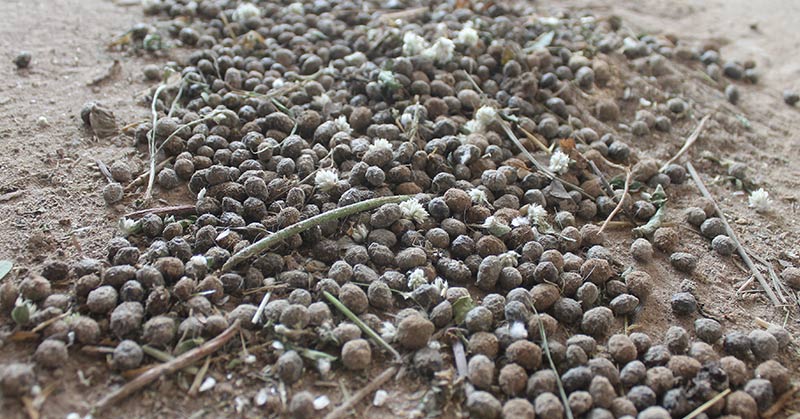
Compost activators can be a great help in maintaining an active compost pile during winter. These activators are typically rich in nitrogen and other essential nutrients that boost microbial activity, speeding up the decomposition process even in colder temperatures. Common compost activators include finished compost, manure, blood meal, or commercial compost starters. Adding a small amount of these materials to your pile can jumpstart the microbial activity, ensuring that your compost remains productive despite the winter chill.
Using compost activators is especially beneficial if your pile has slowed down or become less active due to reduced temperatures. Simply sprinkle the activator evenly over the top of the compost and mix it in thoroughly. This infusion of nutrients provides the microorganisms with the energy they need to continue breaking down the organic matter efficiently. Additionally, incorporating high-quality activators can enrich your compost, making it even more beneficial for your garden soil. I’ve found that adding compost activators during winter helps maintain a vibrant and active compost pile, ready to produce rich compost when spring arrives!
Utilizing Compost Heaters or Bins

For gardeners who want to ensure their compost piles stay warm and active throughout the winter, compost heaters or insulated compost bins are excellent solutions. Compost heaters are devices that generate heat to keep the compost pile at an optimal temperature, promoting continuous microbial activity even in freezing conditions. These heaters can be electric or solar-powered, providing a steady source of warmth that helps maintain the decomposition process year-round. Insulated compost bins, on the other hand, trap heat generated by the microbial activity, keeping the pile warmer than the surrounding air and protecting it from extreme cold.
Investing in a compost heater or an insulated bin can be especially useful for larger compost piles or for gardeners in regions with harsh winters. These systems ensure that your compost pile remains at the right temperature, preventing the slowdown or cessation of decomposition. Additionally, some compost heaters come with built-in fans or aeration systems that further enhance the efficiency of the composting process by ensuring adequate oxygen flow. By utilizing compost heaters or insulated bins, you create a controlled environment that supports continuous composting, making winter composting a breeze and keeping your compost pile productive throughout the cold season!
Using Worm Composting Systems

Worm composting, or vermicomposting, is another effective method for maintaining a productive compost pile during winter. Worms, particularly red wigglers (Eisenia fetida), are highly efficient at breaking down organic matter and can continue their work even in cooler temperatures if their environment is properly managed. Worm composting systems, such as worm bins, provide a sheltered and insulated space where worms can thrive, protecting them from extreme cold and ensuring that your composting efforts remain active throughout the winter.
To keep your worm composting system productive during winter, it’s important to insulate the bin and keep it in a location that stays above freezing. You can use materials like straw, newspaper, or bubble wrap to provide extra insulation around the bin. Additionally, ensuring that the worm bin has adequate moisture and a balanced diet of green and brown materials will help the worms stay healthy and active. By incorporating a worm composting system into your winter composting routine, you add another layer of efficiency and productivity to your compost pile, turning kitchen scraps into rich, nutrient-dense compost all year round!
Monitoring Temperature

Keeping an eye on the temperature of your compost pile is essential for maintaining its productivity during winter. Microorganisms thrive within a specific temperature range, typically between 130°F and 160°F (55°C to 70°C), which allows them to break down organic matter efficiently. In winter, external temperatures can drop significantly, potentially slowing down or halting the composting process. By regularly monitoring the temperature of your compost pile, you can take proactive steps to maintain the ideal conditions for decomposition.
Using a compost thermometer is a simple and effective way to keep track of your pile’s temperature. Insert the thermometer into different areas of the compost to get an accurate reading and ensure that the entire pile is heating up properly. If you notice that the temperature is dropping too low, consider adding more green materials to boost microbial activity or turning the pile to introduce fresh air and redistribute heat. Additionally, insulating the pile or using compost heaters can help maintain a consistent temperature, keeping your compost active and productive throughout the winter. By diligently monitoring and managing the temperature, you ensure that your compost pile remains a dynamic and efficient system, even in the coldest weather!
Balancing Carbon to Nitrogen Ratio

Maintaining the proper carbon to nitrogen (C) ratio is crucial for effective composting, especially during winter. The ideal Cratio for a healthy compost pile is approximately 30:1, meaning 30 parts carbon-rich materials to one part nitrogen-rich materials. This balance provides the microorganisms with the necessary nutrients to break down organic matter efficiently. In winter, when decomposition can slow down, ensuring the right Cratio becomes even more important to keep the compost active and productive.
To achieve this balance, carefully layer brown materials like dry leaves, straw, and shredded paper with green materials such as kitchen scraps, grass clippings, and manure. If your compost pile is too high in carbon, you can add more nitrogen-rich materials to boost microbial activity. Conversely, if it’s too nitrogen-heavy, incorporate more brown materials to absorb excess moisture and prevent the pile from becoming too smelly. Regularly assessing and adjusting the Cratio ensures that your compost remains a thriving environment for decomposition, even during the colder months. By maintaining this crucial balance, you support the continuous production of rich, fertile compost that will benefit your garden all year round!
Protecting from Freezing

Protecting your compost pile from freezing temperatures is essential for maintaining its productivity during winter. When the compost freezes, microbial activity slows down or stops entirely, halting the decomposition process and potentially damaging the organic matter. To prevent freezing, consider building a compost pile in a sheltered location, such as against a south-facing wall or within a greenhouse, where it can retain more heat. Additionally, covering the pile with insulating materials like straw, hay, or a thick tarp can help trap heat and protect the compost from the harshest cold snaps.
Another effective method to protect your compost from freezing is by creating a hot composting system that generates its own heat through vigorous decomposition. By maintaining a well-balanced pile with sufficient green and brown materials and regularly turning it to aerate, you can sustain the internal temperature and prevent the entire pile from freezing. Using compost heaters or insulated compost bins, as mentioned earlier, also plays a significant role in safeguarding your compost from extreme cold. By implementing these protective measures, you ensure that your compost pile remains active and productive throughout the winter, allowing it to continue breaking down organic matter and enriching your garden soil when spring arrives!
Incorporating Cover Crops

Incorporating cover crops into your winter composting strategy can enhance the productivity and health of your compost pile. Cover crops, such as clover, rye, and winter wheat, add valuable organic matter and nutrients to the compost, boosting microbial activity and improving soil structure. These plants, native to various regions around the world, are excellent sources of carbon and nitrogen, which are essential for maintaining a balanced compost pile. Additionally, cover crops help prevent soil erosion and suppress weeds, creating a more sustainable and efficient composting system.
Planting cover crops before adding them to your compost pile ensures that they decompose quickly and contribute to the overall health of your compost. For example, clover (Trifolium spp.), native to Europe and North America, is a nitrogen-fixing plant that enriches the compost with essential nutrients, while rye (Secale cereale), native to the Mediterranean region, provides a high carbon content that helps balance the Cratio. By incorporating cover crops into your winter composting routine, you not only enhance the quality and quantity of your compost but also support a more sustainable and eco-friendly gardening practice. Embracing cover crops is a fantastic way to maximize the benefits of winter composting, ensuring that your compost pile remains a thriving and productive resource for your garden!