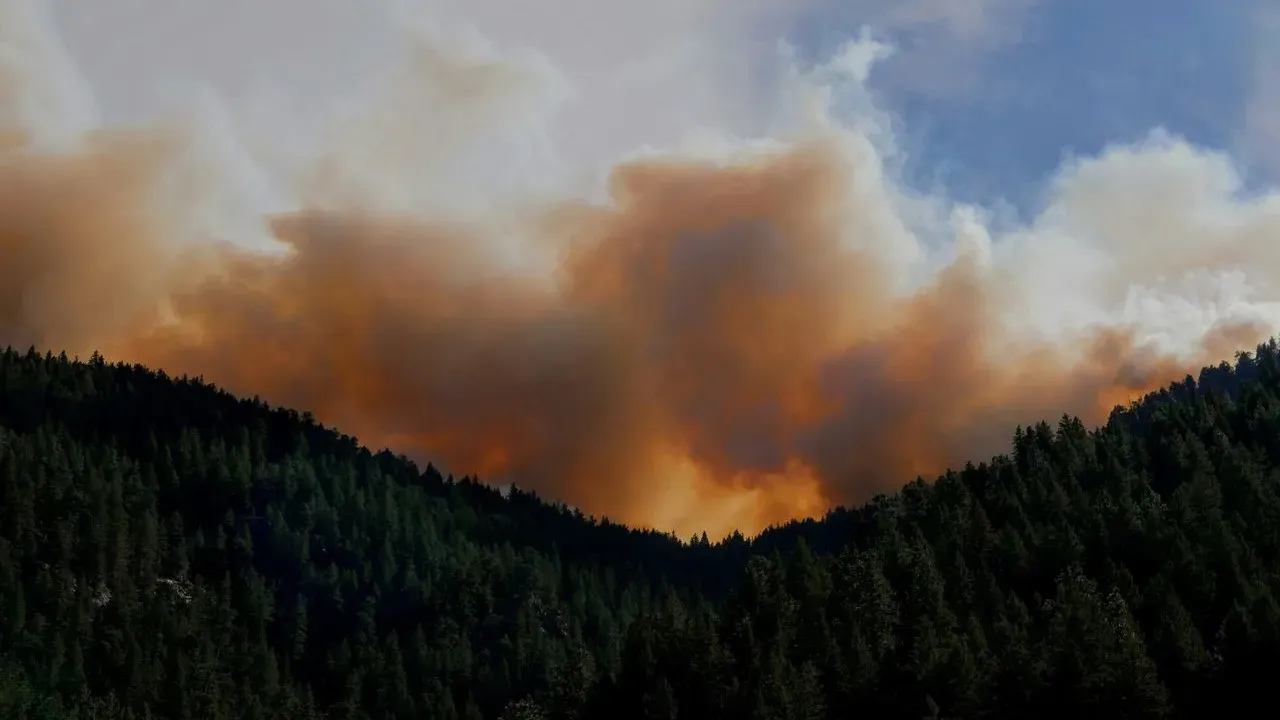

Gardeners across the Midwest and Northeast woke this week to hazy skies and stinging air that made even routine outdoor tasks feel risky. Heavy smoke drifting south from large wildfires in Canada and Minnesota has settled over wide stretches of the United States, triggering air quality alerts in multiple states. The result is a sudden pause for anyone who tends plants, mows lawns, or simply enjoys time outside.
Where the Smoke Is Landing
Communities from the Great Lakes through New England are seeing the thickest plumes. Air quality monitors have posted unhealthy readings in parts of Minnesota, Wisconsin, Michigan, Ohio, Pennsylvania, New York, and New England states. The smoke is not uniform; some areas experience brief spikes while others face prolonged gray skies and reduced visibility.
Officials have urged residents to limit time outdoors, especially during peak afternoon hours when smoke concentrations often climb. Garden centers and extension services in affected regions are fielding calls from people wondering whether it is safe to water, weed, or harvest.
Practical Steps for Gardeners
Anyone planning yard work should check local air quality indexes before heading outside. When readings reach the orange or red zone, experts recommend postponing strenuous tasks such as digging, pruning, or mowing. Light watering or quick harvesting can sometimes be managed with an N95 mask, but prolonged exposure is best avoided.
Indoor alternatives include starting seeds, planning next season’s layout, or tending houseplants. Many gardeners are also using the downtime to clean tools, repair irrigation lines, and review soil test results. These steps keep momentum without adding to respiratory strain.
What Changes in the Days Ahead
- Monitor daily forecasts for wind shifts that could clear or worsen conditions.
- Keep windows closed during high-smoke periods and run air purifiers if available.
- Watch for updates from state environmental agencies on lifting or extending alerts.
- Consider flexible schedules so outdoor work can resume quickly once air improves.
Looking Beyond This Week
Wildfire seasons have grown more intense in recent years, and smoke events that once felt rare now reach deeper into the eastern United States. Gardeners are learning to treat air quality as another variable alongside weather and pests. The current plume serves as a reminder that outdoor plans sometimes must yield to larger atmospheric forces.
Communities will continue to track the fires and the winds that carry their smoke. For now, the priority remains protecting health while the haze lingers.
AI Disclaimer: This article was created with the assistance of AI tools and reviewed by a human editor.