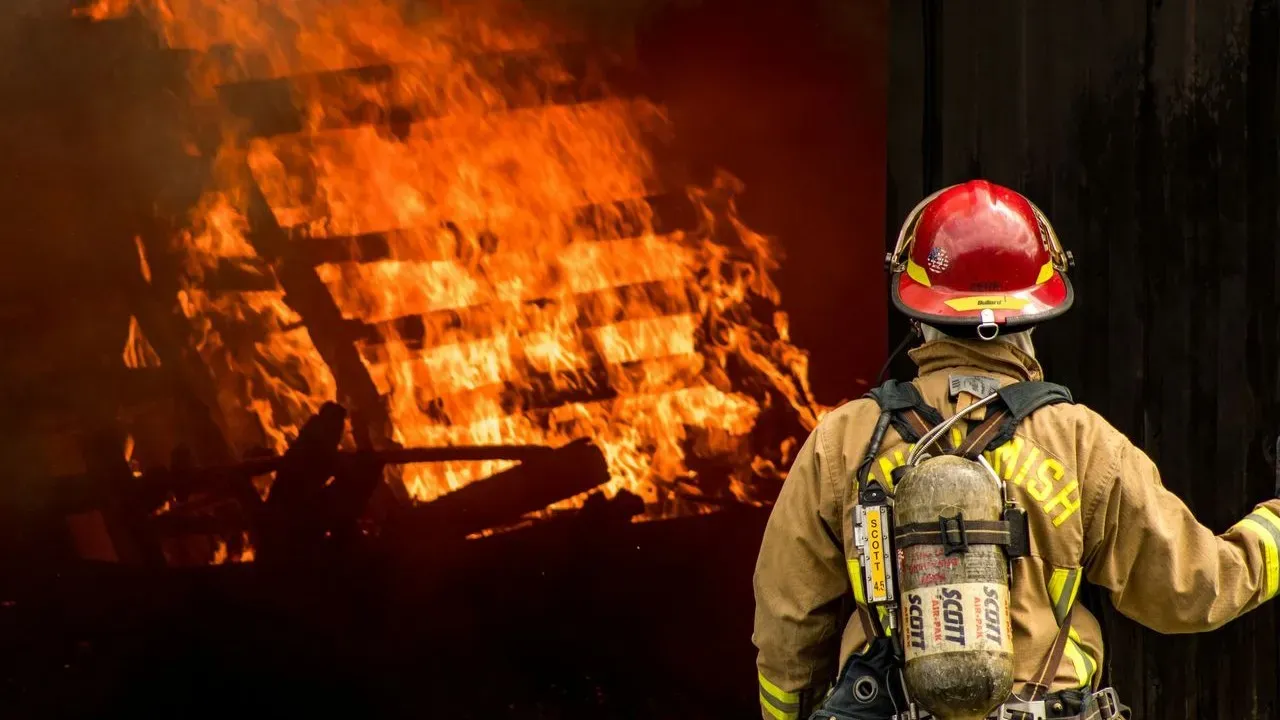

Residents returning to fire-scarred properties often focus first on visible damage to homes and outbuildings. Yet the real threat can lie beneath the surface in soil and water supplies that appear untouched. Environmental engineer Andrew J. Whelton has warned that chemical contaminants from wildfires can persist in these systems long after flames are gone.
Hidden Contaminants Reach the Garden
Wildfire ash and smoke carry a mix of heavy metals, polycyclic aromatic hydrocarbons, and other compounds that settle into soil and infiltrate water lines. These substances do not always produce obvious odors or discoloration. Gardeners who plant vegetables or irrigate crops without testing risk introducing toxins into the food chain.
The Tamarack Fire of 2021 offered a stark example of how surviving structures and their surroundings can harbor these residues. Soil near burned areas absorbed chemicals that later leached into groundwater or remained bound to particles. Home gardeners face the same exposure when they resume planting without verification.
Why Soil and Water Testing Cannot Wait
Many homeowners assume that clearing debris and waiting for rain will restore safe growing conditions. In reality, some contaminants bind tightly to soil particles and resist natural breakdown. Others dissolve slowly into irrigation water drawn from wells or municipal lines that passed through affected zones.
Vegetables and herbs grown in tainted soil can absorb these compounds through their roots. Leafy greens and root crops pose particular concern because they are eaten directly. Even ornamental plants can transfer residues if gardeners later use the same beds for edibles. Testing provides the only reliable way to confirm safety before any planting begins.
Water systems also require attention. Pipes and tanks may retain chemical films that release toxins each time the tap is turned on. A single irrigation cycle can spread contaminants across an entire garden plot. Early testing prevents repeated exposure and costly remediation later.
Practical Steps for Property Owners
Begin with a visual inspection of ash layers and any standing water. Next, collect soil samples from multiple garden beds and send them to a certified laboratory for analysis of wildfire-related chemicals. Water testing should cover both the source and points of use within the irrigation system.
Professionals recommend repeating tests after any heavy rain or soil disturbance, as these events can redistribute residues. If results show elevated levels, options include removing and replacing topsoil, installing filtration for water lines, or waiting additional seasons for natural attenuation. Local extension offices can often guide residents toward accredited labs and interpretation of results.
Protecting Future Harvests
Gardeners who act quickly can often salvage their growing spaces. Raised beds with fresh soil and dedicated water sources offer one workaround while ground-level areas recover. Regular monitoring ensures that any rebound of contaminants is caught early.
The goal remains straightforward: confirm that soil and water are free of invisible hazards before food crops return to the land. This single precaution safeguards both the harvest and the health of those who tend it.
AI Disclaimer: This article was created with the assistance of AI tools and reviewed by a human editor.