
Most people think of wildfire smoke as a problem. It stings your eyes, darkens the sky, and triggers air quality alerts. What fewer people realize is that the particles drifting silently overhead carry something else entirely: a cocktail of nutrients that can settle onto leaves, lawns, and garden beds hundreds of miles from where the fire burned.
Scientists have been piecing together this story for years, and the findings published through 2024 and 2025 are starting to sharpen what was once a fuzzy picture. The idea that wildfires fertilize landscapes far beyond their own footprint is no longer fringe science. It’s becoming one of the more fascinating ecological side stories of a warming world.
Ash Travels Far Farther Than Most People Assume
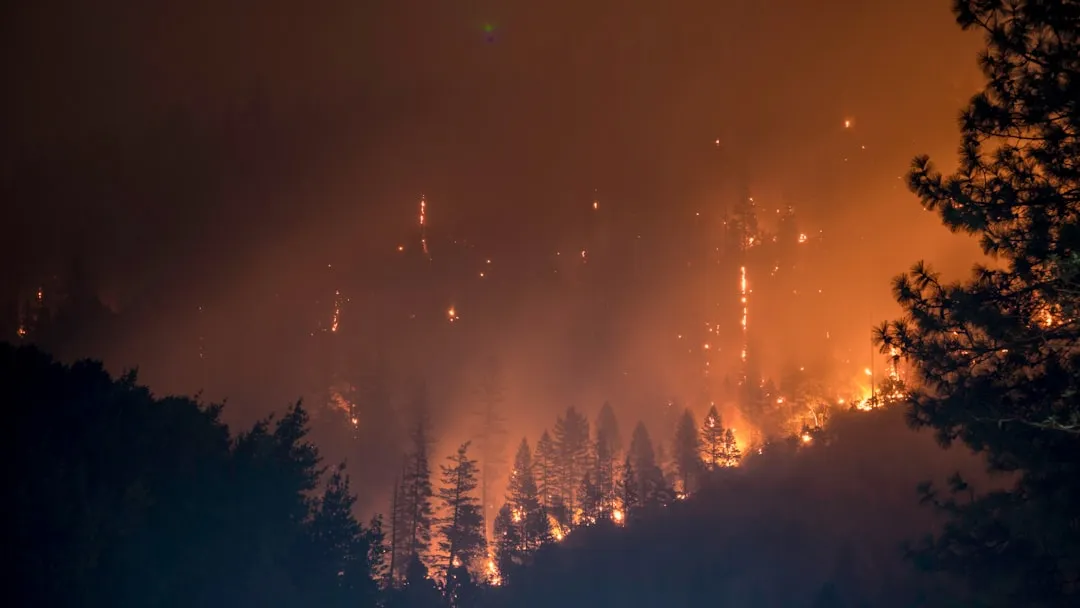
Fires at the wildland-urban interface release ash into the atmosphere that can be transported for long distances and deposited on land and in oceans. This isn’t a small-scale phenomenon. The particles that make it farthest are the fine-mode ones, lighter and mineral-rich, able to ride wind currents for days.
Coarse-mode smoke, including ash that is rich in organic matter, tends to settle near the fire source, while fine-mode smoke, with lower organic content and higher mineral composition, disperses farther. This means the ash landing on your garden could originate from a fire burning in a completely different region or even a different country.
Combustion byproducts from biomass burning are among the most dominant atmospheric particles globally, with amounts of roughly 750 teragrams, and they can be deposited locally or transported remotely, supplying nutrients even between continents.
What Wildfire Ash Actually Contains
Atmospheric particles from wildfire ash are a major source of macro- and micronutrients such as phosphorus, iron, magnesium, calcium, potassium, manganese, zinc, and nickel that are essential for terrestrial and marine ecosystems. These aren’t trace amounts. Ash is genuinely concentrated in the elements plants need most.
The ash and charred organic matter generated by severe wildfires typically contain high alkalinity and concentrations of carbon, nitrogen, phosphorus, and cations such as potassium, calcium, and magnesium that are mobilized by wind and water. Think of it as nature compressing and concentrating whatever was growing in the forest into a fine, mineral-dense powder.
Wildfire leads to the deposition of an ash layer at the land surface, and this material typically has alkaline properties, abundant pyrogenic carbon, and elevated metal concentrations compared to surface soils.
Phosphorus: The Key Ingredient Gardens Desperately Need
Ash particles from wildfires are rich in phosphorus, a crucial nutrient that constitutes a limiting factor in nearly half of the world’s land ecosystems. Phosphorus is the nutrient behind root development, flowering, and fruit production. Without enough of it, garden plants simply struggle to perform.
The wind-borne contribution of phosphorus is especially important in terrestrial ecosystems since phosphorus deficiency is prevalent globally, primarily due to its low bioavailability in most soils. For home gardeners, this matters more than most realize. Soils in many regions are naturally phosphorus-poor, and the slow weathering of rock makes replenishment a geological-scale process.
Research has shown that biomass burning in Africa is a major contributor of phosphorus to nearby equatorial forests through atmospheric deposition, and the actual deposition of fire ash is higher over forests because of the canopy complexity of the trees, pointing to the importance of canopy trapping as a pathway for nutrient input into forest ecosystems.
Plants Feed Through Their Leaves, Not Just Their Roots
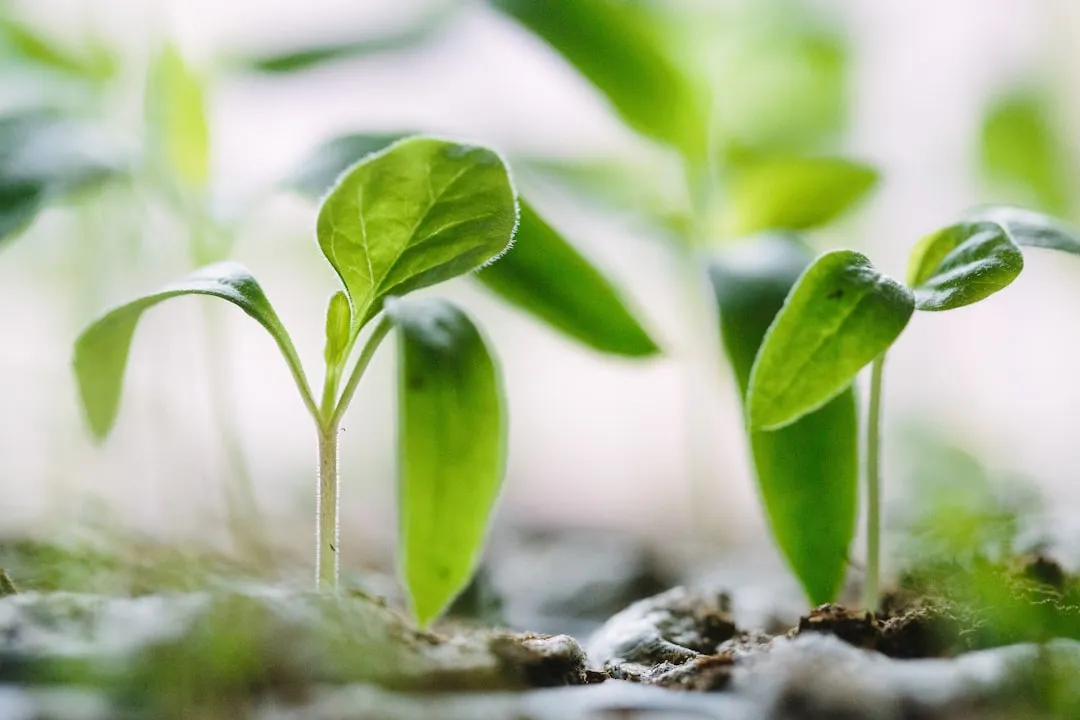
This is where things get genuinely surprising. The 2024 study published in Biogeosciences by Lokshin, Palchan, and Gross revealed something that overturned long-held assumptions about how plants absorb nutrients from airborne ash. Researchers found that plants can utilize fire ash phosphorus and nickel through their leaves by direct nutrient uptake from particles captured on their foliage, but not via their roots.
Fire ash application boosts plant growth, but the only pathway through which plants take up phosphorus from fire ash is through the leaves, not the roots, and this fertilization effect was maintained even under elevated levels of carbon dioxide. In short, your plants may be absorbing airborne ash nutrients right now, through every leaf surface exposed to the sky.
Plants’ foliage has a greater surface area that increases direct physical contact between fire ash particles and plant tissues, creating suitable conditions for their partial solubilization. The leaves, in other words, work like tiny nutrient catchers.
The Scale of Smoke and Ash Deposition Across Continents
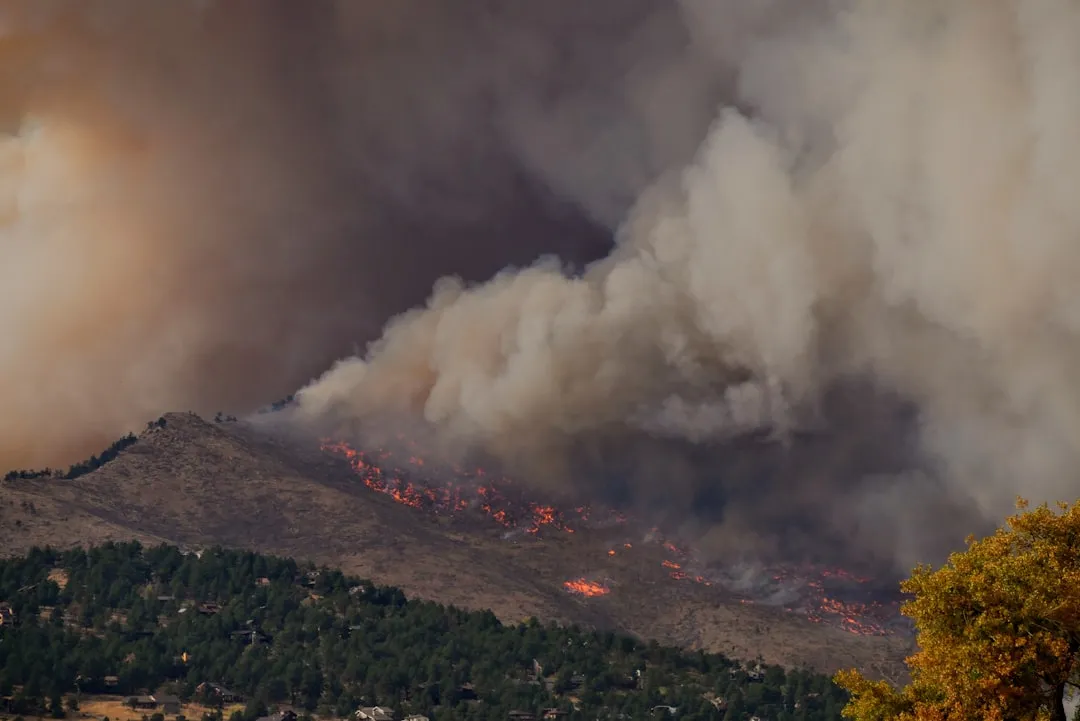
The reach of wildfire smoke is staggering when you look at the numbers. A comprehensive review published in Global Change Biology in 2024 quantified just how pervasive this aerial fertilization has become. Research found that nearly all of North America was covered by smoke, affecting over 1.3 million lakes of at least ten hectares in size, with close to all of them experiencing at least ten smoke-days per year, and the vast majority receiving over thirty smoke-days annually.
From 2006 to 2022, the maximum extent of medium or high-density smoke occurring between June and October increased by 300,000 square kilometers. That expansion means more land, more gardens, and more ecosystems receiving ash nutrients from fires they never directly experienced.
In addition to its effects on air quality, wildfire ash can supply nutrients and pollutants to terrestrial and aquatic ecosystems via dry particulate deposition and wet precipitation deposition alike.
Nitrogen, Potassium, and the Broader Nutrient Package

When vegetation burns, the trapped nutrients within the plants are released back into the environment as ash, and that ash is rich in nitrogen and other nutrients that act as natural fertilizers for new plant growth. Nitrogen is what gives leaves their green and drives leafy vegetative growth, so its presence in deposited ash carries real consequence for plant health.
Though nitrogen and carbon are more readily volatilized than phosphorus, significant concentrations of these nutrients can still be transported by smoke and ash, and increased concentrations of nitrogen, phosphorus, potassium, calcium, and water-soluble organic carbon in freshwaters have been attributed to wet deposition from biomass burning in surrounding catchments. What falls on water also falls on soil and leaves.
Research has aimed to quantify smoke influence on the wet deposition of biologically important nutrients including inorganic nitrogen, phosphorus, and potassium to ecosystems across the continental United States during years with contrasting smoke frequency and distribution.
Ash Changes Soil Chemistry, Sometimes Dramatically
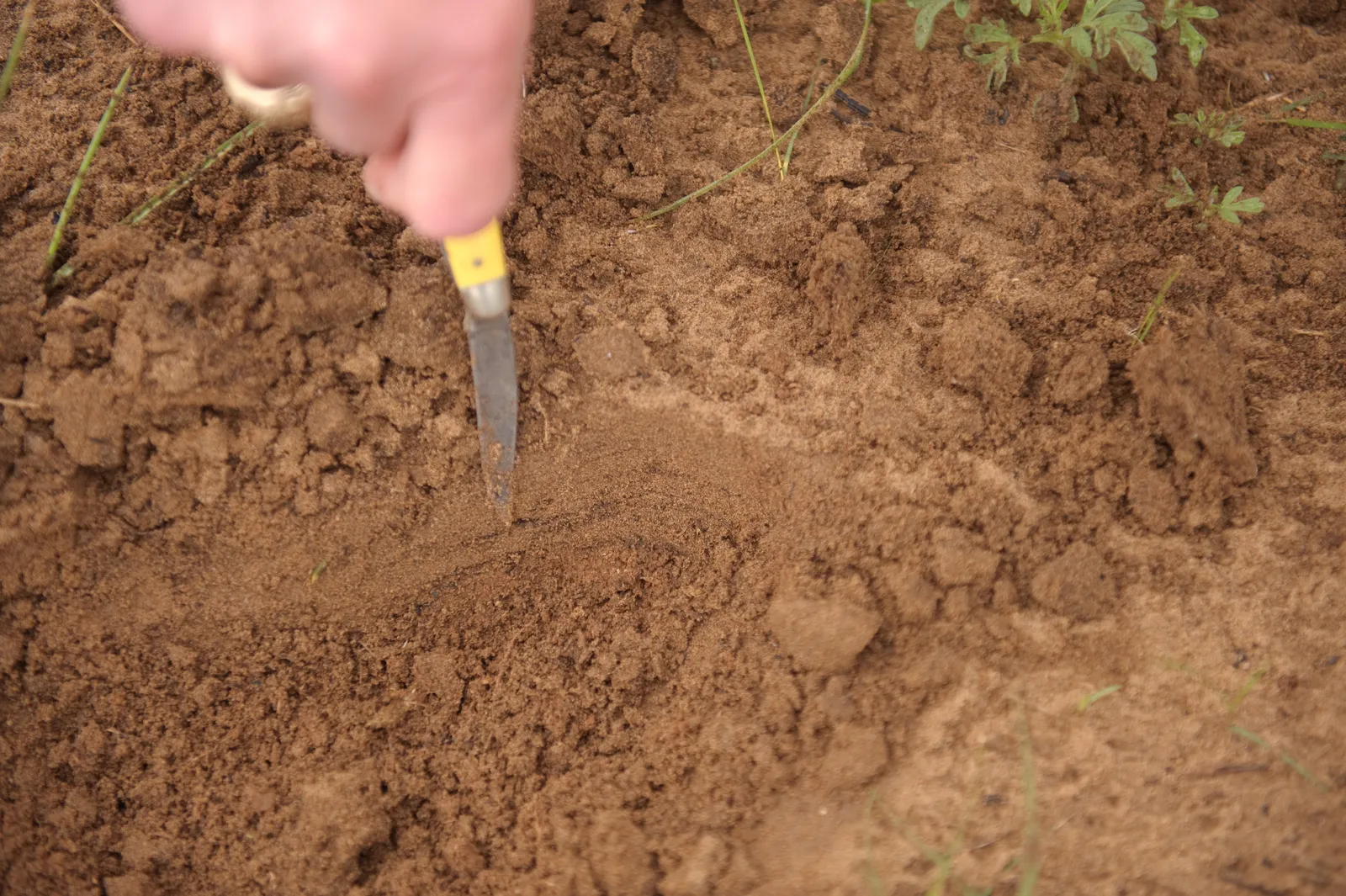
Beyond nutrients landing on leaves, ash that reaches the ground reshapes soil chemistry in measurable ways. Ash inputs typically change soil pH and add nutrients, altering soil properties in ways that can persist long after the initial deposition event. A shift in pH alone can unlock nutrients already present in soil but previously unavailable to plant roots.
Direct deposition of ash during a Colorado wildfire elevated stream potassium and phosphate concentrations, whereas rainstorms the following year mobilized ash and increased dissolved organic carbon and aromatic organic compounds in burned watersheds. Rain, then, acts as the secondary delivery mechanism, washing surface-deposited ash into the root zone.
Over long timescales, deposited wildfire ash particles contribute to soil fertility by replenishing soil nutrient reservoirs. It is a slow but cumulative process, one that plays out quietly across seasons and years.
The Complicated Side: Toxins Travel Too
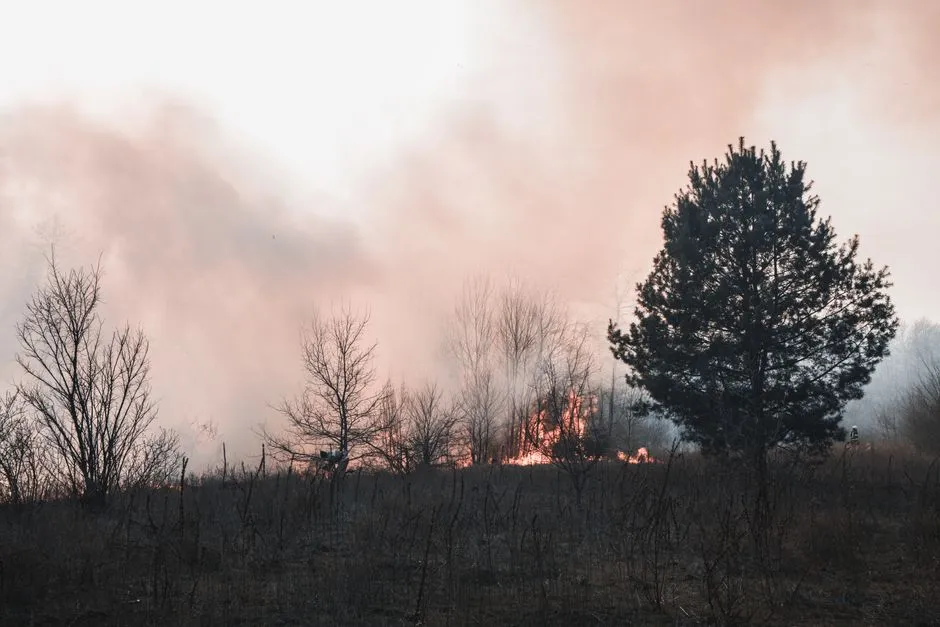
It would be misleading to frame this only as good news. One of the most serious issues associated with wildfire ash is the release of toxic substances, including potentially toxic elements such as arsenic, cadmium, chromium, lead, mercury, and zinc, along with polycyclic aromatic hydrocarbons. These compounds travel alongside nutrients on the same particles.
While wildfire ash has the potential to increase phytoplankton biomass in open ocean by providing both major nutrients and trace metals, fires that originate at the wildland-urban interface contain potentially toxic concentrations of metals such as titanium, chromium, copper, lead, and zinc, especially in coastal areas close to fire sites where ash deposition rates are high.
Wildfire smoke deposition can introduce both fertilizing nutrients such as inorganic nitrogen and iron, and more toxic compounds including dissolved organic matter species like aromatic hydrocarbons, affecting marine trophic levels. The two effects arrive together, inseparable.
A Future With More Fire Means More Airborne Fertilization
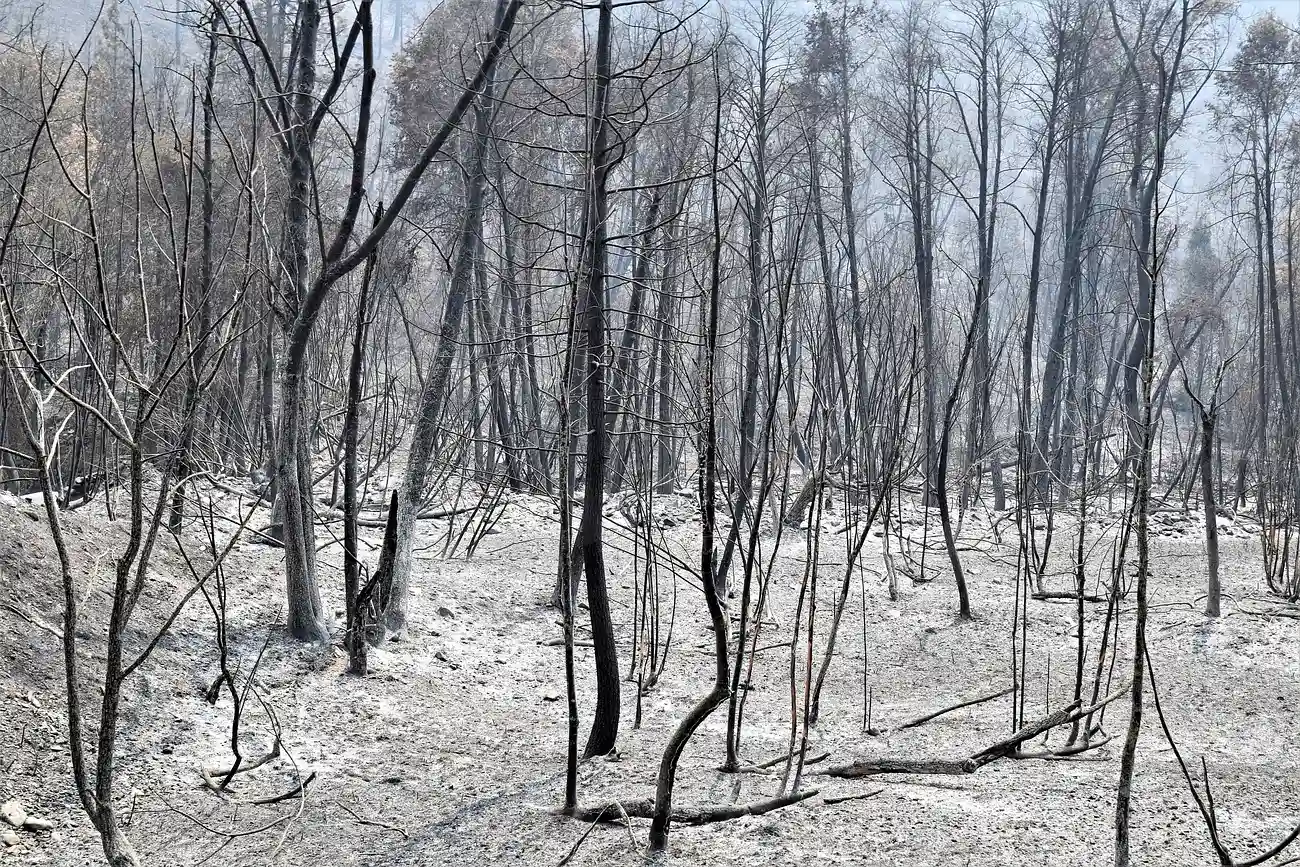
The contribution of fire ash as a nutrient supplier is expected to further increase under almost all future climate scenarios, as increased temperatures and drought frequency intensify fire weather conditions, which in turn escalate the number of fires and their intensities. This is a trend already visible in the data from recent decades.
Elevated levels of carbon dioxide generate a phenomenon known as the CO2 fertilization effect, which accelerates primary biomass production because of the increase in carbon dioxide assimilation by plants. The larger biomass of plants increases their demand for phosphorus and other nutrients to sustain the stoichiometric imbalance caused by CO2 fertilization, making alternative nutrient sources such as fire ash more important.
In a future climate scenario, the foliar nutrient uptake pathway may be even more significant for plants, due to the partial inhibition of key root uptake mechanisms. This suggests plants may increasingly rely on what settles on their leaves from above.
What This Means for Gardeners and Ecosystems Alike
Wildfires are a recurrent disturbance in many ecosystems, and understanding their consequences is essential, as they directly influence soil fertility, erosion risk, and the cycling of nutrients. For gardeners, the implication is quieter but worth sitting with: your soil has likely received mineral inputs you never purchased or applied yourself.
While the long-term impact of fire ash phosphorus reservoirs is well documented, the direct impact of freshly deposited fire ash on plant nutrition has been largely overlooked until recently. Scientists are only beginning to map how this aerial nutrient pipeline interacts with cultivated plants and garden ecosystems in a meaningful way.
Understanding the actual nutritional impact of fire ash on plants becomes even more relevant as wildfires become more frequent and widespread. The ash settling silently on your tomato plants after a smoky summer may be doing something quietly useful, even as the fires that produced it leave devastation hundreds of miles away.
The Takeaway
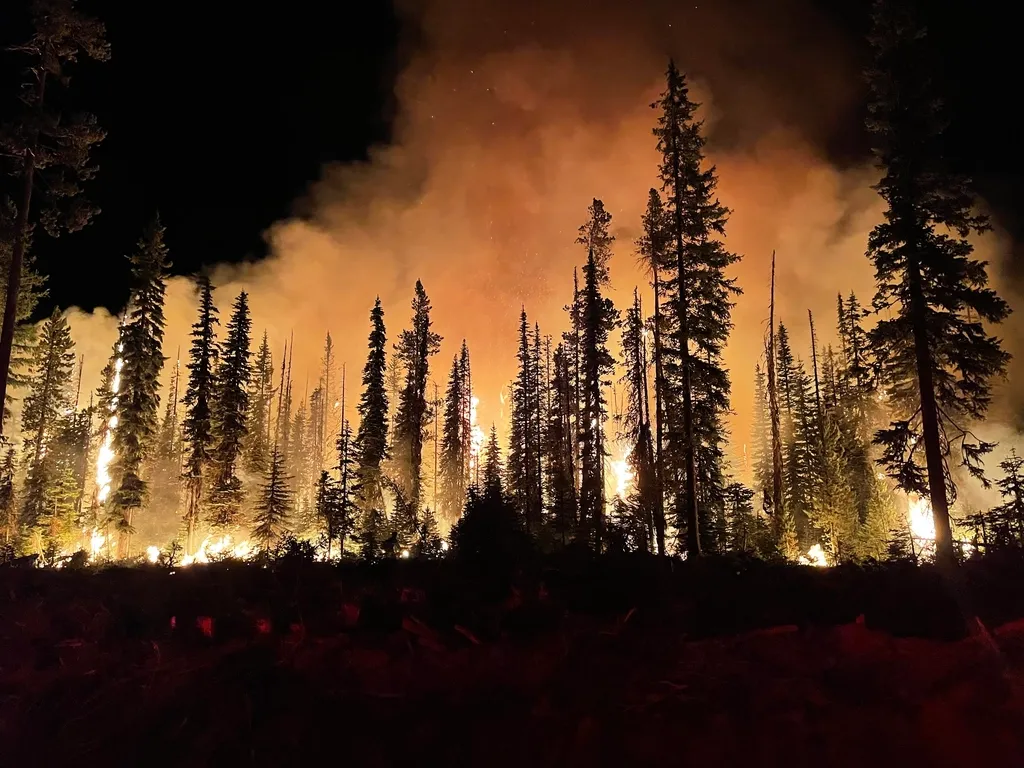
Nature rarely deals in simple stories, and wildfire ash is a fitting example. The same plume that triggers health alerts and paints sunsets orange is also redistributing minerals across entire continents, quietly landing on leaves and topping up soils that would otherwise wait decades for geological replenishment.
The research coming out through 2024 and 2025 makes clear this is a real and measurable phenomenon, not a romantic idea about fire’s role in nature. Plants absorb these nutrients directly through their foliage, the science is confirmed, and the quantities involved are ecologically significant.
What remains harder to untangle is the balance between nutrient gift and toxic load. As fire seasons grow longer and more intense, that question will matter more and more, not just for ecologists, but for anyone who tends a garden beneath a smoky sky.
AI Disclaimer: This article was created with the assistance of AI tools and reviewed by a human editor.