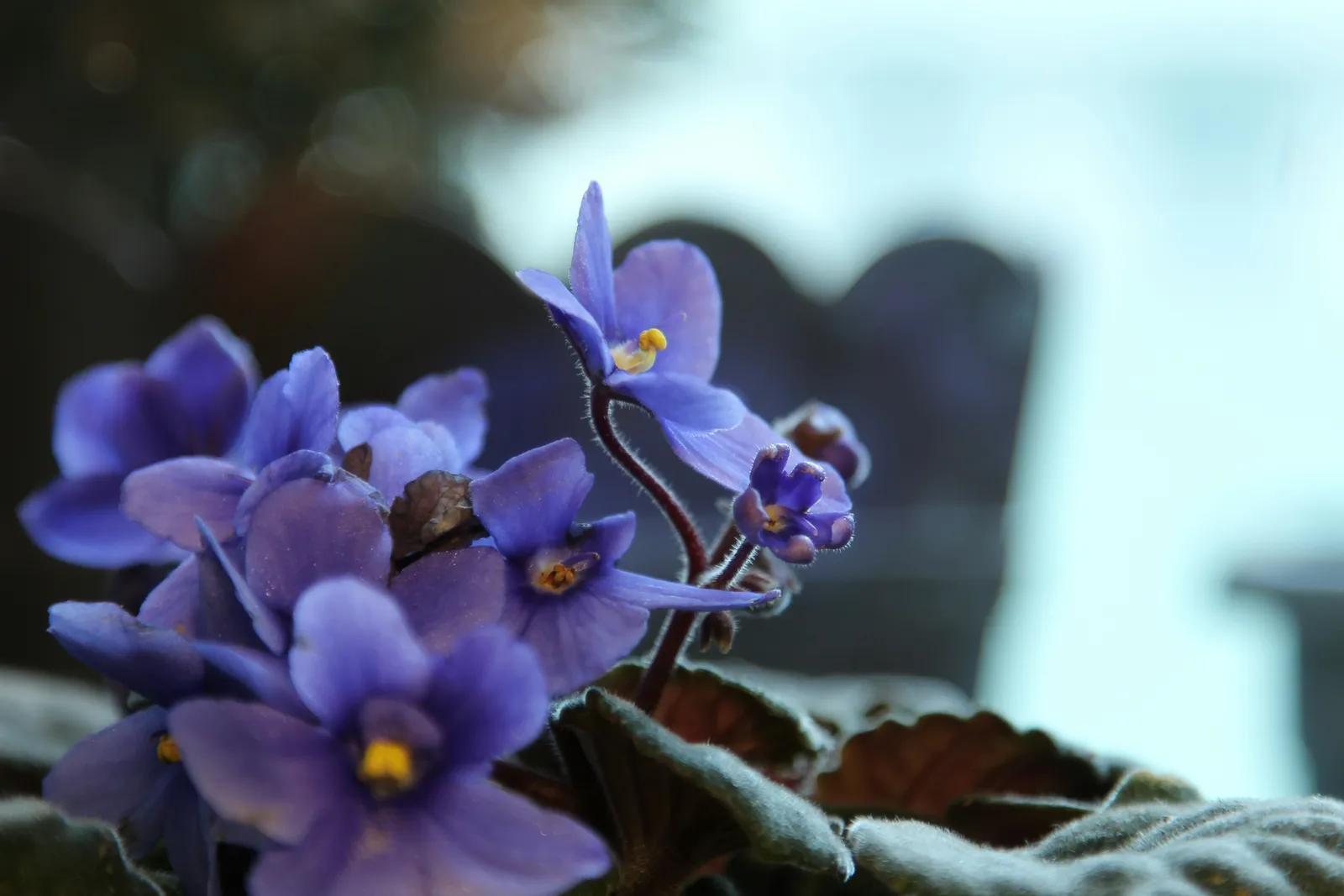

Gardens often favor bold, cultivated flowers that demand attention. Yet wild violets bring a quieter presence that rewards closer notice. These understated plants produce blooms in shades of purple, pink, white, and yellow while supplying edible flowers that add delicate flavor to meals. Their easygoing nature makes them a natural fit for many landscapes.
Appreciating Their Quiet Presence
Wild violets stand apart from flashier garden varieties through restraint rather than spectacle. They thrive in settings where larger plants might overwhelm the space. The result is a soft layer of color that appears without fanfare each season. Gardeners who pause to observe them often find the understated form more satisfying than expected. This approach suits those seeking variety without constant upkeep. The plants integrate smoothly among existing beds or along borders. Their presence encourages a slower pace of appreciation in the garden. Over time, the subtle effect becomes a defining feature rather than an afterthought.
Edible Blooms With Practical Appeal
The flowers themselves extend beyond visual interest. Wild violets produce edible blooms that can be harvested for use in salads, desserts, or as garnishes. The colors translate directly to the plate, offering natural variety in both appearance and taste. Many gardeners discover this quality only after the plants have already established themselves. Incorporating the blooms into cooking requires little extra effort. Fresh petals add a mild sweetness that complements both savory and sweet dishes. This dual role as ornamental and edible plant broadens their value in home gardens. The combination keeps interest high across multiple seasons.
An Easy Addition to Varied Settings
Wild violets adapt readily to different garden conditions. They settle into shaded corners or open areas with minimal intervention. Once established, they continue to return with reliable color and form. This reliability reduces the need for intensive management compared with more demanding species. The plants also contribute to a sense of natural movement within the landscape. Their spread creates gentle drifts rather than rigid patterns. Gardeners appreciate how the effect evolves gradually without requiring redesign each year. The overall result supports a relaxed approach to outdoor spaces.
AI Disclaimer: This article was created with the assistance of AI tools and reviewed by a human editor.