

You press play and feel a small wave of confusion. That voice on the recording doesn’t quite sound like you, yet everyone else insists it does. It’s a nearly universal experience, one that crosses cultures, languages, and professions. The gap between the voice inside your head and the voice that exists in the world turns out to be deeply rooted in physics, anatomy, and psychology.
Understanding why this happens isn’t just a curiosity. It touches on how the brain builds your sense of self, how sound behaves inside the human body, and why professional speakers spend years learning to make peace with their recorded voice. There’s more going on than most people realize.
Your Voice Travels Two Different Paths at Once

When you speak, your ears receive sound in two ways. The first is air conduction, where sound travels through the air into your ears. The second is bone conduction, where the sound of your voice also travels through the bones and tissues of your skull, directly reaching your inner ear.
Those bone vibrations add warmth and lower frequencies, making your voice sound fuller inside your head. This combined effect becomes the version you’ve recognized throughout your life. It’s not a distorted version. It’s simply your version, shaped by the unique structure of your own skull.
What a Microphone Actually Captures

When you listen to a recording of yourself speaking, the bone-conducted pathway that you consider part of your “normal” voice is eliminated, and you hear only the air-conducted component in unfamiliar isolation.
When you hear a recording of your voice, it’s coming only from air conduction. Without the bone conduction component, your voice sounds higher-pitched and less resonant than what you’re used to. A microphone is a faithful device. It’s not making you sound worse. It’s simply capturing what the rest of the world has always heard.
How Bone Conduction Changes the Frequency of Your Voice
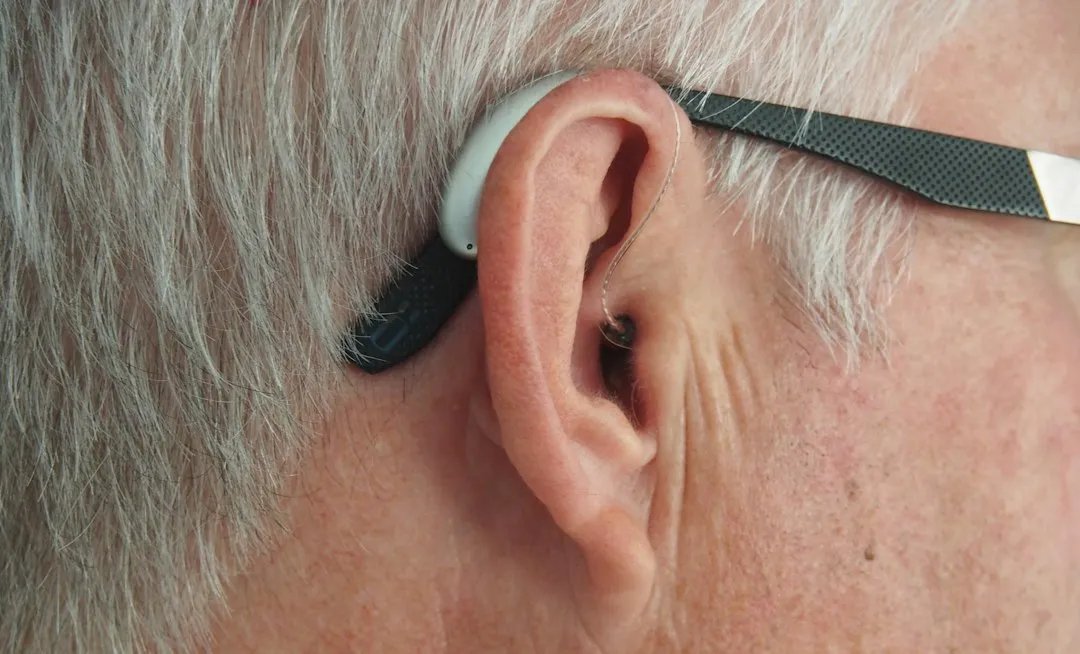
Under natural conditions, one’s spoken voice is transmitted not only through the air, but also through the skull, which alters self-voice perception in two ways. Due to the different sound propagation, bone conduction transforms the sound of our voice, specifically acting as a low-pass filter. Because of this low-frequency emphasis, we hear our voice as lower compared with how it sounds to others.
The inner ear also emphasizes sounds in the 2,000 to 5,000 hertz frequency range, which happen to be the frequencies used in most human speech. This phenomenon, known as the “resonance of the ear,” can cause you to perceive your voice as being louder and lower when you’re speaking than when you’re listening to a recording of yourself.
The Anatomy Behind How Sound Reaches Your Brain
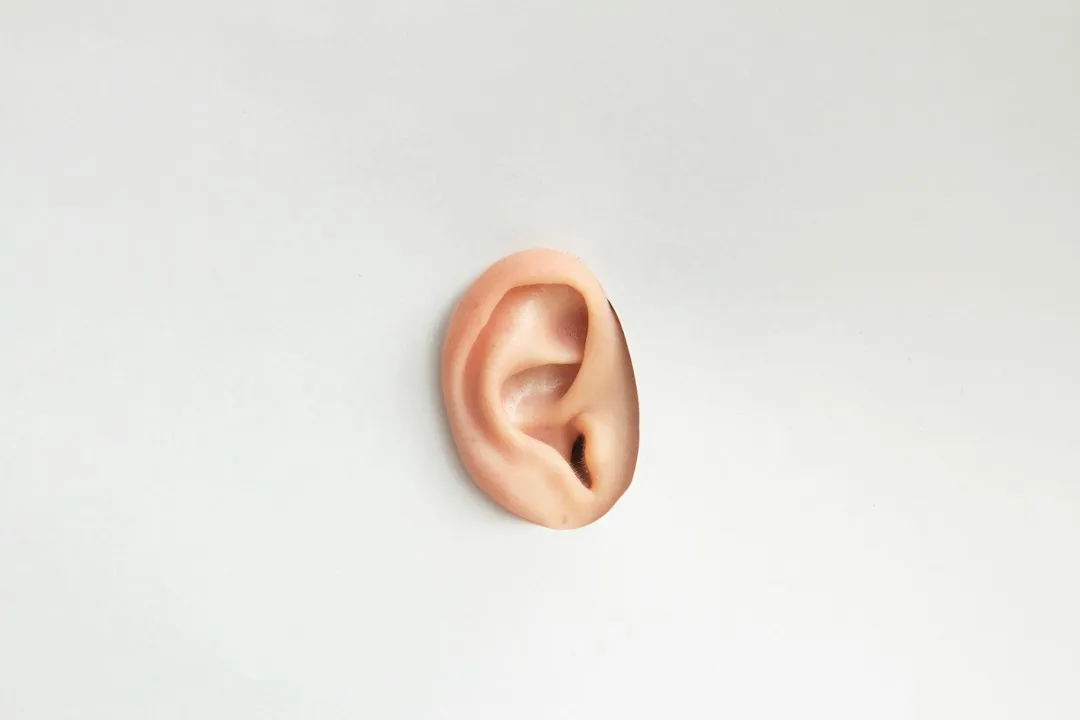
All external sounds reach us in the form of vibrations transmitted through the air. These vibrations enter our ear through the ear canal and cause the eardrum at the end of the canal to vibrate. The vibrations then travel through three bones known as the auditory ossicles, which lie deeper in the ear, and enter the cochlea, an organ shaped like a snail’s shell. The cochlea converts these vibrations into electrical impulses, which are transmitted to the auditory nerve.
For bone-transmitted sound, the vibrations travel through the temporal bone, one of the bones in our skull, directly to the cochlea. This shortcut through solid material carries a richer low-frequency signal, one no microphone in the world will pick up from outside your body.
The Brain’s Role in the Mismatch

The brain also plays a role. When you speak, your brain predicts the sound it expects to hear. Listening to a recording challenges this prediction, which is why the voice can feel unfamiliar or even strange.
Because you hear your own voice constantly through bone conduction, your brain becomes accustomed to that version. When you hear a recording, the difference creates a mismatch between expectation and reality. This mismatch can trigger discomfort because the brain interprets the unfamiliar sound as “not me.” Psychologists refer to this as a perception bias linked to self-identity.
Voice Confrontation: The Psychological Phenomenon
This uncomfortable experience has a name: voice confrontation. It’s the psychological phenomenon where hearing recordings of your own voice triggers discomfort, embarrassment, or even physical cringing. Research shows nearly everyone experiences this to some degree, regardless of culture, age, or profession.
Many people dislike the sound of their voices, especially when listening back to audio recordings. Research has found that disliking the sound of one’s voice is associated with elevated levels of social anxiety. Recordings can also expose subtle paralinguistic elements, such as anxiety, sadness, or unintended emotional inflections, that individuals may not consciously project, leading to a sense of vulnerability or self-criticism.
What Research Says About Bone Conduction and Self-Recognition
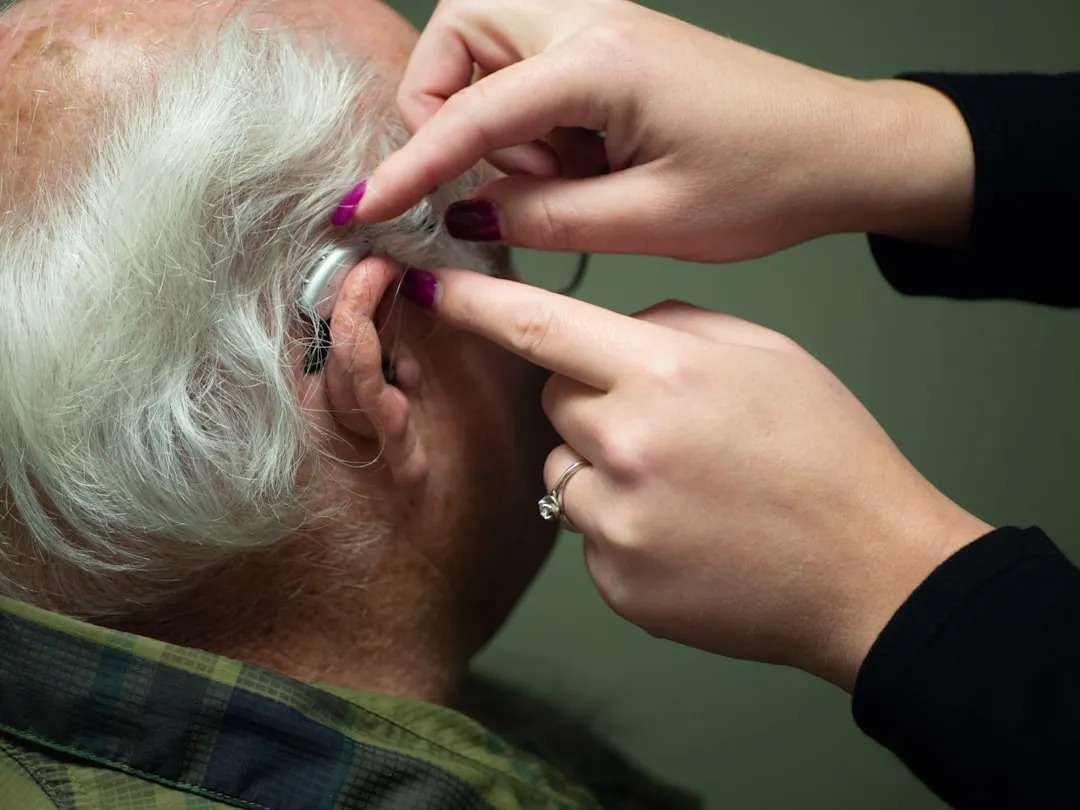
Research published in Royal Society Open Science demonstrated that self-other voice discrimination improved specifically for stimuli presented using bone conduction as compared with air conduction. In other words, bone conduction doesn’t just change how your voice sounds. It actually helps you recognize it as distinctly your own.
Acoustic transformations resulting from bone conduction play an important role in self-voice perception. They might constitute an internal model of what the self-voice should sound like, and thus hearing our voice through bone as opposed to air conduction might better approximate this model. This complexity has made self-voice perception one of the least studied aspects of self-awareness.
Room Acoustics Add Another Layer of Confusion
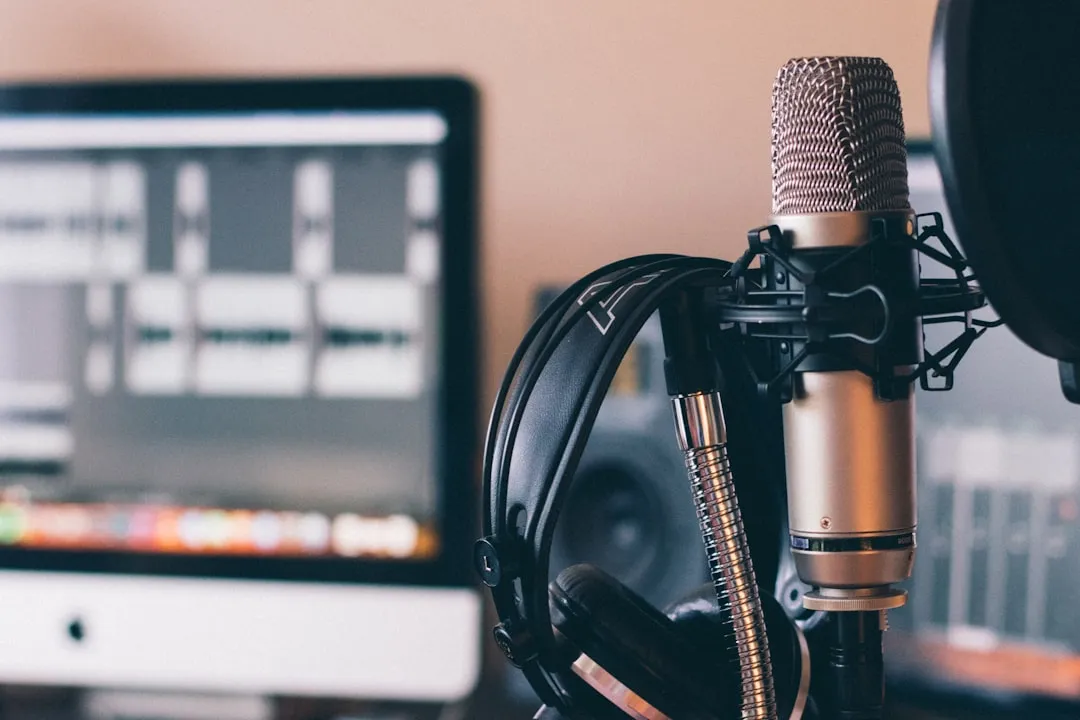
Think about singing in the shower. Bathrooms enhance acoustics, making your voice sound fuller due to resonance and echoes off hard surfaces. This environment boosts confidence, as the combined effects of bone conduction and sound reverberation create an empowering experience.
When you record a performance enjoyed in such an enriching environment, the playback will lack the depth derived from bone conduction, resulting in a flatter sound than expected. The same principle applies to conference rooms, lecture halls, or any space that adds natural reverb. What your ears experience live, and what a recording captures, are genuinely two different acoustic events.
Your Recorded Voice Is Actually the Real One
Although recordings may sound strange to you, they are closer to how other people hear your voice in real life. Microphones capture sound traveling through air, which is the same pathway listeners experience during conversations.
A common misconception is that the way you hear your voice internally is the “real” version. Many people assume it is more accurate due to their familiarity with that perception. However, the blend of air and bone conduction creates a unique auditory experience that recordings cannot replicate. So if anything, it’s the internal version that’s the personal edition, custom-built by your own skeleton.
How Repeated Listening Can Help You Adjust
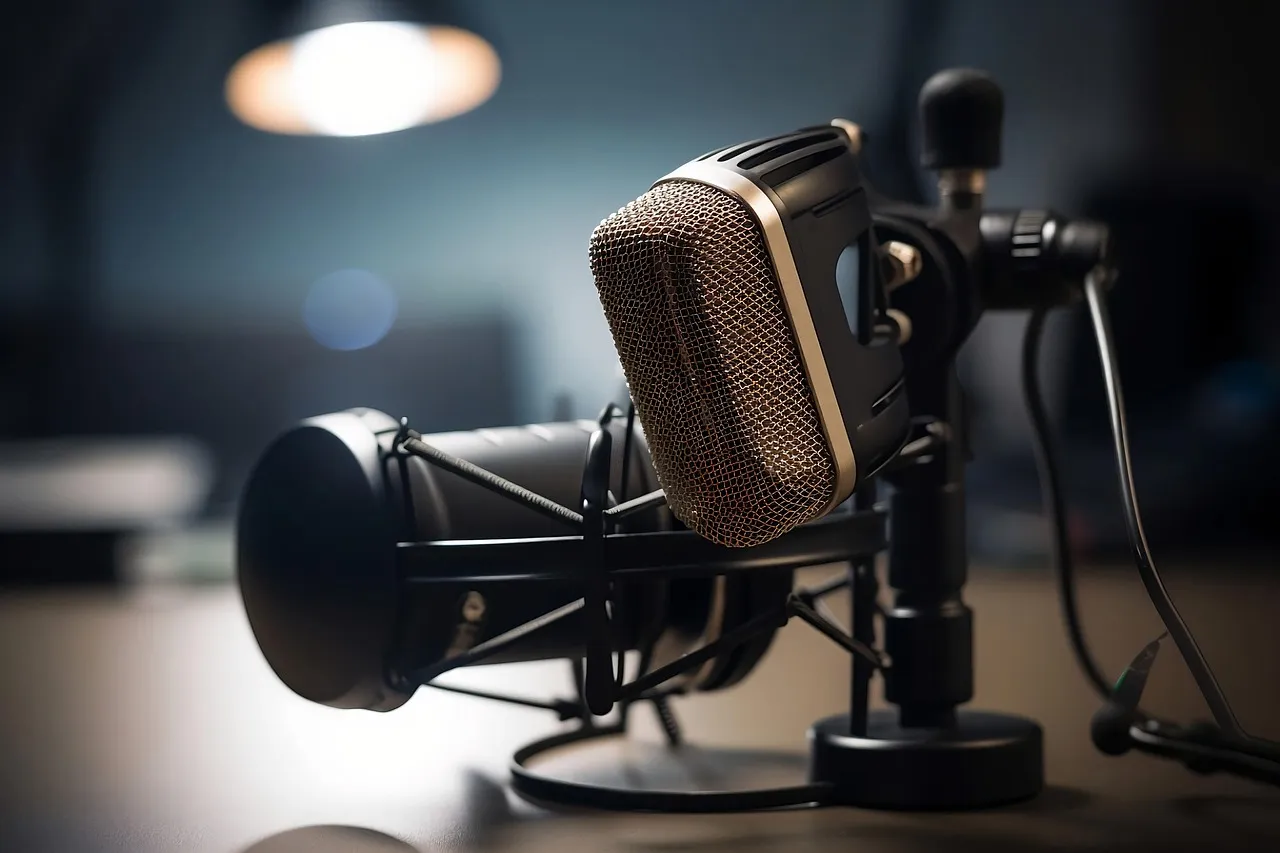
Singers, actors, and speakers regularly listen to recordings of their voice. Over time, their brain adjusts, and they become more comfortable with how they sound to others. This isn’t just anecdotal. It reflects a genuine process of neural adaptation, where familiarity gradually replaces the sense of strangeness.
Repeated listening helps the brain adjust. Podcasters, presenters, singers, and content creators often become comfortable with their recorded voice after hearing it regularly and understanding the science behind sound perception. Improving your recorded voice is often easier than changing your natural speaking style. Small adjustments to your recording setup and delivery can noticeably improve sound quality and make your voice more confident.
A Quiet Observation Worth Keeping

The version of your voice you’ve been hearing your whole life is real, but it’s also private. No one else has ever heard what you hear inside your head. The voice on a recording, strange as it feels, is the one that actually enters the world and connects with other people.
The self-voice plays a fundamental role in communication and identity. As AI-generated and digitally manipulated voices become more common, understanding how individuals perceive and process their own voice is increasingly important. The gap between what you hear and what others hear isn’t a flaw in your perception. It’s simply what it means to be both the speaker and the listener at the same time, a position no one else in any room ever occupies.
AI Disclaimer: This article was created with the assistance of AI tools and reviewed by a human editor.