
The Phenomenon Has a Name: Hyperflashing
Turn signal blinking faster than normal has a proper name: hyperflashing. Under normal conditions, your turn signals blink between 60 and 120 times per minute, and hyperflashing kicks that rate well above that range. It’s not a random glitch. Your car does this on purpose. The rapid blink is a built-in warning system, your vehicle’s way of telling you something is off with the circuit, usually a dead bulb, a bad connection, or an electrical mismatch.
The Most Common Cause: A Burned-Out Bulb
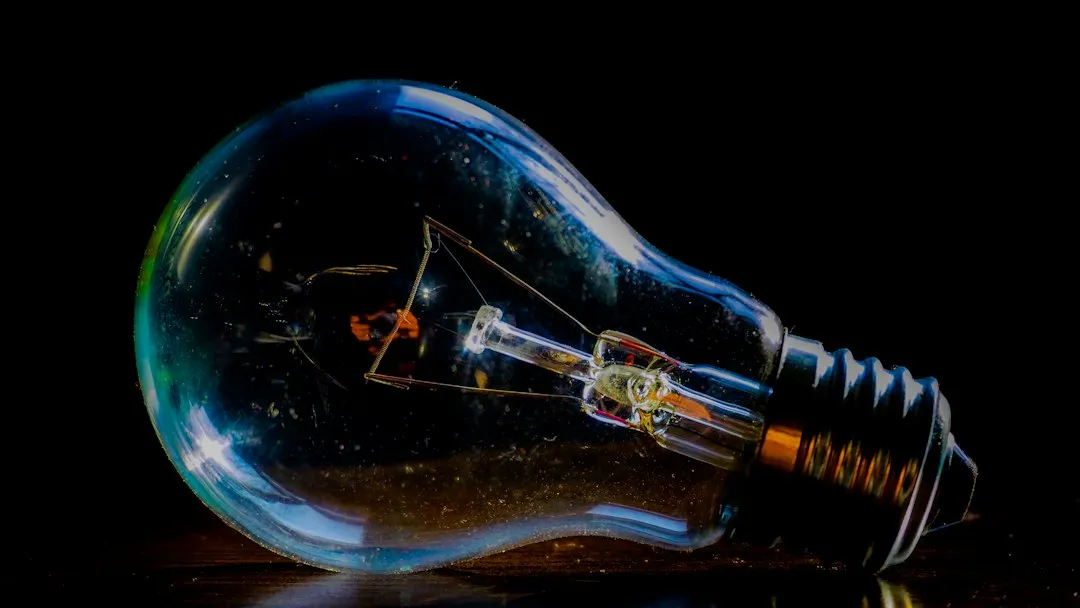
Without a doubt, the most common cause is a burnt light bulb. When any of the turn light bulbs in the circuit burns out or stops working, the flashers will start blinking fast, because turn signals operate in pairs. When the switch is in the left position, both the front and rear left turn signals start blinking. The flasher relay is set up to flash at the correct speed while both bulbs are on and drain a specific amount of current. When one bulb burns out, the amount of current drained changes and causes the relay to flash twice as fast.
To determine which bulb is out, use the signals for both left and right to see which blinks on your dashboard at twice its normal rate. Typically, the corresponding left or right bulb is the culprit.
The Physics Behind the Fast Click
A burned-out bulb makes the turn signals blink faster because it changes the resistance in the electric circuit, and that resistance is what makes the turn-signal flasher unit turn the lights on and off at a given pace. Change the resistance and it changes the pace. A burnt-out bulb reduces the resistance of the circuit by about half, which causes the current to double, in turn making the flasher unit heat up twice as fast.
Your car uses a specific amount of electrical resistance to keep the blinking rhythm steady. When that resistance changes, the flasher relay trips into a fast mode to warn you something is wrong.
A Failing Bulb Can Cause It Too, Not Just a Dead One
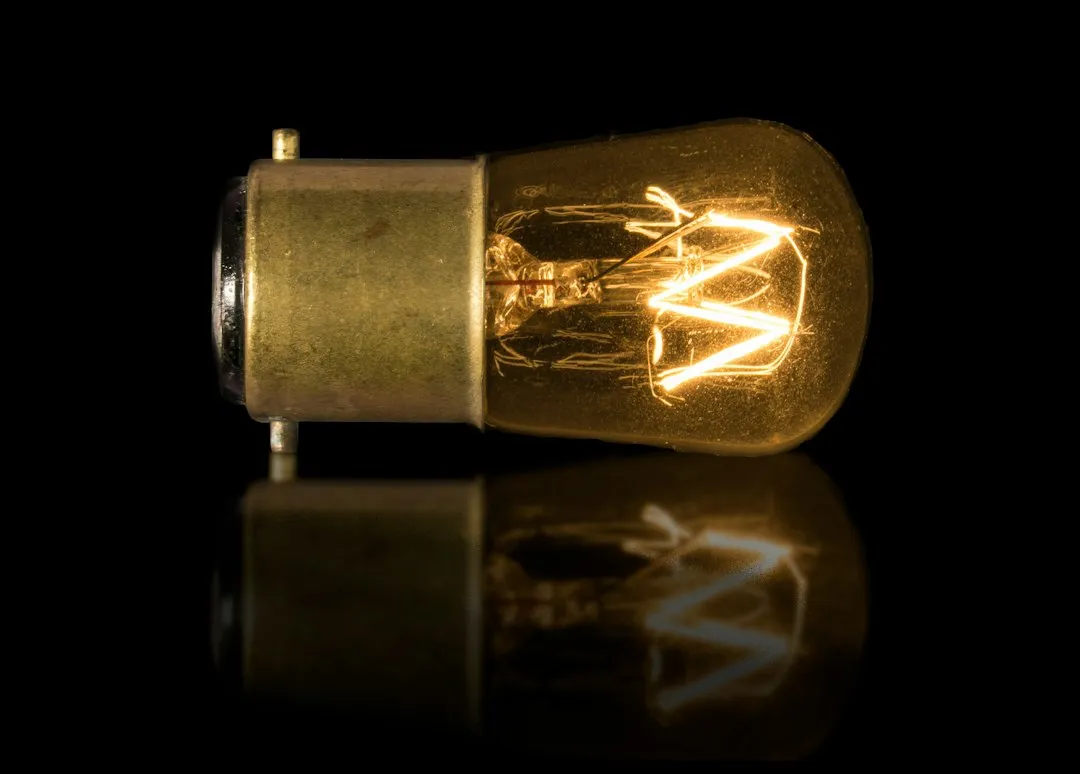
A failing bulb, not just a fully dead one, is also a common culprit. A turn signal bulb that’s going bad can alter the resistance of the circuits, causing different currents to be sent through the blinkers. You get faster blinking once no constant electric current flows through the turning signal. The bulb might not be out entirely, but just dim. Checking whether the light appears faint or inconsistent is worth doing before assuming the bulb has completely failed.
Corroded or Loose Connections
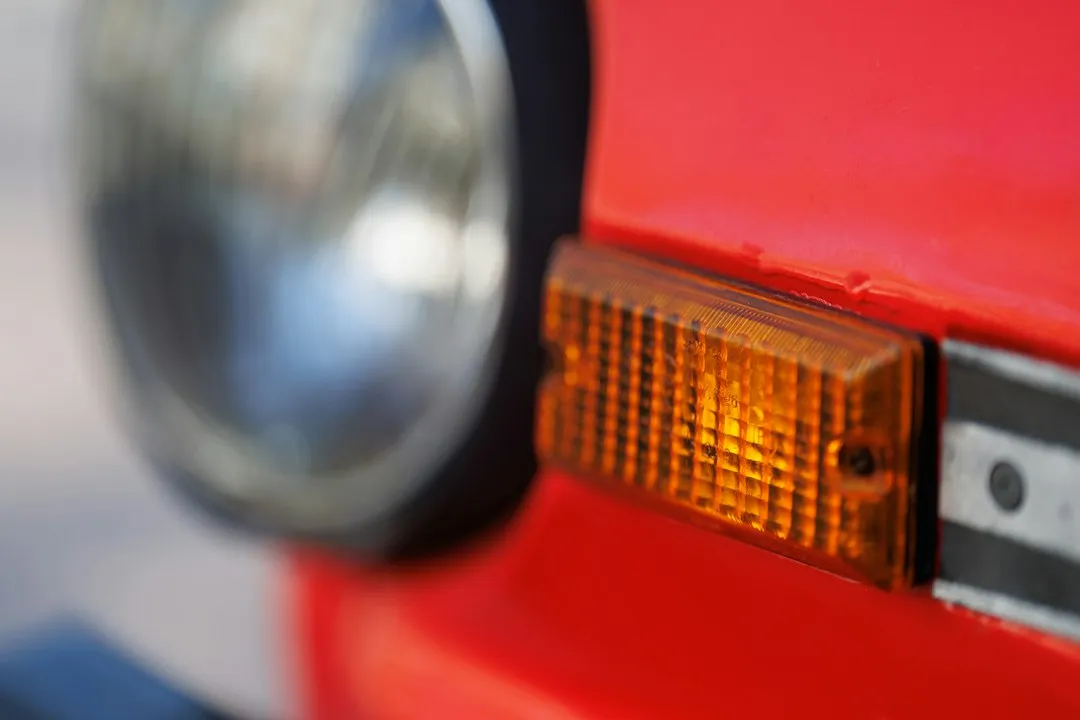
Corroded, worn, or loose connections can also alter the resistance of the current flowing through the system and change the blink speed. Factors like rodents, power wiring, and water contamination can damage these connections. Even a tiny bit of corrosion in the socket can mimic a dead bulb by making it harder for power to move through the circuit.
If the issue is caused by a bad socket, it’s often evident by black carbon tracing on the bulb or inside the socket, or by fuzzy white or pastel-colored corrosion inside. Cleaning the socket with a contact cleaner and installing a fresh bulb often resolves the issue entirely.
A Defective Flasher Relay
A faulty flasher relay or corroded relay pins can cause turn lights to flash faster or slower, and it may also become an intermittent condition. This happens mostly when water reaches the fuse box, causing rust and corrosion to the fuses and relay pins. Water-damaged vehicles are well known for this kind of trouble.
An aging relay or flasher unit can click erratically, stick, or make the signal timing inconsistent even when the bulbs themselves are good. The fuse is usually located alongside the turn signal relay under the hood. If both sides are hyperflashing at the same time, the relay is a more likely suspect than any individual bulb.
LED Upgrades and the Hyperflash Problem
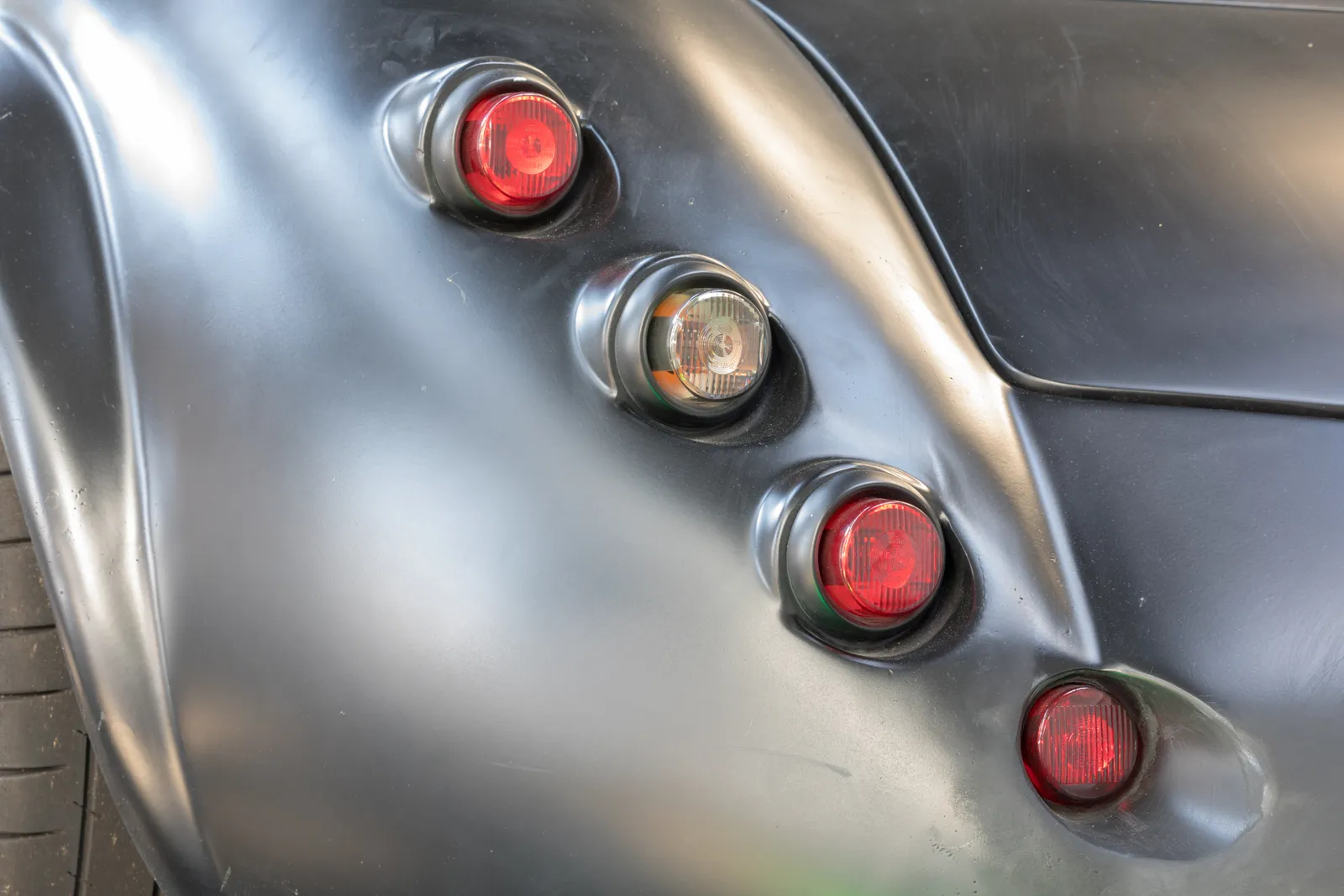
When you install an LED turn signal in a car that did not originally have LEDs, the turn signal will blink much faster than normal. This doesn’t mean there is a problem with your vehicle. It’s just that LED bulbs require less current, so they won’t work properly with the flasher module. Upgrading from incandescent turn signal bulbs to LEDs uses less energy, but the resistance is typically far lower, and it effectively confuses the relay or module that controls the flash, causing it to blink faster.
Most older cars are not compatible with LED lights and can trigger hyperflashing. Even on some newer vehicles, the system interprets the reduced current draw as a failed bulb and responds accordingly.
How the Body Control Module Fits In
In BCM and CAN bus-controlled vehicles, common in mid-2000s cars and newer, there is no separate flasher to swap. The BCM sets the flash rate and monitors for bulb outages. The lower resistance or load from an LED tricks the Body Control Module into thinking a bulb is burned out, so LED turn signals will blink twice as fast.
Many modern cars use Pulse Width Modulation to control the bulbs and monitor their status through the CAN bus. The BCM sends short pulses of voltage and measures the current rise time. If the LED’s response doesn’t match the expected profile, the module flags a fault and triggers hyperflashing as the result.
The Fixes: From Simple to Technical
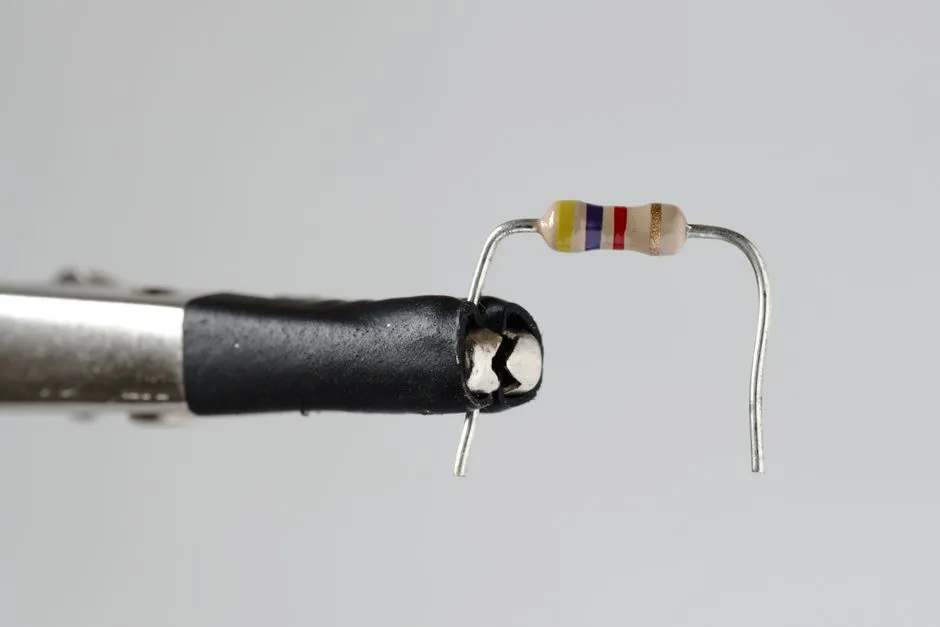
A load resistor adds electrical resistance to mimic the original incandescent bulb, tricking the flasher module into thinking everything operates normally. A load resistor can run well above 150 degrees Celsius surface temperature when turn signals or hazards are active. If not treated properly as a heat source, it can scorch insulation, soften housings, or fail intermittently, bringing hyperflash back.
For newer vehicles, software is the cleanest fix. You modify the BCM parameters to either disable bulb outage detection or adjust the current threshold to accept LED draw levels. Ford owners can use FORScan, and Dodge and RAM owners can use AlfaOBD. This approach carries very low technical risk but requires the right software and some patience.
When to Act and When It Becomes a Legal Matter

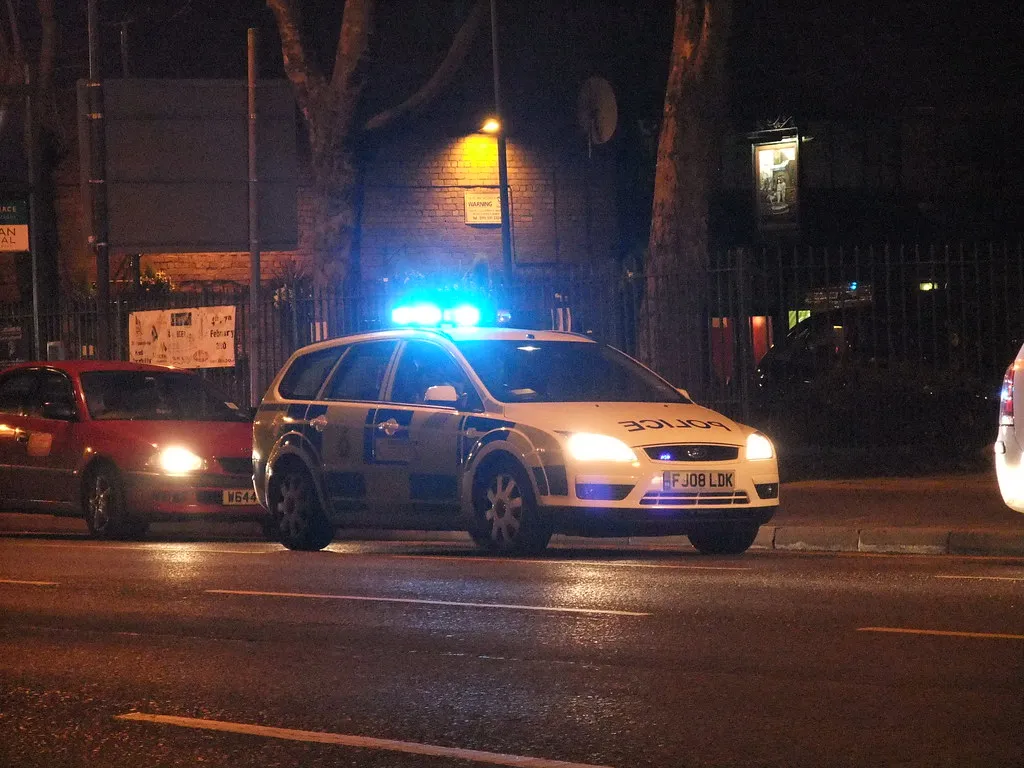
Leaving the problem unsolved could lead to the complete failure of your turning signal and serious safety issues. Police can see the fast blinking as well and hand you a ticket for a blown turn signal, especially if it is in the rear. A malfunctioning turn signal isn’t just an annoyance. In most jurisdictions, it’s a citable equipment violation.
Sometimes, a fast-blinking turn signal will coincide with other electrical symptoms like dim interior lights or flickering dashboard lights. This can be a sign of an electrical malfunction somewhere in the vehicle, or symptoms of either a faulty alternator or faulty battery. If the hyperflashing comes with other warning signs, it’s worth having the full electrical system checked.
Final Thoughts
The double-speed clicking of a turn signal is one of those small car problems that’s easy to dismiss right up until it isn’t. Most of the time, it’s a five-minute fix: find the dead bulb, replace it, done. Other times it points to something deeper in the wiring or the vehicle’s control systems, especially on newer cars with sophisticated bulb-monitoring software.
Either way, the rapid click is doing exactly what it was designed to do: getting your attention before a minor fault becomes a bigger one. Worth listening to.
AI Disclaimer: This article was created with the assistance of AI tools and reviewed by a human editor.