
The “Ghost Flush”: What Plumbers Actually Call This
Ghost flushing occurs when your toilet flushes by itself without anyone pressing the flush lever. This happens when water slowly leaks from the toilet tank into the toilet bowl through a faulty flapper valve. The tank gradually loses water until the level drops enough to trigger the refill mechanism, producing that unmistakable sound.
The sound is distinct: a sudden rush of water that lasts 15 to 30 seconds, then stops, and repeats on its own every few minutes to every hour depending on how fast the flapper is leaking. Many homeowners first notice it at night when the house is quiet.
Why It Happens More at Night
Slow leaks take time to drop the tank water level enough to trigger the fill valve. You notice it more at night because the house is quiet and municipal water pressure often increases when neighborhood usage drops.
Small changes in temperature can also cause an aging rubber flapper to slightly warp, making an existing leak seem intermittent rather than constant. So the problem isn’t new at midnight. It’s just finally quiet enough for you to hear it.
The Flapper Valve: The Most Likely Culprit
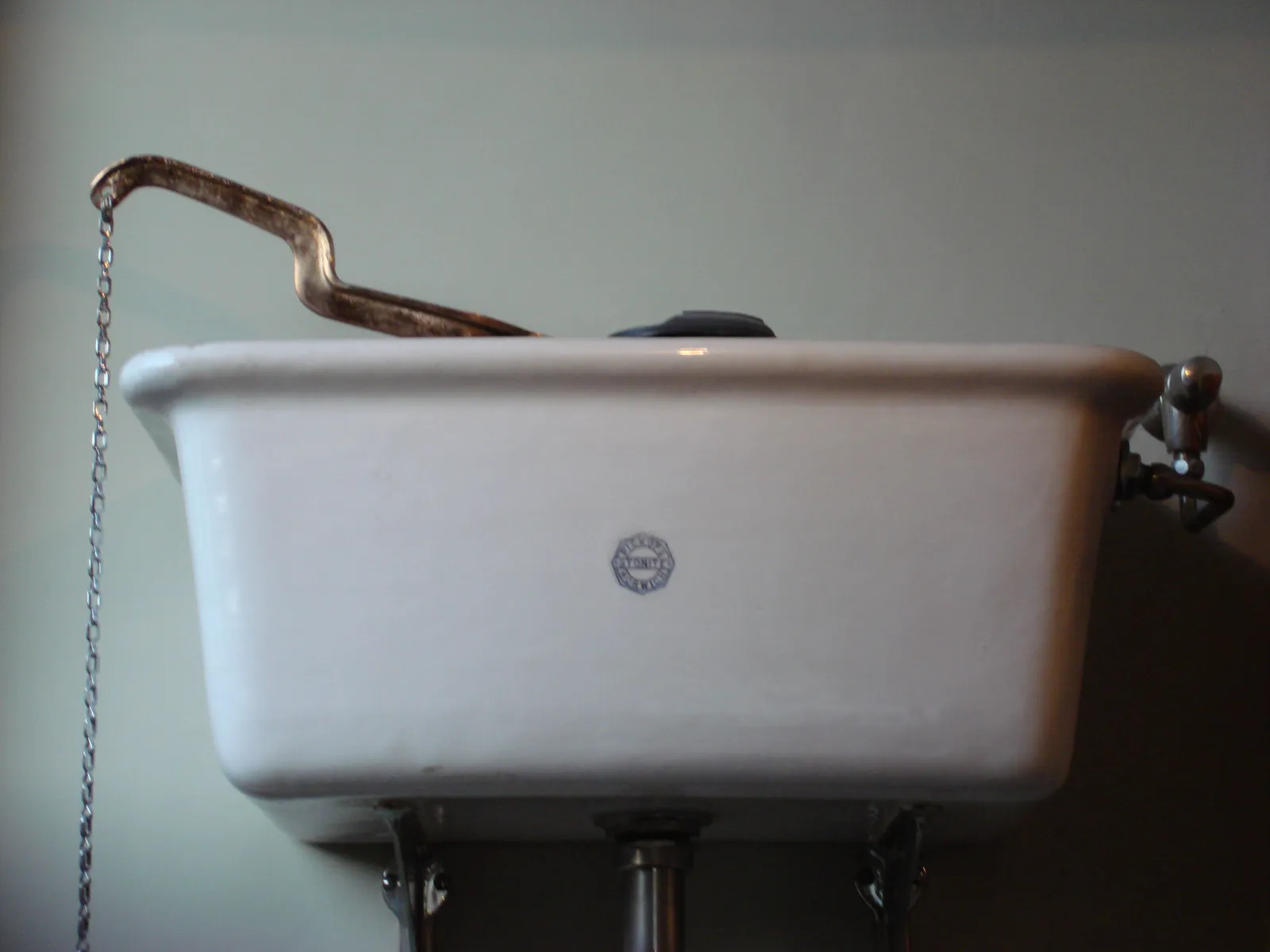
The main cause of toilets flushing by themselves is often a bad toilet flapper valve. This valve seals the tank, stopping water from flowing into the bowl. If it gets damaged or clogged with minerals, it can’t seal properly, leading to leaks and unwanted flushing.
The most common cause of a ghost flushing incident is a worn-out toilet flapper that no longer creates a tight seal. Over time, mineral deposits and general wear can cause the flapper to warp or degrade, letting water seep past it and eventually leading to those mysterious midnight flushes.
How Long Does a Flapper Actually Last?
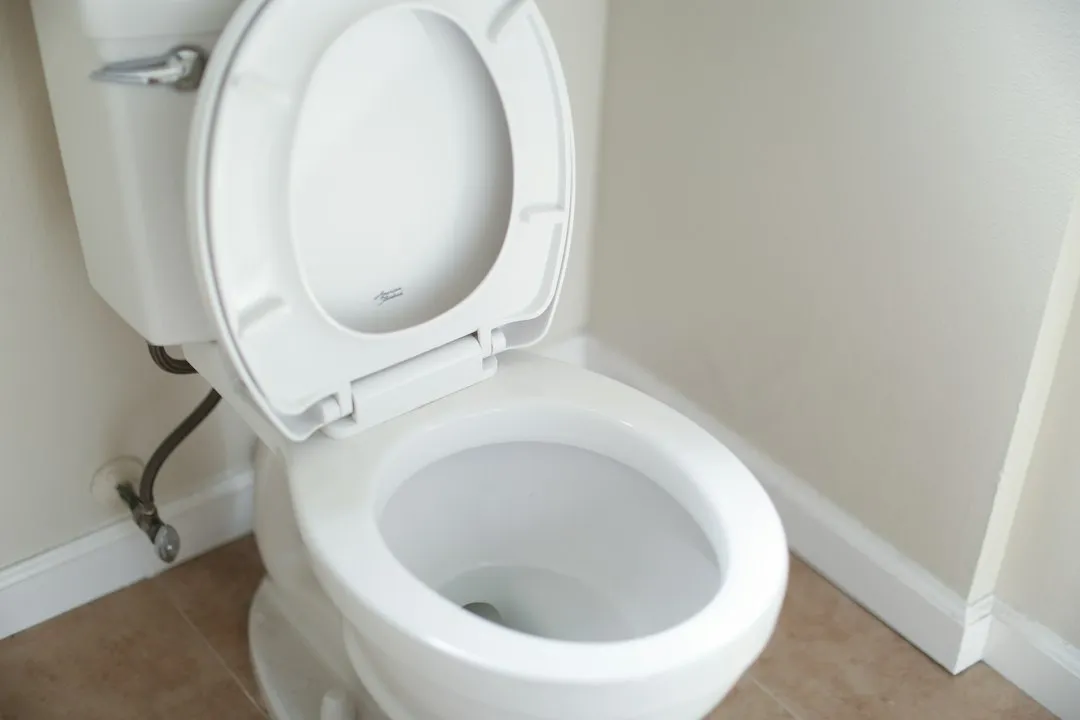
Toilet flappers usually last for about 3 to 5 years, but the lifespan can vary depending on factors such as the quality of the flapper, the water quality, and the frequency of use. Most homeowners never think to replace this part proactively, which is exactly why so many toilets eventually start running on their own.
Chemical tank cleaners and hard water mineral deposits can deteriorate your flapper faster, sometimes causing failure within a year of regular use. The constant chemical exposure from municipal water, and especially from in-tank bleach tablets, is what hardens a flapper, makes it brittle, and leaves the telltale black residue on your fingers when you touch a failing one.
Other Tank Parts That Can Trigger Phantom Flushes
Other common culprits include a rough or damaged flush valve seat, a refill tube inserted into the overflow (siphoning water), a hissing fill valve, or a water line set too high and spilling into the overflow tube. Each of these creates a slightly different symptom, but all eventually produce the same nighttime refill sound.
Another common cause of toilet leaks is when the float arm is not set properly, which causes water to constantly flow down the overflow/refill tube. Checking the float adjustment is a smart second step if replacing the flapper alone doesn’t stop the problem.
The Dye Test: A Two-Minute Diagnosis
You can identify toilet leaks by placing a drop of food coloring in the toilet tank. If any color shows up in the bowl after 10 minutes, you have a leak. Be sure to flush immediately after the experiment to avoid staining the tank.
You can wait 15 to 30 minutes without flushing. If color shows up in the bowl, water is leaking from the tank into the bowl. It’s a simple, zero-cost test that removes all guesswork before you buy any parts.
How Much Water Your Toilet Is Actually Wasting
According to the U.S. EPA WaterSense program, a leaking toilet can waste up to 200 gallons of water per day. That number can feel abstract until you consider that it adds up to around 6,000 gallons per month for a single toilet.
A toilet that constantly leaks could waste around eight gallons of water an hour or 200 gallons a day. If left unnoticed, a running toilet could lead to water loss of 6,000 gallons a month or 72,000 a year. The water bill consequences aren’t subtle for long.
Ten percent of homes in the United States have leaks that waste 90 gallons or more per day. A ghost-flushing toilet is often one of those invisible culprits sitting quietly behind a closed bathroom door.
The National Scale of the Problem
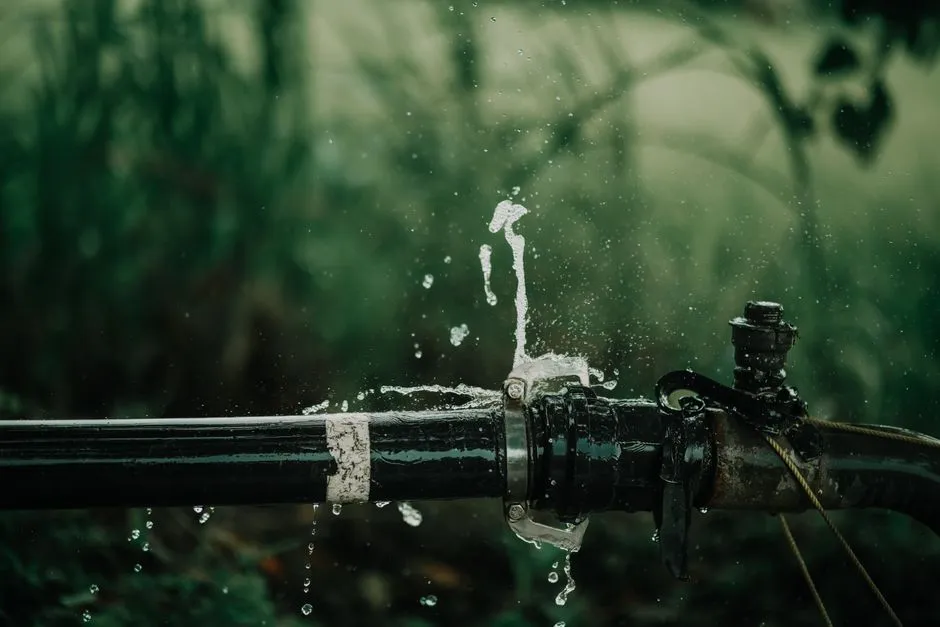
The U.S. Environmental Protection Agency (EPA) estimates that American households waste an average of 10,000 gallons of water annually through leaks. Leaking toilets are among the most common sources of water waste.
Household leaks waste nearly 1 trillion gallons of water nationwide each year. Many start as small plumbing problems inside the home but can grow into major water problems if left unaddressed. A running toilet alone can waste thousands of gallons a day. The EPA’s Fix a Leak Week campaign, which ran again in March 2026, was created specifically to put a spotlight on preventable losses like these.
Fixing It: What the Repair Actually Involves
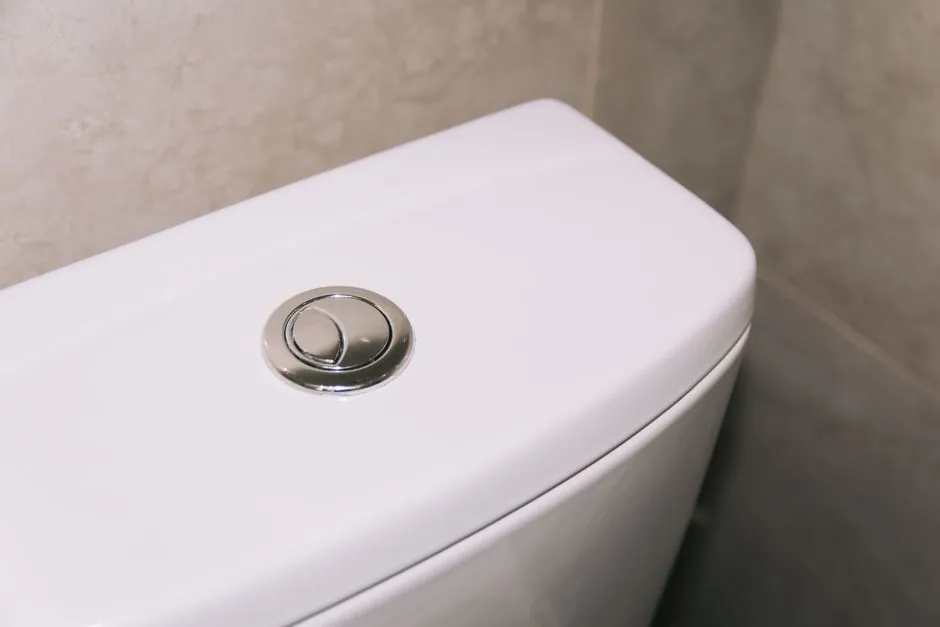
In most homes the cause is a worn flapper, and the fix costs under $15. The fix in most cases is a flapper replacement, a simple repair that takes less than 30 minutes. You don’t need a plumber for this one.
To stop a running toilet, check for a faulty flapper or flush valve seal and replace it if necessary. Ensure the float is set to the correct water level, and inspect the fill valve for any issues. Most hardware stores carry universal flappers for just a few dollars, and matching the right size is typically straightforward.
If you hear a loud whistle or the toilet refills more often at night, test home water pressure with a gauge hooked to an outdoor spigot. The typical target is about 40 to 60 psi. Pressure that runs too high can accelerate wear on all internal toilet parts, not just the flapper.
When to Call a Plumber Instead
There are situations where you’ll want a professional. If you’ve tried replacing parts and still hear phantom flushes, if the flush valve is cracked, or if there’s water damage, mold, or dampness near the toilet base, it’s time to call a plumber.
Early leak detection and promptly making any needed repairs are critical for property owners. Smaller, often silent, toilet leaks may waste roughly 30 gallons of water per day; however, more significant leaks may cause losses of several gallons per minute. Aside from wasting water and driving up utility expenses, leaking toilets may also cause property damage. What starts as a nuisance sound at 2 a.m. can eventually become a much costlier conversation.
The Takeaway
A self-flushing toilet is almost never a mystery. It’s a small rubber seal quietly failing in the dark, draining water by the gallon while you try to sleep. The good news is that it’s one of the most fixable household problems there is.
Run the dye test first. If color seeps into the bowl, replace the flapper. A plumber-completed flapper and flush valve seat service resolves the waste at a cost that typically pays for itself in reduced water bills within the first billing cycle. Whether you do it yourself or bring in help, acting quickly is what separates a minor inconvenience from a significant water bill surprise.
AI Disclaimer: This article was created with the assistance of AI tools and reviewed by a human editor.