

How Teeth Actually Sense Cold
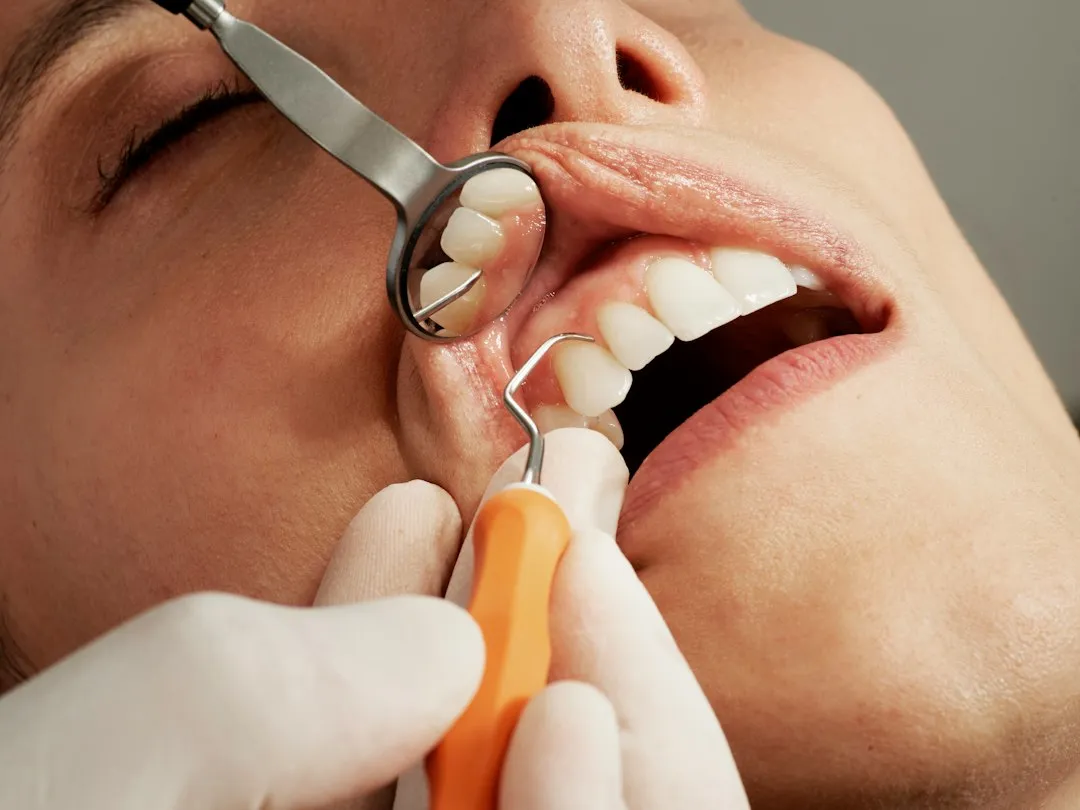
For a long time, scientists weren’t entirely sure how teeth detect cold at the cellular level. Researchers have now identified the mechanism: tooth cells called odontoblasts contain cold-sensitive proteins that detect temperature drops, as reported in the journal Science Advances. Signals from these cells can ultimately trigger a jolt of pain to the brain.
Tiny canals inside the teeth also contain fluid that moves when the temperature changes, and nerves can sense the direction of this movement, which signals whether a tooth is experiencing heat or cold. So your teeth aren’t just passively sitting there – they’re actively monitoring temperature. That’s remarkable, and also the reason a blast of winter air can feel so startling.
The Enamel Contraction Effect
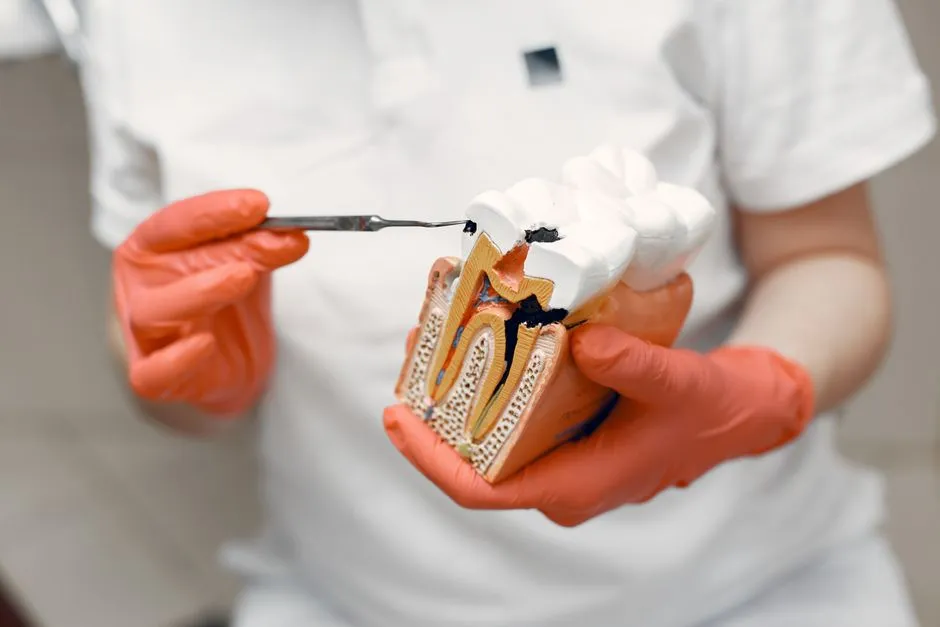
The phenomenon of teeth hurting more in cold weather is primarily due to the contraction and expansion of teeth in response to extreme temperature changes, and this contraction can expose the dentin, the sensitive layer beneath the tooth enamel, leading to sharp pains or aching sensations.
When exposed to cold air, the outer layer of your tooth, the enamel, contracts. If you then come inside to a warm room or drink hot tea, the enamel expands again. Over time, this constant expansion and contraction can cause tiny, microscopic cracks in the enamel. While usually harmless, these so-called craze lines can sometimes deepen, exposing the sensitive layer underneath called dentine.
The Role of Dentin and Nerve Pathways
Dentine is filled with microscopic tubes that lead directly to the tooth’s nerve, and when cold air hits exposed dentine, it sends a sharp signal of pain straight to the nerve. This pathway is the core reason why cold sensitivity can feel so instant and jarring – it’s essentially a direct line to the nerve center.
Tooth sensitivity happens when the inner layers of your teeth are exposed or irritated. While the outer enamel is designed to protect your teeth, it isn’t indestructible. Beneath that enamel is dentin, which contains tiny channels leading directly to the nerves inside your tooth. When those channels are uncovered, even mild temperature changes become painful.
Cold Is the Most Common Trigger by Far

In clinical research examining patients with periodontitis, “cold” was the most commonly reported sensitivity stimulus, affecting nearly two thirds of the study sample. That finding places cold well ahead of other common triggers like pressure, heat, or sweet foods. It’s a meaningful distinction because it explains why winter, specifically, tends to bring a noticeable spike in dental discomfort.
A comparative study examined how quickly temperature changes reach different layers of a tooth, using six different temperature sources ranging from very extreme cold to very extreme heat. Researchers concluded that introducing a stimulus that was a large temperature difference from the tooth’s normal temperature resulted in a larger and faster effect inside the tooth. The sharper the temperature drop, the faster the nerve fires.
Gum Recession Makes Everything Worse
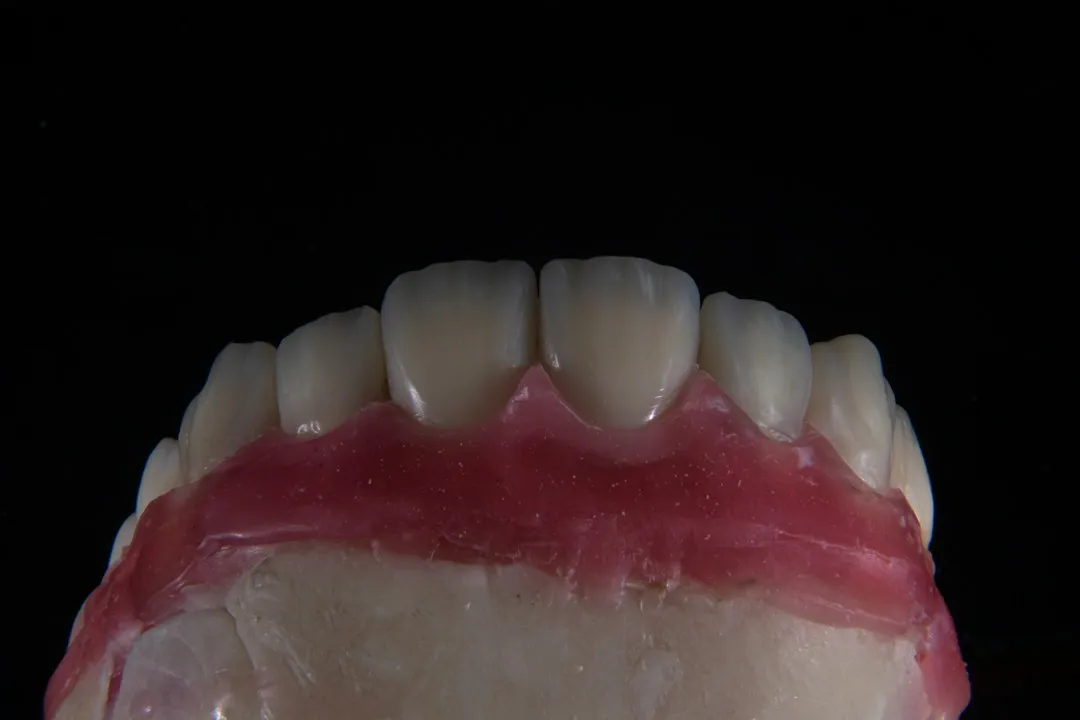
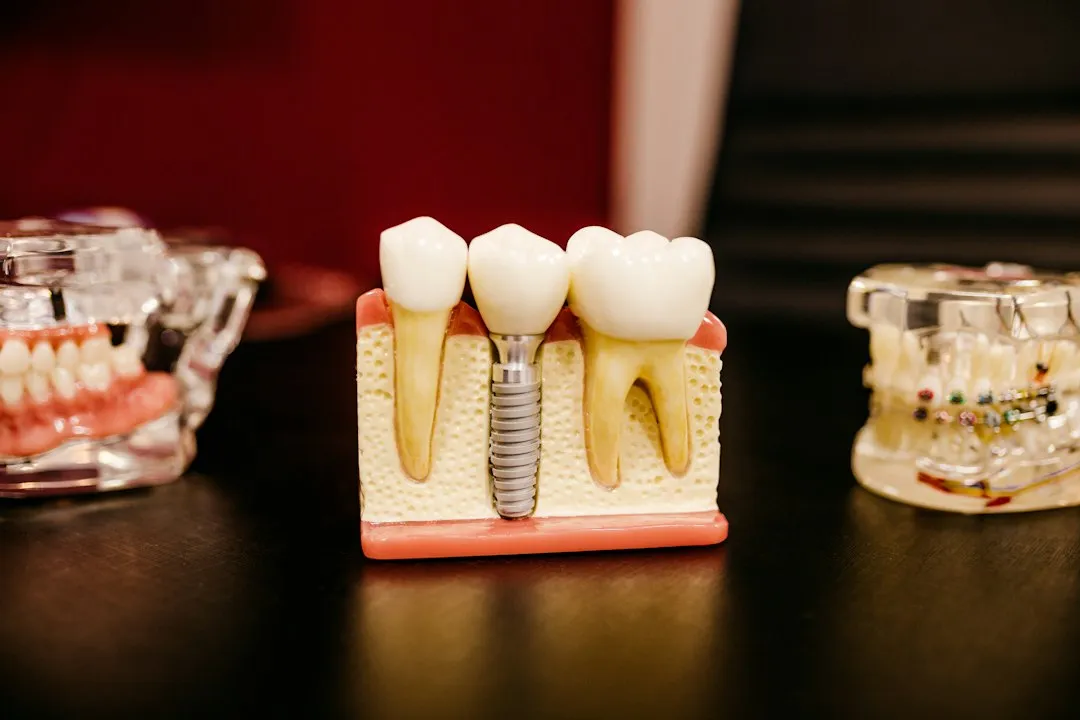
The most common cause of tooth sensitivity is the exposure of the tooth roots, which typically happens when the gums recede. This can occur naturally with age or due to factors like aggressive brushing, periodontal disease, or teeth grinding. The roots of your teeth are not covered by enamel like the rest of the tooth. Instead, they are covered by a sensitive layer of tissue that is vulnerable to temperature changes. When you are exposed to cold air or consume a cold beverage, the unprotected tooth roots react, causing a sharp, sudden pain.
Research shows that cold sensitivity was markedly higher in patients with more advanced periodontitis, and gum recession amplified this cold sensitivity by nearly forty percent. That’s a significant increase, and it underscores why gum health directly affects how well you tolerate winter temperatures.
Dry Winter Air Reduces Saliva Protection

Dry winter air adds to the problem by reducing saliva, which normally helps protect teeth by washing away bacteria and neutralizing acids. This reduction in saliva’s buffering action leaves teeth more exposed and reactive to cold stimuli. It’s a compounding effect that many people don’t think about.
Cold air, combined with heated indoor environments, often reduces saliva production. Saliva is crucial for neutralizing acids and protecting enamel. Less saliva means teeth are more vulnerable to sensitivity and decay. The combination of outdoor cold and dry indoor heat creates a cycle that can erode natural tooth defenses throughout the entire winter season.
Mouth Breathing in Cold Weather

For many people, mouth breathing becomes more common in colder weather, especially during outdoor activities, and this allows cold air to flow directly over the teeth, intensifying sensitivity and making winter conditions feel especially uncomfortable. Athletes who run or cycle outdoors in winter often notice this more than most.
Cold air can also reach sensitive parts of the tooth more easily when enamel is worn or gums have receded. Even simple activities like talking or breathing outdoors may expose nerves to sudden temperature shifts, triggering discomfort. In other words, you don’t need to eat ice cream to provoke cold sensitivity in winter. Simply going for a walk can do it.
Bruxism and Enamel Wear
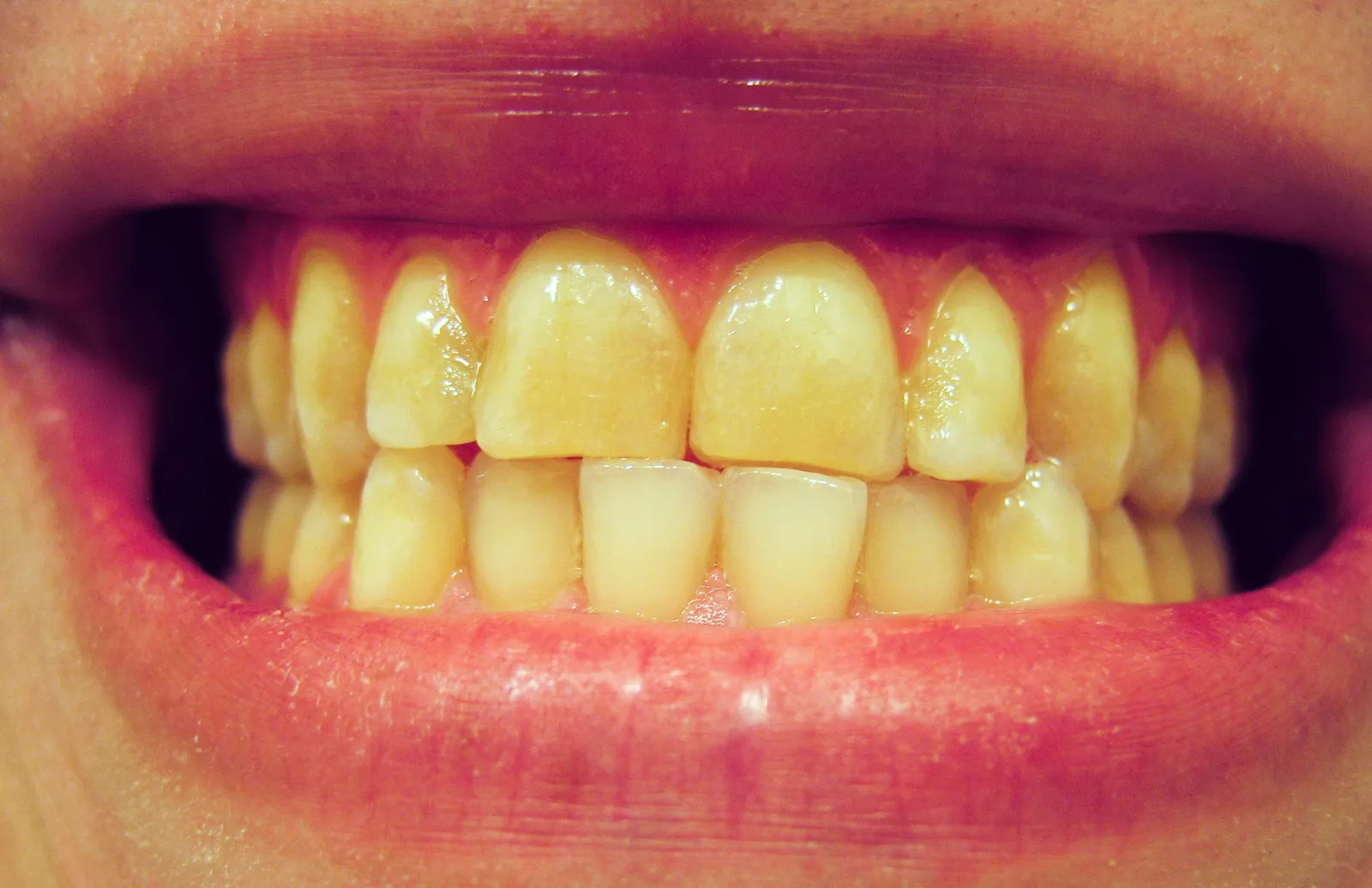
Teeth grinding, also known as bruxism, wears down the enamel, exposing dentin and leading to sensitivity, particularly on biting surfaces. Winter months can actually intensify grinding in some people, since stress and disrupted sleep patterns tend to increase during the colder, darker months. The result is enamel that’s progressively thinner and more vulnerable.
Tooth enamel is the hard outer layer that protects your teeth. Over time, it can wear down due to brushing too hard, acidic foods, and teeth grinding. Once enamel becomes thin, cold temperatures can easily irritate the nerves. This is one situation where the underlying problem predates winter, but the season makes it unmistakable.
Sinus Pressure and Mistaken Tooth Pain

Seasonal colds or sinus congestion can sometimes mimic tooth pain. The nerves in your upper teeth are closely connected to the sinuses, so pressure changes can feel like toothaches even without cavities or other dental issues. This is more common than people expect, and it can lead to unnecessary worry about dental problems that don’t actually exist.
When you have a cold or sinus infection, your sinuses get blocked or inflamed. Since sinuses are located close to your upper back teeth, the pressure from the sinuses can cause tooth pain that feels like sensitivity, especially to cold. Once your cold or sinus infection improves, the tooth pain usually goes away. It’s worth keeping that in mind before panicking about a sudden toothache in the middle of flu season.
When It Could Signal Something More Serious
Winter tooth sensitivity is common and typically does not signal a serious problem, but understanding why it happens can be reassuring and can help you recognize when it’s worth mentioning at your next dental visit. The key distinction is duration and intensity. Brief sensitivity that fades in seconds is very different from persistent or worsening pain.
While most winter tooth sensitivity is temporary, persistent or severe discomfort could indicate cavities, cracked teeth, gum disease or recession, or tooth enamel erosion. Occasional sensitivity is common, but persistent pain may signal a larger dental issue that warrants professional attention. Cold weather doesn’t cause these problems directly – but it pulls back the curtain on them.
Practical Ways to Reduce Winter Tooth Ache

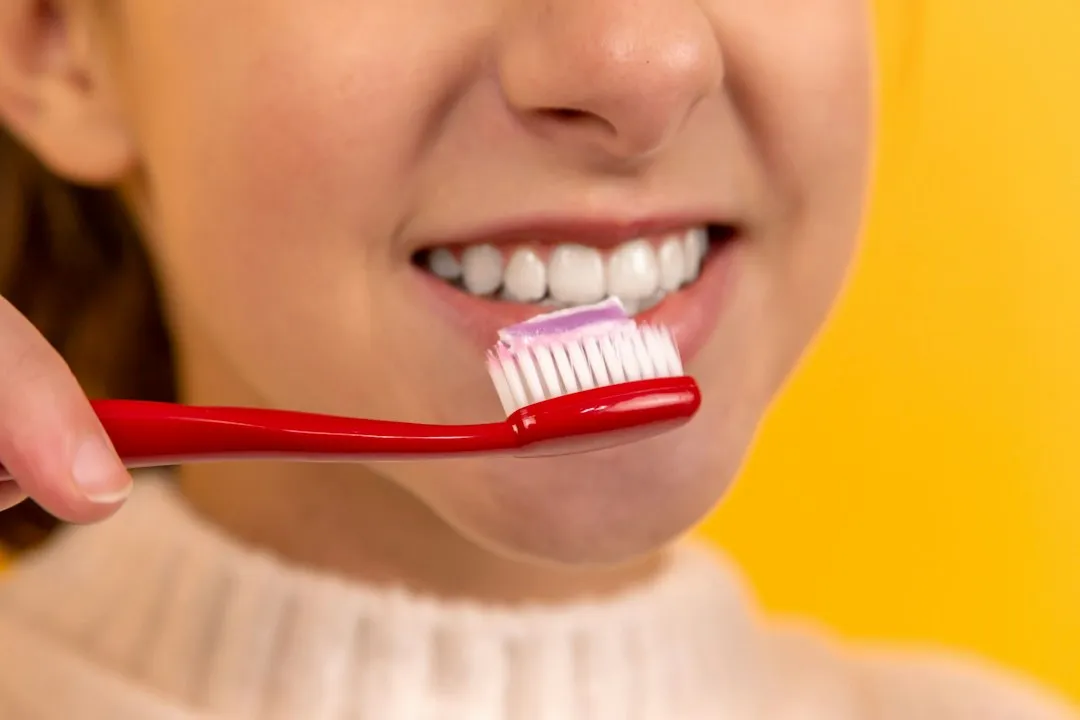
Managing tooth sensitivity in winter involves using a soft-bristled brush, switching to toothpaste for sensitive teeth, limiting acidic foods, protecting your teeth from cold air, and visiting your dentist if discomfort persists. Covering your mouth with a scarf when going outside is a simple and surprisingly effective physical barrier against cold air reaching your teeth directly.
Roughly 2.4 billion people – about a third of the world’s population – have untreated cavities in permanent teeth, which can cause intense pain, including extreme cold sensitivity. Addressing underlying dental issues before winter arrives is the most reliable way to keep your teeth comfortable through the colder months. Prevention is genuinely more effective than managing pain after it starts.
The Takeaway

Cold weather doesn’t damage healthy teeth on its own. What it does is expose weaknesses that already exist – thin enamel, receding gums, microscopic cracks, untreated decay – and make them impossible to ignore. The science is now clear: your teeth have dedicated cold-sensing cells, thermal contraction is real, and the nerve pathways involved are direct and fast.
If every winter brings the same ache, that pattern is worth discussing with a dentist. In many cases, simple changes to oral hygiene habits, the right toothpaste, and a routine checkup are enough to make the cold season considerably easier on your teeth. The ache is a signal, not a sentence.
AI Disclaimer: This article was created with the assistance of AI tools and reviewed by a human editor.