

Rainwater Is a Solvent Before It Reaches You

Water is known as an excellent solvent, meaning it dissolves substances easily. As rainwater falls and moves through soil, rock, rivers, reservoirs, and underground aquifers, it naturally picks up minerals and compounds from everything it contacts. That journey begins well before it reaches any treatment plant.
Some of the most common dissolved minerals include calcium, magnesium, sodium, potassium, and bicarbonates, and these minerals affect both flavor and mouthfeel. A heavy rain effectively reshuffles those mineral concentrations in ways your taste buds can pick up on almost immediately.
Runoff Carries Organic Material Into Your Water Source
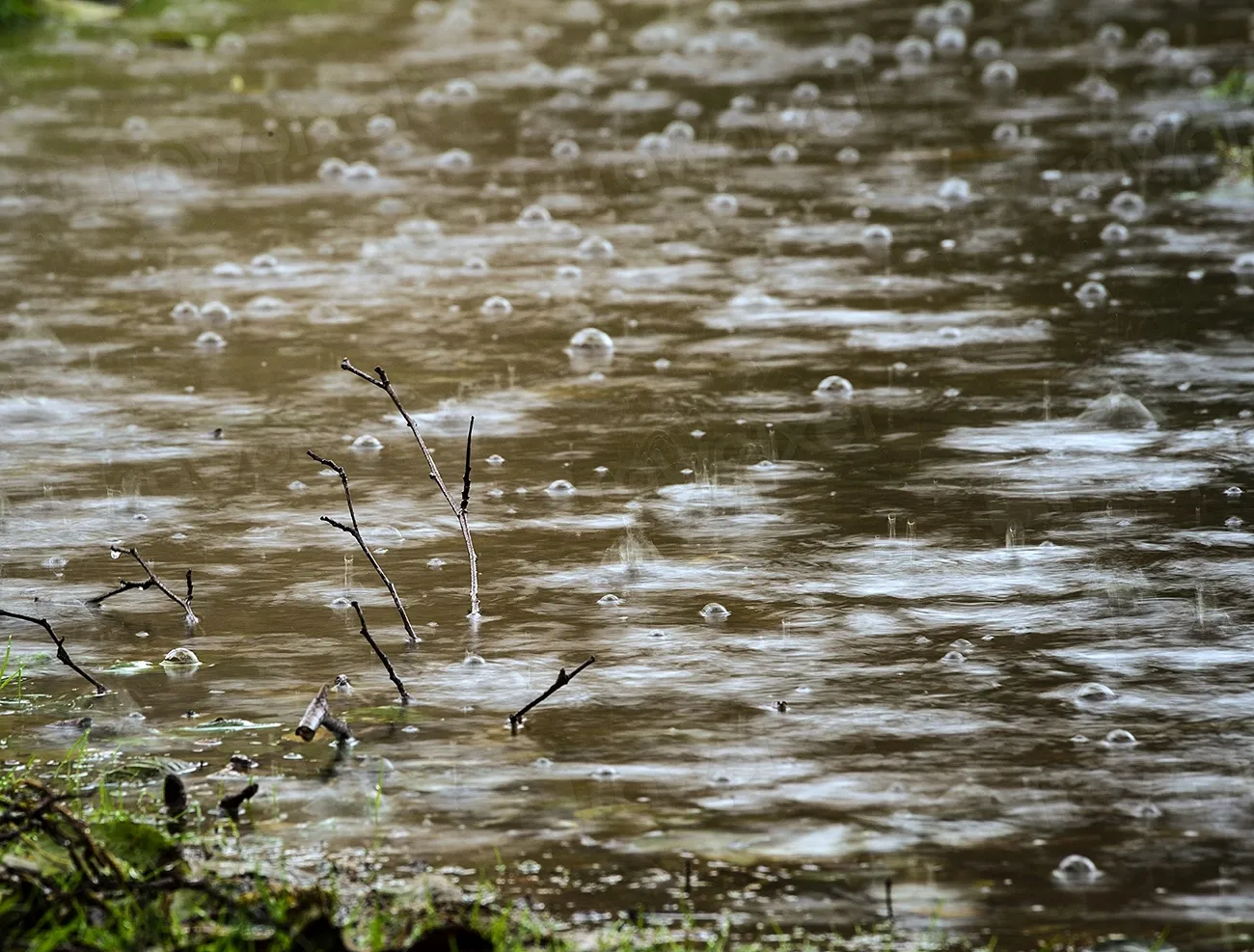
Rain moves across roofs, lawns, roads, soil, and drainage areas before it reaches creeks, reservoirs, shallow groundwater, or low spots near a well. That movement can change the amount of sediment and organic material a water system has to handle.
Rainfall washes organic material, sediment, and naturally occurring minerals into lakes, rivers, and aquifers. In areas where surface water plays a role in regional supply, this runoff can subtly shift water chemistry before treatment even begins. The taste shift you notice at the tap can trace its origin all the way back to the storm drain on your street corner.
Meet Geosmin: The Compound Behind That Earthy Smell

One of the most common organic compounds driving that post-rain taste is geosmin, which gives off an earthy taste or smell, and it’s the same compound that causes the fresh earthy smell after it rains. It’s that distinctive scent you’ve noticed rising off warm pavement or damp soil after a shower.
Geosmin is produced by several classes of microbes, including cyanobacteria, actinobacteria, and Streptomyces, and is released when these microbes die. Humans are biologically hardwired to detect this compound at extremely low levels, at around 15 parts per trillion. That sensitivity is ancient and built in. It likely evolved to help us identify damp or potentially contaminated environments.
Algae Blooms Play a Central Role
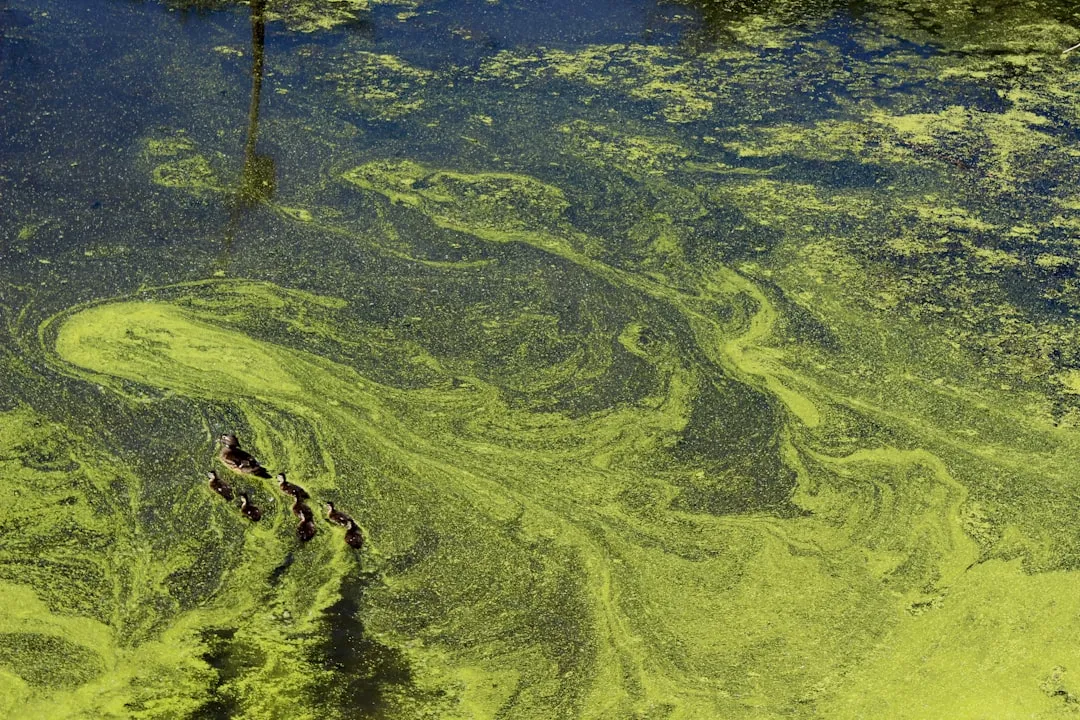
Taste and odor in drinking water are among the most common and most frustrating consumer issues water utilities face. They are caused by geosmin and MIB, natural compounds produced by algae in source water reservoirs, and they are notoriously difficult to fully remove once they enter the treatment system.
Lakes often see an increase in naturally occurring reactions such as algae blooms when there is warmth and direct sunlight, and occasionally sudden changes in temperature and rainfall can also initiate these types of events. A 2024 American Water Works Association report flagged taste-and-odor events as one of the top three customer complaints for surface-water utilities, with reservoir-fed systems getting hit hardest from April through September.
Your Water Treatment Plant Responds to the Storm

With increased runoff, utilities may try to offset the effects by temporarily boosting disinfectant levels to manage higher bacteria loads. However, although chlorine and chloramine are effective, they can affect taste and odor when concentrations change.
Treatment methods can vary depending on season, source water conditions, and local utility needs, which means taste can change throughout the year. That is why water may taste different after heavy rain, during drought periods, or when local systems adjust treatment processes. In other words, the very effort to keep your water safe after a storm can also be what you’re tasting.
The Turbidity Problem: When Rain Stirs Up Sediment
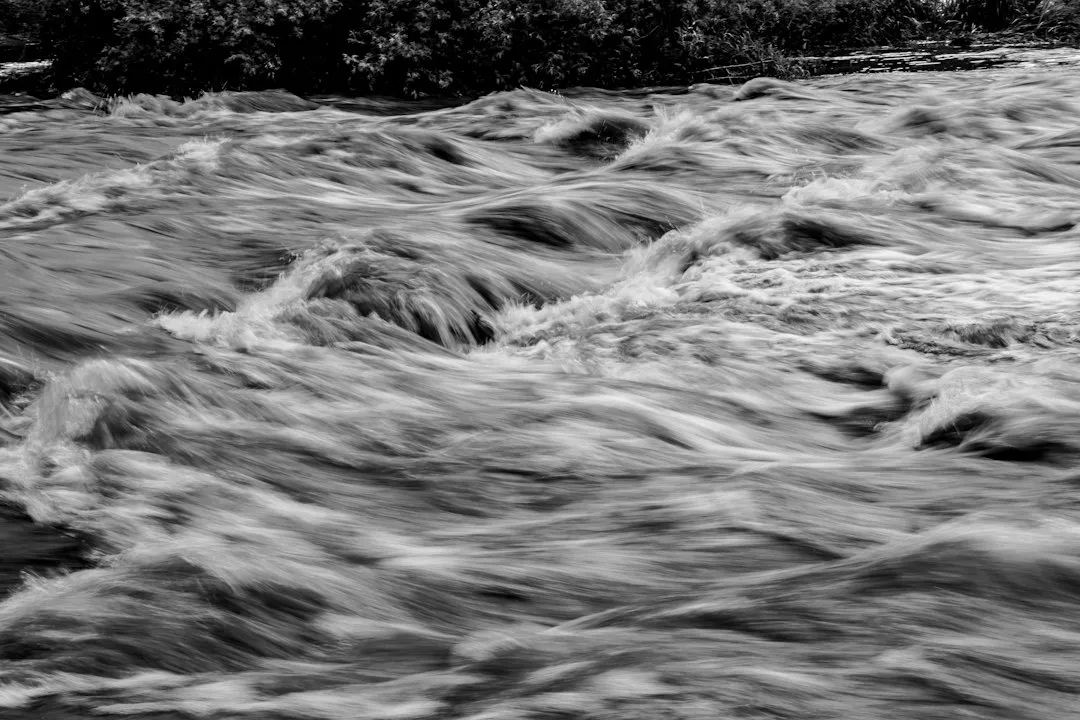
Heavy rains can excavate soil, clay, and organic substances, which can make your water appear cloudy or give it an earthy taste. Turbidity, the cloudiness in water caused by suspended particles, is one of the most visible signs that rainfall has disrupted a water system.
Rainfall and runoff increase during wetter months, carrying organic material into reservoirs and rivers, and this can subtly alter water flavor. Treatment plants work hard to filter that material out, but in the window right after a heavy storm, some of that altered chemistry can still find its way through.
Mineral Levels Shift After Every Downpour
Rainwater can change the soil’s mineral composition and the aquifer’s, which can lead to changes in taste. For instance, increased iron or sulfur content in the soil can cause the water to have a metallic or rotten egg-like scent.
Minerals in water such as calcium, magnesium, and sodium are not harmful, but they strongly influence taste. The concentration of these minerals can change depending on water source levels, rainfall, and seasonal supply shifts. This is why two taps in different regions, or even the same tap at different times of year, can produce water that tastes noticeably different.
Well Water Is Especially Vulnerable
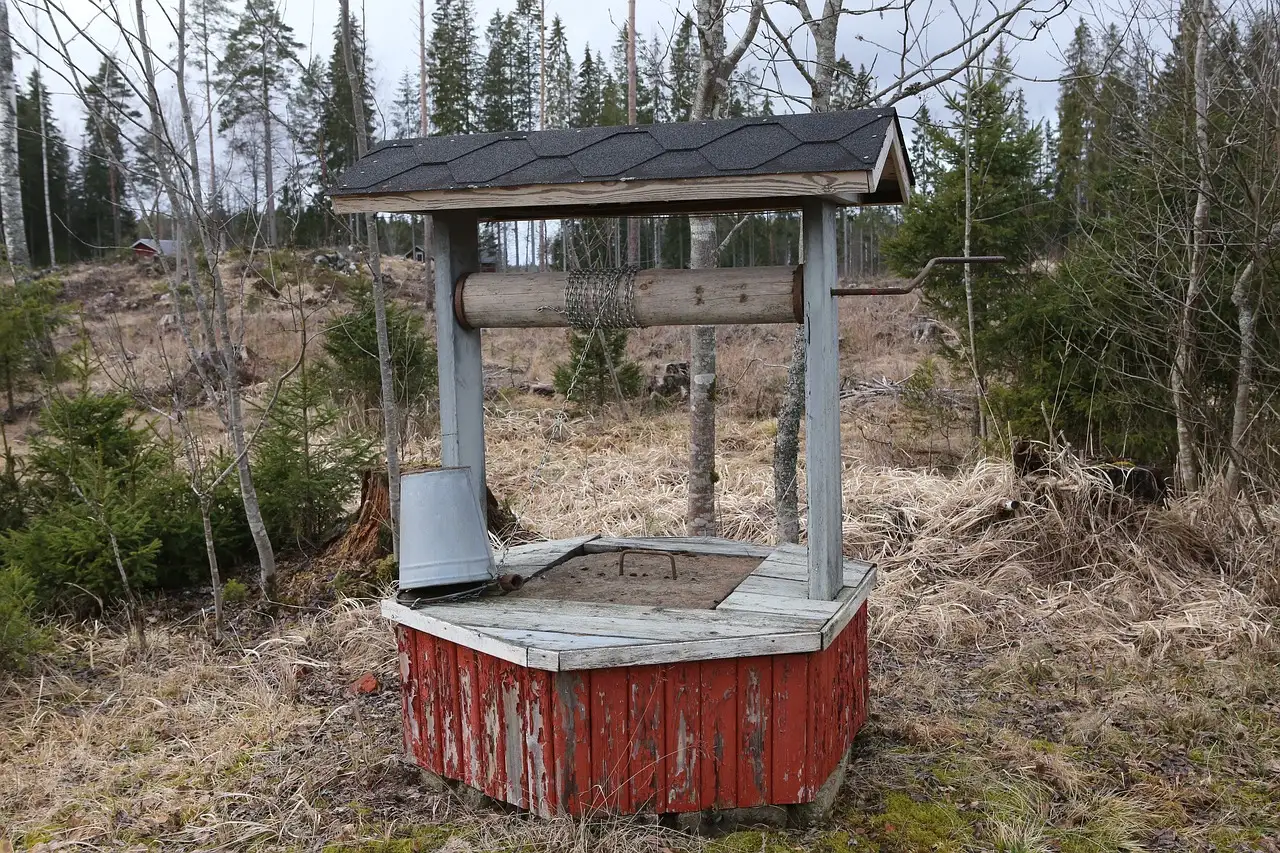
If a private well is poorly constructed or suffering from structural damage, the quality of the water that comes from it can change suddenly after heavy rains. In particular, you might notice that your water tastes different, smells different, or starts to look cloudy.
Flooding can transmit bacteria, including coliforms and E. coli, into subterranean water. These microorganisms are not always apparent, but they can pose significant dangers to health. For private wells, a taste change after rain can point to surface water getting too close to the well, a loose cap, poor grading, cracked casing, or sediment moving after saturated soil. That’s a situation worth taking seriously, not just waiting out.
Is It Dangerous, or Just Unpleasant?

A change in taste does not automatically mean contamination. Public water systems are required to meet strict safety thresholds, even during storms. That said, taste changes signal instability in water quality.
A musty smell or earthy taste in tap water is an aesthetic issue, not a health hazard. Geosmin and MIB are not toxic at drinking water concentrations. Their presence does not signal microbial contamination or a compliance failure. The important distinction lies in the pattern. If the taste is paired with cloudiness, color changes, or a sulfur smell, contact your utility, as those can indicate other issues.
What You Can Actually Do About It

Geosmin and MIB cannot be removed during normal water treatment processes and require advanced treatment methods. Many water professionals use powder-activated carbon to treat water for an earthy taste and odor, an adhesion process that allows the compounds to be captured and removed from the drinking water.
Some reports indicate that chilling the water or adding fruit slices may assist with the taste and odor differences. Additionally, home water filtration systems that contain carbon may also provide some assistance. For well owners, testing at least once a year for bacteria, nitrates, and other contaminants is the most reliable way to stay ahead of post-storm water changes before they become a real problem.
The Bigger Picture: Climate, Rain, and Water Taste
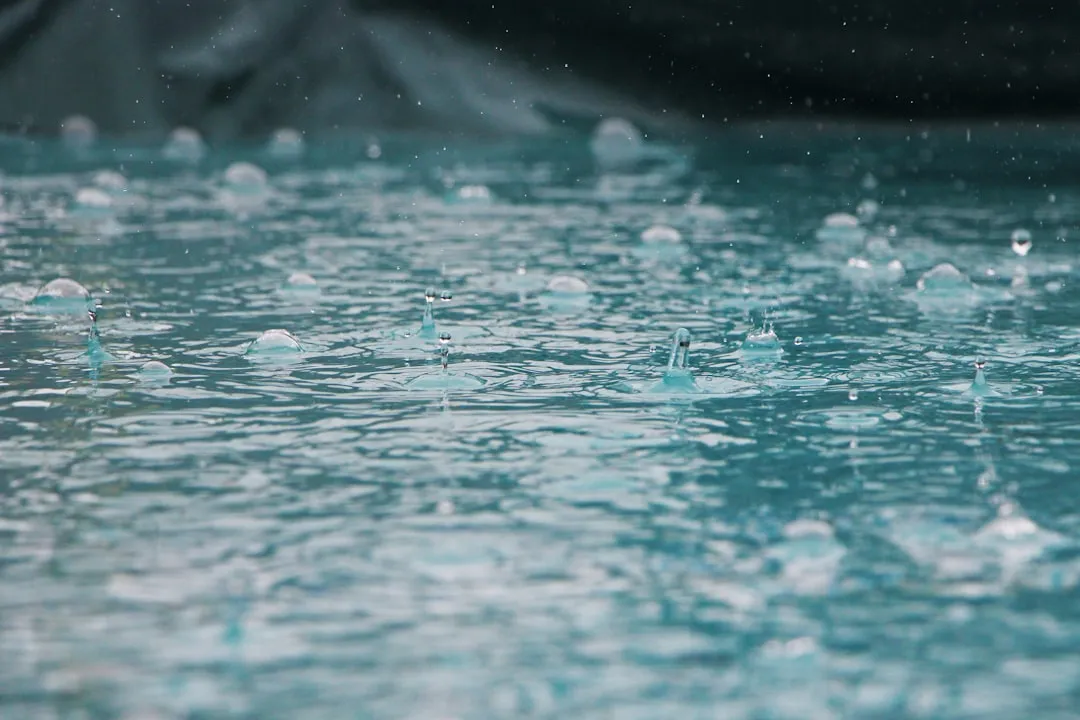
Climate variability plays a crucial role in shaping drinking water quality, yet the quantitative links between meteorological factors and microbiological contamination remain underexplored in temperate continental climates. Research published using over 15,000 microbiological water quality tests collected between 2015 and 2024 confirmed that rainfall events correlate directly with shifts in water quality indicators across different types of supply systems.
Taste and odor compounds pose significant health, economic, and ecological risks, which has led to growing concern and heightened focus on them. Over the past few decades, several high-profile taste and odor incidents have occurred. As rainfall patterns grow less predictable in many regions, water utilities are investing in more sophisticated monitoring to stay ahead of the changes that rain sets in motion long before it reaches your glass.
Final Thoughts

Your water doesn’t exist in isolation. It’s connected to the sky above, the soil below, and everything that moves between them when rain falls. That earthy sip you took after a storm isn’t a flaw in the system so much as a reminder that water is a living, traveling thing that carries the landscape with it.
Most of the time the water is safe, even if it tastes strange for a day or two. Stay alert to changes that go beyond earthy notes, particularly cloudiness, unusual odors, or symptoms after drinking. When in doubt, test. That’s always the most grounded answer.
AI Disclaimer: This article was created with the assistance of AI tools and reviewed by a human editor.