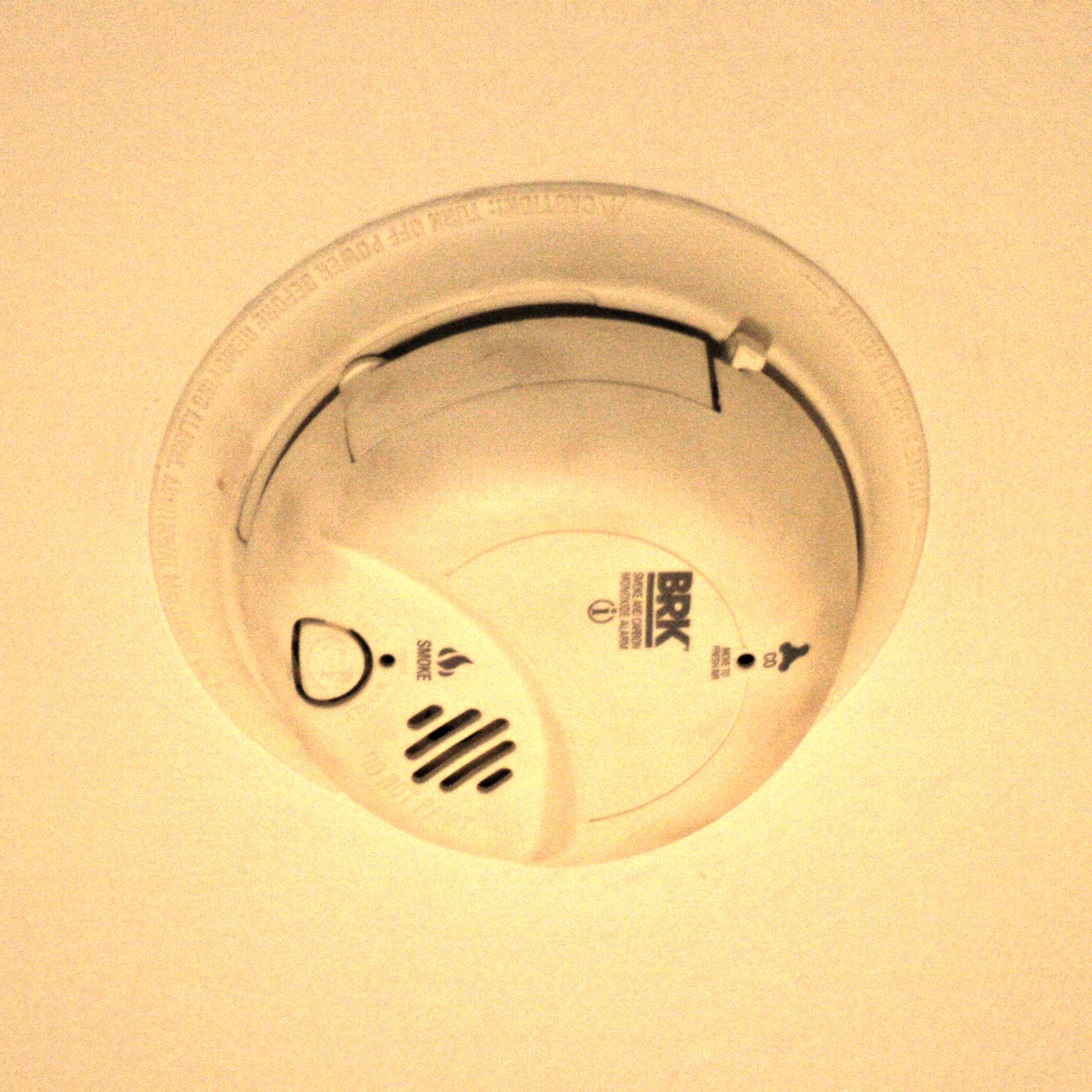

The 10-Year Rule Is Not a Suggestion
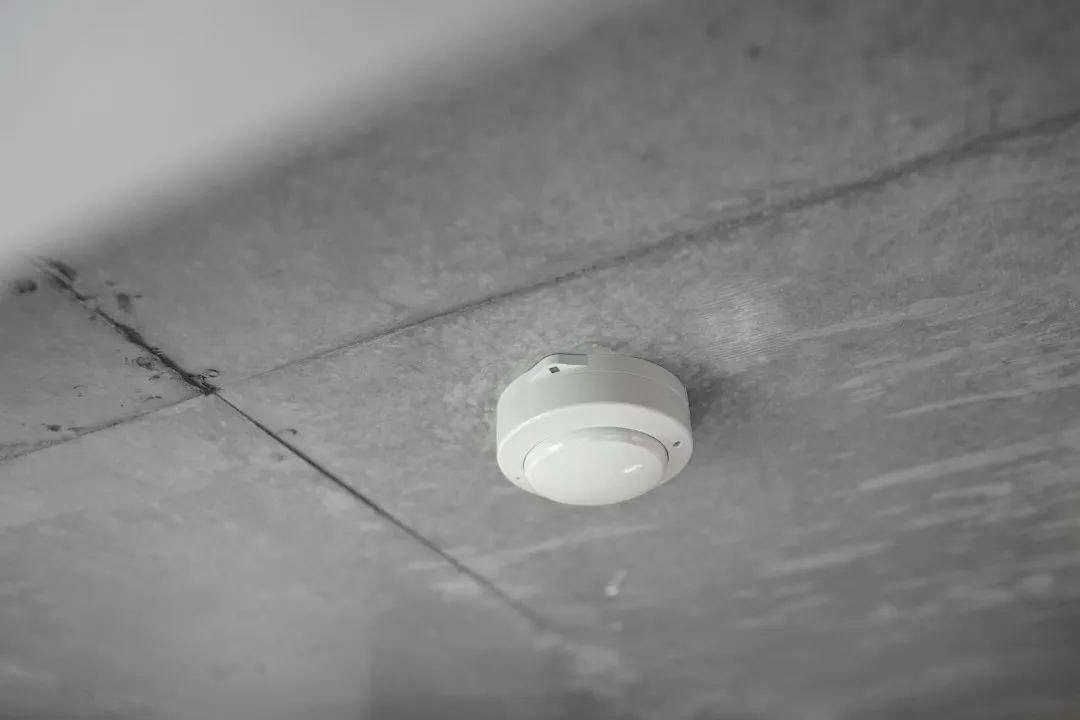
Smoke detectors last 10 years from the date of manufacture, not the day you installed them. That is the replacement interval that NFPA 72, the National Fire Alarm and Signaling Code, is built around, and it applies to battery, sealed lithium, and hardwired units alike.
NFPA 72 Section 14.4.5.3 sets maximum service life for detection devices, and after these intervals, detectors must be replaced regardless of whether they still pass testing. The code is unambiguous: smoke detectors must come out 10 years from the manufacture date.
A smoke detector that passes its annual sensitivity test at year nine still has to be replaced at year ten. The date on the back of the detector is what counts, not the installation date.
The Sensor Doesn’t Die Overnight – It Fades
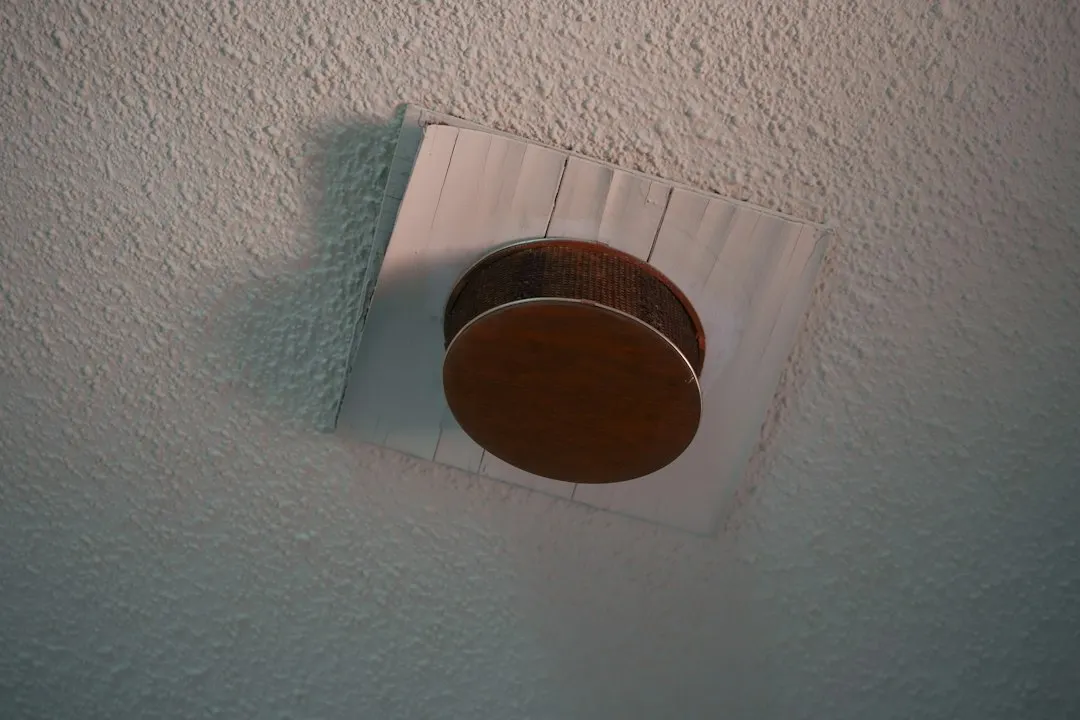
It’s a common misconception that if a smoke detector still beeps during testing, it’s working fine. Sensor degradation happens gradually over time, and an aging detector may respond to the test button but fail to detect smoke quickly enough in a real emergency.
These devices are constantly working, even when the alarm isn’t sounding. The sensors inside are always on, monitoring the air for smoke particles. Over time, those sensors can become less sensitive or even stop working altogether.
Over a decade, continuous electrical current, airborne dust, grease, moisture, and fluctuating household temperatures all take a toll on the electronic components inside the alarm. Accumulation of household dust inside the sensing chamber can either desensitize the alarm, preventing it from sounding during a real fire, or trigger highly frustrating false alarms.
How the Two Main Sensor Types Actually Work
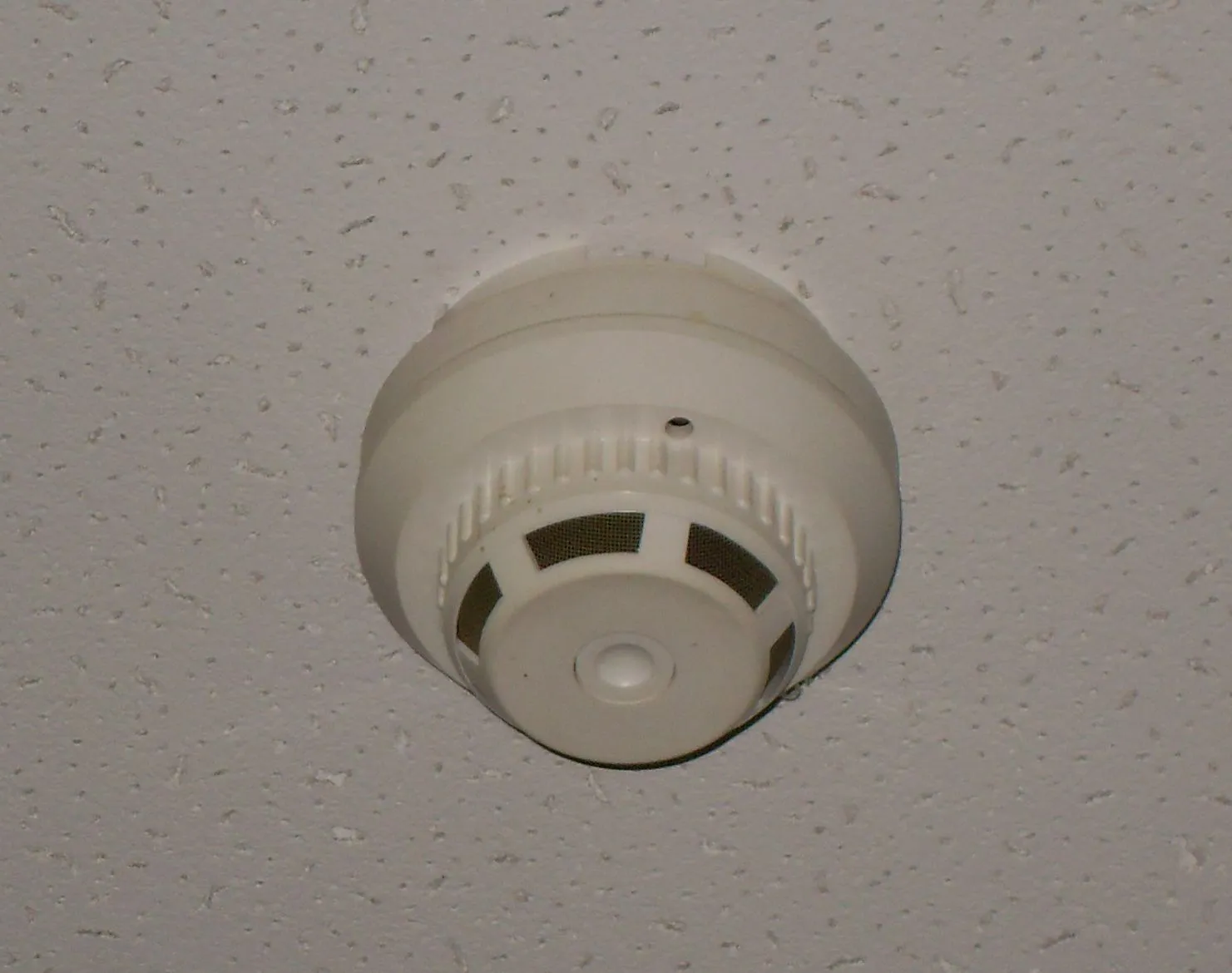
Ionization smoke alarms use two electrically charged metal plates with a small amount of Americium-241 between them. Alpha particles from that radioactive source ionize air molecules, creating a small electrical current. When smoke enters the chamber, particles collide with the ions, slow them down, and disrupt the current – triggering the alarm.
Photoelectric smoke alarms contain an infrared LED angled away from a light sensor. Under normal conditions, light passes straight through the chamber without hitting the sensor. When smoke enters, the particles scatter that light onto the sensor, and the alarm activates.
Ionization smoke detectors typically require replacement every 10 years due to radioactive source decay and sensor degradation. Photoelectric detectors share that same 10-year lifespan, with their LED light sources and photocells experiencing gradual performance decline over time.
The Clock Starts at the Factory, Not Your Ceiling
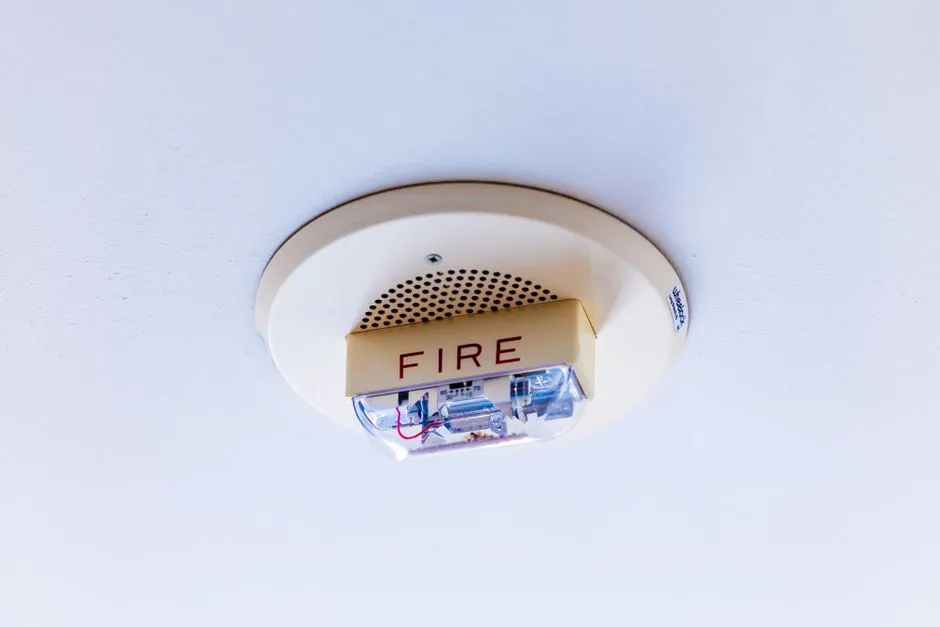
If a detector sat in a warehouse or on a store shelf for two years before you installed it, you don’t get 10 years from the day it went on your ceiling. The clock started at manufacture.
A smoke alarm in its original box still follows the usual expiration date, and the 10-year lifespan starts from the date it was made, not when you open it. If it’s been sitting in a closet for one year, you’ve already lost time.
Kidde stamps the date of manufacture on the rear label, and many recent units also print an explicit “replace by” year. The arithmetic is straightforward: a unit manufactured in July 2019 must be replaced no later than July 2029, regardless of when the alarm actually went on the ceiling.
What the Failure Statistics Actually Say
According to a nationwide CPSC study on smoke alarm operability, nearly all alarms should still be functioning after one year – but that figure drops to roughly three quarters after ten years and just over half after twenty. That means roughly one in four detectors that are a decade old may already be unreliable, and one in two that are 20 years old could fail when it matters most.
The reason smoke alarms must be replaced every 10 years primarily relates to the durability of the detector itself. According to NFPA, aging smoke alarms don’t operate as efficiently and are often the source of nuisance alarms. Older smoke alarms are estimated to have roughly a 30 percent probability of failure within the first 10 years.
The U.S. Fire Administration reports that roughly three out of five home fire deaths occur in properties with no smoke alarms or with alarms that are not functioning.
Combination Alarms Expire Even Sooner

Hardwired smoke detectors usually last up to 10 years, while battery-operated alarms last between five and ten years. Combination detectors that cover both smoke and carbon monoxide typically have shorter lives, around five to seven years.
According to the NFPA, combo smoke and carbon monoxide alarms should be replaced every seven years based on the manufacturing date.
Carbon monoxide alarms run on a shorter, self-enforcing clock: ANSI/UL 2034 has required an end-of-life signal on CO alarms built since August 1, 2009. That chirping signal near the end of a CO detector’s life isn’t a battery warning – it means the entire unit needs replacing.
The Warning Signs Worth Knowing
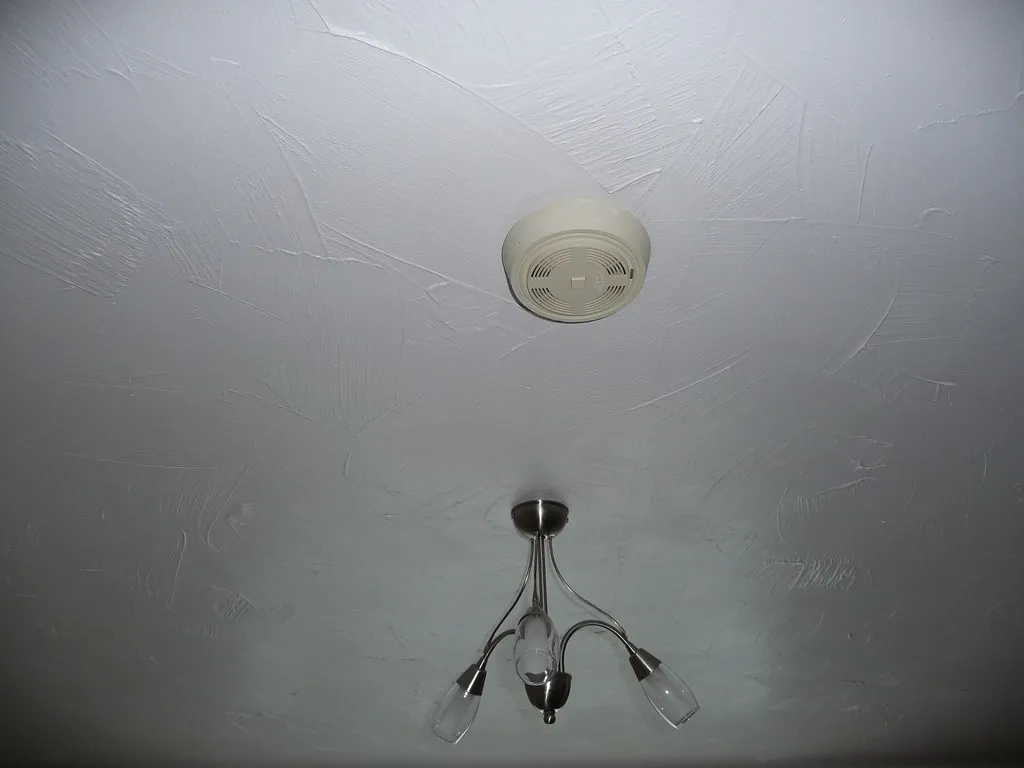
A chirping detector can mean one of two things: a low battery or a malfunction. Both require either maintenance or replacement.
Consistent chirping, discoloration, and unresponsiveness are signs a smoke detector may need replacement. Yellowing plastic isn’t just cosmetic – it reflects cumulative heat and chemical exposure that affects the internal components as well.
Any alarm that fails a test, chirps persistently after a fresh battery, or shows cracks or corrosion needs to come down immediately, regardless of its age.
Where to Find Your Alarm’s Expiration Date
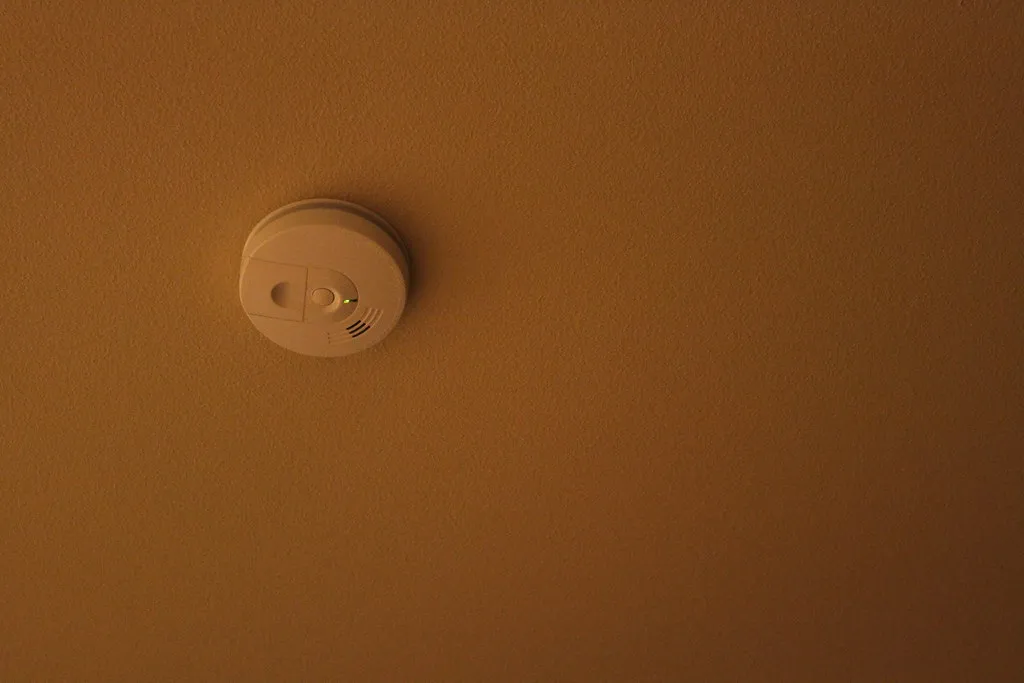
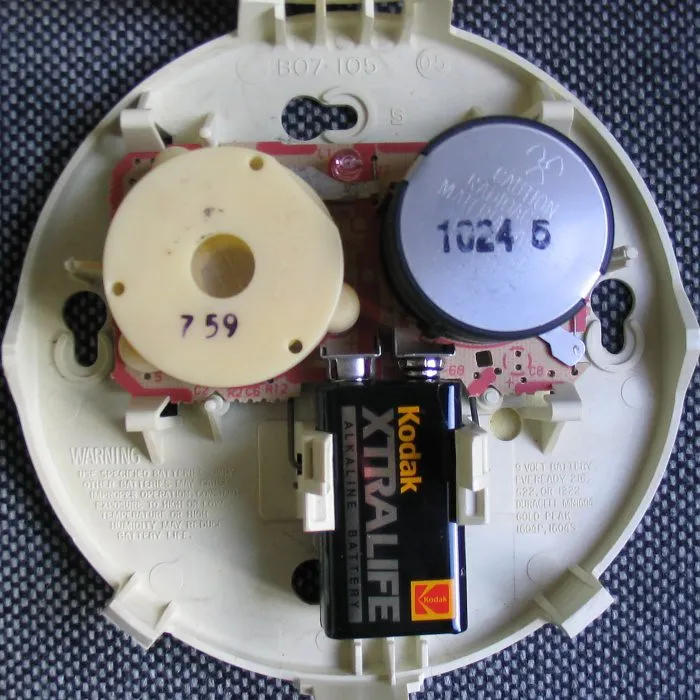
Smoke alarms typically expire 10 years after the manufacture date, not the date you installed them. To find that date, flip the device off the ceiling and look at the label on the back.
If the label is painted over, faded, or missing, you cannot determine the unit’s age. An alarm of unknown age has no verified service life remaining. In that case, the right call is simply replacing it.
NFPA 72 requires that all smoke detectors be replaced no later than 10 years after their date of manufacture. The manufacture date is printed on a label inside the detector housing.
Maintenance That Keeps Alarms Reliable Until Replacement

Alongside replacement at 10 years, public guidance carries a clear maintenance schedule: test every alarm monthly using the test button, replace 9-volt batteries at least once a year, and replace the backup battery in hardwired units annually.
The lifespan of a smoke detector can be vastly shortened by environmental factors. Smoke alarms constantly exposed to dusty environments, dampness, or extreme temperatures are likely to fail sooner than expected. Those harsh conditions wear down the internal sensors and wiring much faster than a clean, dry installation.
When there is an active fire and smoke in the house, statistics show that occupants have less than two to three minutes to get out safely. A sluggish or failed alarm in that window isn’t just inconvenient – it’s catastrophic.
New Standards Are Raising the Bar
Major upgrades to residential smoke alarms took effect under new Underwriters Laboratories standards set on June 30, 2024. Next-generation smoke alarms are designed to minimize false alarms from everyday cooking while warning more quickly about actual fires.
In 2022, Congress passed the “Public and Federally Assisted Housing Fire Safety Act of 2022,” introducing new smoke alarm requirements for federally assisted housing, aligned with NFPA guidelines. All federally assisted housing properties were required to comply with these new guidelines by December 29, 2024.
NFPA 72, the National Fire Alarm and Signaling Code, sets the requirements for installing, testing, inspecting, and maintaining fire alarm systems. The 2025 edition was issued August 29, 2024 and took effect September 18, 2024.
The Quiet Risk Most Homeowners Miss
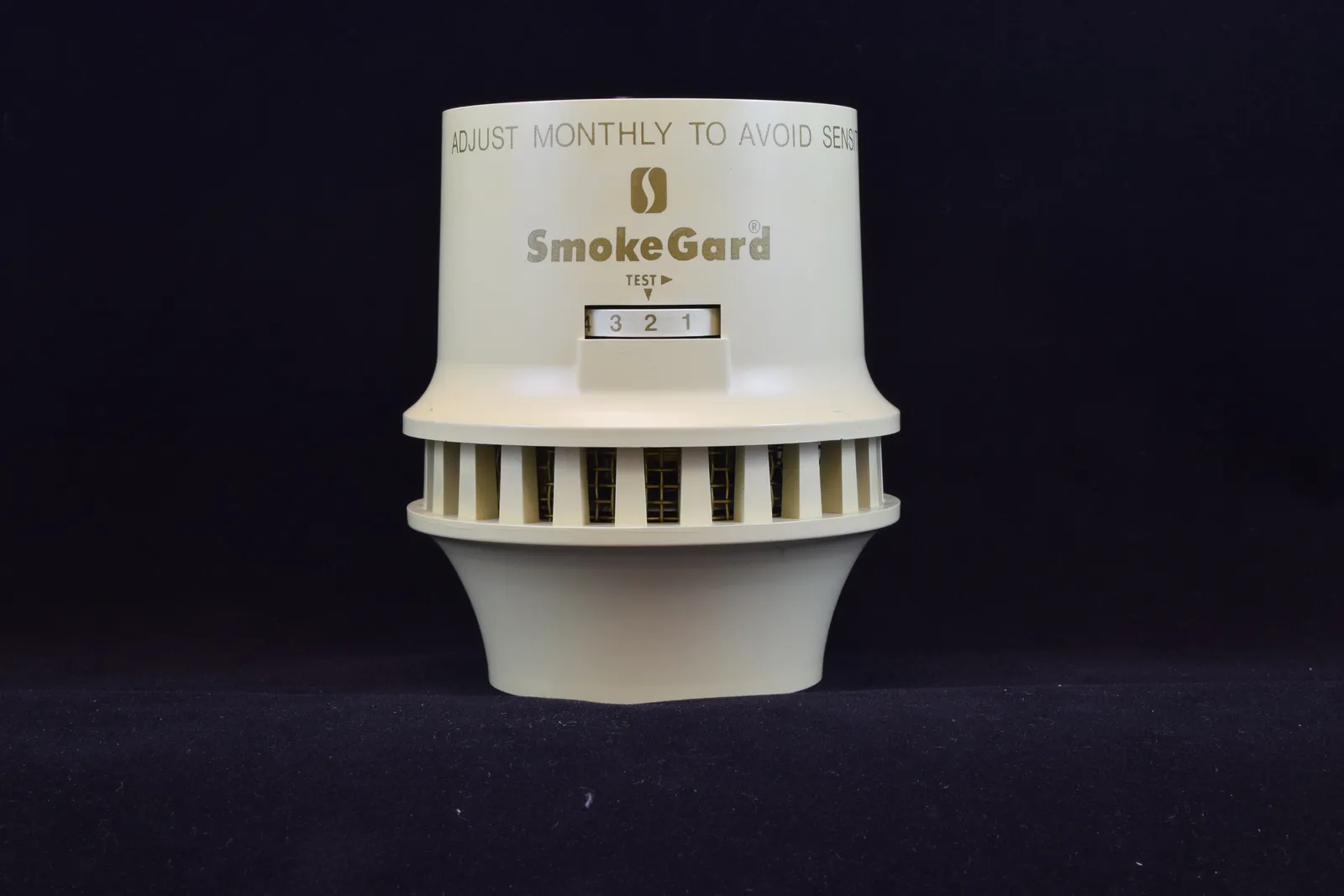
There’s something almost counterintuitive about an expiration date on a device that looks perfectly fine. No rust, no visible damage, still beeps on command. Yet the failure is happening invisibly, inside the sensing chamber, in components no homeowner can inspect.
Properly working smoke alarms have been proven to reduce the risk of dying in a home fire by roughly half, according to NFPA data. Yet many U.S. home fire deaths continue to occur in homes with no smoke alarms or no working smoke alarms. Three out of five fire deaths are attributed to smoke alarm issues.
Every smoke alarm in your home has a lifespan, and most homeowners have no idea when theirs were manufactured or whether they’re still reliable. That gap between assumption and reality is exactly where this risk lives. Checking the back of your smoke alarm takes about thirty seconds. It’s worth doing today.
AI Disclaimer: This article was created with the assistance of AI tools and reviewed by a human editor.