

Every year, around the time the first real cold snap rolls in, countless people find themselves reaching for whatever lotion or cream is nearby, scratching at their legs, arms, and torsos without really knowing why it’s happening again. It feels like a predictable ritual, and in many ways it is. Winter does something specific and measurable to your skin, and it isn’t just in your head.
The explanation goes deeper than simply “cold weather dries skin out.” There’s real biology at play, involving moisture barriers, nerve sensitivity, oil production, and indoor environments that most people never think twice about. Once you understand what’s actually happening under the surface, winter itch starts to make a lot more sense.
The Air Itself Is Working Against You
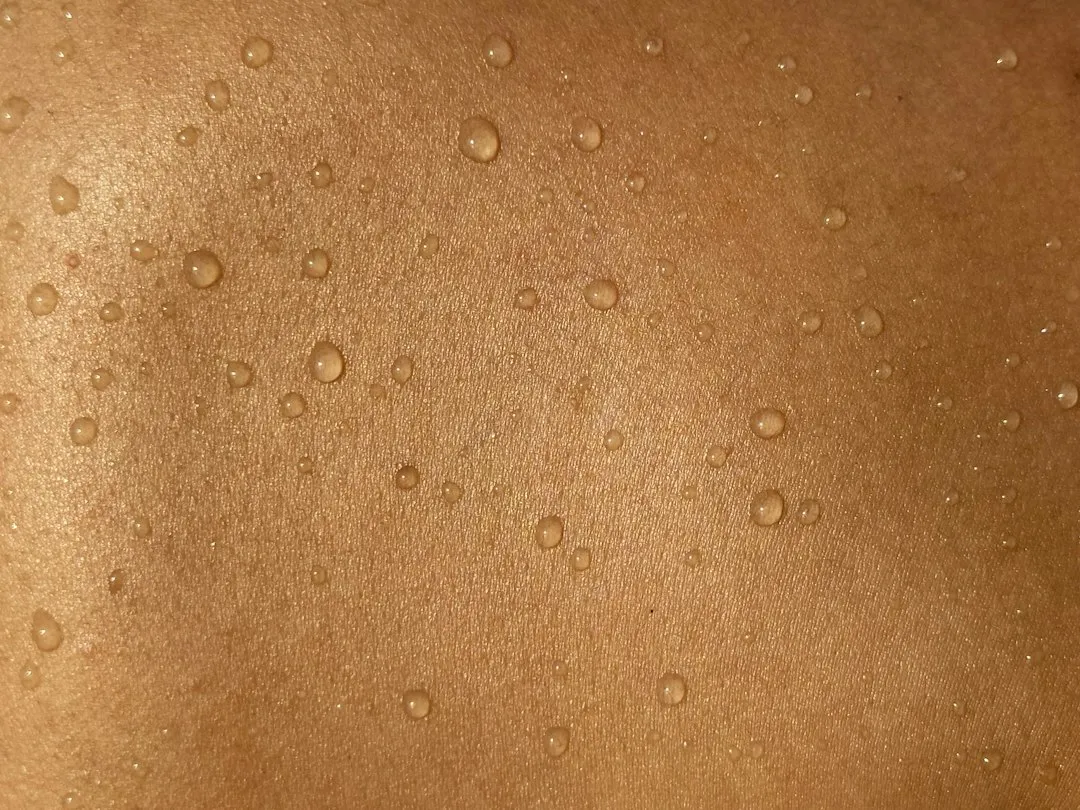
When temperatures drop, the air naturally holds less moisture, and the reduced humidity makes it much harder for the skin to retain hydration. This isn’t a gradual shift you can easily compensate for. Cold air has low absolute humidity, meaning it holds very little water vapor. Your skin responds by evaporating water to balance the moisture difference, a process called transepidermal water loss (TEWL).
The drier the air, the faster this loss accelerates. What makes winter uniquely harsh is that this process never really stops. You step outside into cold, dry air, and then you step back inside into heated air that isn’t much better. There’s no reprieve for your skin barrier during those months.
Indoor Heating Is a Silent Culprit
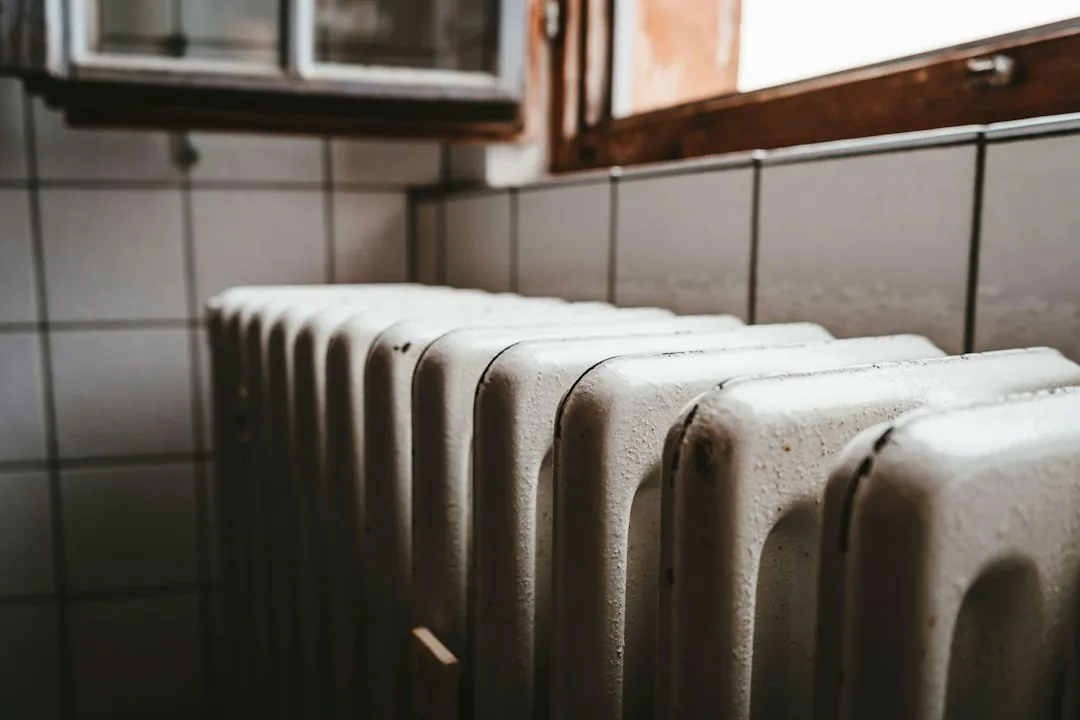
In addition to the dryness caused by cold outdoor air, indoor heating systems also play a big role in worsening the problem. While heaters make our homes and workplaces more comfortable, they strip away what little moisture is left in the air, creating an environment that quickly dehydrates the skin.
A furnace running at 68°F indoors, with outside humidity at 30%, creates an indoor humidity level of just 10 to 15 percent, lower than the Sahara Desert. That’s a striking comparison, and it helps explain why simply being at home in winter can leave skin feeling tight and irritated by evening. Indoor heating evaporates what little moisture exists in the surrounding air, and your skin pays the price.
Your Skin Barrier Actually Breaks Down

Your skin barrier is built like a brick wall: corneocytes, the dead skin cells, are the bricks, and intercellular lipids, mainly ceramides, cholesterol, and free fatty acids, act as the mortar holding them together. Your skin also produces Natural Moisturizing Factor, a mix of amino acids and other water-binding compounds that live inside those brick cells.
When low-humidity environments accelerate water loss, your skin depletes these water-binding compounds faster than it can replenish them. As hydration levels fall, the enzymes involved in lipid processing in the skin work less effectively. This weakens the structural integrity of the skin barrier, leading to transepidermal water loss. Over time, this cycle leads to persistent dryness and reduced tolerance to external stressors. It’s a self-reinforcing cycle, and it’s why winter itch tends to get worse as the season progresses rather than stabilizing.
Ceramides Decline in Cold Conditions

Ceramides are naturally occurring lipids found in the skin’s outermost layer, forming over half of its composition. These essential molecules act as the glue that holds skin cells together, creating a barrier that locks in moisture and keeps irritants out.
Winter air is ultra dry, and indoor heating strips the stratum corneum of its lipid matrix, increasing transepidermal water loss and depleting ceramides. When ceramide levels are depleted, the skin becomes more prone to dryness, sensitivity, and environmental damage. This depletion is not cosmetic. It’s a measurable change in skin structure that explains why barrier-repair ingredients have become so central to winter skincare recommendations.
Your Body Produces Less Natural Oil

Another reason winter skin feels worse is that our bodies naturally produce less oil in colder weather. This decline in sebum production means the skin’s natural barrier is less effective at locking in moisture and defending against irritants. Without enough protective oils, the skin becomes more vulnerable to cracking, inflammation, and sensitivity.
These oils act as a barrier, keeping moisture in the skin. Without them, your skin dries out more quickly and can become irritated. The drop in oil production is a natural physiological response to cold, but it leaves you with fewer resources to fight the dryness that winter brings from every other direction.
Nerve Endings Become Hypersensitive

When your skin lacks water or natural oils, the nerves become more sensitive, causing the familiar winter itch known as “pruritus hiemalis.” This is the clinical name for the kind of itching that isn’t tied to an allergic reaction or infection but is purely a response to dryness and barrier damage.
Elevated transepidermal water loss levels are not just a marker of skin dryness. As water content drops, inflammation increases and nerve endings are less protected. This is what contributes to stinging, burning, and skin redness. In other words, the itch you feel isn’t random. It’s your nervous system reacting to a genuinely compromised skin surface.
Hot Showers Make It Worse Than You Think
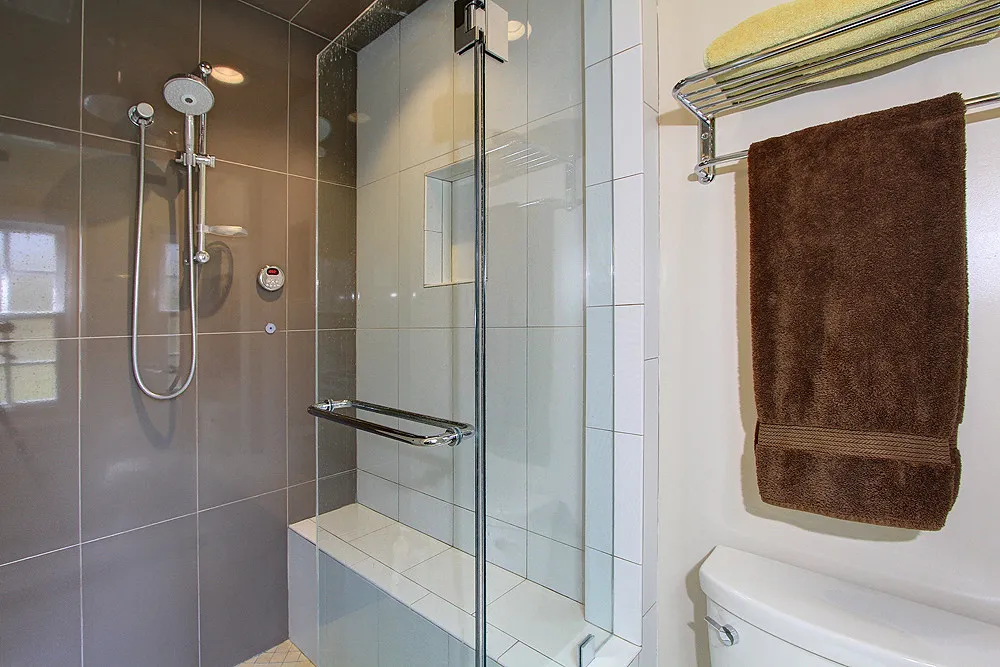
Imagine coming home after a cold walk, turning up the heating, and having a long, hot shower to warm up. It feels nice, but the heat actually removes more moisture from your skin. A few hours later, the itching starts again. This is a typical winter problem because dry air pulls water from your skin faster than it can be replaced.
Frequent exposure to hot water, combined with harsh soaps or body washes, can leave your skin even more vulnerable to winter itch. The irony is that the habit most people reach for to feel warm and comfortable in winter is one of the more damaging things they can do to already-stressed skin. Lukewarm water is genuinely the better option, even if it’s a harder sell on a freezing day.
Chronic Skin Conditions Flare More in Winter

If you have chronic medical conditions such as eczema and psoriasis, it’s not unusual to experience flare-ups during cold days. Eczema affects about 10 percent of the US population, or 31.6 million people, according to the National Eczema Association. For all those people, winter is reliably the hardest season.
Psoriasis often behaves differently across the seasons, and winter can be particularly challenging. Reduced natural sunlight during colder months removes an important anti-inflammatory influence on the skin. This change alone can allow inflammation to become more active. Winter also brings added triggers such as stress, infections, and increased dryness. These factors combine to weaken the skin barrier and provoke immune activity.
Temperature Shock Between Indoors and Outdoors Causes Damage

Sudden temperature shifts also affect the lipid matrix of the stratum corneum. Lipids, the natural fats in the skin, become less flexible in colder conditions. This impairs skin barrier cohesion and leads to increased transepidermal water loss.
Conditions that felt stable during warmer months suddenly flare, dryness becomes harder to control, and irritation appears more easily. The repeated cycling between freezing outdoor air and dry heated interiors, sometimes several times a day, adds up to significant cumulative stress on skin that never fully recovers between exposures. It’s one of the more underappreciated reasons why mid-winter itch is so much worse than early-autumn dryness.
What You Wear Against Your Skin Matters More Than You Realize
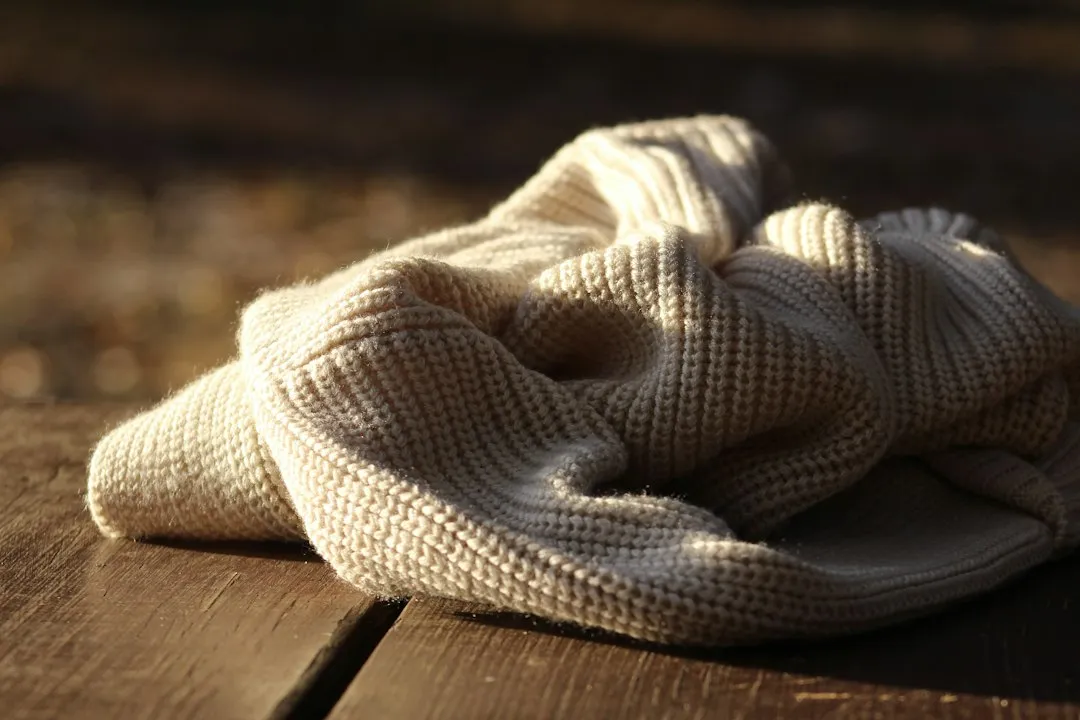
Tight scarves, wool fabrics, and wind exposure cause physical micro-abrasion of the skin surface. This mechanical irritation is separate from the chemical and environmental dryness, though it compounds it. Wool is the classic example: it traps warmth efficiently but creates friction against skin that already has a weakened barrier.
Increased water loss leads to tighter, itchier skin, which can trigger scratching and flares. Skin also becomes more reactive to soaps, fabrics, and environmental triggers. This is why people who never thought of themselves as having sensitive skin often find themselves reacting to their usual clothing or detergents in winter. The skin’s tolerance threshold is genuinely lower when the barrier is under seasonal stress.
The Takeaway
Winter itch isn’t just an inconvenience you have to live with each year. It’s a predictable biological response to a set of environmental conditions that consistently converge between October and February. Changes in temperature, humidity, circulation, and immune activity alter how the skin functions and how resilient it feels.
When outdoor humidity drops below 30 percent and indoor heating further depletes moisture, the skin barrier becomes compromised. Transepidermal water loss increases significantly in winter months. The good news is that once you understand the actual chain of events, from barrier lipid depletion to nerve sensitization, the interventions start to make intuitive sense: richer moisturizers, cooler showers, a humidifier, and gentler fabrics close to the skin. These aren’t just comfort measures. They’re responses to real, measurable changes happening in your skin every winter.
AI Disclaimer: This article was created with the assistance of AI tools and reviewed by a human editor.