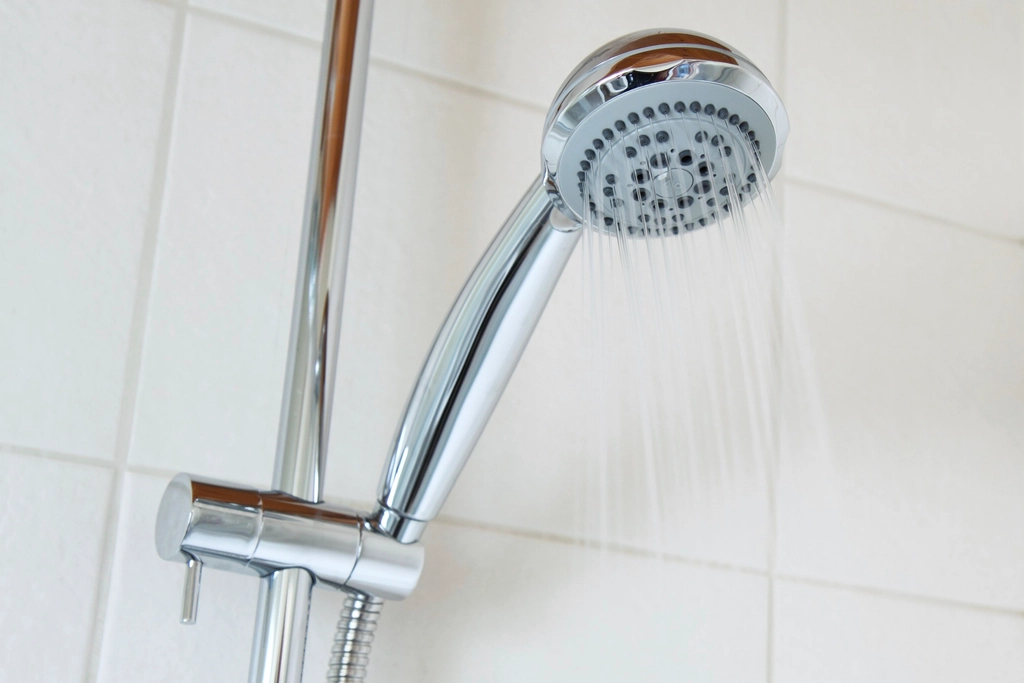

Your Home’s Trunk and Branch Plumbing System
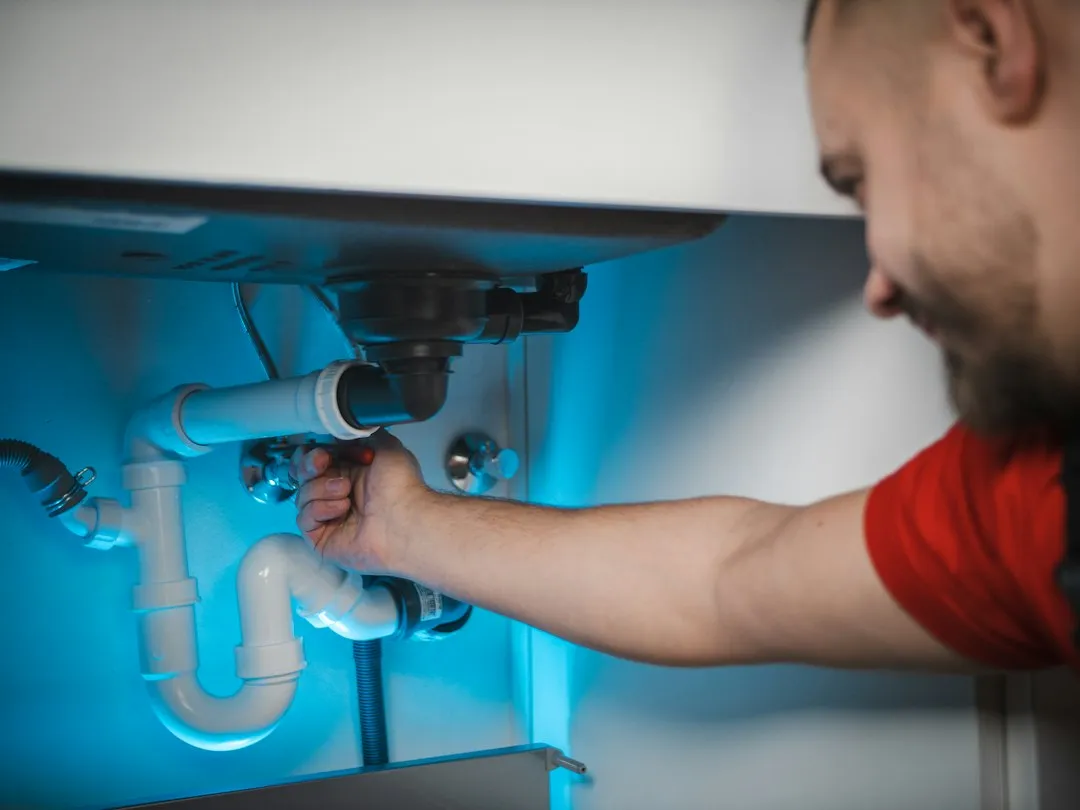
Most houses use a trunk and branch system, where a central trunk line supplies water to smaller branch lines connected to different fixtures, including sinks, toilets, and showers. Think of it like a highway with exits: the main road handles the bulk of the traffic, while smaller off-ramps feed individual destinations.
There are two main trunks in a trunk and branch system. One is for hot water and the other is for cold. They run throughout your home. When demand spikes anywhere on those lines, every other connected fixture feels it.
The Cold Water Diversion Problem
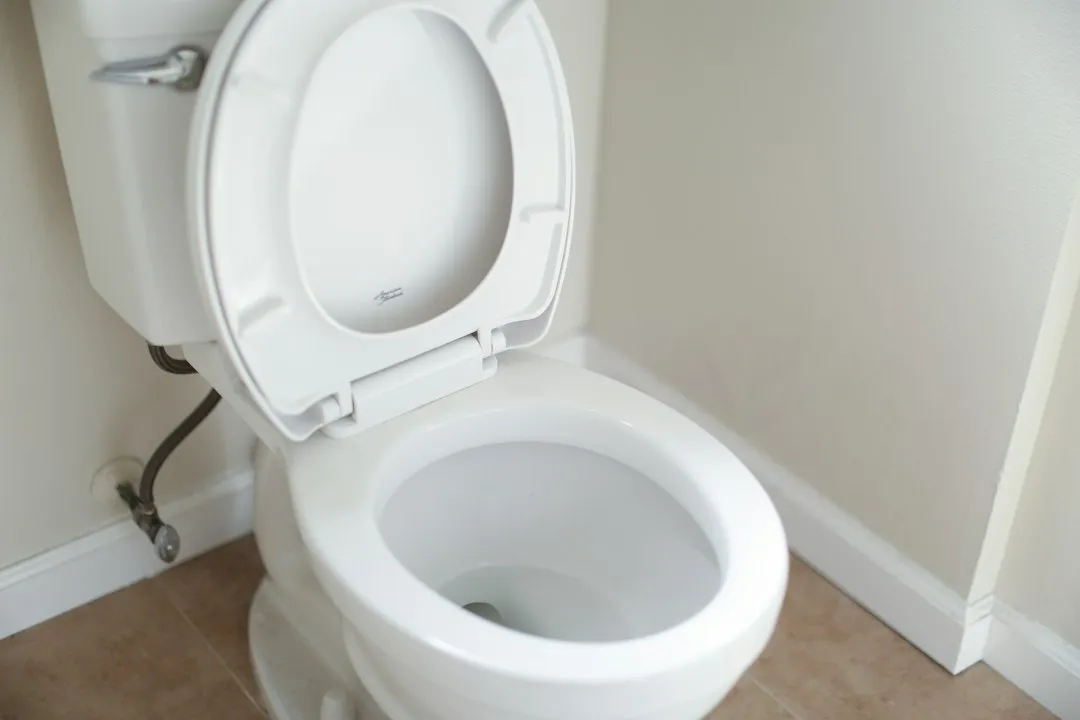
When you have a bathroom with a shower, tub, and toilet, there is likely only a single cold water line that runs to all three. When the toilet flushes while you’re showering, the toilet demands a load of cold water, and because it shares a cold water line with the shower, the shower temporarily loses pressure from the cold water line. Without the cold water to temper the heat, the shower can become uncomfortably hot.
Your toilet uses cold water to fill up. If you flush your toilet, there’s less cold water available to your shower. There’s less cold water to mix with the hot water. The ratio tilts almost instantly, and your skin pays the price.
Water Pressure: The Invisible Trigger
When a toilet is flushed, it momentarily decreases pressure in the cold-water line, which results in a higher proportion of hot water flowing through the showerhead. If the plumbing system lacks pressure-regulating valves, this imbalance can cause an abrupt temperature spike.
If someone flushes a toilet while the shower is in use, the fixture suddenly draws a significant amount of cold water from the common supply line, causing a pressure drop. In the absence of a compensating mechanism, the relatively higher pressure in the hot water supply line will cause the shower temperature to rise just as suddenly, possibly reaching an uncomfortable or even dangerous level.
How Much Pressure Is Actually Lost?
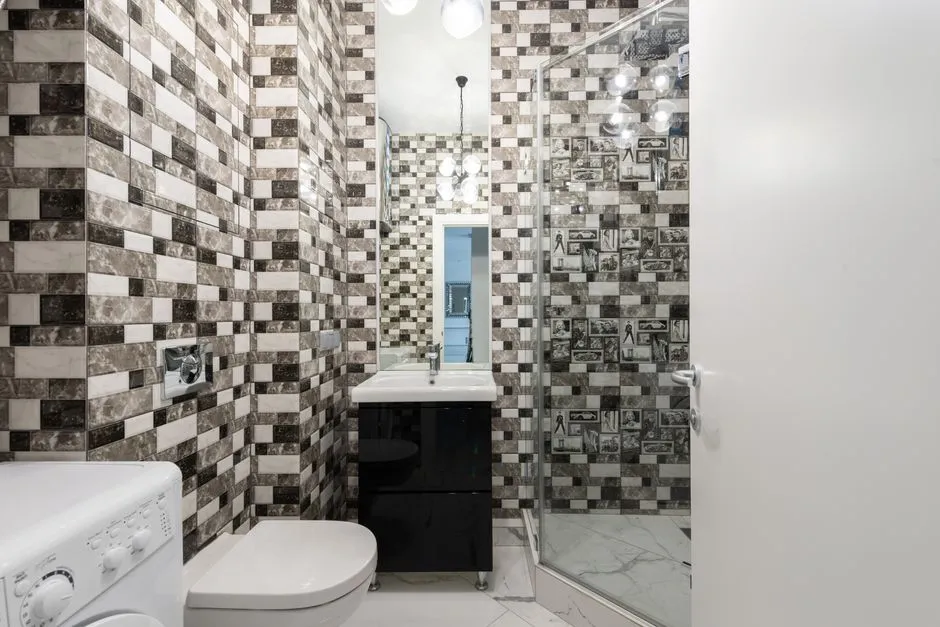
Water pressure in the shower can be reduced by up to 30% due to the simultaneous flow of water into the toilet. That’s a meaningful drop, even if it lasts only for a short time. In fact, some showerheads can lose up to 50% of their water pressure when the toilet is flushed at the same time.
The result is a short period where you’re blasted with hot water followed by a noticeable drop in water pressure until the toilet bowl fills back up, about 30 seconds. Thirty seconds of scalding water is more than enough to cause real harm.
Why Older Homes Are Hit Hardest
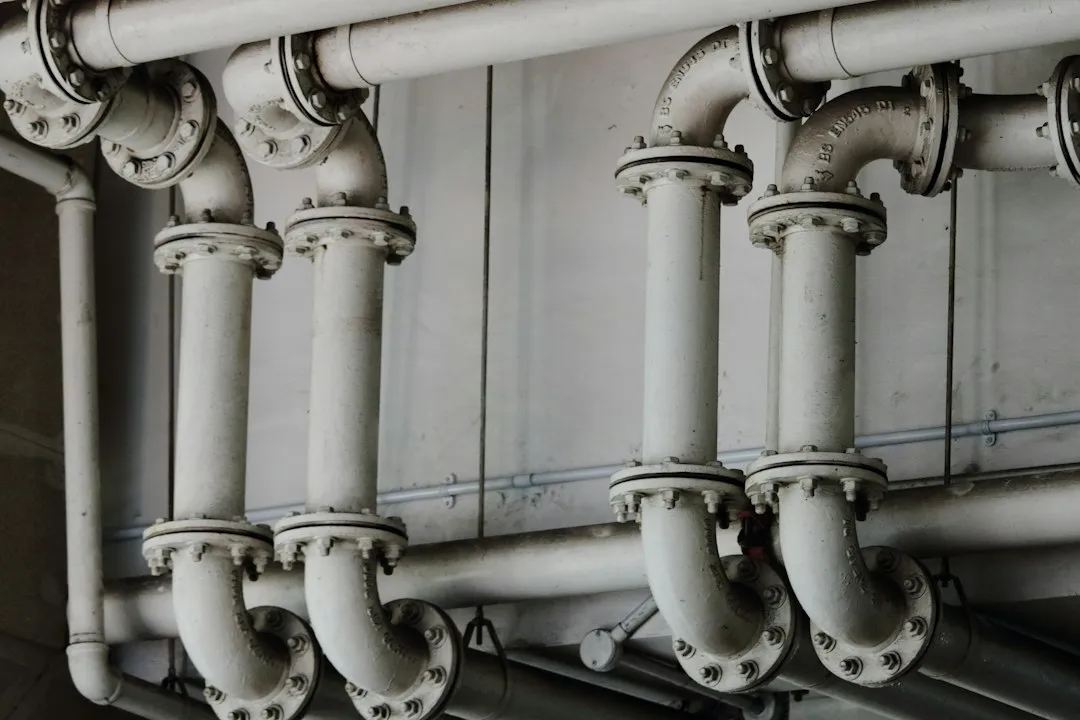
This issue is particularly common in older homes with outdated fixtures or undersized plumbing pipes, which struggle to maintain stable pressure. Newer construction is generally better insulated from the problem, at least when properly designed.
Older homes tend to not have a pressure balance valve installed since the valves weren’t mandated in houses until recently. Additionally, mineral buildup in aging pipes can further restrict water flow, exacerbating the problem. So the older your plumbing, the more dramatic the temperature swing tends to be.
The Real Safety Risk: Scalding Burns

In the United States, scald injuries from tap water send about 112,000 people to the emergency room each year, hospitalizing nearly 7,000. That’s not a trivial number, and toilet-flush temperature spikes contribute to this broader problem.
In most buildings, 120 degrees Fahrenheit tap water is considered a maximum safe temperature. It takes about five minutes of exposure to 120-degree water to cause burns. Higher temperatures are dangerous; a 30-second exposure to 130-degree water, and a 6-second exposure to 140-degree water will cause burns.
With people most at risk in their own homes, the rise in cases is a worrying trend, especially as children, the elderly, and the disabled are the most vulnerable to injury. Another possible risk for scalding is the potential for hot water spikes that occur when someone nearby flushes a toilet, starts the washing machine, or runs water from a different tap.
The Role of Pressure-Balancing Valves
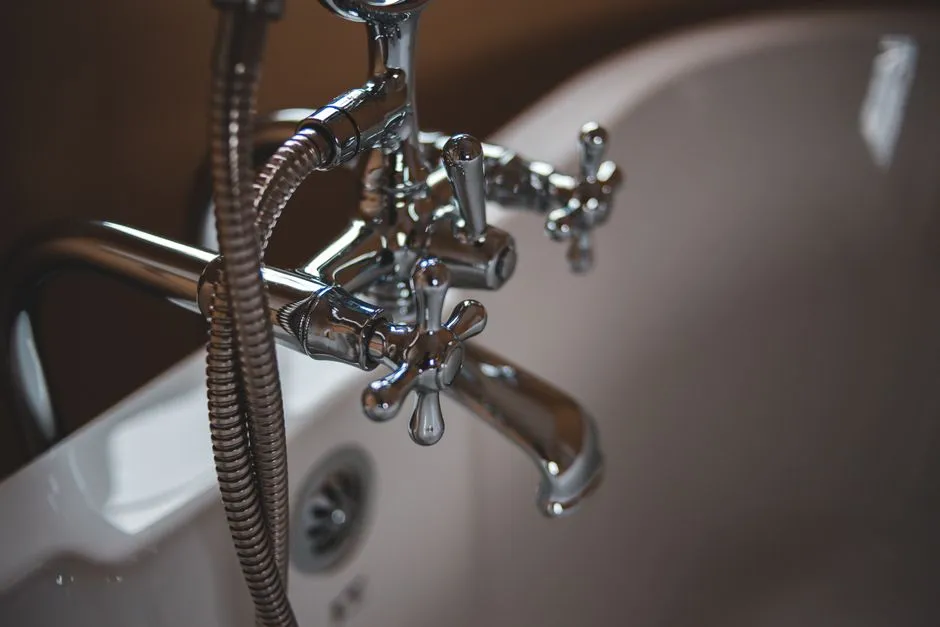
A pressure-balancing valve regulates the temperature of your shower water, protecting you from drastic temperature changes. The valve doesn’t actually monitor the temperature. Instead, it adjusts the temperature directly, controlling the hot-to-cold water pressure ratio, hence the valve’s name.
Pressure-balancing valves usually have just one handle and respond to changes in the pressure of your water. It’s the more basic of the two valves because it can’t sense temperature changes and only indirectly controls the water temperature. Basically, they work by adjusting the ratio of hot to cold water pressure. When that ratio gets thrown off by a flush, even the valve struggles to keep up.
Thermostatic Mixing Valves: The Better Fix
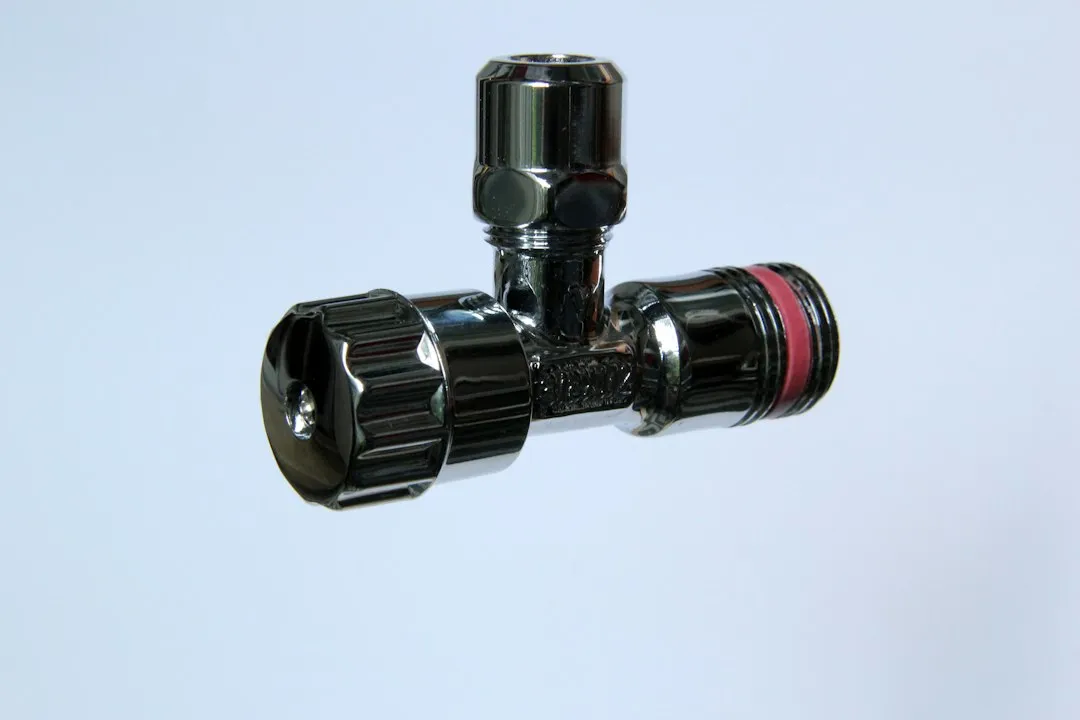
One sure way to avoid pressure drops is by using a thermostatic valve. This system can actually measure the temperature of the water, allowing it to make accurate adjustments and maintain constant pressure. You’ll have two handles that allow you to independently control either water pressure or temperatures.
A new thermostatic water mixing valve may just do the trick. This installation can reduce and eliminate water temperature fluctuations by balancing the amount of hot and cold water mix. If your toilet flushes and cold water is reduced, this valve adjusts hot water in your shower. As other fixtures are in use, your shower temperature stays consistent.
Simple devices called thermostatic mixing valves can prevent scald burns, but many older homes don’t have them. The good news is that they’re not wildly expensive and can usually be installed without a full plumbing overhaul.
Can Pipe Sizing Make a Difference?
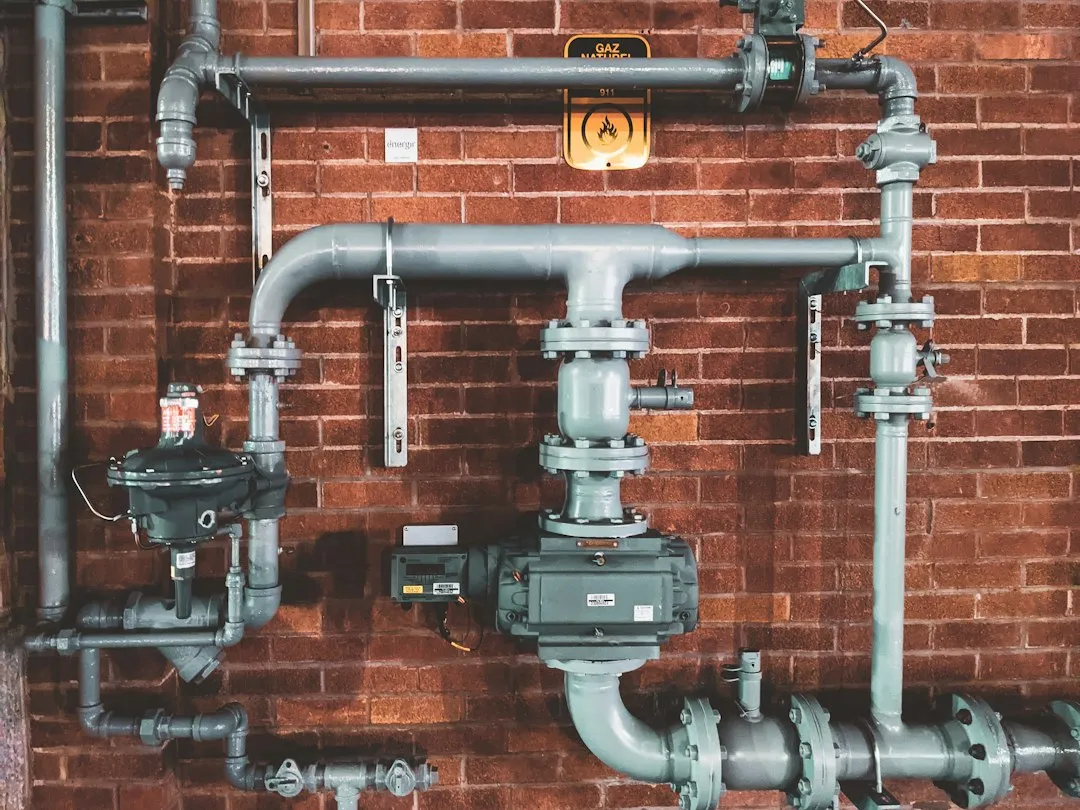
Proper plumbing requires that the three-quarter-inch supply continue beyond the lavatory and is not split into two half-inch lines until it is at the toilet. That layout sends a full half-inch supply to the tub and shower, which is enough to fully supply it, and when the toilet is flushed, the cold water supply to the shower is not diminished.
Believe it or not, the reason this situation exists is purely economic. Builders often use smaller pipes to cut material costs during construction, and homeowners inherit the consequences years later. Upgrading pipe sizing is the most comprehensive solution, though also the most disruptive and costly one.
Quick Household Adjustments That Can Help
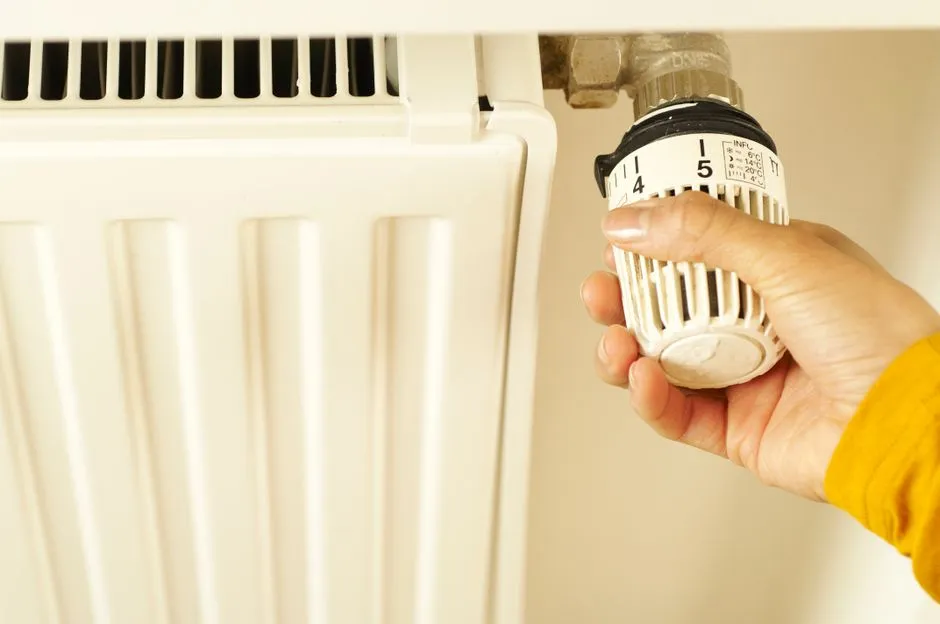
Adjusting the valves that control the flow of water into the toilets so it fills them more slowly does not take as much cold water and will not affect the shower temperature so much. It’s a low-effort tweak that can noticeably reduce the severity of temperature swings.
A thermostatic shower valve can help regulate the temperature when pressure changes due to other equipment causing pressure changes. They won’t completely stop the drop in pressure though, so while you won’t freeze or get scalded, the pressure will still drop. Managing expectations matters here: no single fix is entirely perfect, but layering solutions together gets you very close.
Final Thoughts
The shower-flush problem is one of those home annoyances that feels random until you understand the plumbing behind it. It’s actually one of the most predictable issues in residential water systems, driven by straightforward physics: shared lines, competing demands, and pressure imbalances.
The real concern isn’t just the inconvenience. Hot tap water caused approximately 60,000 burn injuries and 110 deaths in the U.S. between 2016 and 2018, resulting in more than $70 million in hospital costs. That context reframes the problem. What feels like a minor daily irritation sits within a broader landscape of genuine injury risk, especially for young children and older adults.
If your shower still does this in 2026, you have real options: a thermostatic valve, a pressure-balancing upgrade, or even a conversation with a licensed plumber about pipe sizing. The solution exists. The only question is how long you’re willing to keep dancing out of the way of hot water every time someone flushes.
AI Disclaimer: This article was created with the assistance of AI tools and reviewed by a human editor.