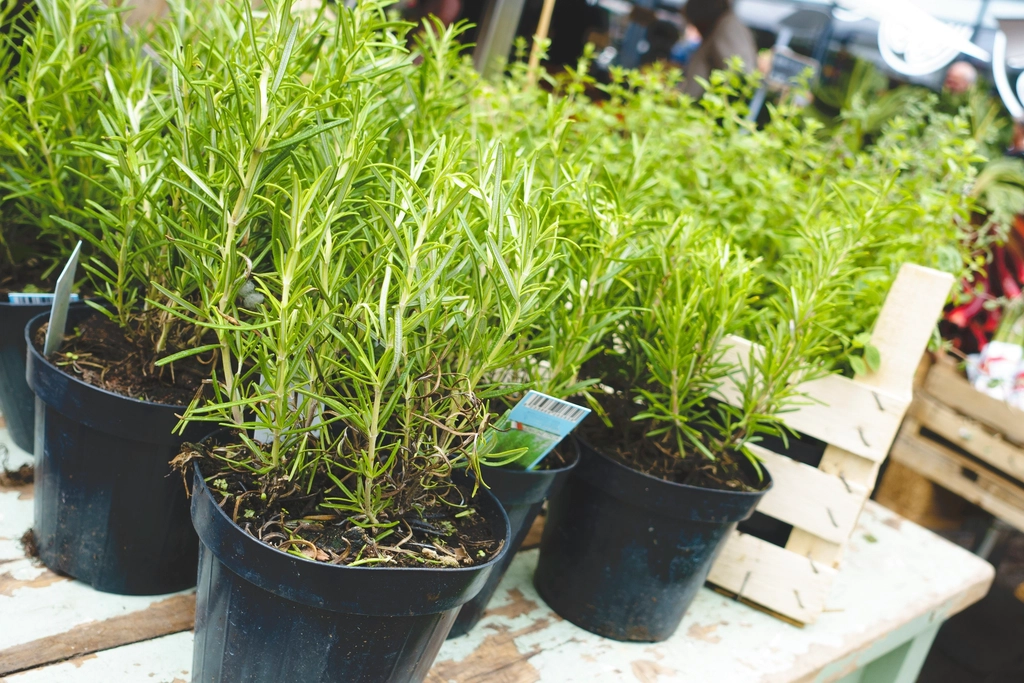

Rosemary has a reputation as one of the tougher herbs you can grow. It tolerates drought, blazing heat, and neglect with impressive composure. So when a plant you’ve been diligently watering starts going brown and crispy at the tips, the instinct is to water it more. That instinct, unfortunately, tends to make things worse.
The counterintuitive truth is that browning rosemary is far more often a sign of too much moisture than too little. Understanding why means looking at where the plant comes from, what its roots actually need, and how several easily overlooked factors quietly push a thriving herb toward collapse.
Rosemary Evolved for Dry, Rocky Mediterranean Hillsides
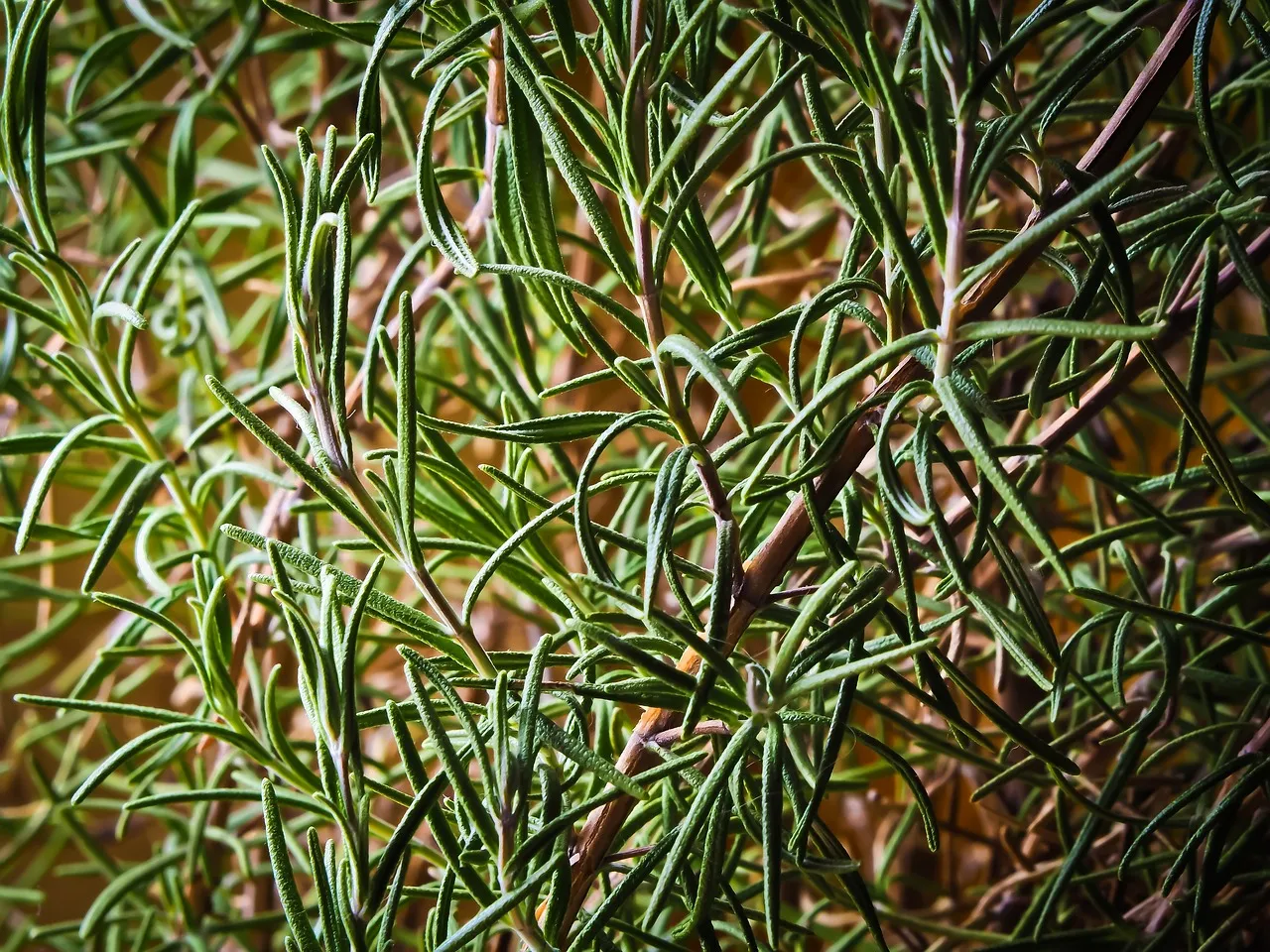
Native to the Mediterranean region, rosemary isn’t just used to dry, hot conditions, it actually prefers them. This aromatic herb thrives in sandy soils and extreme heat, conditions that would kill delicate ornamentals like hydrangeas or roses. Its root system is adapted to reach deep into thin, fast-draining soil and extract moisture from short, intense bursts of rain rather than steady, regular irrigation.
The plant evolved for thin, stony, fast-draining soil, intense sun, and reliably dry summers. Rich compost, heavy clay, shade, and frequent watering keep it under constant low-level stress. Most home garden conditions are almost the exact opposite of what rosemary considers home.
To care for rosemary effectively, you need to replicate the conditions of its native Mediterranean climate, which means mimicking the soil structure so it drains effectively and reducing watering, since in the Mediterranean rainfall, whilst intense, is infrequent.
The Root Rot Problem Is More Common Than You Think
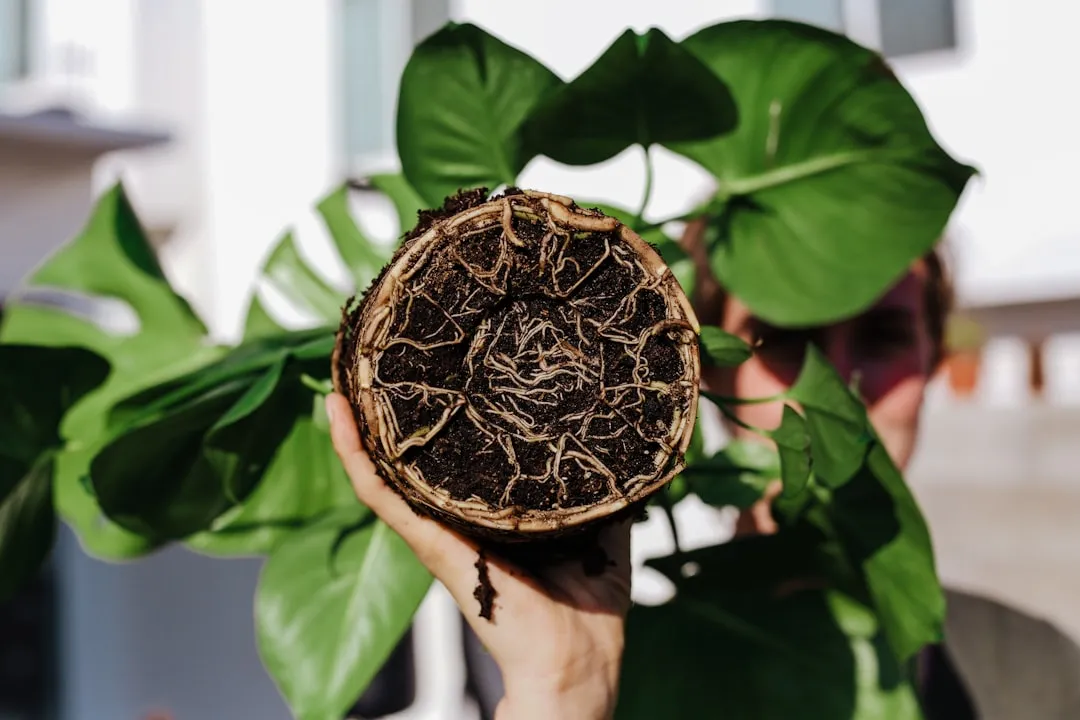
The most likely cause of brown leaves on a rosemary bush is root rot due to overwatering. It is also the hardest problem to spot early, because the damage happens underground before any visible symptoms appear above the soil line.
Root rot is caused by Phytophthora, a fungus that thrives in moist environments. Signs include wilting, slow growth, and leaves turning yellow and brown. By the time you notice the foliage changing color, the root system may already be seriously compromised.
The first sign of root rot is that the leaves turn a dull, sickly yellow before turning soft brown. The plant may look wilted even though the soil is wet. That contradiction, a wilting plant in damp soil, is one of the clearest signals that root rot, not thirst, is the actual problem.
Regular Watering Is Not the Same as Correct Watering
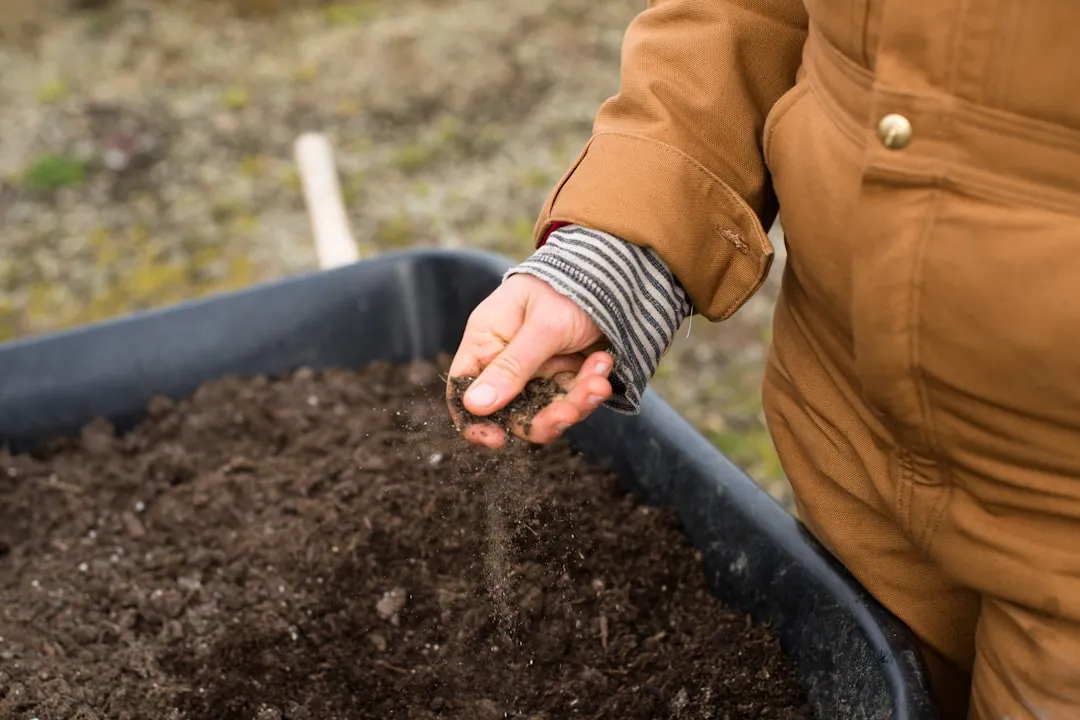
When you see the leaves turning brown, the first thing you usually do is give it more water. This actually causes the roots to die off, leaving root rot to take hold. It is one of the most common cycles in herb gardening: diagnosing drought when the real problem is saturation.
Watering on a strict schedule without checking soil moisture is a common mistake. Rosemary does not respond well to calendar-based watering routines. It needs soil assessment, not scheduling.
Rosemary should only be watered once every two weeks if there has been no natural rainfall for outdoor plants. Before watering, check whether the soil is dry by sticking your finger in. If the soil is damp up to the first digit of your index finger, you shouldn’t water the rosemary. This simple test takes seconds and can spare the plant weeks of stress.
Poor Soil Drainage Is the Silent Enabler
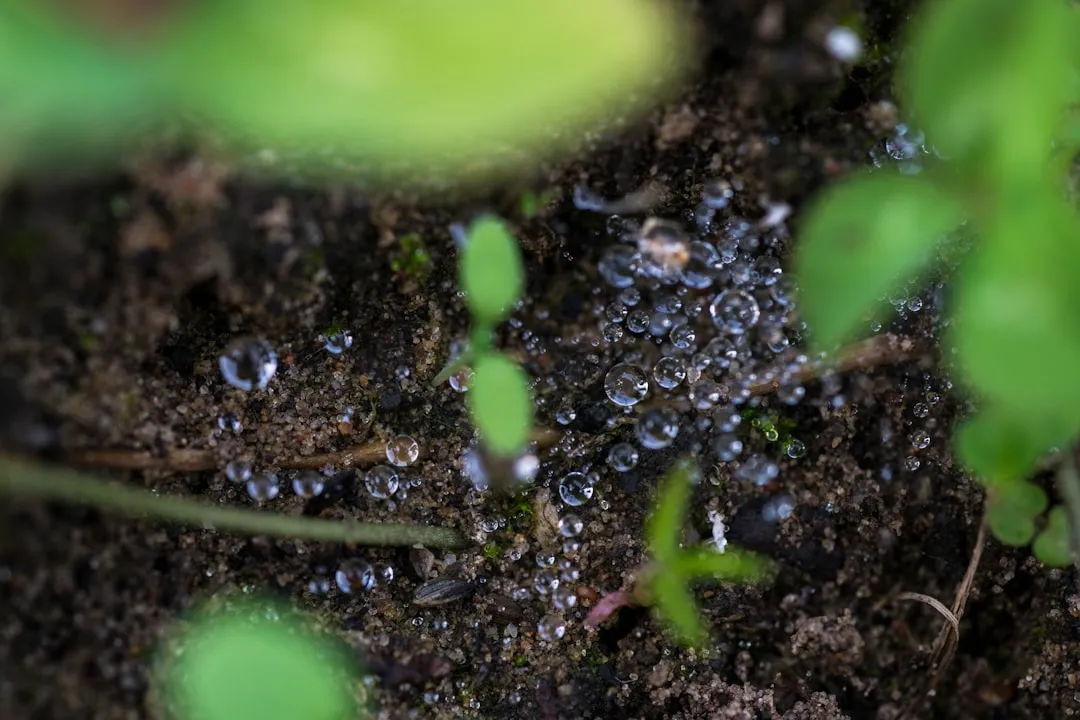
Root rot is especially problematic in waterlogged soils like heavy clay, or in container-grown rosemary without adequate drainage. Even if you water sparingly, the wrong soil type will hold that moisture long enough to create the same waterlogged conditions as overwatering would.
Heavy clay soil is not good for rosemary, causing problems with waterlogging and root rot. It also compacts easily, stopping oxygen from reaching the roots. Oxygen access matters as much as moisture levels, because the roots need to breathe to function at all.
Rosemary thrives in well-draining sandy or rocky soils on hillsides that do not retain water very effectively. The porous structure of sandy or stony soil allows for exceptional drainage, which helps keep the roots relatively dry and therefore prevents the root rot that causes rosemary to turn brown. If your garden beds are heavy, amending with coarse sand, perlite, or grit before planting makes a meaningful difference.
Container Plants Face Extra Risks
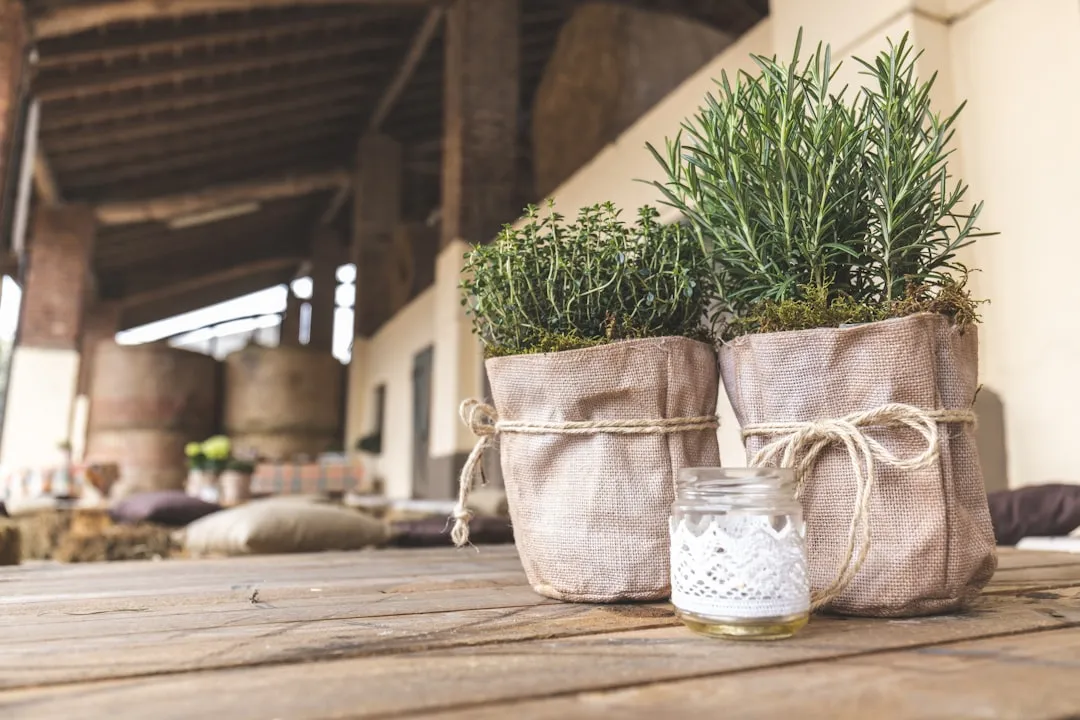
Rosemary in pots can suffer from poor growth and yellow or brown foliage due to being pot-bound or planted in a pot that does not have drainage holes in the base. A decorative pot without drainage turns quickly into a slow-draining reservoir, no matter how carefully you water.
For rosemary grown in containers, make sure the soil dries out between waterings and that the water drains away through the drainage holes in the base of the container. Pots that sit in saucers full of water are a particular problem, since the roots stay in permanent contact with standing moisture.
In severe cases, you may need to repot the plant into a fresh mix of 50% potting soil and 50% sand or perlite. Refreshing the growing medium entirely gives waterlogged roots a genuine chance to recover, rather than just sitting in amended versions of the same problem soil.
Fungal Diseases Add a Second Layer of Damage
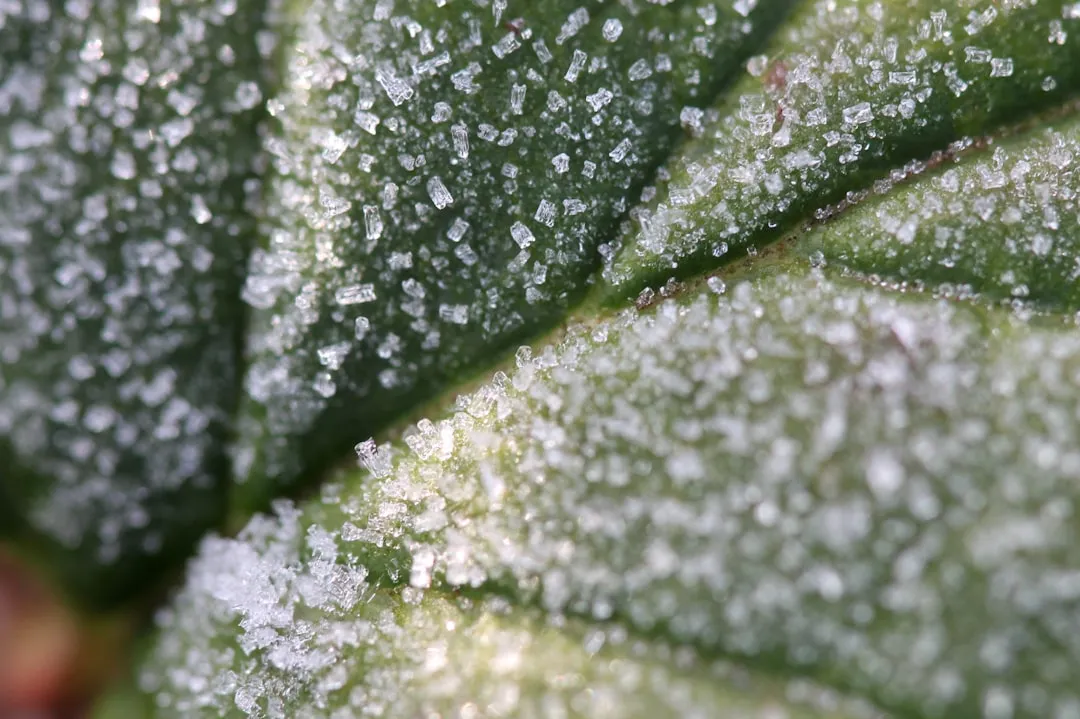
Powdery mildew and botrytis blight are the usual fungal suspects when it comes to brown spots on rosemary leaves. Powdery mildew leaves a whitish, fine spore dusting on the plant and thrives in a temperature range of 60 to 80 degrees Fahrenheit. It tends to flourish precisely when many gardeners consider the weather mild and pleasant.
Botrytis cinerea is a fungus that affects the healthy tissues of the rosemary plant, with its sporulation and spread favored by moist, humid weather conditions. It manifests as a fuzzy, grayish-brown mold and can cause parts of the plant, such as stem tips, to wilt and die back.
Heavily infected leaves turn brown and shrivel. Disease spread can be minimized by avoiding overcrowded spacing of plants and by carefully picking off affected leaves as soon as symptoms are evident. Catching fungal issues early is the decisive factor in whether the plant recovers or continues to decline.
Insufficient Sunlight Compounds Every Other Problem
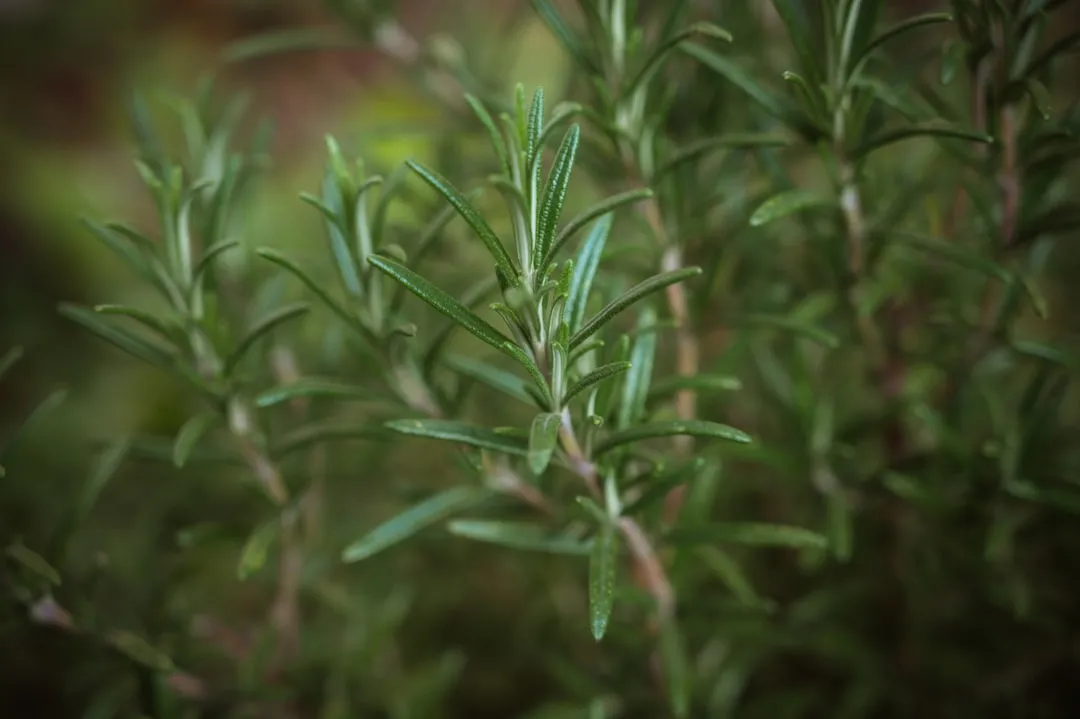
Rosemary needs at least six to eight hours of direct sunlight a day. If you are moving a plant indoors for the winter, a south-facing window is rarely enough; you will likely need a supplemental LED grow light to prevent the winter browns. Light deprivation slows the plant’s metabolism and leaves it far less able to cope with any additional stressor.
Powdery mildew usually spreads when the soil is too moist or there isn’t enough sunlight reaching the plant. Poor air circulation and ventilation can also contribute to its appearance. Low light and high moisture create a compounding effect, where each problem accelerates the other.
Growing healthy rosemary as a houseplant can be challenging unless it receives adequate sunlight. If it doesn’t, powdery mildew can rear its ugly head. This is one of the main reasons indoor rosemary tends to struggle far more than outdoor plants, even with careful watering.
Poor Air Circulation Quietly Drives Browning
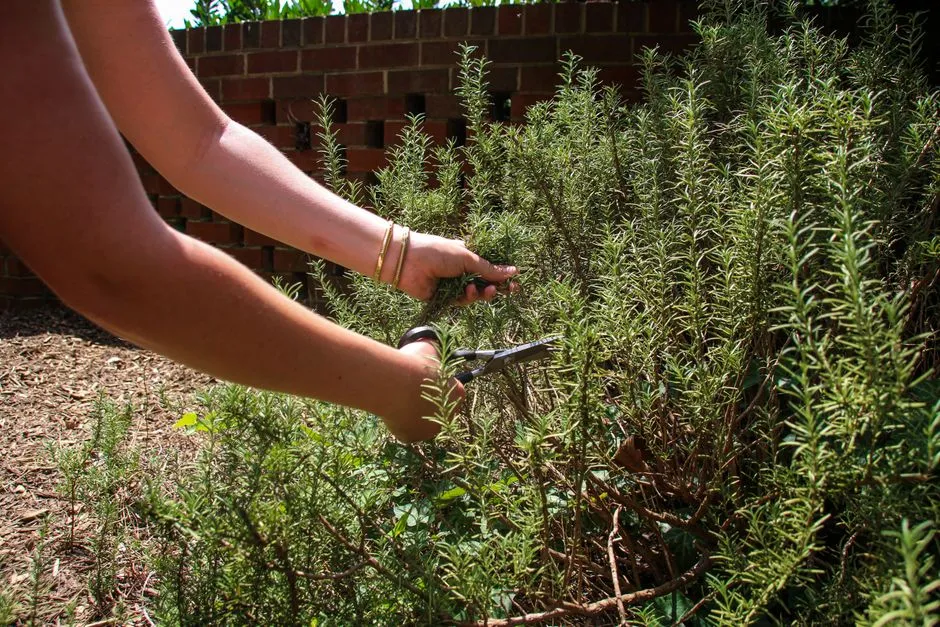
Rosemary needs high air circulation. If your plants are crowded, prune them back to allow air to flow through the center. Avoid overhead watering and always water at the base to keep the foliage dry. Wet foliage in stagnant air is one of the most reliable ways to trigger fungal disease in rosemary.
Indoor winter rosemary usually dies from a combination of too little light, overwatering, and poor air circulation, which together invite root rot and powdery mildew. These three factors reinforce each other quickly, especially in centrally heated homes where air barely moves.
Pruning to thin out dense foliage will improve air circulation, allowing the leaves and stems to dry more quickly after rain or watering. Watering at the base of the plant in the morning, rather than overhead in the evening, also helps to ensure the foliage remains as dry as possible.
How to Tell Overwatering from Underwatering at a Glance
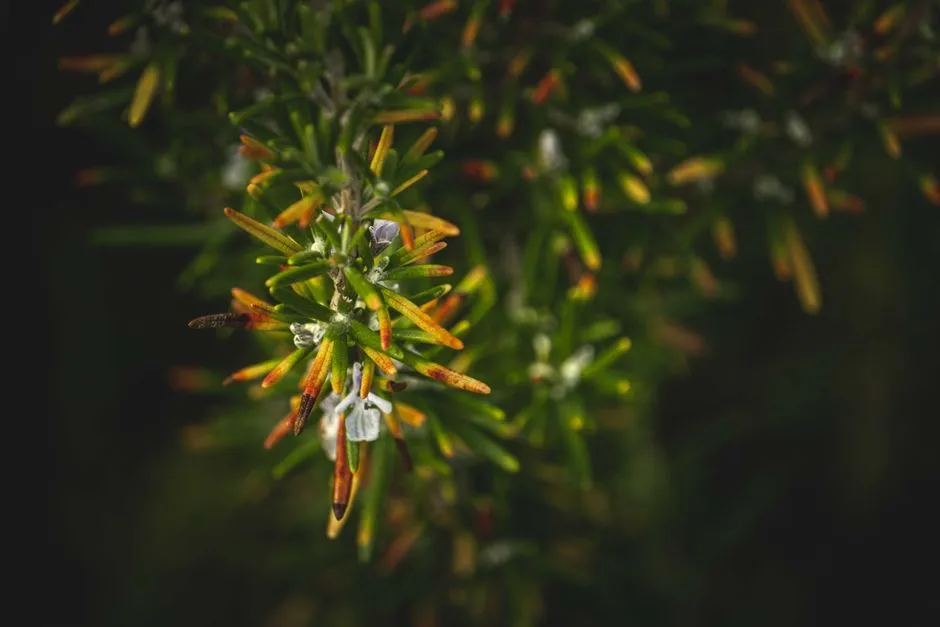
Overwatered rosemary has wet, soggy, sometimes sour-smelling soil, may droop, and often rots from the inner and lower growth, while underwatered rosemary has bone-dry soil and dry, brittle, crispy needles that crumble. The difference is visible once you know what to look for, but easy to misread at first glance.
Browning leaf tips or crispy edges can result from underwatering, excessive heat, or fertilizer burn, so check if the soil is bone dry or if you’ve recently fed your plant. Fertilizer burn is a frequently overlooked culprit, particularly when gardeners use nutrient-rich mixes designed for heavy feeders rather than for drought-adapted herbs.
To determine if a rosemary plant is still alive, perform a scratch test on the stem: green, moist tissue means the plant is salvageable, while brittle, brown stems indicate it may be beyond saving. This quick test takes no tools and gives you an honest answer within seconds.
Practical Steps to Revive a Browning Rosemary Plant
Dip or spray the roots in a diluted hydrogen peroxide solution of one part peroxide to two parts water. Then replant the rosemary in an extra well-drained area where the roots can breathe. This helps address any lingering fungal presence in the root zone while giving the plant a cleaner start.
Prune away any dead or damaged foliage. Only water rosemary when the upper few inches of soil have completely dried out. Locate the rosemary in a warm, sunny area. These three combined changes address the core drivers of most browning issues simultaneously.
Many rosemary plants can come back to life within two to four weeks. If a dying rosemary does not bounce back after transplanting, you may need to start over or address other potential issues. Recovery is genuinely possible in most cases, provided the roots haven’t been destroyed entirely and the plant still has some living green stem tissue remaining.
The Takeaway
Rosemary asks for very little, but it asks for that little with some precision. A plant that receives regular water in heavy soil, low light, and poor airflow is living under near-constant stress, even if it looks fine for months before it doesn’t. The browning and crispiness that show up despite attentive care are almost always the plant’s delayed response to conditions that were quietly wrong from the start.
Mimic the Mediterranean: gritty soil, full sun, restrained watering, and good airflow. Get those four things reasonably right, and rosemary tends to look after itself with very little additional help.
AI Disclaimer: This article was created with the assistance of AI tools and reviewed by a human editor.