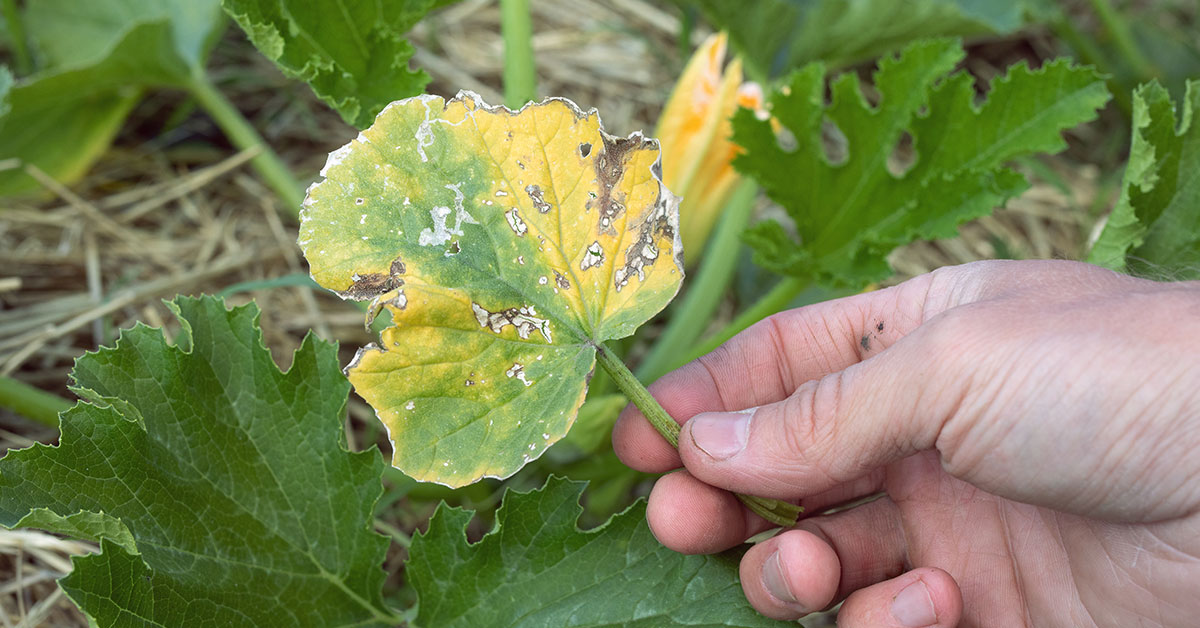

As a gardener, there’s nothing more disheartening than seeing your plants’ vibrant green leaves start to turn yellow. It’s a clear sign that something isn’t quite right, but with so many potential causes, it can be tricky to diagnose the issue. Yellowing leaves, also known as chlorosis, can be a symptom of a variety of problems, ranging from environmental stress to nutrient deficiencies or even pests.
In this article, we’ll explore ten common reasons why your plants’ leaves might be turning yellow. By understanding these potential issues, you can take the necessary steps to address the problem and restore your plants to their full health. Whether you’re dealing with indoor houseplants or outdoor garden beds, these insights will help you keep your plants looking their best!
Overwatering
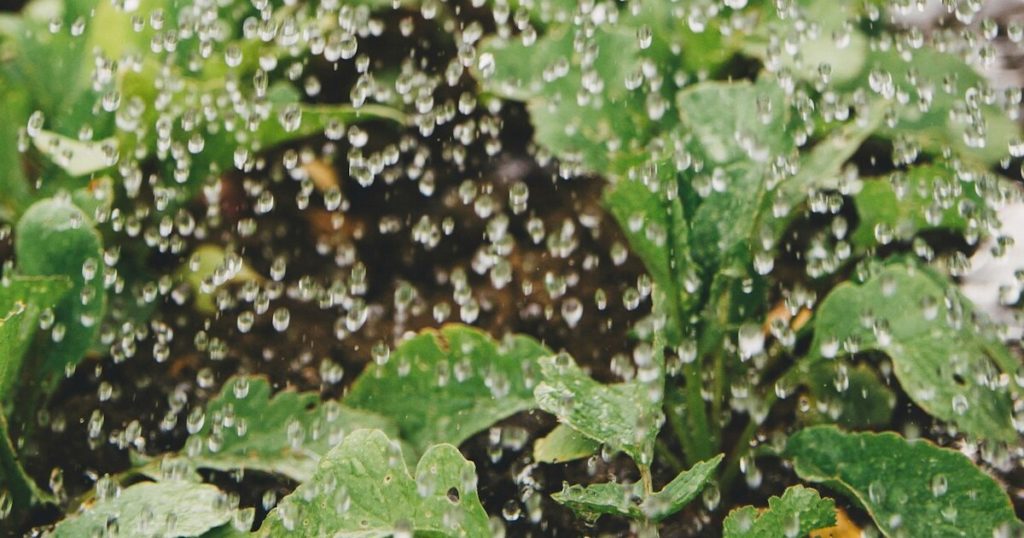
One of the most common reasons for yellowing leaves is overwatering. While it’s natural to want to keep your plants well-hydrated, too much water can be just as harmful as too little. When plants are overwatered, their roots can become waterlogged and oxygen-starved, leading to root rot. This damage to the roots prevents the plant from absorbing water and nutrients properly, which in turn causes the leaves to turn yellow.
To avoid overwatering, make sure you’re watering your plants only when the top inch of soil is dry. Different plants have different water needs, so it’s important to research the specific requirements of your plants. Additionally, ensure that your pots or garden beds have good drainage to prevent water from pooling around the roots. By adjusting your watering habits, you can help your plants thrive and keep their leaves healthy and green.
Underwatering

On the flip side, underwatering can also cause your plants’ leaves to turn yellow. When plants don’t receive enough water, they can’t carry out essential processes like photosynthesis, which leads to stress and leaf discoloration. In extreme cases, underwatered plants may develop crispy, brown edges in addition to yellowing leaves.
To prevent underwatering, make sure to monitor the moisture level of your soil regularly, especially during hot or dry periods. Water your plants deeply and consistently, ensuring that the water reaches the root zone. If you’re growing plants in containers, remember that they may dry out more quickly than those in the ground, so they may require more frequent watering. Keeping a close eye on your plants’ water needs will help maintain their health and prevent yellowing leaves.
Nutrient Deficiencies
Nutrient deficiencies are another common cause of yellowing leaves. Plants require a variety of essential nutrients to grow and thrive, and if any of these nutrients are lacking, it can lead to chlorosis. For example, a nitrogen deficiency often causes older leaves to turn yellow, while newer leaves remain green. A lack of iron, on the other hand, typically results in yellowing between the veins of younger leaves.
To address nutrient deficiencies, you can start by testing your soil to determine which nutrients are lacking. Based on the results, you can amend the soil with the appropriate fertilizers or organic matter to restore nutrient balance. For container plants, consider using a balanced, water-soluble fertilizer to ensure they receive all the necessary nutrients. By providing your plants with the nutrients they need, you can prevent yellowing leaves and promote healthy growth.
Poor Drainage

Poor drainage is a sneaky culprit behind yellowing leaves. When soil doesn’t drain well, it can lead to waterlogged roots and root rot, similar to the effects of overwatering. Compacted soil, heavy clay, or pots without drainage holes can all contribute to poor drainage, creating an environment where plant roots struggle to access the air and nutrients they need.
To improve drainage, consider amending your soil with organic matter like compost, which can help loosen the soil and improve its structure. For container plants, make sure your pots have drainage holes, and consider adding a layer of gravel or small stones at the bottom to enhance drainage. If your garden soil is particularly heavy, you might also consider raised beds, which offer better control over soil conditions. Improving drainage will go a long way in keeping your plants healthy and their leaves green.
Pest Infestations

Pests can be another cause of yellowing leaves, as they can damage plants by feeding on their leaves, stems, or roots. Common garden pests like aphids, spider mites, and whiteflies can suck the sap out of leaves, leading to yellowing and wilting. Root-dwelling pests, like root aphids or nematodes, can also cause similar symptoms by damaging the plant’s root system.
To combat pests, regularly inspect your plants for signs of infestation, such as small holes, sticky residue, or visible insects. If you spot any pests, try using natural remedies like insecticidal soap, neem oil, or introducing beneficial insects like ladybugs to control the population. For severe infestations, you may need to resort to chemical pesticides, but always use them sparingly and follow the manufacturer’s instructions. Keeping pests in check will help your plants stay healthy and prevent their leaves from turning yellow.
Temperature Stress
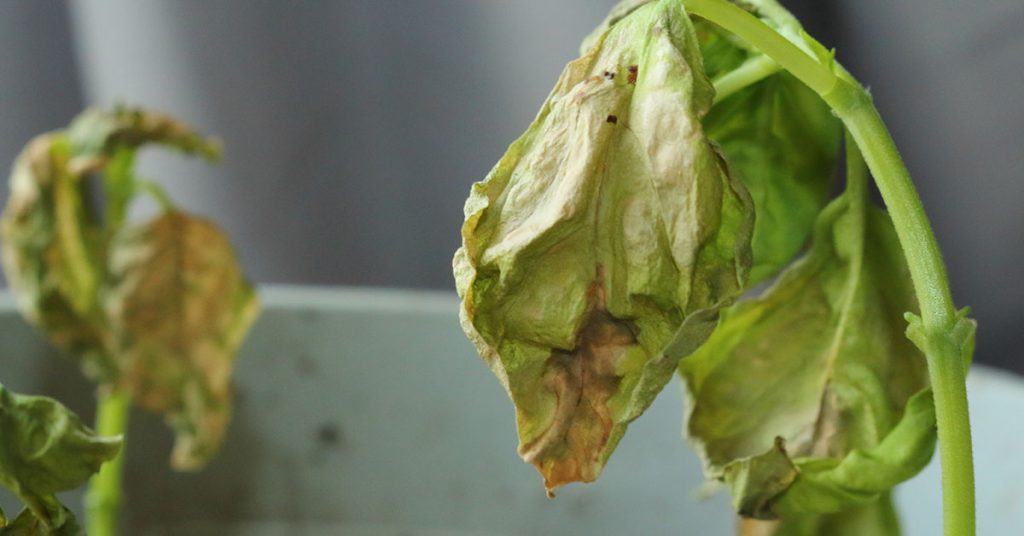
Temperature stress, whether from extreme heat or cold, can cause your plants’ leaves to turn yellow. Most plants have an optimal temperature range for growth, and when temperatures fluctuate outside this range, it can lead to stress and yellowing leaves. For example, sudden cold snaps can cause tropical plants to develop yellow leaves, while prolonged exposure to high temperatures can have a similar effect on more temperate species.
To protect your plants from temperature stress, try to keep them within their preferred temperature range. For outdoor plants, this might mean providing shade during the hottest part of the day or using frost covers during cold snaps. Indoor plants can be moved away from drafty windows or direct heat sources like radiators. By creating a stable environment, you can help prevent yellowing leaves caused by temperature fluctuations.
Root Bound

When a plant becomes root-bound, its roots outgrow the container it’s planted in, leading to yellowing leaves and stunted growth. As the roots circle around the pot and become tightly packed, they can no longer absorb water and nutrients effectively. This condition is common in potted plants that have been in the same container for a long time and can also happen in garden plants that are planted too close to one another.
If you suspect a plant is root-bound, carefully remove it from its pot and examine the roots. If they are tightly packed and circling the pot, it’s time to repot the plant into a larger container with fresh soil. Gently loosen the roots before replanting to encourage them to spread out into the new soil. For garden plants, thinning or transplanting to provide more space can help alleviate the issue. Addressing root-bound conditions will give your plants room to grow and help restore their health.
Improper Light Exposure
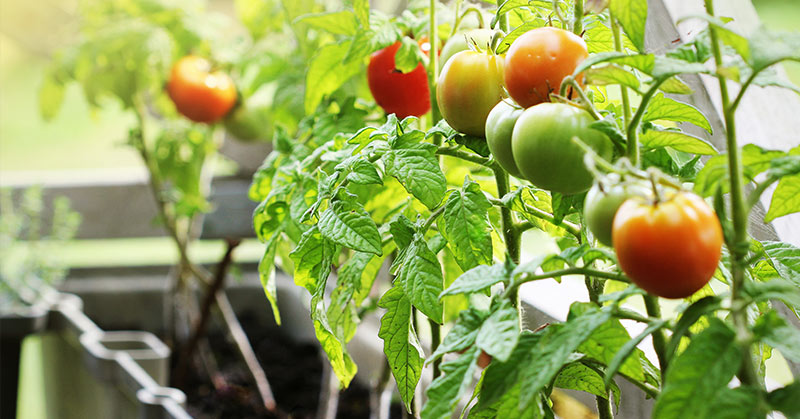
Light is a crucial factor in plant health, and improper light exposure can lead to yellowing leaves. Too much direct sunlight can cause sunburn, leading to yellow or brown patches on the leaves. On the other hand, too little light can cause the leaves to turn yellow as the plant struggles to photosynthesize effectively. This is particularly common in indoor plants that are placed too far from a light source or outdoor plants that are shaded by larger plants or structures.
To correct light-related yellowing, assess the light needs of your plants and adjust their location accordingly. For sun-loving plants, ensure they receive plenty of direct sunlight, especially during the growing season. For shade-loving plants, provide filtered light or move them to a shadier spot if they’re receiving too much sun. If you’re growing plants indoors, consider supplementing with grow lights if natural light is insufficient. By providing the right amount of light, you can help your plants thrive and prevent yellowing leaves.
Soil pH Imbalance
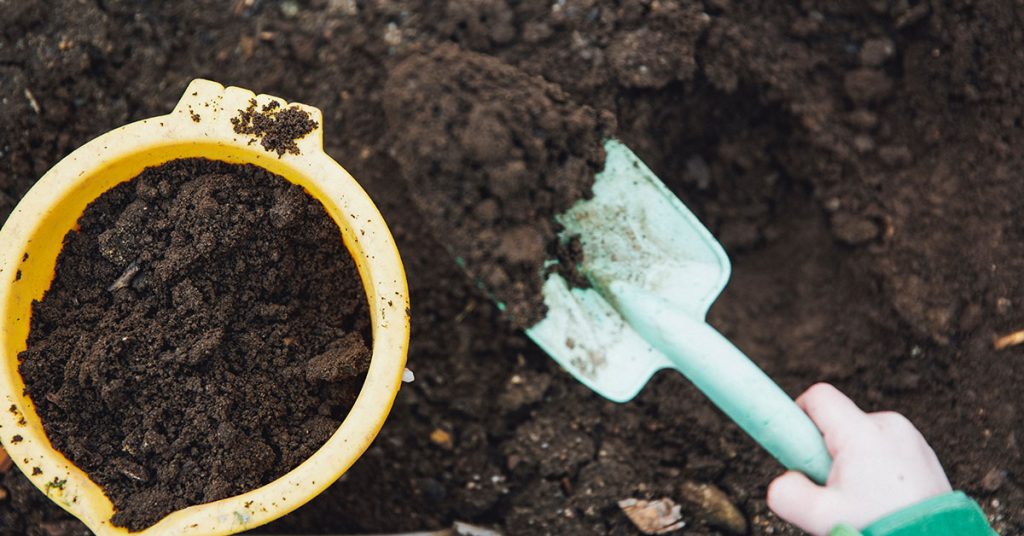
Soil pH plays a vital role in nutrient availability for plants, and an imbalance can cause yellowing leaves. Most plants prefer a slightly acidic to neutral pH range (around 6.0 to 7.0), but if the soil is too acidic or too alkaline, it can lock up essential nutrients, making them unavailable to the plant. This nutrient deficiency manifests as yellowing leaves, often with specific patterns depending on which nutrient is lacking.
To address soil pH issues, start by testing your soil with a pH meter or test kit. If the pH is too high (alkaline), you can lower it by adding sulfur or organic matter like peat moss. If the pH is too low (acidic), lime or wood ash can help raise it. It’s important to adjust pH gradually and retest the soil after a few weeks to ensure it’s within the desired range. By maintaining the proper soil pH, you can ensure your plants have access to the nutrients they need to stay healthy.
Aging
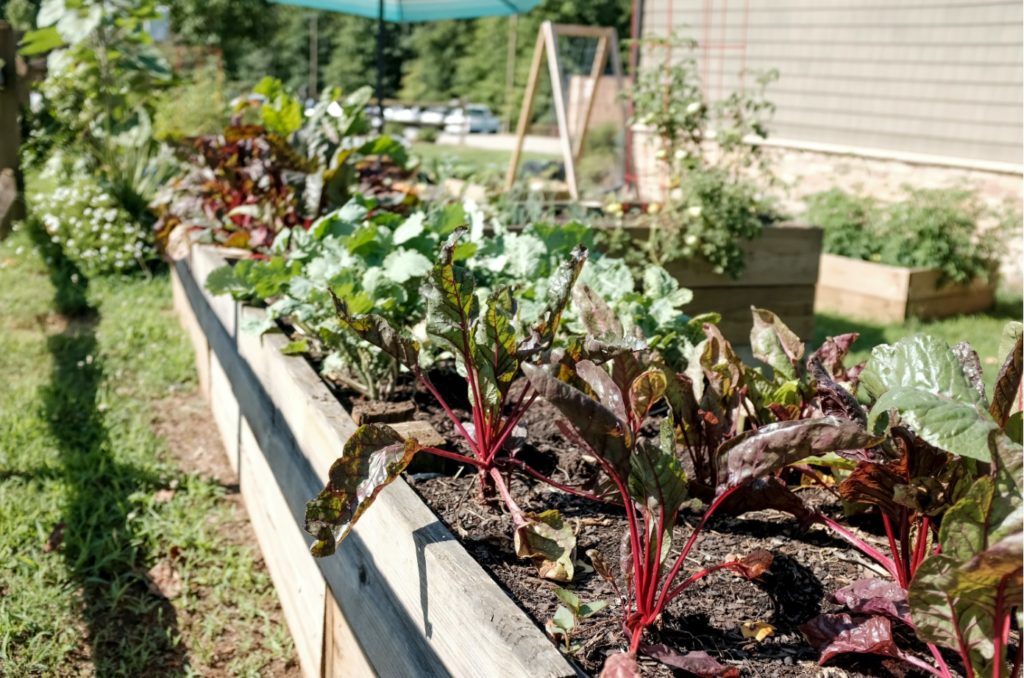
Sometimes, yellowing leaves are simply a natural part of the plant’s life cycle. As plants age, it’s normal for older leaves to turn yellow and eventually fall off, especially in the lower parts of the plant. This process allows the plant to conserve energy and direct resources to new growth. While it’s not usually a cause for concern, it’s important to distinguish between natural aging and yellowing caused by stress or disease.
If you notice that only the oldest leaves are turning yellow while the rest of the plant remains healthy, it’s likely just a sign of aging. You can gently remove the yellowing leaves to improve the plant’s appearance and prevent any potential disease from spreading. However, if younger leaves are also turning yellow, it’s worth investigating further to rule out other issues. Understanding the natural aging process will help you manage your plants’ health more effectively.
So What Should You Do?

Yellowing leaves can be a sign of many different issues, from environmental stress to nutrient deficiencies or even pests. By identifying the cause of the problem and taking appropriate action, you can help your plants recover and thrive. Remember that plants are living organisms with specific needs, and providing the right care is essential to keeping them healthy and vibrant.
Whether you’re a seasoned gardener or just starting out, understanding the reasons behind yellowing leaves will empower you to make informed decisions and keep your garden looking its best. So, the next time you spot a yellow leaf, don’t panic—use the tips in this article to diagnose the problem and bring your plants back to their full glory.