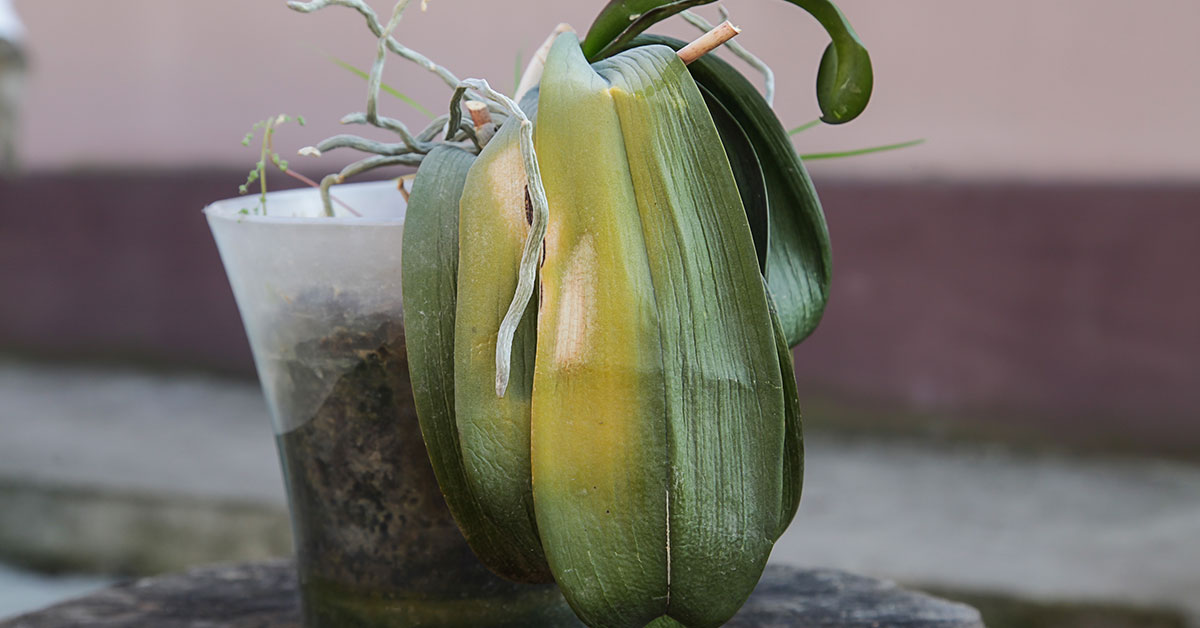

Orchids are a beautiful and diverse family of flowering plants, but sometimes their leaves can become yellow. Orchid leaves turning yellow are a sign of distress and can be caused by a variety of factors. In this article, we’ll explore common causes of yellowing orchid leaves and discuss how to diagnose and address the problem. We’ll also discuss the importance of good orchid care and how to prevent yellow leaves in the future.
What Causes Orchid Leaves To Turn Yellow
Yellowing orchid leaves are often caused by a variety of environmental factors. This includes too much or too little light, too much or too little water, and improper fertilization. If the orchid is not getting enough light, the leaves will turn yellow and begin to drop off. If the orchid is getting too much light, the leaves will begin to discolor and then turn yellow.
Too much water can also cause the leaves to turn yellow due to root rot. This is due to the roots not being able to absorb enough water which causes the leaves to yellow and drop off. Improper fertilization can also cause the leaves to turn yellow. Too much fertilizer can cause the leaves to become discolored and eventually yellow. The best way to prevent orchid leaves from turning yellow is to provide the plant with the appropriate amount of light, water, and fertilizer.
Preventing Yellowing Leaves
To prevent orchid leaves from turning yellow, be sure to provide your orchid with the appropriate amount of light and temperature. Place the orchid in an area that receives bright, indirect sunlight. Too much direct sunlight can cause the leaves to yellow. For optimal growth, the temperature of the room should be 65 degrees during the day and 75 degrees Fahrenheit at night. Water your orchid regularly, allowing the soil to dry out between waterings. Avoid overwatering, as this can cause the leaves to yellow and rot. Additionally, fertilize the orchid every two weeks to provide the plant with the nutrients it needs to thrive.
When it comes to preventing pests that can cause orchid leaves to yellow, it is important to properly inspect the plant for signs of infestation. Regularly inspect the plant for any signs of pests such as small webs, yellowing or browning leaves, or tiny bugs. If you spot any of these signs, take immediate action to remove the pests. This can be done by using an insecticidal soap or neem oil solution to manually remove the pests or by using an insecticide. Additionally, it is important to keep the plant in a warm, well-ventilated area and to water the plant sparingly to prevent pests from taking hold.
Pruning off dying foliage
When pruning yellow, dead orchid leaves, it is important to use sterilized, sharp scissors or pruning shears. Begin by cutting off the yellow or dead leaves at their base, at the point where they branch off from the stem. Make sure to cut away from the stem and not towards it, so that you do not damage the stem. Once you’ve cut off the dead leaves, inspect the stem for any additional yellow leaves or signs of damage. If you find any, cut them off as well. Be sure to remove any flower buds or inflorescences that have died and are still clinging to the stem. Pruning off yellow or dead leaves regularly will help keep your orchid in good health and encourage new growth.