

More Common Than You Think

Almost one in five Americans over the age of 40 reports some alteration in their sense of taste. Meanwhile, one in twenty Americans reports experiencing dysgeusia, a disorder characterized by distorted taste, and this disorder is often persistent.
Research suggests up to 17% of people in the U.S. experience dysgeusia at some point in their lives. That’s a significant portion of the population walking around at some point wondering why everything tastes like a hardware store.
Dysgeusia is more commonly reported in women, accounting for roughly 64% of reported cases. The reasons behind that gender gap tie closely to hormonal factors, which we’ll get to shortly.
The Medication Connection

A metallic perception is perhaps the most common taste quality reported for dysgeusia and is a side effect of many medications, including antibiotics, antipsychotics, antiarthritics, and antihypertensives.
According to research, information about 282 drugs out of the 1,645 drugs registered in one study’s database mentioned dysgeusia as a side effect. That amounts to roughly one in six registered drugs. Common culprits include antibiotics such as clarithromycin and metronidazole, the gout medicine allopurinol, blood pressure medications including captopril, lithium used for certain psychiatric conditions, and metformin, a diabetes medication.
Medications may directly damage taste bud cells or alter saliva composition, changing how flavors dissolve and reach taste receptors. If you started a new prescription recently and your mouth suddenly tastes off, it’s worth mentioning to your prescribing doctor.
Poor Oral Hygiene Is a Surprisingly Direct Cause
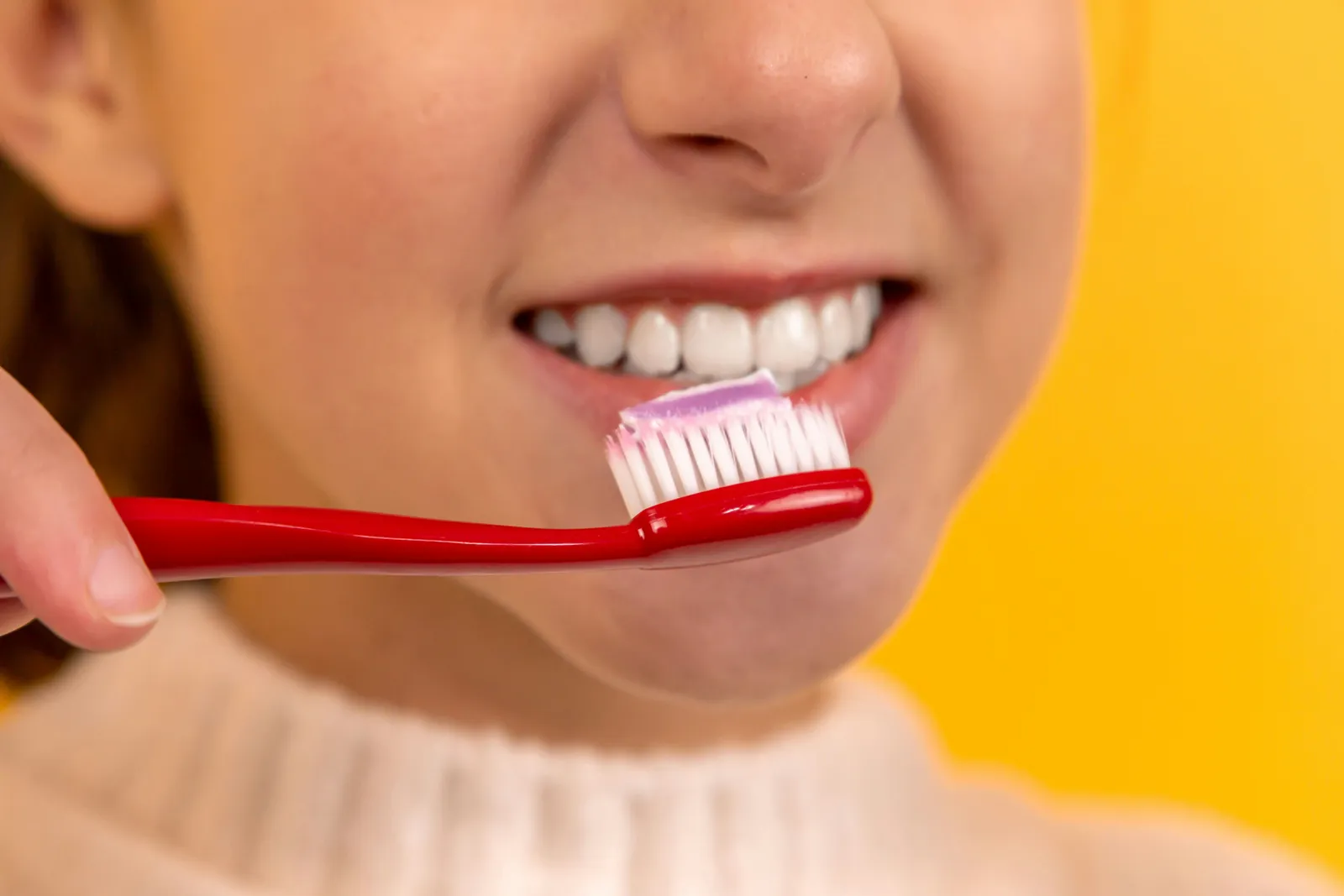
Poor dental health is one of the most common causes of having a metallic taste in your mouth. It often goes overlooked precisely because people assume something more dramatic must be to blame.
The bacteria in oral cavity infections, such as dental cavities that form from tooth decay, can cause changes in how taste buds detect and identify taste. The link isn’t subtle either. Specifically, gingivitis or periodontitis can cause bleeding gums, releasing iron into the mouth and producing a metallic taste.
Oral thrush, a fungal infection, can introduce yeast and toxins into the mouth that modify taste perception. Regular brushing, flossing, and dental checkups aren’t just about cavities; they’re also a direct defense against phantom metallic flavors.
Colds, Sinus Infections, and Respiratory Illness

Research shows that taste receptors play an important role in the immune system. In addition to helping you taste food, these receptors also help protect you from upper respiratory tract infections and sinus infections. When you get sick with a cold or sinus infection, these receptors can get damaged, altering your sense of taste. This can sometimes cause you to feel a metallic taste in your mouth.
When the sinuses are congested, taste and smell receptors can malfunction, creating a metallic taste. This usually resolves once the infection improves. So that strange taste after a bad cold is often just your taste receptors recovering, not a sign of something more serious.
Pregnancy and Hormonal Shifts

Dysgeusia, an altered or phantom taste, affects up to 93% of pregnant women in some studies, making it one of the most common and least-discussed early pregnancy symptoms. For many women, it shows up before they’ve even confirmed the pregnancy.
A metallic taste often shows up in early pregnancy, sometimes as soon as a week or two after conception. Because it can start so early, some women notice it before they’ve even missed a period or taken a pregnancy test. It’s most common in the first trimester, usually around weeks 4 to 6, though timing and intensity can vary from person to person.
This change in the way taste buds work is associated with the surge of hormones the body produces during pregnancy, particularly oestrogen, progesterone, and human chorionic gonadotropin. While these hormones are vital for supporting pregnancy, they can make taste buds more sensitive, altering how flavors are perceived and increasing saliva acidity. Fortunately, for most expectant mothers, the metallic taste begins to fade towards the end of the first trimester and is often gone completely by the second trimester.
Vitamin and Mineral Deficiencies

A metallic taste in the mouth can be caused by deficiencies in certain vitamins and minerals, most commonly a severe zinc deficiency. Vitamin B12 deficiency has also been identified as a possible cause. These deficiencies can affect taste perception and may lead to a persistent metallic or unpleasant taste.
A vitamin B12 deficiency can impair a person’s ability to produce red blood cells, which transport oxygen throughout the body. Severe deficiency may begin affecting the nerves, resulting in a metallic taste in the mouth.
Iron deficiency and vitamin B12 deficiency are also associated with taste changes, and both are checked with routine bloodwork. These are among the more straightforward causes to identify and address, which makes them worth ruling out early if the taste persists.
Kidney Disease and Systemic Conditions
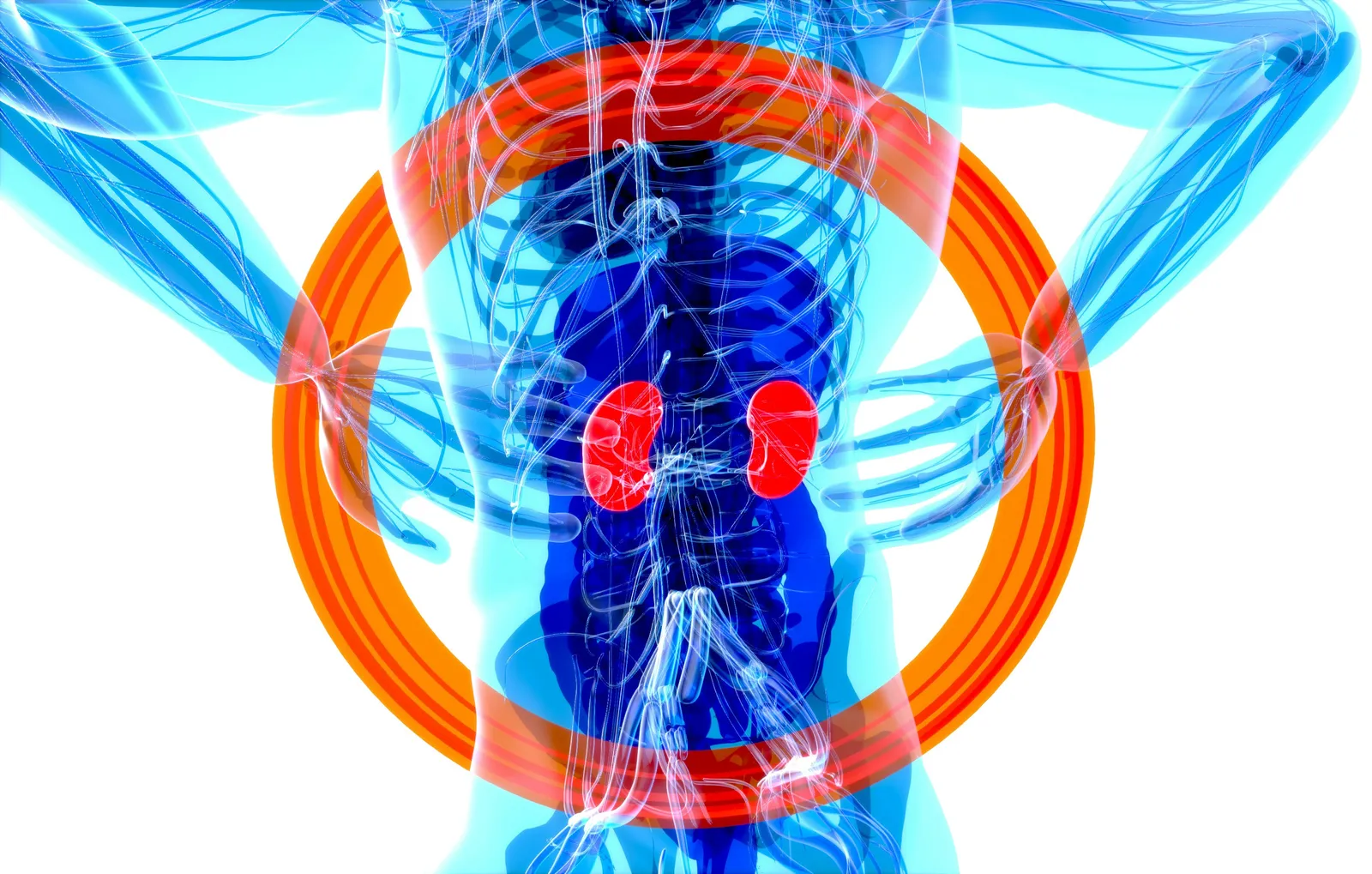
When the kidneys are not functioning properly, waste materials can build up in the blood. This accumulation can cause a person to experience fatigue and a metallic taste in the mouth. It’s one of the more overlooked signals of declining kidney function.
Chronic kidney disease can cause a metallic taste through a buildup of waste products the kidneys would normally clear, checked with routine kidney function bloodwork. The taste is essentially the body’s way of registering that something isn’t being filtered out as it should be.
According to research published in the Journal of the American Dental Association, metallic taste has been reported as a side effect of multiple systemic health conditions, including thyroid problems and diabetes. These connections underline why a persistent metallic taste that doesn’t resolve on its own deserves medical attention.
Acid Reflux and GERD

GERD can create stubborn sour-taste sensations through increased oral sensitivity combined with acid reflux into the oropharynx. Patients typically report that sour-tasting meals worsen the sensation, accompanied by eructation and regurgitation.
Dysgeusia accompanies illnesses such as gastroesophageal reflux disease, oral yeast infections, and burning mouth syndrome, a pain disorder primarily affecting postmenopausal women. Acid working its way up into the mouth changes the chemical environment there, which is enough to alter how your taste receptors respond.
The tricky part is that GERD doesn’t always announce itself with obvious heartburn. Sometimes a persistent metallic or sour taste is the most noticeable symptom, which means it can go undiagnosed for longer than it should.
Heavy Metal Exposure

Heavy metal exposure, including lead, mercury, arsenic, or cadmium, can cause a metallic taste alongside nonspecific gut, nerve, skin, or kidney symptoms, and is worth mentioning if there is relevant occupational, hobby, or well-water exposure. It is confirmed with a targeted blood or urine test.
Inhaling or ingesting specific chemicals, such as mercury and lead, can cause a metallic taste, frequently indicative of heavy metal poisoning. This is a less common cause overall, but it’s one that tends to be underestimated by people in certain occupational settings such as metalworking, painting, or plumbing.
If the metallic taste comes with symptoms like headache, fatigue, nausea, or tingling in the hands, and you work in an environment with chemical or metal exposure, getting tested is the responsible next step. It’s a simple test and one that can be genuinely important.
Chemotherapy and Cancer Treatment

Chemotherapy and radiation treatments can alter taste perception, especially when targeting the neck and head. They can damage taste buds and salivary glands, leading to a metallic taste often termed “chemo mouth.”
Chemotherapy often induces damage to the oral cavity, resulting in oral mucositis, oral infection, and salivary gland dysfunction. Oral mucositis consists of inflammation of the mouth, along with sores and ulcers in the tissues. The effects can significantly impact a patient’s appetite and nutritional intake at an already difficult time.
Research is actively exploring the mechanisms behind this. A 2025 French study investigated the role of oxidative stress and salivary markers in metallic taste during head and neck cancer treatment, with researchers from multiple institutions looking at therapeutic interventions. Understanding what drives chemo-related dysgeusia may eventually lead to better ways to manage it.
When to Actually See a Doctor

Most cases of metallic taste are temporary and resolve on their own once the underlying cause clears up. It is possible to have a lifelong taste disorder, but in most cases, metal mouth goes away once the underlying cause is resolved.
The taste buds send signals to the brain through the cranial nerves. Conditions that can cause injury to the central nervous system, such as Bell’s palsy, can lead to taste disorders. This is a less common pathway but worth knowing, particularly if the taste change comes with any facial weakness or numbness.
A metallic taste that lasts more than a few weeks, appears with fatigue, swelling, or other physical symptoms, or has no obvious explanation like a cold or new medication warrants a visit to your doctor. Routine bloodwork covering kidney function, B12, zinc, and iron levels can rule out the most common systemic causes quickly. The taste itself is rarely dangerous, but it can be a useful signal worth listening to.
The Takeaway
A sudden metallic taste in your mouth is rarely the alarming sign it might feel like in the moment. More often, it traces back to something manageable: a medication, a sinus infection, gum disease, or a nutritional gap. Known as dysgeusia, this metallic taste can indicate an underlying health issue ranging from a straightforward infection to a more intricate condition, with causes including medications, infections, pregnancy, nutritional deficiencies, poor oral hygiene, or underlying health conditions.
The body uses taste as one of its more direct feedback systems. When something shifts in your oral chemistry, your nervous system, or your hormonal balance, the mouth often notices first. Paying attention to when the taste appears, whether it’s tied to a new prescription, a recent illness, or a significant life change like pregnancy, usually points you toward a straightforward answer.
If it persists without a clear reason, that’s the cue to bring it up with a doctor. Not out of alarm, but out of curiosity. Often, the answer is simpler than you expect.
AI Disclaimer: This article was created with the assistance of AI tools and reviewed by a human editor.