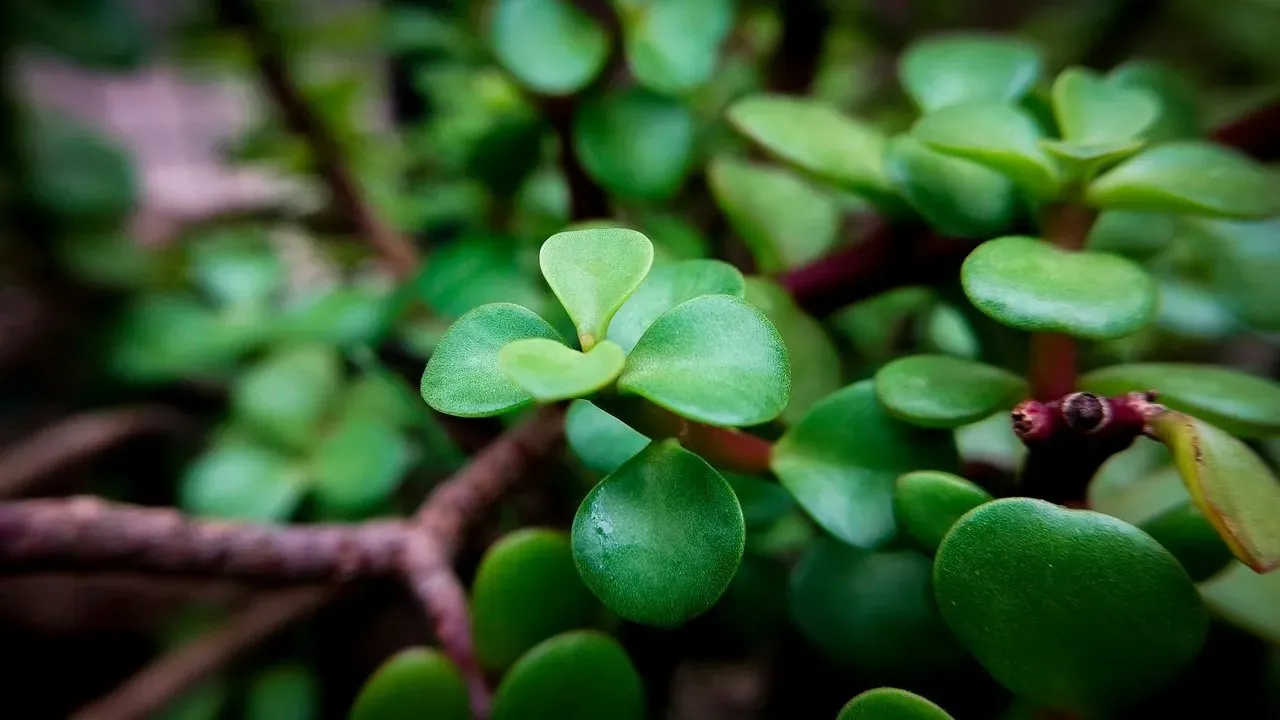

In Chinese culture the jade plant is cherished as a symbol of fortune and prosperity. Its thick, glossy leaves have made the species a staple in homes around the world. Yet many growers notice their plants suddenly shedding foliage or showing other signs of stress. The good news is that most of these issues trace back to a handful of common care missteps that can be corrected with straightforward adjustments. ([1])
Recognizing the First Signs of Trouble
Leaf drop often appears without warning. A plant that looked healthy one week can begin losing leaves the next. This symptom usually signals that conditions have shifted in ways the jade plant finds unfavorable. Checking soil moisture, light exposure, and temperature consistency provides the quickest path to identifying the cause.
Owners who act early tend to see recovery within a few weeks. Waiting too long can allow secondary problems, such as weakened stems, to develop. Regular observation of the plant’s appearance remains the most reliable monitoring method.
Addressing the Most Frequent Causes
Overwatering ranks among the leading triggers for leaf loss and root stress. Jade plants store water in their leaves and stems, so they tolerate dry spells better than constant moisture. Allowing the soil to dry thoroughly between waterings prevents the roots from sitting in soggy conditions that invite rot.
Insufficient light produces similar symptoms. While jade plants adapt to moderate indoor light, they perform best with several hours of bright, indirect sunlight each day. Moving a struggling plant to a brighter location often restores leaf retention without additional intervention.
Temperature swings and drafts can also prompt shedding. These plants prefer stable indoor environments away from heating vents or cold windows. Maintaining a consistent range between 65 and 75 degrees Fahrenheit supports steady growth and reduces stress responses.
Restoring Plant Health Step by Step
Begin by assessing the soil. If it feels damp several days after watering, reduce frequency immediately. Repotting into fresh, well-draining soil may be necessary if root rot has already started. Pruning away damaged leaves helps the plant redirect energy toward new growth.
Gradual changes work better than sudden overhauls. Shifting light levels or watering routines too quickly can create additional shock. Small, consistent adjustments allow the jade plant to adapt while preserving its characteristic thick, glossy foliage.
Once conditions stabilize, new leaves typically emerge within a month or two. Patience during this recovery phase rewards growers who resist the urge to overcorrect.
Long-Term Care for Continued Prosperity
Established routines prevent most recurring problems. Water only when the top inch of soil feels dry, and fertilize sparingly during the active growing season. Periodic inspection for pests or discoloration catches issues before they spread.
Many gardeners find that a jade plant maintained with these practices continues to thrive for years, reinforcing its reputation as a symbol of enduring fortune. The same attention that revives a struggling specimen also keeps healthy plants looking their best.
AI Disclaimer: This article was created with the assistance of AI tools and reviewed by a human editor.