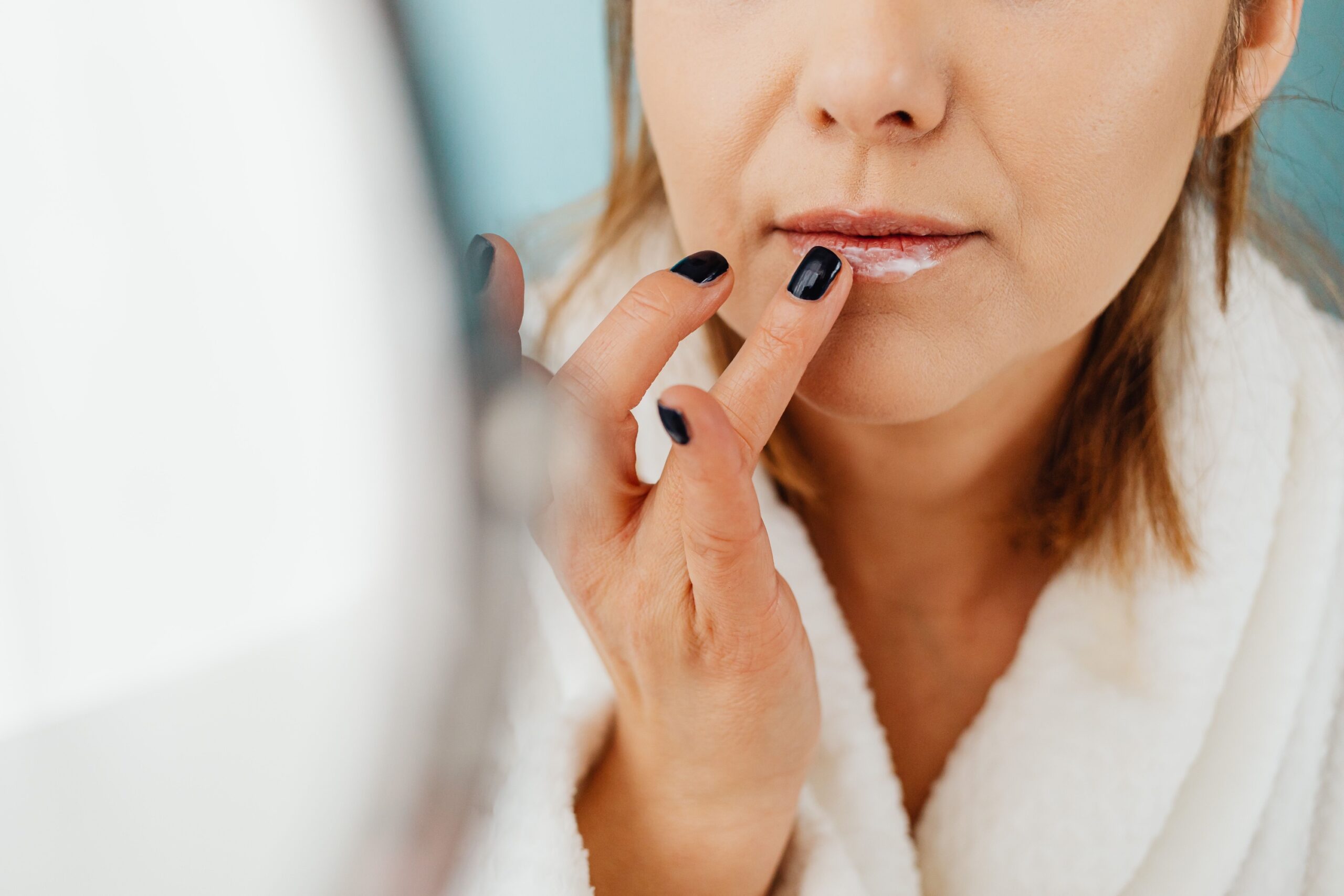

Your Lips Are Built Differently Than the Rest of Your Skin
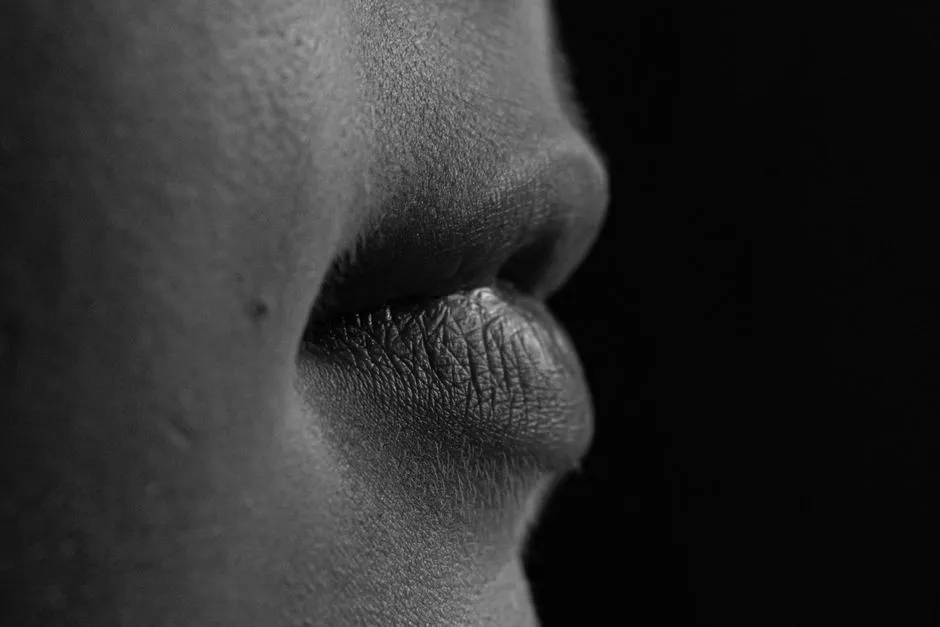
Before getting into the licking part, it helps to understand just how exposed lip skin actually is. The lip vermilion is only three to five cell layers thick, compared to around sixteen layers on the rest of your face. That’s a striking difference in protection.
Unlike skin on other parts of the body, lips have no hair follicles, sweat glands, or oil-producing sebaceous glands. Those glands are what normally give skin its built-in moisture defense. Without them, lips have no way of replenishing hydration on their own.
The stratum corneum of the lips is about seventy-five percent thinner than facial skin. That single fact explains most of the vulnerability. When the barrier is that thin, almost anything can compromise it.
Saliva Feels Wet, But It Evaporates Fast

When you lick your lips, saliva adds moisture to the surface for a brief moment. As the saliva quickly evaporates, lips will likely end up drier than before. The relief is real, it just doesn’t last.
As it evaporates, it pulls even more water from the surface of the lips, so each lick leaves them drier than the last. This is the core mechanism of the whole problem. Every single lick is, in effect, a small withdrawal from an already low moisture account.
Saliva feels wetting, evaporates in seconds and carries water away, and its digestive enzymes attack the surface, so each lick leaves the lip drier and sorer. The temporary relief is real, but the net effect is consistently negative.
Digestive Enzymes Are the Real Culprit

Saliva contains digestive enzymes, like amylase and maltase, which wear down the skin on the lips. Over time, this will leave the lips more vulnerable to dry air. The skin can even break open and bleed.
The damage from lip-licking dermatitis goes deeper than simple drying because saliva contains digestive enzymes like amylase and lipase, the same ones that start breaking down food in your mouth. These enzymes do not distinguish between food and delicate skin tissue.
Saliva contains digestive enzymes which are detrimental to the delicate skin of the lips, leading to breakdown of the protective barrier with subsequent reduction of moisture and increased vulnerability to irritants. The more frequently you lick, the more sustained this chemical irritation becomes.
The Vicious Cycle That Keeps Going
Lip licking causes a vicious cycle of licking lips to hydrate, only to dry them out more. Dermatologists have a specific name for this pattern because it is genuinely that common and that predictable.
When you lick your lips too often, it leads to a constant wet-dry cycle, which disrupts the skin barrier and causes inflammation. This inflammation then triggers more lip licking, continuing the cycle.
Because lips have almost no oil glands of their own, they cannot easily replace the moisture they lose, so this becomes a self-feeding loop: dry lips prompt licking, licking dries them further, which prompts more licking. There’s nothing stopping it from the inside.
What Happens to the Skin Barrier Over Time

Repeated licking removes the oily part on the surface of lips that prevents moisture loss. It results in a cycle of wetting and drying, which causes the redness, fissuring, scale, and cracking of the lips, especially if lip biting is also present.
Chronic lip-licking leads to impairment of the epidermal barrier and subsequent dryness, cracking, bleeding, and peeling of the lips, which predisposes delicate skin to contact with irritants and subsequent dermatitis. Once that barrier is compromised, irritants that would normally be harmless start to get through.
When you lick your lips, you are coating them in saliva which contains digestive enzymes that wear down your stratum layer of skin. Through repetition, the breakdown of the stratum leaves the lips vulnerable to dry air, which makes them crack, flake, and bleed.
The Immune System Gets Involved
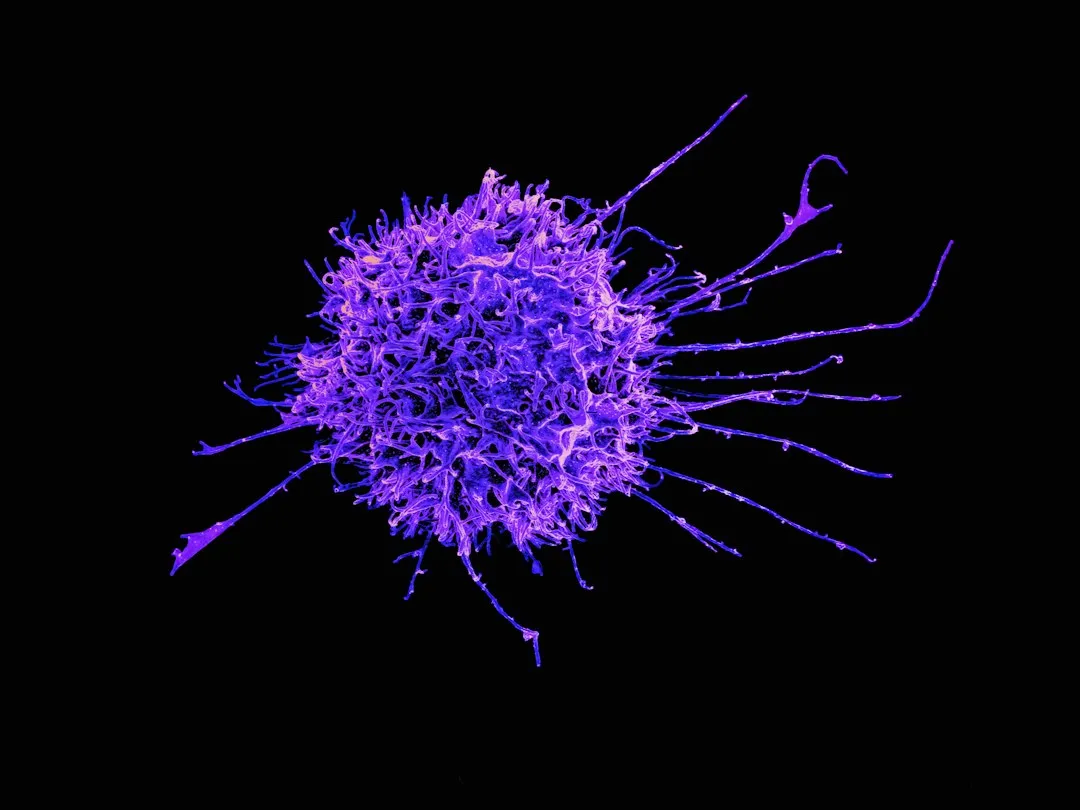
Excessive dryness to the protective oily part of the lip surface causes the skin barrier to be damaged with increased skin permeability. As the response of the innate immune system, proinflammatory cytokines are released facing the damage to the lip. Digestive enzymes also cause additional inflammation to the exposed layers of the skin.
This means the body is not just passively drying out. It’s actively responding to the saliva as a threat, triggering inflammation that compounds the existing dryness. What started as a habit now involves a genuine biological reaction.
Lip Licker’s Dermatitis Is a Recognized Condition
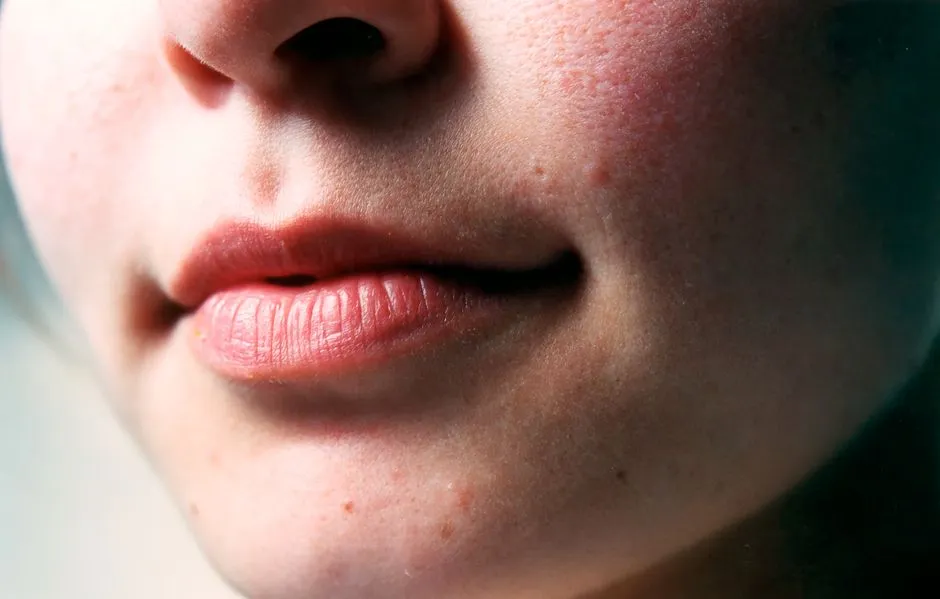
Lip licker’s dermatitis is a type of skin inflammation around the lips due to damage by saliva from repetitive lip licking and is classified as a subtype of irritant contact cheilitis. It has its own clinical classification, which tells you how well-documented this problem really is.
When the licking is frequent enough, it can tip into a recognised condition often called lip-licker’s dermatitis. It shows up as a red, irritated, sometimes scaly or chapped ring on and around the lips, classically a band of inflamed skin following exactly the line the tongue can reach.
It commonly occurs during winter months, but some people can have it year-round if lip licking is a chronic habit. For those with an ongoing habit, the condition doesn’t necessarily follow the seasons at all.
Children Are Especially Vulnerable
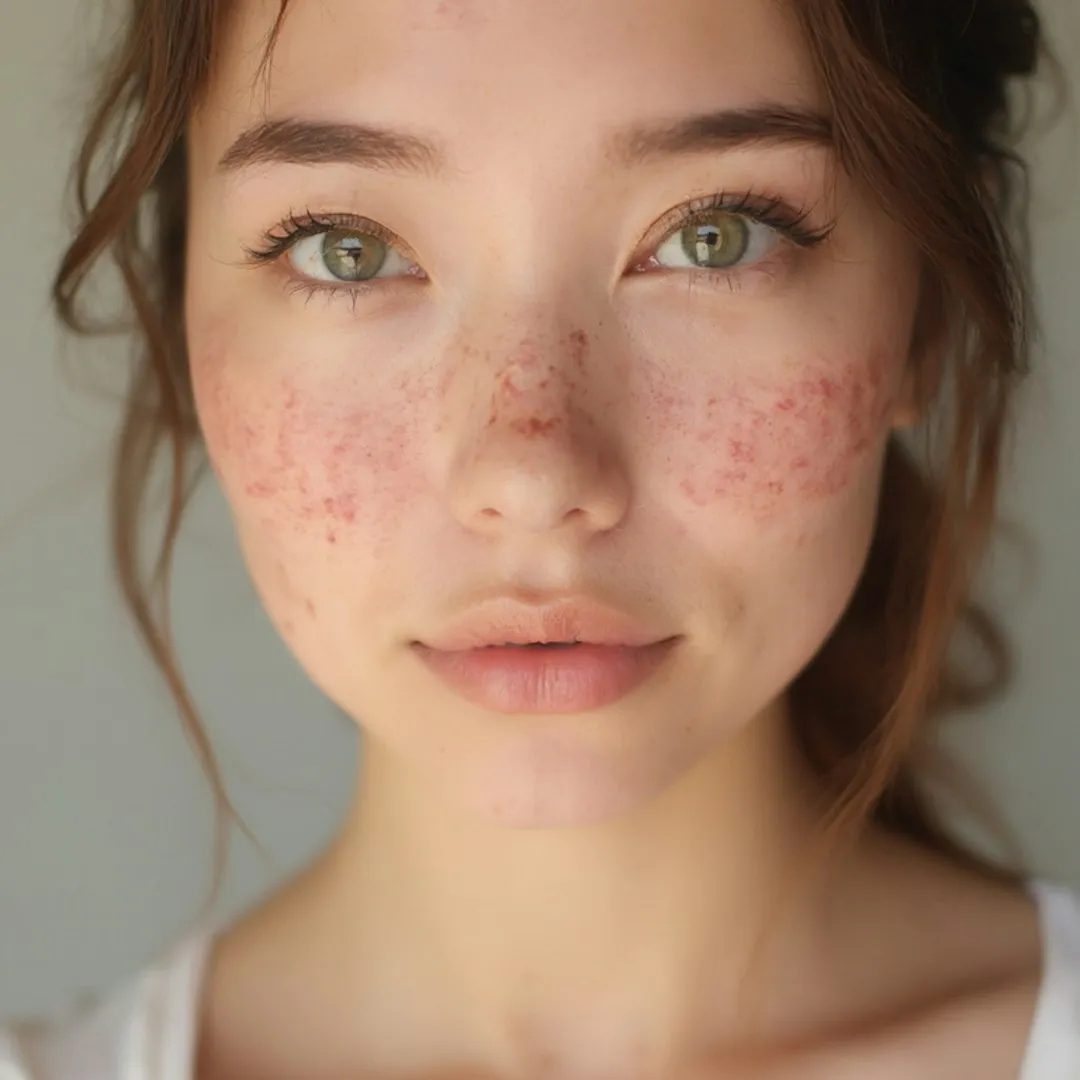
Constant licking around the lips and surrounding skin can result in a rash around the mouth area. Known as lip licker’s dermatitis, the condition can happen at any age, although it is most common in young children.
Children with atopic dermatitis are especially prone, and lip-licking cheilitis ranks among the most common pediatric cheilitis subtypes. The problem is particularly noticeable in colder months when lips feel dry more often, giving kids more reason to lick.
Saliva also damages regular skin, so the skin around the lips dries if licked, the skin on the neck and chest are affected in droolers, and thumbs or fingers can get really chapped if they are sucked. The damaging effect of saliva isn’t limited to the lips alone.
The Skin Around the Mouth Gets Damaged Too
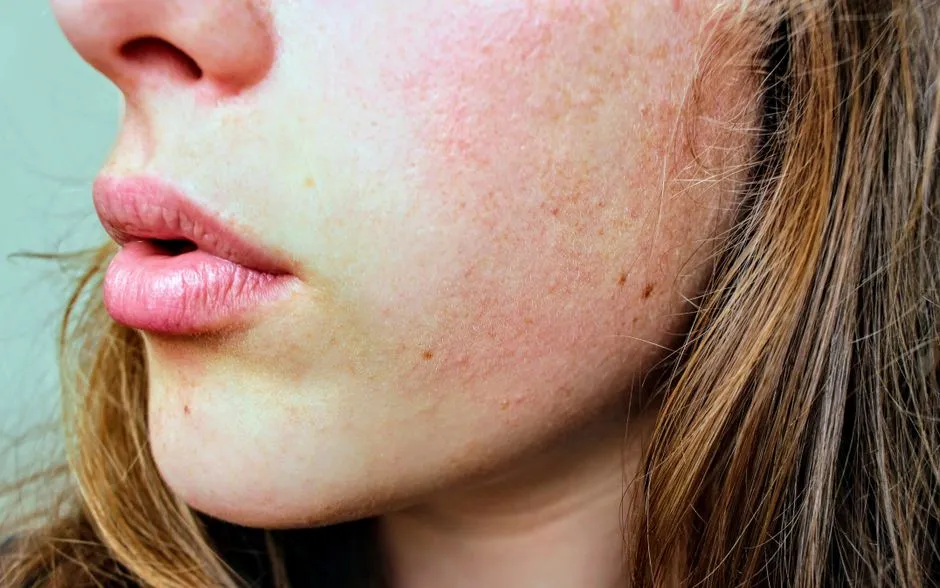
The constant moisture from saliva can strip away the skin’s natural oils that are part of the natural skin barrier function and cause chafing, eventually leading to redness, dryness, and even cracking. The ring of skin surrounding the lips is just as exposed as the lips themselves.
The erosive effect of saliva as it consistently wets the lips and surrounding skin can cause a lesion and eventually may present perioral dermatitis, in which the skin appears inflamed, bumpy, red, and irritated. That’s a more serious outcome than most people associate with the simple act of licking their lips.
Over time, the skin breakdown from lip licking can result in skin infection and post-inflammatory hyperpigmentation. That darkening of the skin around the mouth is a longer-term consequence that can persist even after the habit stops.
Breaking the Habit Matters More Than Any Balm
Patients lick their lips to replenish moisture, resulting in temporary relief of symptoms. However, it can further aggravate the condition due to dryness resulting from evaporation and digestive enzymes present in saliva, leading to breakdown of the protective skin barrier.
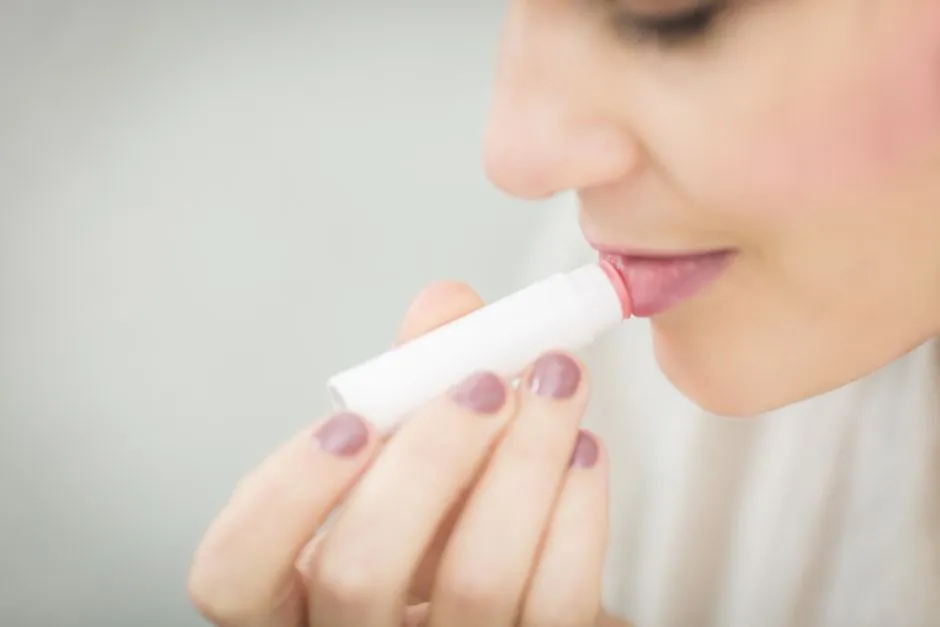
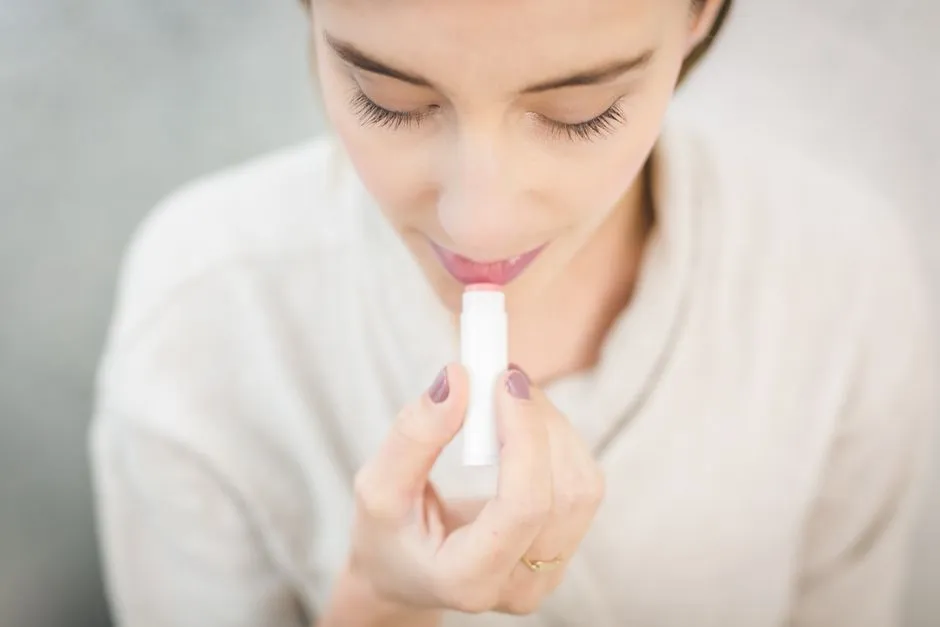
To break the habit, noticing your triggers and keeping a balm within reach so you reach for it instead of licking is a useful first step. Replacing the lick with a swipe of balm is the single most effective change.
Regular application of bland, non-irritating lip balm can prevent the development of lip-licking dermatitis. The key word is bland. Products with menthol, camphor, or salicylic acid can create their own irritation cycle, which is worth watching for when choosing a product.
The Takeaway
Lip licking is one of the more self-defeating habits the body falls into, and it runs almost entirely on reflex. The sensation of dryness triggers the response, the response makes things worse, and the worsened dryness triggers the response again. Understanding that chain makes it easier to interrupt.
Lips are structurally thin, gland-free, and entirely dependent on external care for hydration. Saliva is, from the lip’s perspective, a chemical irritant arriving repeatedly at the one place least equipped to handle it. A good balm applied consistently is genuinely a better solution, not just a marginal improvement.
The discomfort that makes you want to lick is the same discomfort the licking is causing. Once that clicks, the habit tends to lose a bit of its grip.
AI Disclaimer: This article was created with the assistance of AI tools and reviewed by a human editor.