
The Left-Sided Pattern Is Real, Not Imagined
Left-sided tinnitus appears to be more common than right-sided tinnitus, and this has been observed in both clinical patient encounters and online search volume data. The asymmetric distribution favoring the left side has been noted across multiple independent studies.
A review of seven studies covering more than four and a half thousand patients found that tinnitus occurs most often bilaterally, but among unilateral cases, the left side is reported more frequently than the right. The consensus from researchers who have studied tinnitus localization is that when it is perceived on only one side, it is more frequently left-sided than right.
In one clinical sample, roughly three out of five patients with unilateral tinnitus heard it only in the left ear, compared to about one in five who heard it only in the right. That is a noticeable gap, and it has motivated researchers to look deeper at why this side difference exists.
Brain Hemisphere Dominance May Play a Key Role

Research has shown a significant relationship between the localization of tinnitus and laterality of dichotic listening, suggesting a possible link between tinnitus and hemisphere dominance. This is a meaningful finding because it moves the explanation away from purely ear-based damage and toward how the brain itself processes sound.
The evidence points to a “functional” asymmetry of tinnitus, with the link between tinnitus location and brain hemisphere dominance being more meaningful than other lateral traits such as handedness or footedness.
The differences in how the two hemispheres respond to auditory input reflect a basic hemispheric specialization that contributes to how complex sounds, including speech, are processed in the brain. Since the left hemisphere handles the bulk of language and speech processing in most people, it may also be more vulnerable to the misfiring that produces tinnitus.
The Left Ear Is the Right Brain’s Ear
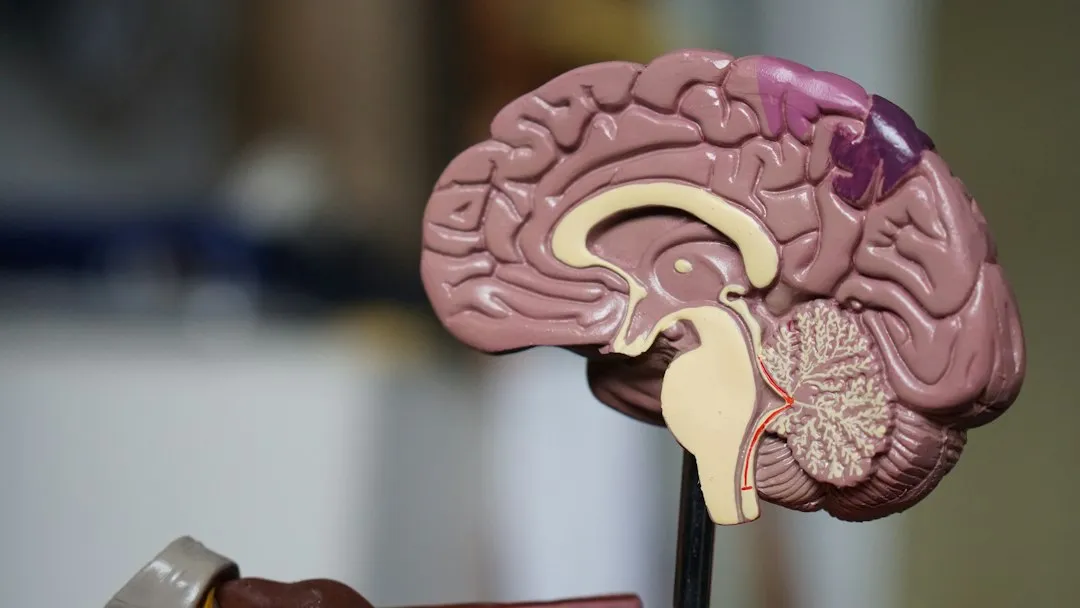
This next point trips people up, but it’s worth understanding. The left ear sends most of its auditory signals to the right hemisphere of the brain, while the right ear primarily feeds the left hemisphere. So when someone says their left ear rings, what may really be happening is a disturbance originating in the right hemisphere’s auditory processing region.
Research using brain imaging found hemispheric differences in cerebral blood flow for people with tinnitus, including higher activity in the left primary auditory cortex compared to the right. This finding complicates the picture further, since it suggests that both hemispheres may be involved in different aspects of the tinnitus experience.
A 2024 study found enhanced auditory cortex responses in the posterolateral region of the left hemisphere and the anterolateral region of the right hemisphere among subjects with tinnitus, compared to those without it. The interplay between the two sides is clearly complex, but the left ear’s strong connection to right-brain processing keeps appearing as a relevant factor.
The True Reason for the Left-Sided Edge Remains Elusive
According to a review published in The Lancet, the reason for left-sided preponderance in tinnitus is unknown and cannot be explained by asymmetric hearing loss alone. This is an important caveat. It means the answer isn’t simply that people damage their left ears more than their right.
Previous reports suggest the asymmetric distribution could be linked to handedness or other lateral signs related to hemispheric dominance, and there is also a body of literature suggesting that asymmetric hearing loss is itself more common on the left side. Neither explanation is fully confirmed as the primary driver.
What researchers seem to agree on is that multiple overlapping factors contribute, including brain organization, hearing loss patterns, and neural plasticity. No single cause has been isolated.
Noise Exposure and the Left-Ear Vulnerability

Most people are right-handed, which means they are more likely to hold a phone to their right ear, position a firearm on the right shoulder, or use power tools in a way that shields the right side of the head while leaving the left side slightly more exposed. This kind of behavioral asymmetry is rarely considered, but it may quietly accumulate over years.
Research examining the relationship between the location of tinnitus and the location of greater hearing impairment found that all subjects in one study had a history of exposure to loud noise, and audiometric testing was used to identify where tinnitus was perceived.
Both tinnitus and hyperacusis, conditions that are likely triggered by hearing loss, can be attributed to what researchers describe as maladaptive plasticity in auditory perception. A key paradox in this field is that while noise exposure is a primary trigger for tinnitus, the exact mechanisms that convert acoustic trauma into chronic phantom auditory perception remain elusive.
The Brain Rewires Itself Around Hearing Damage

Studies have found that neurons in regions of the auditory cortex that have been deprived of stimuli because of hearing loss can change their receptive field and may develop enhanced spontaneous activity. This spontaneous firing is what many researchers believe is responsible for the phantom sounds people hear as tinnitus.
Research using magnetoencephalography found a marked shift in the cortical representation of the tinnitus frequency into an area adjacent to its expected position, and a strong positive correlation was found between the subjective strength of the tinnitus and the amount of cortical reorganization.
Unilateral hearing impairment is characterized by asymmetric hearing input, which causes bilateral unbalanced auditory pathways and tinnitus of varying degrees, and long-term hearing imbalance can lead to functional reorganization in the brain. In other words, the brain adapts to the damage, and those adaptations can amplify phantom sound perception.
Handedness and Laterality: A Surprising Connection
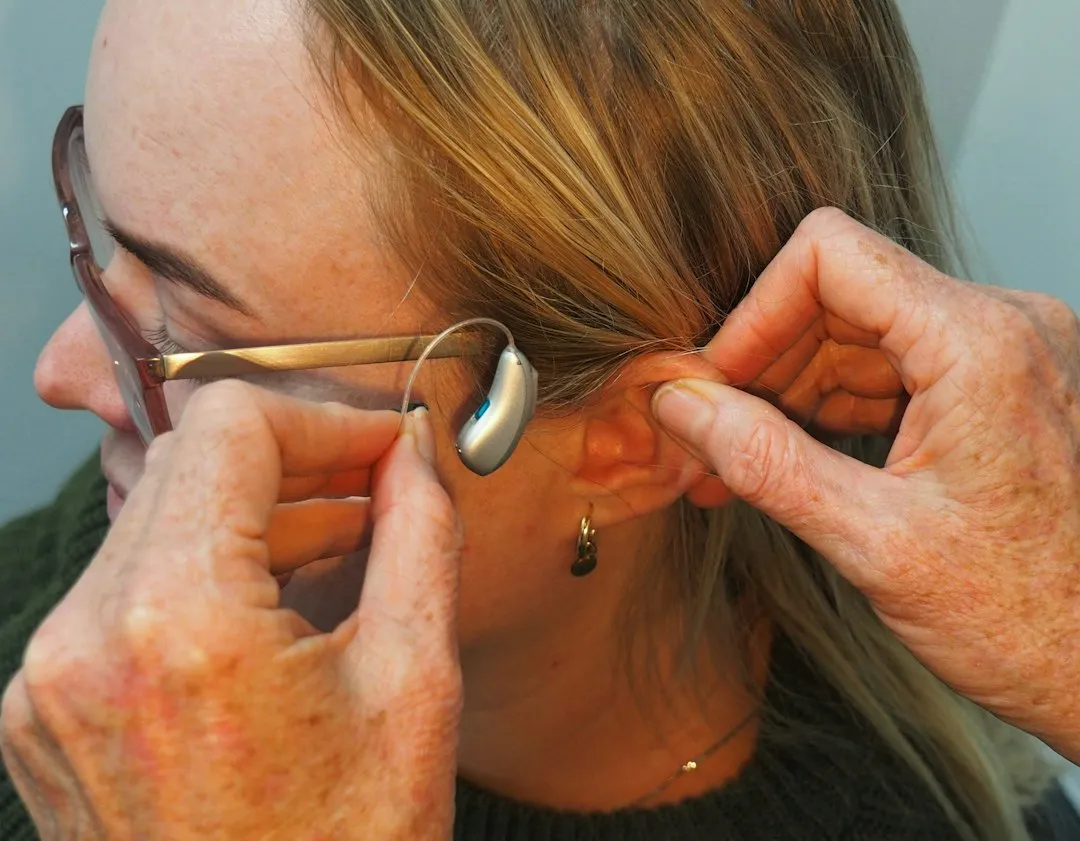
In one study of patients with tinnitus, a strong right-sided preference was found for hand, foot, eye, and ear use, yet the majority of those same patients heard tinnitus only in the left ear. This paradox is striking: the dominant side of the body is not the side where tinnitus tends to settle.
There is a higher correlation between the localization of tinnitus and dichotic listening results than between tinnitus location and other laterality markers like handedness or eyedness. Dichotic listening refers to how the brain processes competing sounds sent separately to each ear, and it reflects something fundamental about how auditory information is routed through the hemispheres.
This connection between brain-level sound processing preferences and tinnitus location is one of the more compelling leads researchers are currently following, even if its full explanation remains incomplete.
When Left-Ear Ringing Warrants Medical Attention
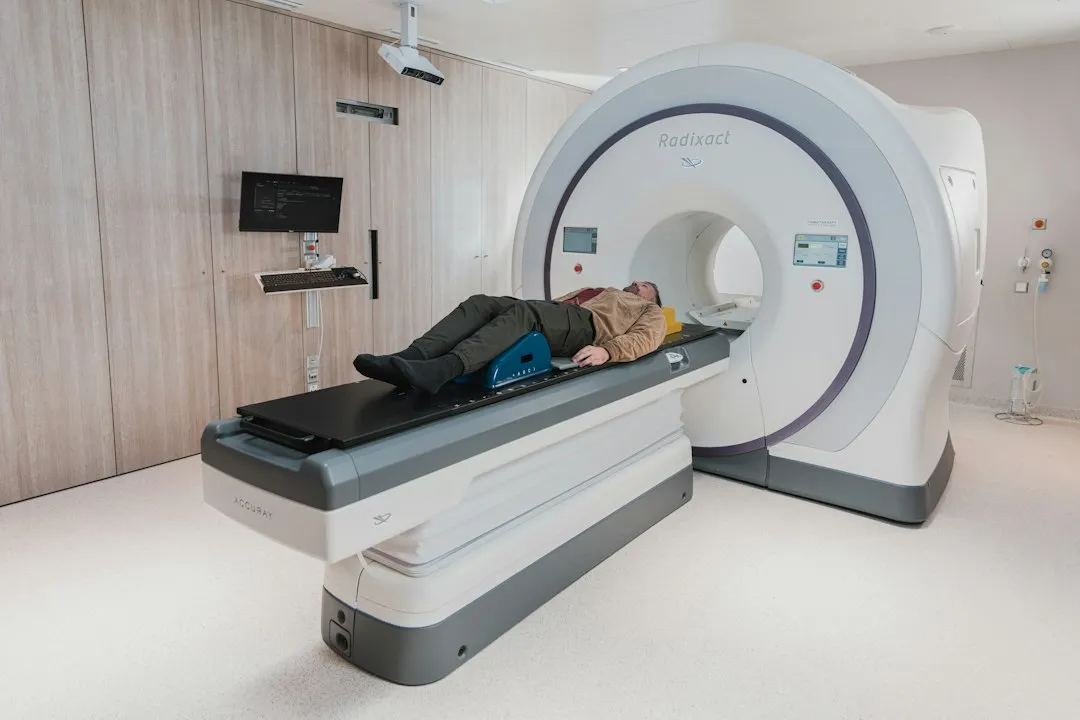
Tinnitus combined with asymmetric hearing loss may indicate retrocochlear pathology, such as a vestibular schwannoma, which is a benign tumor originating from the vestibular portion of the eighth cranial nerve in the internal auditory canal. This is a less common but clinically important scenario that shouldn’t be brushed aside.
Unilateral tinnitus increases the risk of having interaural asymmetry in hearing thresholds that warrants referral for an MRI scan. Guidelines from organizations including the National Institute for Health and Care Excellence recommend MRI referral when the between-ear hearing difference reaches a significant threshold at two or more adjacent frequencies.
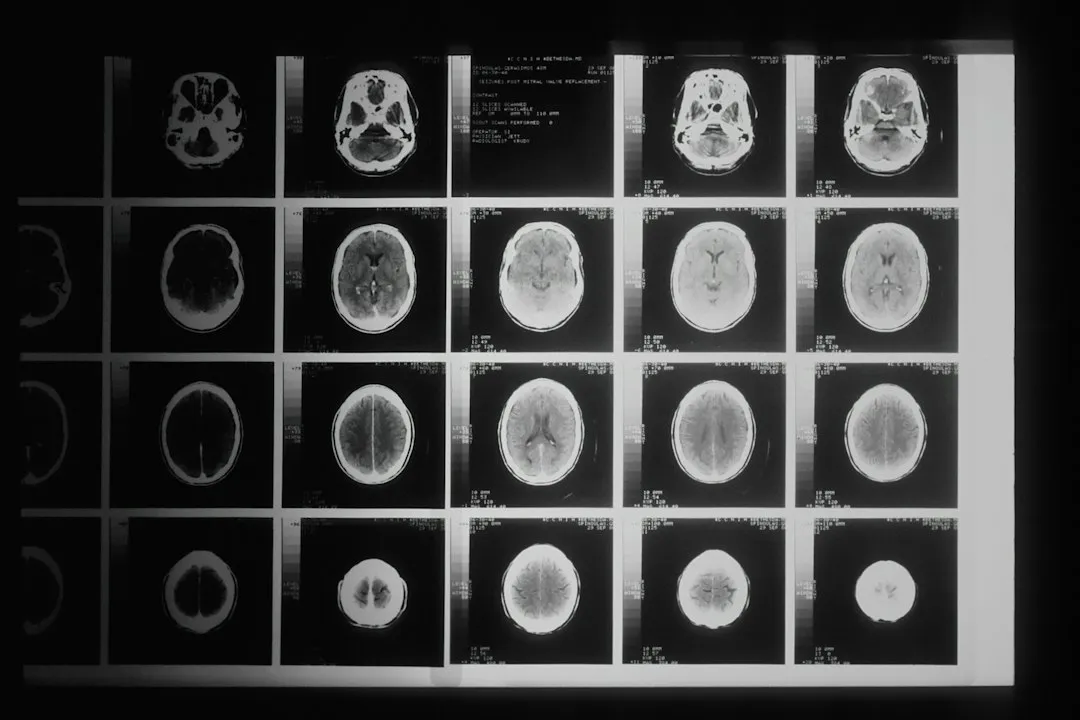
Patients who have asymmetric tinnitus, asymmetric hearing on audiometric testing, or other associated neurological symptoms need further investigation, and the generally chosen modality is MRI. Persistent one-sided ringing that comes on suddenly, or that is accompanied by hearing loss or dizziness, should always be evaluated promptly.
Common Causes That Can Affect Either Ear
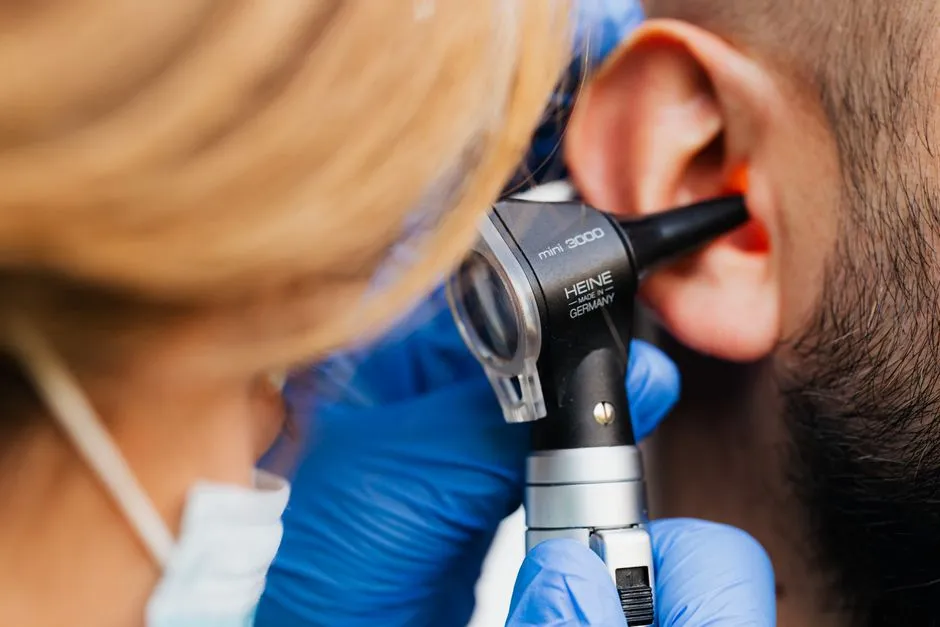
Loud noise, aging, Meniere’s disease, migraines, and certain medications are among the most common causes of subjective tinnitus. These causes don’t inherently favor the left ear, which is part of why the left-sided pattern in unilateral tinnitus remains so puzzling.
Research from clinical populations has found that the most common causes of tinnitus in men are noise-related, while ototoxicity, meaning damage from certain drugs or chemicals, is more frequently the leading cause in women.
Because tinnitus is common among people with sensorineural hearing loss, it also tends to become more prevalent among older individuals as age-related hearing changes accumulate. The left ear’s slightly greater statistical tendency to be affected may reflect the compound effect of all these factors, rather than any single one operating alone.
What the Online Search Data Reveals About Left-Ear Ringing
Researchers tracking online search behavior found that terms like “left ear ringing” and “ringing in left ear” were among the most commonly searched unilateral tinnitus queries, with search volumes for these terms beginning to rise noticeably from early 2020.
A detailed search volume analysis showed a significant difference in average monthly searches for “left ear ringing” compared to “right ear ringing,” with left-sided queries occurring nearly twice as frequently. While search data reflects curiosity and symptom experience rather than clinical diagnosis, the pattern aligns closely with what clinicians observe in patient populations.
That kind of convergence between population-level search behavior and hospital data is relatively rare in medicine, and it does add a layer of credibility to the idea that left-ear ringing is genuinely more common in the general public, not just in clinical samples.
The Takeaway: Sided, But Not Simple
The short answer is yes, the left ear does appear to ring more often than the right in people with unilateral tinnitus, and this pattern has been documented across multiple studies and data sources. The longer answer involves the brain’s hemispheric organization, how auditory signals are routed and processed, behavioral noise exposure habits, and still-unexplained neurological tendencies that researchers are actively working to understand.
What’s clear is that dismissing one-sided ringing as a quirk isn’t the right approach. The side where tinnitus is felt can offer meaningful clinical information, particularly when it comes to deciding whether further investigation is needed.
If your left ear rings persistently, it probably has less to do with superstition and more to do with the remarkable and occasionally misfiring complexity of your own auditory system.
AI Disclaimer: This article was created with the assistance of AI tools and reviewed by a human editor.