
Lavender has a knack for looking spectacular in its first season and somewhat less so by its third. The fragrance is still there, the grey-green leaves still catch the light, but the blooms are thinner, the stems are stiff, and the whole plant has started to look a little like a skeleton wearing a green hat. Most gardeners blame themselves, or the weather, or bad luck. In reality, the shift is largely predictable and largely preventable.
Understanding what actually happens to lavender as it ages changes the way you care for it entirely. Once you know the biology, the mistakes become obvious in hindsight.
Lavender Is a Subshrub, Not a Perennial
Lavender is a subshrub, not a true perennial. Its lower stems lignify, hardening into wood, with each passing season, just as they would in a small shrub. Most gardeners treat it like a soft herbaceous plant that will bounce back no matter what, and that’s where expectations start to diverge from reality.
An older lavender, several years in the ground, that has gradually developed a woody base while still blooming reasonably well at the top is simply aging normally. The wood develops from the bottom up and from the inside out. Knowing this distinction matters enormously when deciding how to manage the plant.
The Biology Behind Woody Stems
The growth-initiating cells at leaf nodes that drive new shoots exist only where green tissue remains. As a stem lignifies, those cells are lost. Lavender’s bark also becomes dense as it ages, part of why the plant handles drought so well, but it means dormant buds can’t break through even if any remained.
To lock water in, lavender stems grow watertight bark without many openings to the outside air. Stems channel sap and nutrients between roots and leaves, and store moisture during dry spells, releasing it to leaves when needed. This drought specialization came at the cost of propagation. Buds on old wood simply cannot sprout through the bark to turn into leaves and new stems.
Skipping Annual Pruning Is the Single Biggest Mistake
Lavender that is never pruned grows leggy fast: the stems elongate, the base hardens, the center opens up, and the plant sprawls into a floppy ring of bare wood within just a few seasons. Skipping the annual prune is the single biggest reason a relatively young lavender looks old and woody before its time.
Lavender produces flowers exclusively on new growth from the current season. When a plant isn’t pruned annually, the oldest stems become fully woody and lose the capacity to generate new flowering shoots. The axillary buds that would otherwise break dormancy and produce flower spikes simply don’t exist on old hardwood.
Within three to five years of neglect, most lavender develops a hard, bare base, a woody skeleton supporting only a few sparse shoots at its outermost tips. The plant looks alive but can barely flower.
Cutting Into Old Wood Makes Things Worse
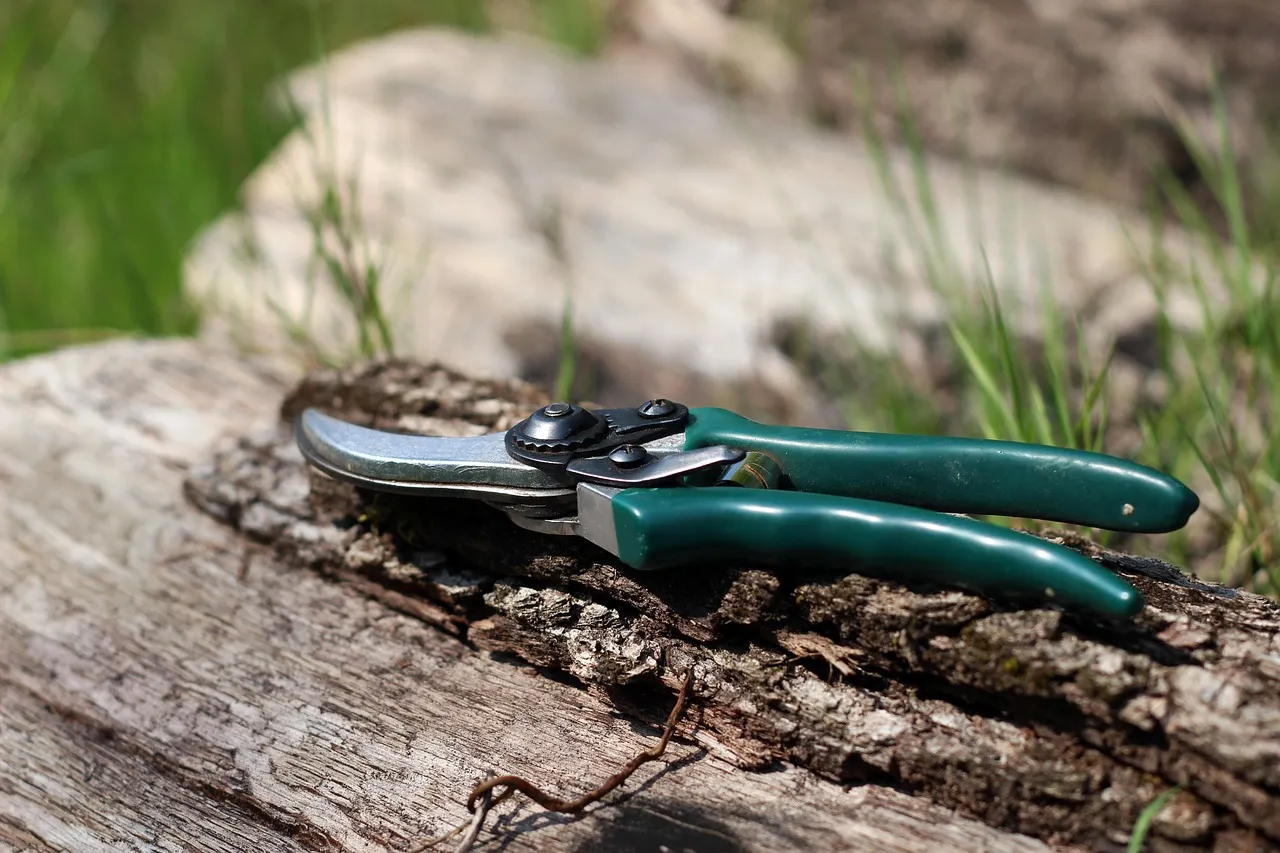
The opposite error from never pruning is cutting too aggressively, slicing back into the woody zone below the green leafy growth. Unlike roses, lavender has no dormant buds waiting in old wood. Once you cut below the leaf-bearing zone into bare brown stem, there is nothing to regenerate from.
The basic rule of pruning lavender is not to trim into brown, dead wood. You’ll usually find brown branches at the base of the plant. Remove them only when they are truly dead, and never cut them back hoping to stimulate new growth. The plant cannot produce new growth from the woody parts.
The Right Pruning Timing Changes Everything
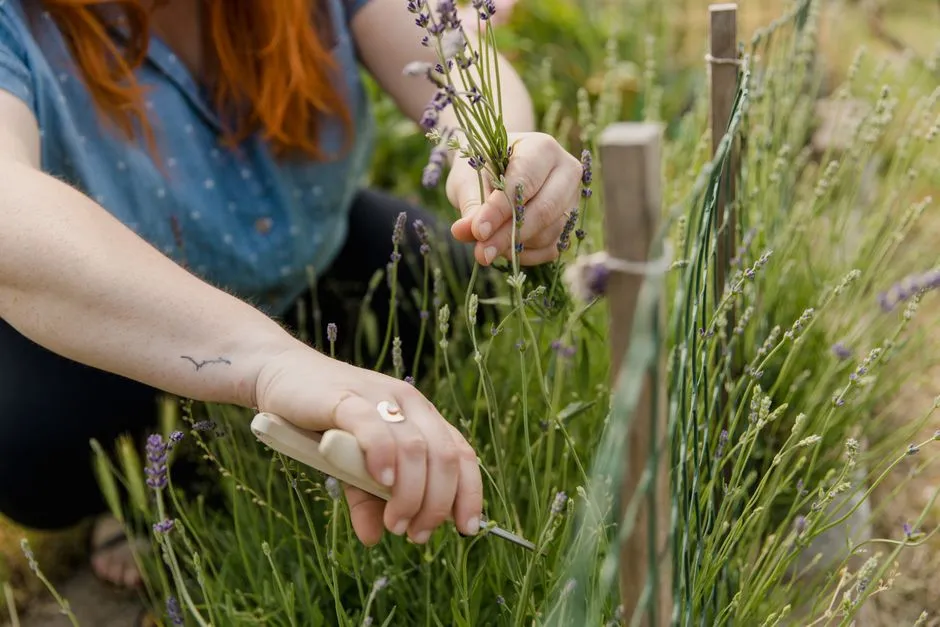
The best time of year to prune lavender is shortly after the plant has finished flowering, which will typically be during early to late summer. Avoid pruning lavender during winter or early spring, when new growth often forms.
Pruning twice each year works well: once in late spring after the first flush of flowers is past, deadheading spent blooms and pruning lightly for shape, and once in late summer to early fall, removing all but the top several inches of greenery. Alternatively, you can prune lavender down to one third of its greenery. This rhythm keeps the green zone active and prevents the woody base from advancing up the stems unchecked.
English varieties should be pruned to about 2 to 3 centimetres above the woody stems of the plant. Always ensure that there are green shoots below where you cut.
Too Much Water Accelerates the Problem
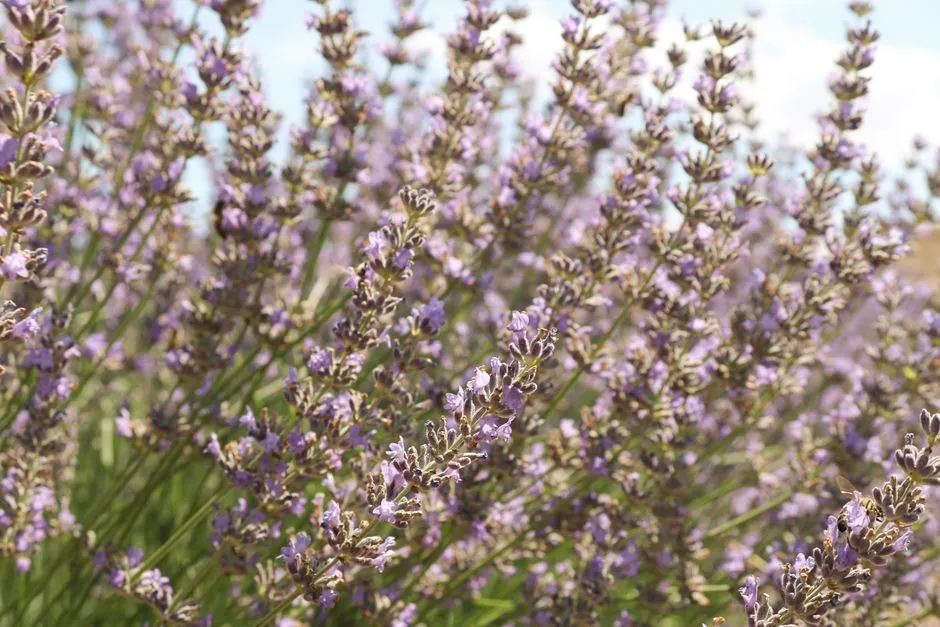
One of the biggest causes of lavender problems is wet soil. Lavender is native to dry Mediterranean climates and dislikes soggy conditions. If the soil stays wet for long periods, the plant may struggle to bloom and could eventually develop root rot.
Overwatering can encourage excessive leafy growth and reduce flowering. Allowing the soil to dry between waterings and avoiding watering on a strict schedule if the soil is still moist makes a real difference. Lavender essentially thrives on a degree of deprivation that most gardeners find uncomfortable to provide.
Nitrogen-Rich Soil Suppresses Flowers
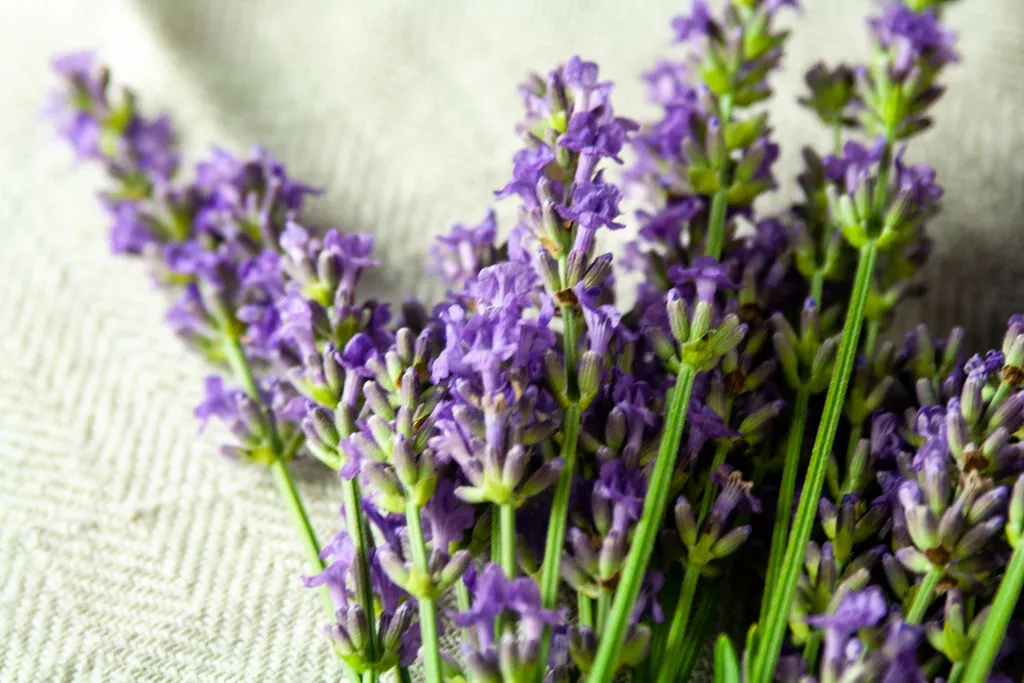
Too much nitrogen fertilizer can cause a surplus of foliage growth at the expense of floral production. Similarly, overly rich soil often yields leggy, long-stemmed plants with very few blossoms.
Lavender performs best with no fertilizer at all. Adding nutrients, especially nitrogen, produces lush, floppy growth with fewer flowers and increased susceptibility to disease. The irony is that a carefully fed lavender in nutrient-rich soil often looks lush right up until it stops blooming almost entirely.
Nitrogen problems often happen when lavender is planted near a lawn that receives regular fertilizer applications or in beds amended with fresh manure or high-nitrogen compost. If your lavender sits next to regularly treated grass, that runoff alone can tip the balance against flowering.
Insufficient Sunlight Compounds the Decline
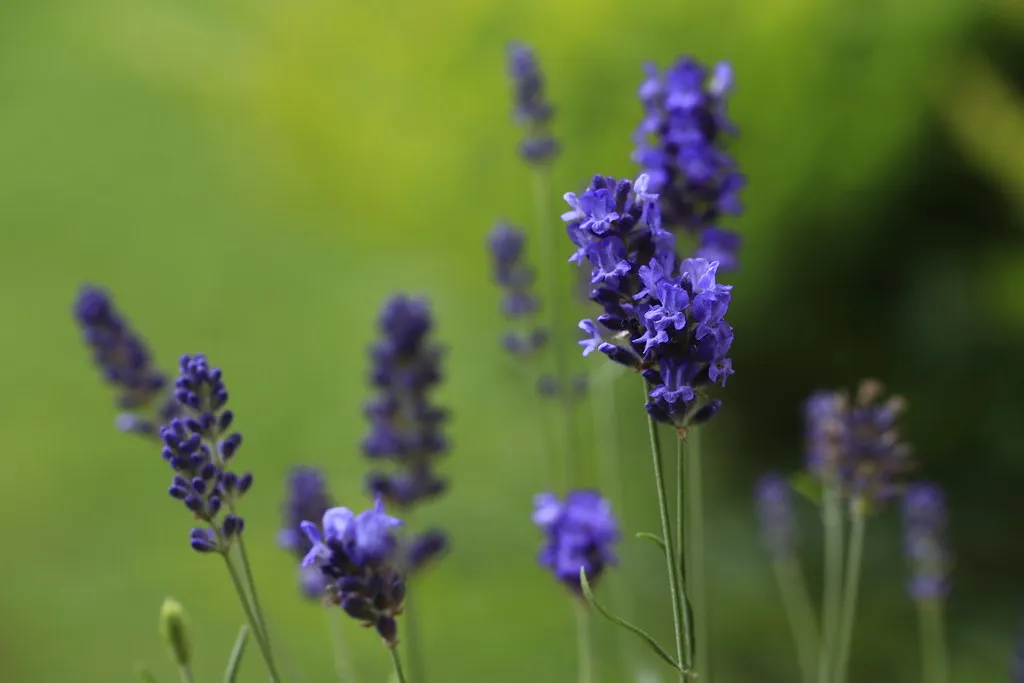
Lavender comes from the sunny Mediterranean, where it grows best in long, bright days. To stay healthy and produce flowers, it needs at least 6 to 8 hours of direct sunlight every day.
Plants subjected to heat stress, pests, diseases, or overwatering don’t have the added energy to put into flowers. A lavender that is already struggling with woody stems will be hit even harder when sunlight is reduced, since it cannot afford to slow any part of its already-diminished growth cycle. Shade from nearby shrubs or a fence that has grown taller than it used to be can quietly push a borderline plant into near-dormancy.
Woody Lavender Is More Vulnerable to Frost and Disease
Woody stems tend to look less attractive, and there will be less green growth over time, flowering will be reduced and the plant won’t look as good. Furthermore, woody lavender plants are more likely to suffer frost damage or damage due to waterlogging.
Once the woody base expands, creeping up the stems, lavender will bloom less and become weaker. This will shorten the plant’s lifespan and increase the risk of disease due to a general failing in health. The connection between woodiness and vulnerability is a compounding one: each season without proper pruning leaves the plant a little more exposed than the last.
Rescuing an Already-Woody Plant Takes Time and Patience
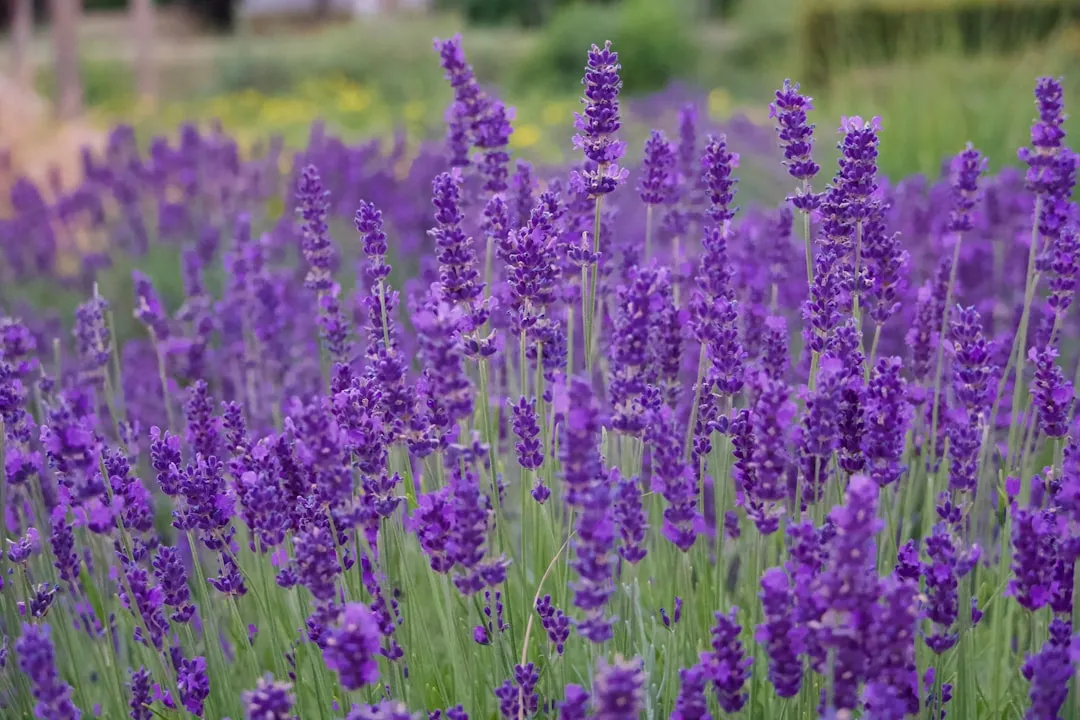
One approach is to slowly and methodically prune old, woody lavender plants over a period of three years, leaving some old, woody stems while cutting back a small number of stems each time. This approach will not cause so much stress and shock to the plant.
Plants with a sparse canopy and many dead branches sometimes benefit from a complete rejuvenation by cutting off all of the branches within 5 to 10 centimetres of the ground and letting new growth emerge from the crown. Research has shown that the best time to do this is in spring. Rejuvenated plants will still flower, but yield may be lower and flowering uneven until the following year.
When a plant finally becomes more wood than green and blooms poorly, replacing it is the right move rather than fighting nature. Taking cuttings from a favourite plant before it declines lets you carry it forward. That option is worth keeping in mind before you invest another full season in a plant that may have already passed the point of recovery.
The Takeaway

Lavender doesn’t fail quietly. It gives you signals every season: fewer spikes, a slightly more open shape, stems that hold the wrong colour at their base. The plant is not difficult. It just doesn’t respond well to being treated like something it isn’t.
Prune it every year, keep it dry, keep it lean, and keep it in full sun. Understanding what lavender actually needs, and what slowly kills it, can transform a struggling plant into a thriving, fragrant shrub that lives for 15 years or more. The plants that last are the ones whose owners learned early to give them less, not more.
AI Disclaimer: This article was created with the assistance of AI tools and reviewed by a human editor.