


Your Nose Is Literally Tuned Out to Your Own Home

The most fundamental reason you can’t smell your own house is that your brain won’t let you. Nose blindness, formally known as olfactory adaptation or olfactory fatigue, describes a common and temporary phenomenon where an individual stops noticing a specific smell after prolonged exposure to it.
As a protective measure, your scent receptors and brain adapt. After continuous exposure to a particular odor, the olfactory neurons stop firing signals for that smell. In other words, your brain filters it out as background noise. This neural adaptation prevents sensory overload so your attention stays free for novel or potentially dangerous stimuli.
Studies show olfactory adaptation can occur within just a few minutes of exposure. That’s why walking back into your home after a vacation often feels like a sensory shock – you suddenly notice what your “normal” smell actually is. It was always there. You just stopped hearing it.
The Chemical Soup in Your Indoor Air
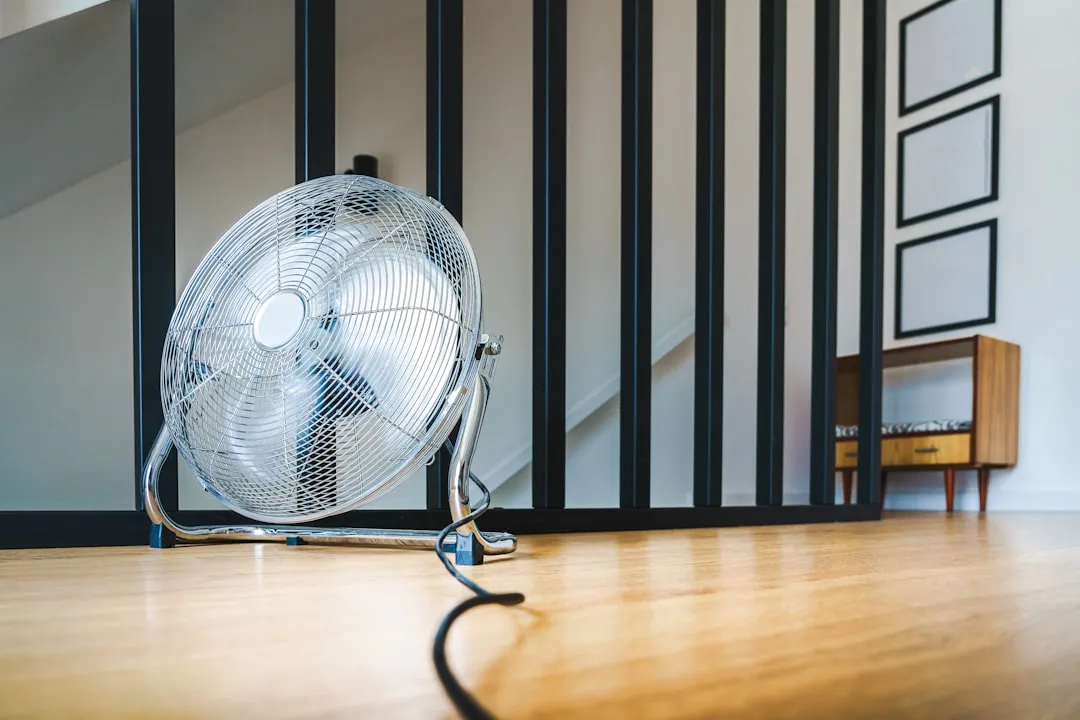
Indoor volatile organic compounds, or VOCs, are carbon-containing organic chemicals present in indoor air. They come from a large number of indoor sources including building materials, furnishings, consumer products, tobacco smoking, people and their activities, and indoor chemical reactions.
Concentrations of many VOCs are consistently higher indoors, up to ten times higher, than outdoors. Every home contains a completely different mix of these compounds depending on how it was built, what’s inside it, and who lives there. Paints, varnishes and wax all contain organic solvents, as do many cleaning, disinfecting, cosmetic, degreasing and hobby products.
Building materials are the main sources of indoor volatile organic compounds and odors, which significantly impact indoor air quality and perceived air quality. The specific blend of these compounds is essentially impossible to replicate from one household to the next, which means every home carries its own invisible chemical signature.
Your Building Materials Are Constantly Off-Gassing

A study used gas chromatography-mass spectrometry to measure VOC emissions from 34 building materials, while an untrained panel assessed odor intensity and acceptability. The total VOC concentrations ranged from 156.5 to 3,572.0 micrograms per cubic meter, with alkanes identified as the predominant types of VOCs.
Formaldehyde and n-hexane were found to be the most abundant compounds. Aldehydes are the dominant odorants, with hexanal being the most prevalent one. These compounds don’t just disappear once the paint dries or the flooring settles. They continue releasing slowly for months or even years after installation.
Building and furniture materials are significant sources of volatile organic compounds and determine their long-time indoor levels. A house furnished with solid wood behaves differently from one lined with laminate and synthetic carpet. The age of the materials matters too, which is part of why older homes often carry a noticeably distinct aroma compared to newly built ones.
Your Everyday Products Leave a Lasting Mark

In a dedicated residential lab space for indoor air quality research, scientists are using the latest industry-developed air quality instruments to track how household products emit chemicals that evaporate easily, called volatile chemicals, and generate the tiniest airborne nanoparticles. The findings keep pointing in the same direction: everyday habits matter enormously.
All of these products can release organic compounds while you are using them, and, to some degree, when they are stored. That lavender laundry detergent, that particular brand of dish soap, the candles you burn on weekends – they all leave trace compounds behind in the air. Over time, those compounds settle into walls, upholstery, and soft surfaces and become part of the home’s permanent scent profile.
Discoveries suggest that many everyday household products used indoors may not be as safe as previously assumed. Whether or not they pose health risks, there is no question that they contribute meaningfully to a home’s unique olfactory character.
Pets Reshape the Air in Your Home

Pet owners often hear it from visitors before they believe it themselves. Pet owners often don’t notice the dog smell in their house, even though a guest smells it immediately. That’s olfactory adaptation at work, but the underlying chemistry is real and measurable.
Recent research from 2026 found something striking: large dogs emit two to four times more airborne microbes than humans, primarily through the release of particles during movement or interaction. Both dogs and humans produce similar amounts of CO2 and ammonia, though dogs have a higher ammonia-to-CO2 ratio, likely due to diet and metabolism.
Dogs generate fewer ozone byproducts than humans, and their presence significantly alters indoor air microbiology. A home with a large dog is chemically and microbiologically distinct from one without. Add a cat, a rabbit, or a bird, and the combination becomes more complex still. Pet dander, fur, diet, and even animal saliva all contribute compounds to the air that visitors detect long before the resident does.
Cooking Habits Are an Invisible Signature
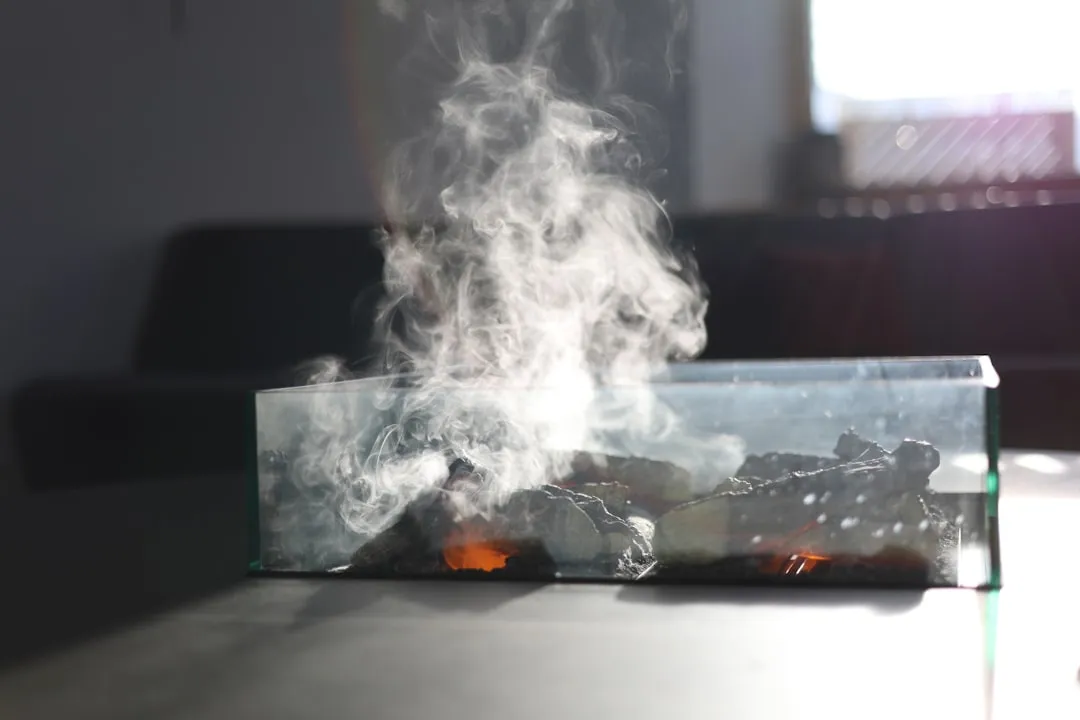
The foods you cook shape your home’s smell in ways that linger far longer than the meal itself. Researchers have turned their focus to the invisible but often odorous VOCs that are emitted when grilling, sautéing, searing, or otherwise cooking meats and vegetables. These emissions aren’t trivial.
A household where spices, onions, and heavy proteins are cooked regularly develops a cumulative scent profile that absorbs into cabinet wood, grout lines, range hoods, and walls. Someone who mostly eats raw food or light salads will have a noticeably different kitchen environment. The difference isn’t about cleanliness. It’s about chemistry accumulating over time.
Indoor air is not simply outdoor air that has been run through a filter. It has its own chemical makeup and a unique combination of particles, gases and microorganisms. Because indoor air has many sources of its own, concentrations of many pollutants can be as high as, or higher than, outdoor levels, especially during everyday activities like cooking or cleaning. Cooking, in particular, produces VOC spikes that can take hours to fully dissipate.
Soft Surfaces Are Odor Sponges

Carpet can catch dust, dirt, and pet dander or pee. Carpeting can also trap mold spores, leaving your home with a musty smell. This is true of most soft materials in a home, not just carpet. Upholstered sofas, curtains, mattresses, and decorative pillows all act as passive collectors of airborne compounds over years of use.
The age and material type of these surfaces matter significantly. A home where the sofas haven’t been replaced in a decade carries a completely different olfactory baseline than one that was recently renovated. Smell is influenced by building materials, furniture, objects, activities, and human presence. Remove or replace any one of these elements and the overall smell of a space genuinely shifts.
Moisture, Mold, and Hidden Sources
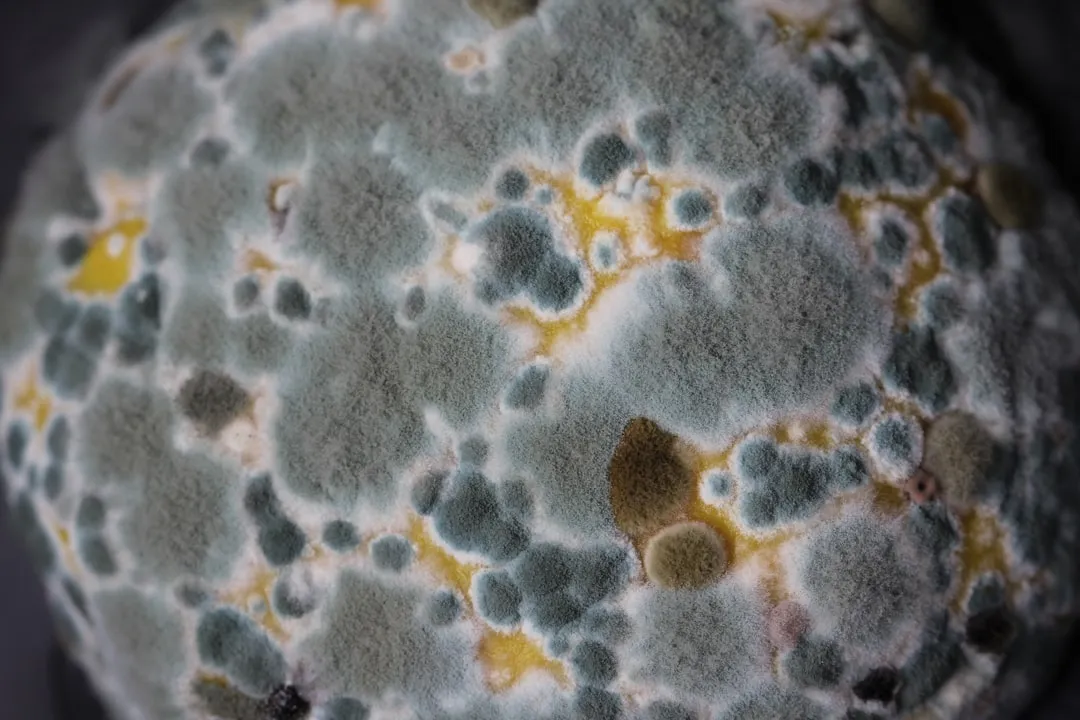
Moisture is one of the sneakiest contributors to a home’s smell, because it often works invisibly. If you smell mold but can’t see it, it could be growing behind drywall or wallpaper, under wood paneling, or in walls near pipes. It also could be under carpeting or ceiling tiles, or inside air ducts. Mold grows where there’s lots of moisture, like under a sink with a leaky pipe or in a poorly ventilated bathroom.
Every home has slightly different humidity levels based on its location, construction, and ventilation. A home near the coast or in a humid climate develops baseline smells that differ noticeably from one built in a dry, arid region. The amount of moisture in the air affects how VOCs and odor molecules travel, concentrate, and linger on surfaces.
The People Inside Change the Smell
It has been established that human occupancy is a significant contributor to indoor volatile organic compound concentrations and is of significant concern regarding occupant health, and yet human VOC emissions remain largely uncharacterised. The people in a home are, in effect, continuous chemical emitters themselves.
Each person’s skin microbiome, breath chemistry, personal care products, and even stress levels contribute trace compounds to indoor air. Humans consciously or unconsciously perceive the scent of their environment through the air they breathe. A household with four teenagers smells different from one with a single retiree, and that difference is rooted in measurable biological and chemical reality, not imagination.
Sensor responses were shown to differ for different room settings on the basis of occupancy levels and the nature of the room emission sources. The more occupants, the more complex and intense the olfactory environment becomes, even if no single contributor seems significant on its own.
Smell Carries Emotional Weight You Don’t Consciously Register

Beyond the chemistry, there’s another reason a home’s smell feels so uniquely powerful. Smell is the only one of the five senses that is directly connected to a part of our brain which controls and processes emotions. That connection is direct and fast, bypassing some of the usual filtering that other sensory information goes through.
Research studies across different disciplines such as aromachology, psychology, marketing, and neuroscience have demonstrated that smells can have diverse effects on human emotions, mood, behavior, health, and well-being. This is why walking into your childhood home, even decades later, can feel immediately recognizable in a way that a photograph of it might not.
Research shows that the cultural significance of smells, including those from nature and domestic environments, can be passed down in communities to each new generation. What your home smells like isn’t just sensory information. It becomes memory, identity, and comfort, embedded so deeply that you stop registering it consciously, even as it continues to shape how you feel every day you’re inside it.
The Takeaway
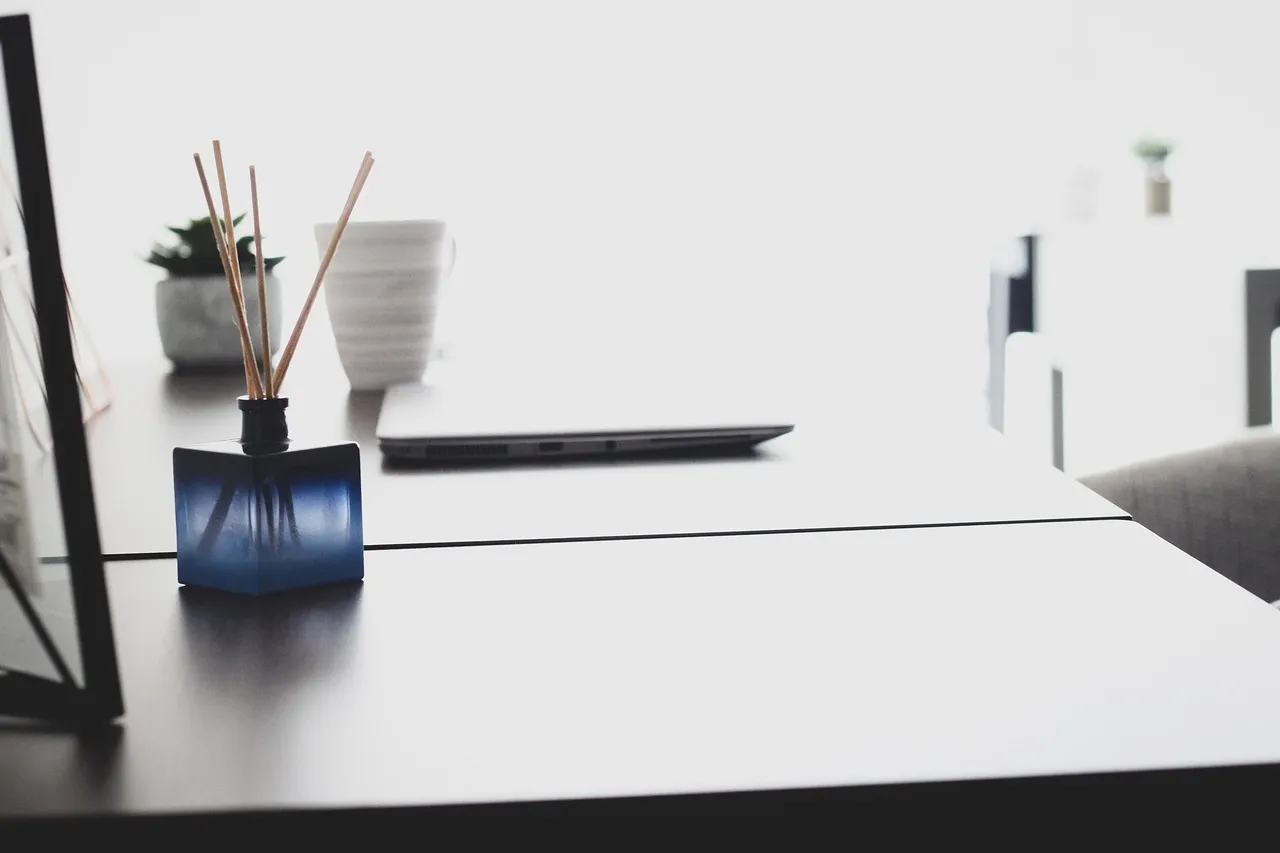
Your home’s smell is not one thing. It’s a layered accumulation of building chemistry, human biology, cooking habits, pets, moisture, and soft materials interacting over months and years. No two homes will ever produce the same combination, which is exactly why stepping into someone else’s house feels so immediately distinct.
The fact that you can’t smell your own home isn’t a bug in your perception. It’s a feature your brain uses to save processing power, filtering out what’s constant so you can stay alert to what’s new. The invisible olfactory fingerprint of your home is real, measurable, and entirely unique. You’re just too close to it to notice.
AI Disclaimer: This article was created with the assistance of AI tools and reviewed by a human editor.