

The Fear Response Doesn’t Know You’re Asleep

Your brain, for all its sophistication, doesn’t reliably distinguish between a real threat and a vividly imagined one. When you experience a nightmare, your brain perceives the events of the dream as an actual, immediate threat to your survival, and the amygdala, the brain’s fear center, sends an urgent distress signal to the hypothalamus. That signal doesn’t pause to verify whether you’re lying safely in bed.
This triggers a massive, near-instantaneous release of adrenaline and noradrenaline into your bloodstream, forcing your blood vessels to constrict and your heart to beat significantly faster and harder to prepare your body to defend itself. It’s the same cascade that fires when you swerve to avoid an accident, just activated while your body is completely still under a duvet.
REM Sleep Sets the Stage

Nightmares generally arise out of REM sleep and occur more frequently in the last third of the night, when REM sleep predominates. This is not random. REM is the phase during which your brain is most emotionally active and least able to apply rational braking.
During REM sleep, frontal brain areas are relatively deactivated, preventing regulation of the limbic system, which suggests that nightmares may reflect a rebound of suppressed emotional experiences. With your rational, calming frontal cortex essentially offline, the amygdala runs the show, and fear takes hold without interference.
During REM sleep, heartbeats tend to become slightly irregular even under normal dreaming conditions. Add a genuinely frightening dream into that mix, and the stage is set for a sharp cardiovascular spike at the moment of waking.
The Adrenaline Surge Is Already at Its Peak When You Wake

The fight-or-flight chemical surge forces your blood vessels to constrict and your heart to beat significantly faster, and when you suddenly wake up, this biochemical cascade is already at its peak, resulting in a rapidly pounding heart. The waking itself doesn’t cause the racing. It just allows you to notice what was already underway.
During REM sleep, your brain is highly active, and if the dream is frightening or emotionally intense, your body may react as though the threat is real. That physiological reaction precedes your return to consciousness by several seconds, which is why the pounding chest greets you the moment your eyes open.
Science Has Measured the Spike Directly
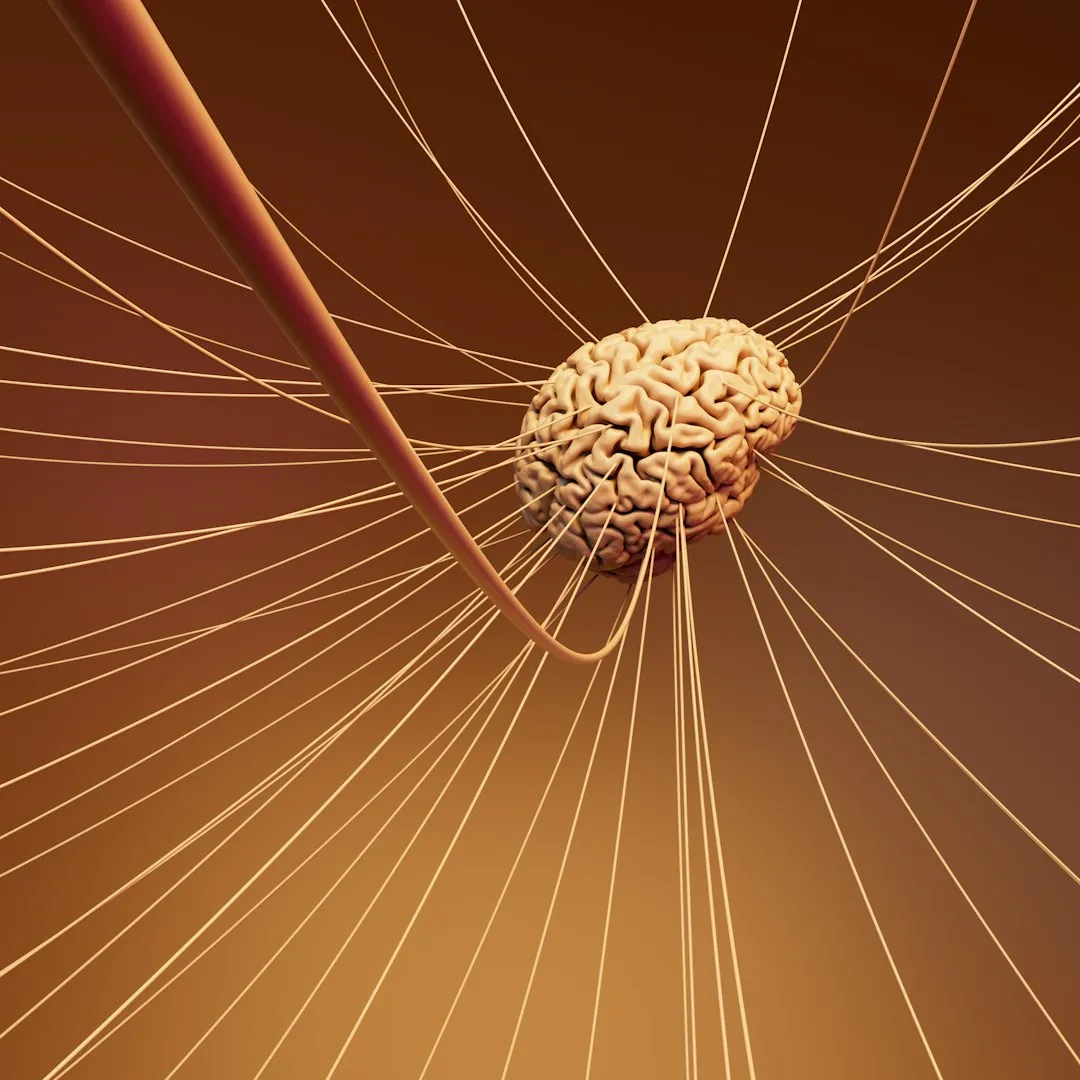
A study published in Psychophysiology in 2019 found that when people were having nightmares, the activity in their autonomic nervous system was far higher than when they were having perfectly harmless dreams. This wasn’t just a matter of self-reporting. Researchers measured the physical signals in real time.
Research has demonstrated that heart rate, eye movement density, and other autonomic parameters increased prior to waking up from a nightmare, in comparison to waking up from normal, non-nightmarish dreams. The body, in other words, is already activated before the sleeper even regains consciousness.
Ambulatory polysomnography demonstrates that nightmares are accompanied by increased autonomic activation, and results support the notion that impaired self-reported sleep quality is caused by one’s autonomic response rather than an altered sleep pattern. Your sleep architecture itself may be largely intact. It’s the body’s internal alarm system doing the disrupting.
Cortisol Joins the Cascade

Overall, mood and health were decreased and the cortisol awakening response was elevated following nightmares compared to neutral dreams. Cortisol, the body’s primary stress hormone, doesn’t simply switch off once the nightmare ends. Its effects linger into the early morning hours.
Nightmares are emotionally intense sleep disturbances linked to impaired emotion regulation and physiological arousal. Research published in 2025 found that the cortisol awakening response could even predict nightmare frequency, suggesting a bidirectional relationship: stress hormones prime the brain for bad dreams, and bad dreams elevate those very same hormones further.
Frequent Nightmares Alter Autonomic Activity Even During the Day
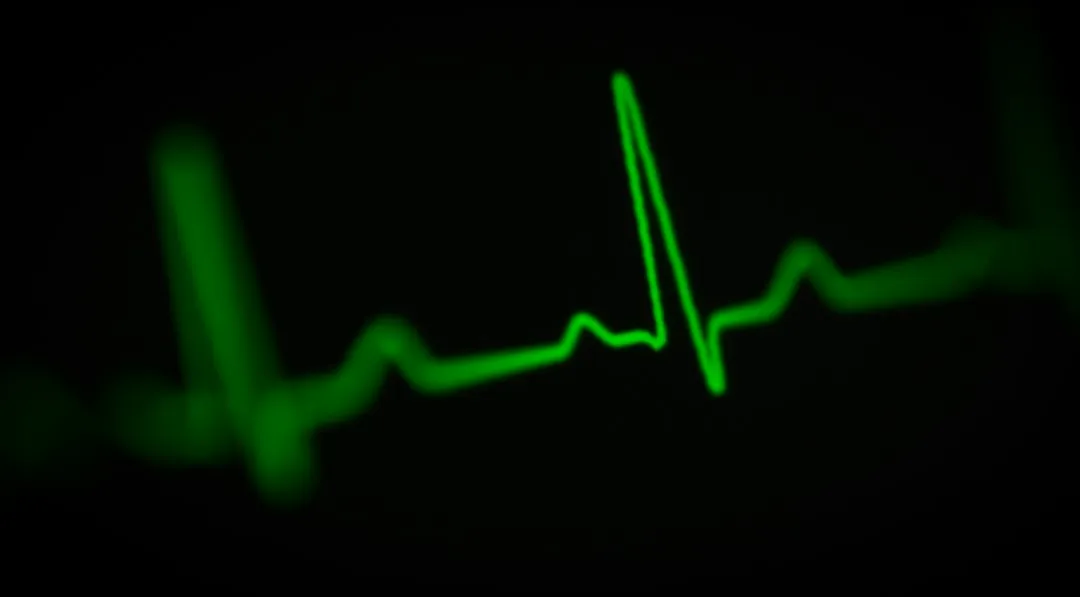
Frequent nightmares are associated with emotional dysregulation and altered autonomic activity, and subjects who reported more nightmares exhibited enhanced heart rates during all sleep stages, as well as during the daytime, with significantly reduced parasympathetic activity. This is a meaningful finding. The disruption doesn’t stay confined to nighttime.
In nightmare disorder, dysfunctional emotion regulation goes along with poor subjective sleep quality, characterized by pathophysiological features such as abnormal arousal processes and sympathetic influences, while dysfunctional parasympathetic regulation, especially before and during REM phases, is assumed to alter heart rate and its variability. The nervous system, in chronic sufferers, seems to remain in a state of low-grade alert around the clock.
How Common Is This Experience?

In adults, roughly 83% experience at least one nightmare a year, with those experiencing frequent nightmares comprising about one to two percent of the population, though some estimates place weekly nightmares as high as five percent. So while the heart-racing wake-up is jarring, it’s a very widely shared human experience.
Nightmare disorder, defined as repeated dreams that are extremely dysphoric, are well remembered, and cause significant distress or impairment in functioning, affects somewhere between two and five percent of adults in the general population. For the much larger share of people who have bad dreams only occasionally, the physiological response is the same in kind, just less frequent in occurrence.
Fear and anxiety related to the COVID-19 pandemic led to an almost doubling of the prevalence of frequent nightmares compared with pre-pandemic levels. That surge served as a real-world demonstration of just how tightly nightmare frequency tracks with broader psychological stress.
The Link Between Nightmares and Heart Health
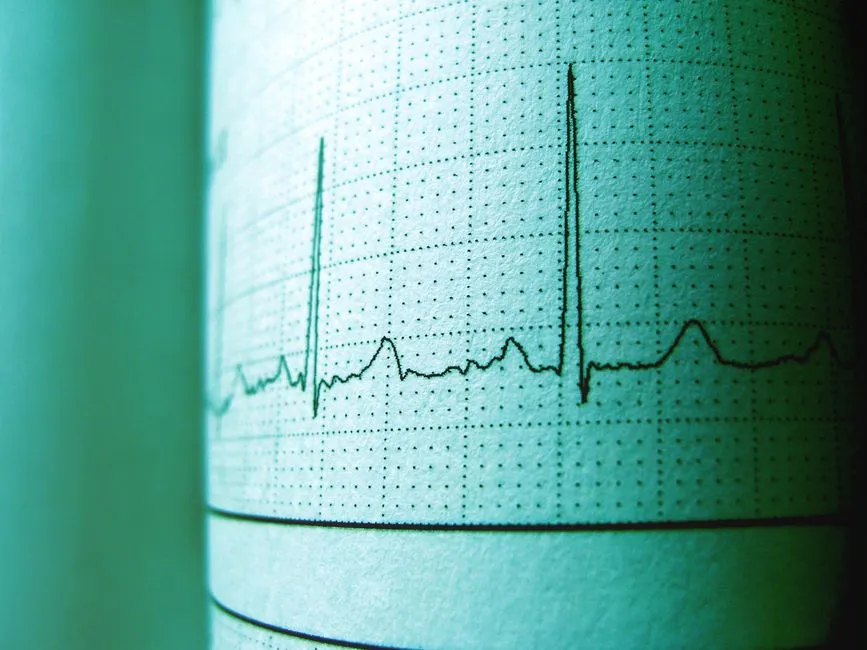
Individuals with chronic autonomic arousal are at increased risk of cardiovascular health problems, and elevated heart rate has been shown to be not only an indicator of prevalent cardiovascular disease but a risk factor for its incidence; nightmares are accompanied by autonomic activation. This makes the relationship between bad dreams and cardiac health more than a passing curiosity.
Research has linked frequent nightmares to hypertension and diabetes across multiple follow-ups, with data also confirming a robust nightmare-to-hypertension association. A 2026 population-based study published in a peer-reviewed journal added further weight to these findings, pointing to cardiometabolic consequences of chronic nightmare exposure.
It remains perplexing to understand how nightmares, which typically involve a transient burst of arousal, can produce a long-term risk for cardiovascular disease even after controlling for sleep variables and psychiatric diagnoses. The science here is still evolving, but the direction of evidence is consistent enough to take seriously.
Why Some People Are More Affected Than Others

Estimates of the prevalence of nightmares are far higher for psychiatric populations, with frequent nightmares occurring in about three-quarters of patients with PTSD, about half of patients with borderline personality disorder, and at least ten percent of patients with schizophrenia. Underlying mental health conditions dramatically amplify the intensity and frequency of these nocturnal events.
Some people suffer from nightmare disorder, defined by the repeated occurrence of nightmares and by significant distress in wakefulness, yet whether frequent nightmares relate to a general increase in emotional reactivity or arousal during sleep remains an open question. Individual differences in amygdala sensitivity and emotional regulation capacity likely play a significant role in who wakes up most dramatically shaken.
What Happens as You Calm Down

If you wake up after an upsetting dream or night terror with your heart racing, your heart rate should slow as you calm down. The parasympathetic nervous system gradually reasserts itself, pulling the brakes on the adrenaline surge and returning your cardiovascular system toward its resting state.
Anxiety triggers your sympathetic nervous system to release adrenaline and cortisol, directly increasing heart rate, and at night, reduced external stimulation heightens your awareness of every heartbeat, creating a feedback loop. Being aware of that loop is itself useful. Knowing the feeling is physiologically normal can shorten the duration of distress after waking.
While waking up in a state of cardiovascular hyperarousal can be highly distressing and provoke significant health anxiety, it represents a functioning, intact autonomic nervous system reacting appropriately to perceived psychological threats. The body isn’t malfunctioning. It’s doing exactly what millions of years of evolution designed it to do. The signal, in most cases, is benign even if the sensation is anything but.
The Takeaway

The racing heart you feel after a bad dream is not random noise. It’s the tail end of a sophisticated biological process, one that involves your amygdala, your stress hormones, the architecture of REM sleep, and the autonomic nervous system all working in concert. That process is, in most people, entirely normal.
Where it becomes worth paying attention is in frequency. Frequent nightmares show a significant association with cardiometabolic disease, although the underlying mechanisms are not yet fully explained. Occasional bad dreams followed by a pounding heart are simply part of being human. Persistent, recurring nightmares that leave you shaken night after night are worth discussing with a doctor or sleep specialist.
The body is a remarkably honest communicator. A racing heart in the dark is, in one sense, proof that your internal alarm system works. The real question is what it’s trying to tell you about how you’re living while you’re awake.
AI Disclaimer: This article was created with the assistance of AI tools and reviewed by a human editor.