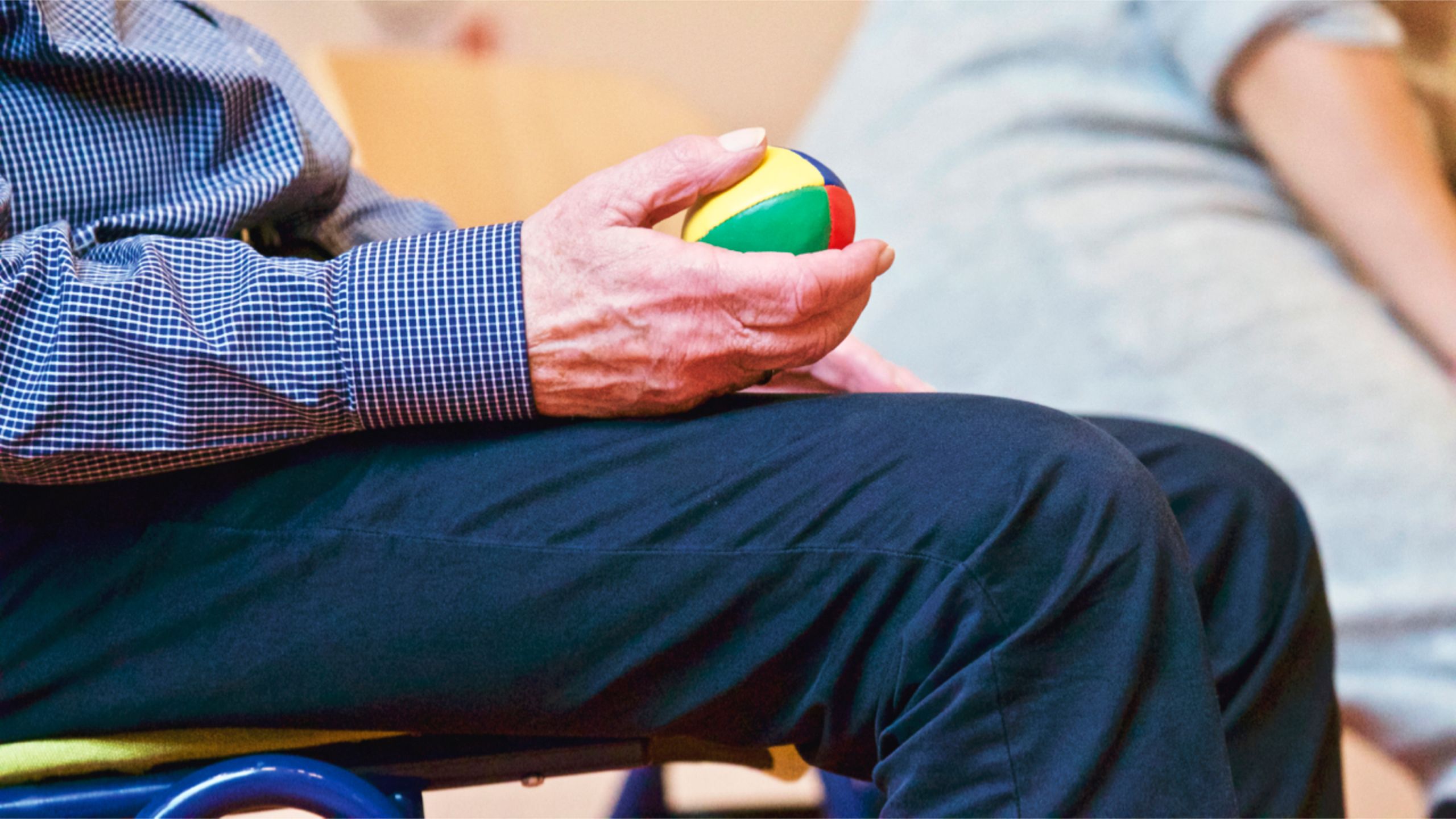

It Has a Name: POTASH
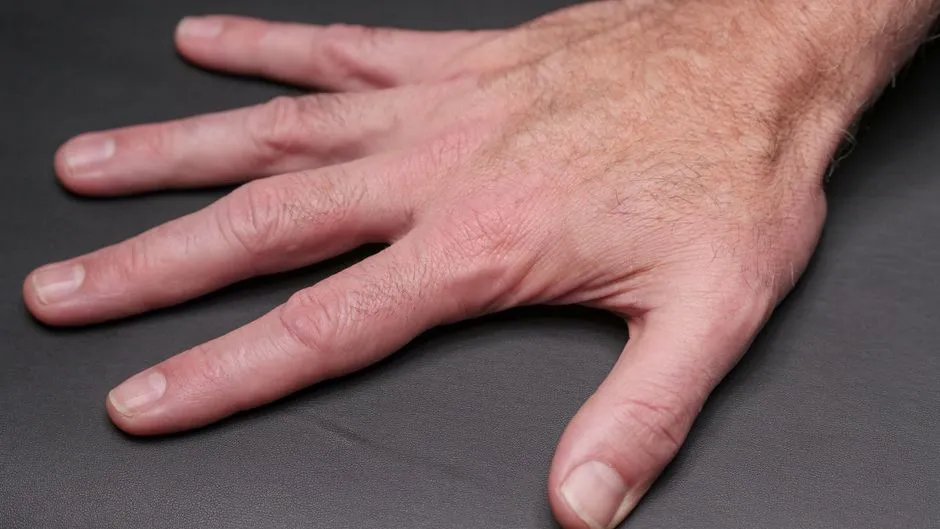
Many people experience hand swelling when walking, and this is formally known as Post Ambulatory Swollen Hands, or POTASH. It’s considered a common issue among regular walkers. The term might sound oddly official for something that happens during a casual stroll, but it reflects the genuine scientific attention this phenomenon has received.
Research suggests that hand swelling during walking, or POTASH, affects roughly one in four people. Several explanations for POTASH have been proposed, though the definitive cause of hand swelling related to hiking, running, or walking remains to be determined.
The condition was originally described as “big hand syndrome” by Brazilian researchers who were evaluating hand swelling in individuals who walked their dogs. It has since been observed in hikers, marathon runners, and everyday walkers alike.
Blood Flow Is Being Redirected
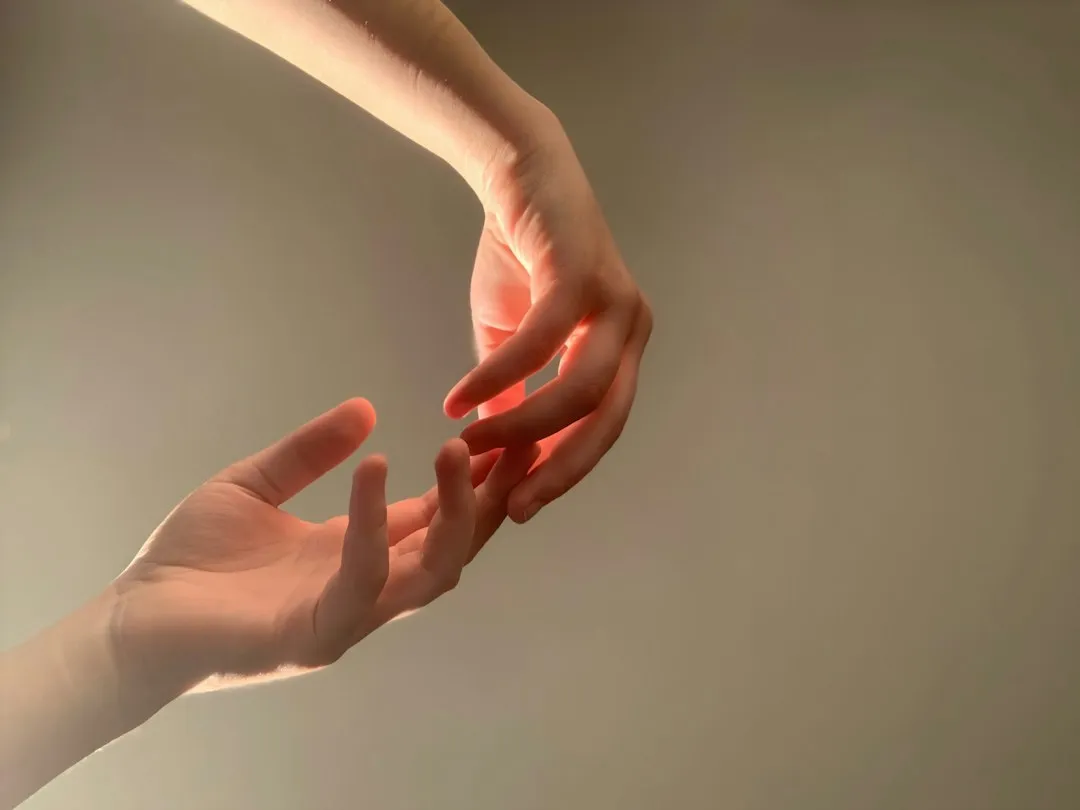
Hand swelling during exercise appears to result from the way your body and blood vessels react to the higher energy needs of your muscles. During exercise, more blood flows to your heart, lungs, and the muscles you’re actively working. Less blood may then flow to your hands, making them cooler.
This reduced flow causes the temperature in the hands to drop, triggering a localized response where small blood vessels widen through a process called vasodilation to maintain circulation. Vasodilation helps regulate core body temperature and accommodates the overall increase in blood volume during exercise. As blood flow increases through these expanded vessels, the pressure inside the capillaries rises. This elevated pressure forces plasma, the fluid component of blood, to leak out of the capillaries and into the surrounding tissues of the hand.
Your Hands Act as Heat Radiators
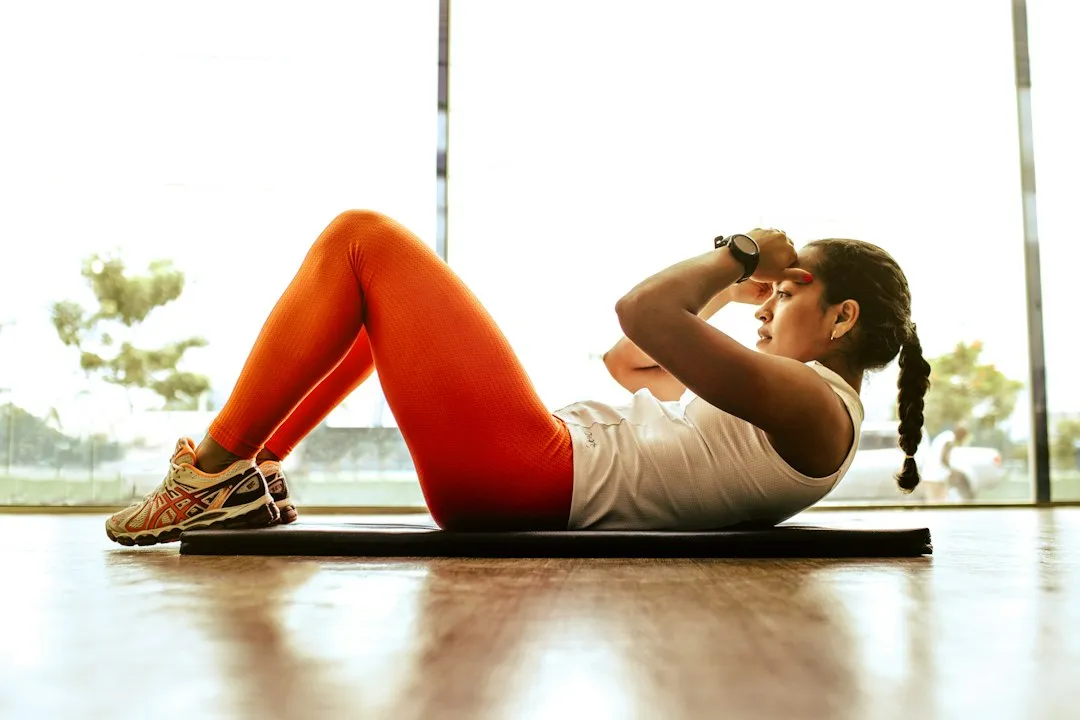
The primary reason for hand swelling during exercise relates directly to how the body manages heat and redirects blood flow to working muscles. When you walk, your large leg muscles begin generating heat, prompting your body to initiate thermoregulation to prevent overheating. This process involves intentionally widening blood vessels, particularly in the skin near the body’s surface, to allow heat to dissipate into the environment.
The hands, which act as effective heat radiators, receive increased volumes of blood through this necessary vasodilation. Simultaneously, the increased heart rate and blood pressure associated with exercise raise the capillary hydrostatic pressure within the blood vessels of the hands. This elevated pressure forces a portion of the plasma to shift out of the capillaries and into the surrounding tissue space.
It’s for this reason that hand swelling can actually get worse in cold weather, as the blood vessels in the hands open wider to try to keep the extremities warm. Temperature, in other words, plays a surprisingly significant role from both ends of the thermometer.
Gravity Is Working Against You
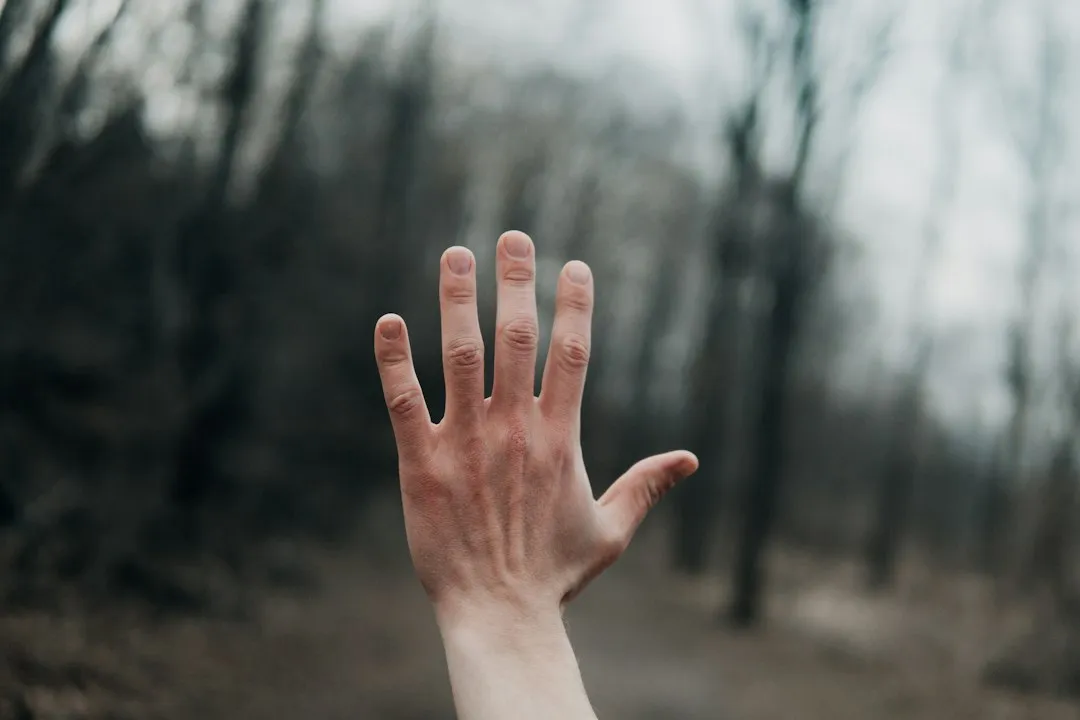
After walking for an extended period of time, during which the arms are at the sides, gravity simply pulls blood into the hands, causing swelling. The effect can be exaggerated during hiking, especially if a person is carrying a heavy backpack that restricts blood flow from the arms back to the body.
As you walk, your arms often remain lower than your heart, encouraging fluid accumulation in the hands. The continuous force of gravity contributes to the pooling of this fluid, especially as the arms hang loosely or swing during the walk. The lymphatic system collects and drains this excess fluid, returning it to circulation.
Think of it like a garden hose with a slight kink near the end. Blood circulates efficiently through the torso but faces extra resistance trying to return from below-heart-level extremities. Long walks amplify that resistance considerably.
Arm Swinging Adds to the Problem
The natural swinging motion of your arms during walking also plays a role. This repetitive movement, combined with gravity, can contribute to fluid pooling in the hands and fingers. A theory suggests a centrifugal force from arm swinging might push fluid into the extremities.
As activity ceases, this force lessens, allowing the body’s blood vessels to gradually return the fluid. This is partly why the swelling tends to fade relatively quickly after you stop walking and sit down. The mechanics of movement are working against fluid return the entire time you’re in motion.
The Lymphatic System Can Fall Behind
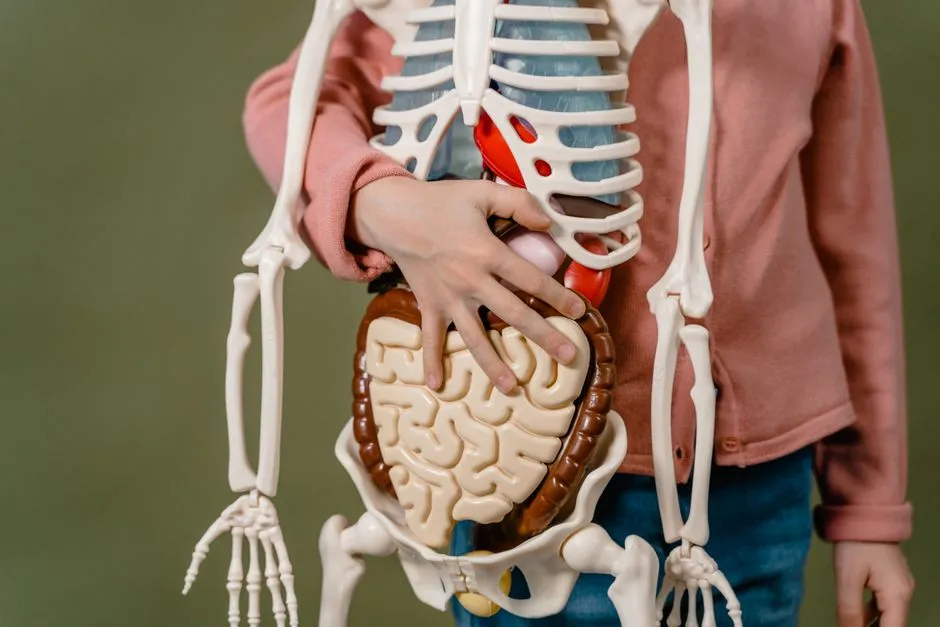
When you begin walking, your body redistributes blood flow to optimize oxygen delivery to active tissues, such as the heart, lungs, and leg muscles. Blood is temporarily shunted away from less essential areas, including the hands and fingers. This sets off a chain of events the lymphatic system sometimes struggles to keep up with.
The reasons for hand swelling during walking are complex, involving increased venous pressure and fluid redistribution. Walking for a long time puts hands in a position that increases venous pressure, which leads to fluid leaking into tissues. Gravity and the position of the arms during walking also play a role.
Hyponatremia: The Less Common but More Serious Cause
Sometimes, high-level athletes develop hyponatremia, which is an unusually low level of sodium in the blood. Swollen fingers and hands can be a sign of hyponatremia. This is a distinct mechanism from ordinary exercise-induced edema and deserves its own consideration.
Exercise-induced hyponatremia can occur when runners or occasionally walkers drink too much water without taking in electrolytes. Coupled with the simultaneous loss of electrolytes in sweat, this causes the relative amount of sodium in the blood to drop too much. Electrolytes like sodium, potassium, and chloride are lost through sweat, and simply replacing fluids without replenishing these key minerals can cause the concentration of these ions in the blood to drop.
The best preventative strategy for exercise-associated hyponatremia is to drink according to physiologically regulated, individualized thirst during exercise rather than drinking large, set volumes of water on a rigid schedule.
When to Take It Seriously
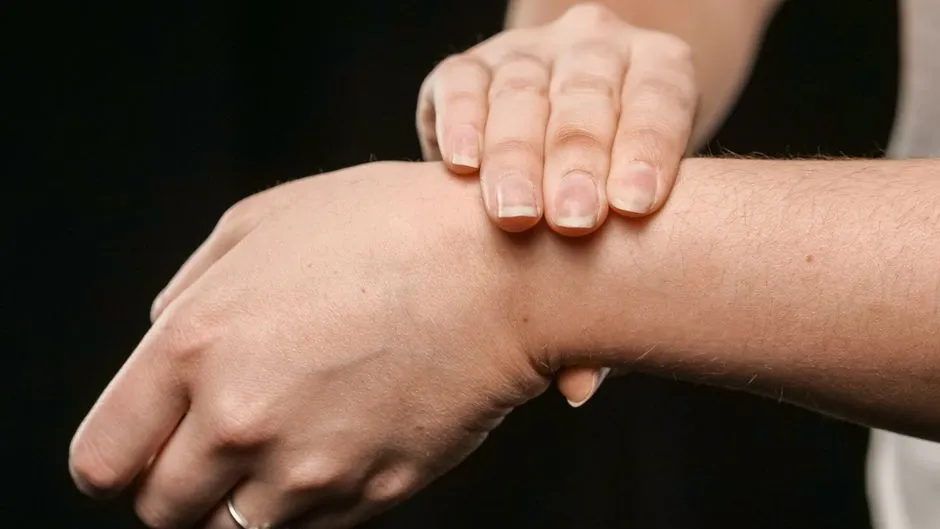
While hand swelling during walking is often a harmless response to exercise, certain signs and symptoms warrant medical evaluation. If the swelling in your hands persists long after you’ve finished your activity, or if it consistently fails to resolve, that’s worth checking with a doctor.
While swelling from exercise is usually benign, there are instances when it could indicate an underlying condition. Conditions such as carpal tunnel syndrome, arthritis, or circulation disorders may potentially be responsible. Other less common causes of hand swelling include low salt levels in the blood, injuries, water retention caused by too much salt in the diet, and underlying health issues.
If the swelling does not go down after an hour or two, it is worth consulting a health professional to ensure the swelling is not a symptom of a more significant issue, such as congestive heart failure.
Simple Things That Can Help
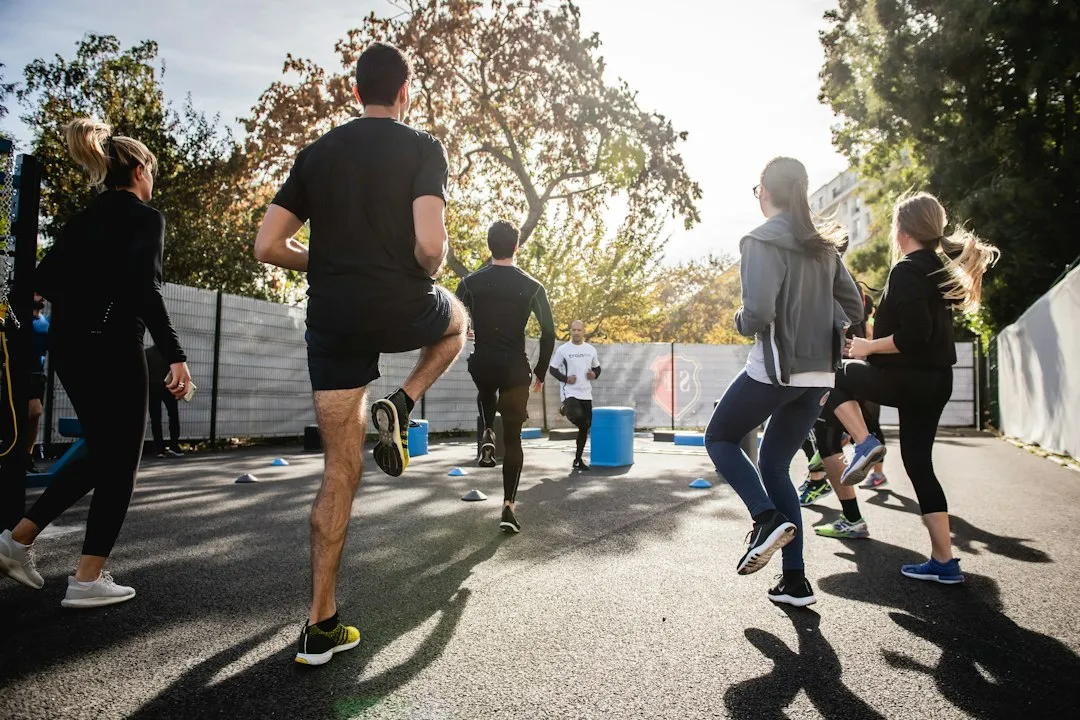
There is no proven way to prevent or reduce most exercise-related hand swelling entirely, but a few practical steps can ease it. Removing rings and loosening your watchband before exercise helps. Circling your arms forward and backward periodically during a walk also makes a difference. Stretching your fingers wide, making fists, and raising your hands higher than your heart several times during exercise can help as well.
When walking, using a hiking pole to keep the hand muscles squeezing can also reduce pooling. Wearing gloves that are snug but not too tight is another option. Drinking liquids that contain some salt while exercising, such as a sports drink with electrolytes, may also help.
Simple exercises like hand circles, finger bends, and wrist extensions can help promote blood flow and reduce hand swelling. None of these are guaranteed fixes, but they address the underlying mechanics sensibly.
How Long Does It Usually Last?
In documented cases, hand swelling typically begins after approximately one hour of sustained walking or running, with the degree of swelling proportional to the duration of the activity. The swelling then completely resolves spontaneously within two hours after stopping.
Although hand swelling due to increased blood flow may be annoying, it is not a cause for concern. In fact, it is a sign that the body is doing exactly what it is supposed to do: releasing excess heat or redirecting blood to working muscles. The swelling will usually go away within an hour after exercise is completed.
The hand swelling is generally asymptomatic and typically begins after an hour of either running or walking. A positive fist sign is usually demonstrated by the affected hands, where the fingers cannot be fully clenched into a fist. Once that ability returns, your hands have essentially recovered.
The Takeaway
Puffy hands on a long walk are one of those curious quirks of human physiology. They are, almost always, your body doing its job rather well: managing heat, redirecting fuel, and keeping your muscles going. The discomfort is real, but the threat, in most cases, is minimal.
Knowing the mechanisms behind it makes it easier to respond calmly rather than alarm yourself mid-walk. Stay attentive to how long the swelling lasts, keep hydration sensible and sodium-balanced on longer outings, and move your arms occasionally. Beyond that, the body tends to sort itself out once you sit down.
If the swelling is persistent, one-sided, or accompanied by pain or breathlessness, those are signals worth taking to a doctor. For the rest of us, sausage fingers on a long walk are simply part of the deal.
AI Disclaimer: This article was created with the assistance of AI tools and reviewed by a human editor.