
Everyone Has a Tremor – It Just Gets Louder With Age

Some increase in visible hand tremor with age is a normal physiological change, as the baseline tremor everyone has becomes more noticeable as muscle mass, coordination, and neurotransmitter systems shift. Clinically, this mild, stable shaking is sometimes called benign senescent tremor. As the body ages, muscle mass declines, fine motor coordination shifts, and the neurotransmitter systems that govern involuntary movement change. Clinicians sometimes call this benign senescent tremor: mild, stable, symmetric shaking tied to neuromuscular aging rather than disease, which does not worsen noticeably over months.
As you age, these oscillations can become slightly more noticeable on their own, but certain triggers amplify them significantly: caffeine, stress, fatigue, low blood sugar, and cold temperatures. So if the shaking only appears under those conditions and fades once they pass, it may not signal anything serious at all.
Essential Tremor Is the Most Common Neurological Culprit

The most common reason older people’s hands shake is essential tremor, a neurological condition that affects up to roughly five in every hundred people over 65 and nearly three in every hundred of those over 80. It’s widely underdiagnosed, partly because many people assume shaking is just a natural part of getting old. Essential tremor is the single most common reason older adults develop noticeable hand shaking, and it tends to appear in two waves across the population, with onset peaking in the 20s and again in the 60s, with prevalence climbing sharply after age 60.
Prevalence increases markedly with age, especially with advanced age. In a large meta-analysis, prevalence among those aged 65 and older reached nearly six percent, and in the oldest age groups, median prevalence was close to one in ten, with several studies reporting values above twenty percent. That’s a striking number, and it underscores how common this condition really is.
The Cerebellum Is at the Center of It

The underlying problem in essential tremor appears to be in the cerebellum, the part of the brain responsible for coordinating smooth, precise movement. In people with essential tremor, specific cells in the cerebellum gradually lose function over time, which disrupts the brain’s ability to fine-tune motor signals before they reach the muscles. Imaging studies consistently show structural and metabolic changes in the cerebellum of people with this condition.
Because it’s progressive, tremors that start out barely noticeable in your 60s can become more disruptive by your 80s. This is why early recognition matters, even when symptoms feel mild.
Essential Tremor Has a Strong Genetic Thread

Essential tremor tends to run in families, with an estimated sixty to eighty percent of cases being hereditary and the remaining cases appearing without any family history. That’s a wide range, reflecting how much variability exists even within this single diagnosis. There is roughly a fifty percent chance that someone whose parent has essential tremor will also acquire the condition.
Not all older adults experience shaking as they age, but if movement disorders run in your family, there’s a higher chance you will develop trembling as well. Genetics aren’t destiny, but they are a meaningful signal worth knowing about.
Parkinson’s Disease Tremor Looks and Feels Different

Parkinson’s disease tremor is a resting tremor. It appears when the hand is relaxed and supported, such as resting in the lap, and typically eases once movement begins, which is the opposite of essential tremor and normal aging tremor. That distinction matters enormously in a clinical setting. Parkinsonian tremor is often described as a “pill-rolling” action of the hands, and onset typically begins after age 60, with movement starting in one limb or on one side of the body before potentially progressing to include the other side.
Dopamine is a neurotransmitter associated with coordinating movement, and its deficiency leads to the characteristic motor symptoms of Parkinson’s, including tremors, slowed movement, muscle rigidity, and postural instability. Studies have shown that symptoms of Parkinson’s develop in patients with a loss of eighty percent or more of dopamine-producing cells in the substantia nigra.
How the Aging Brain Loses Motor Precision
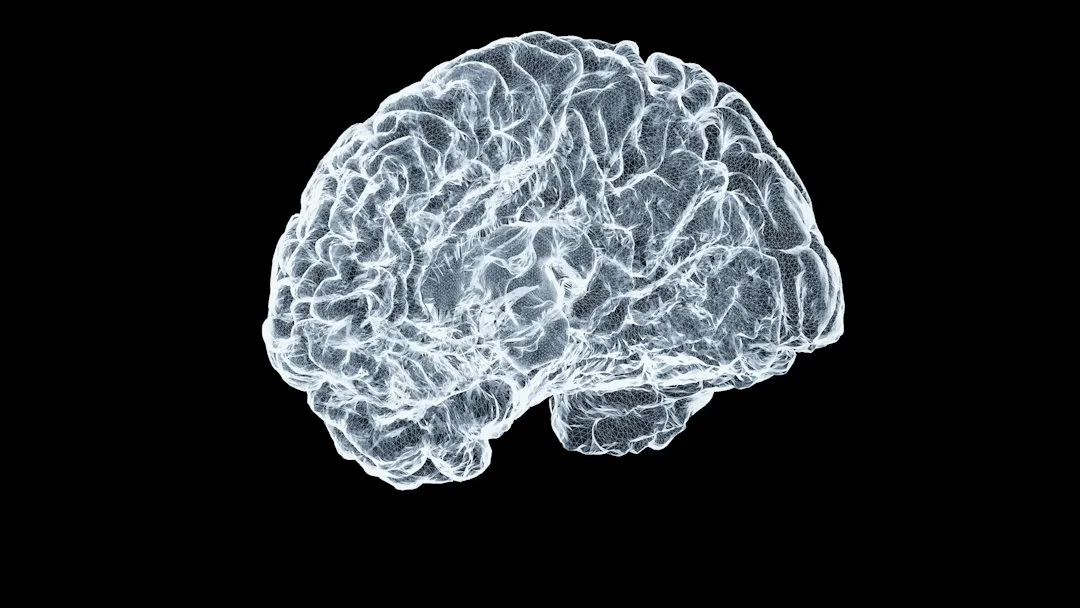
Advancing age is the primary risk factor for Parkinson’s disease, with most cases diagnosed in individuals over the age of 60. As people age, there is a natural decline in the function and integrity of dopamine-producing neurons in the brain, which may contribute to the development of Parkinson’s. This neurological wear is slow and cumulative, not a single event. Age-related tremor is still being actively studied, but according to the National Center for Biotechnology Information, it is likely a sign of neurodegeneration.
Studies have indicated that the basal ganglia circuitry, which is implicated in motor control and is disrupted in tremor, may also have a role in regulating other neurochemical pathways that influence aging and longevity. The brain’s motor infrastructure, in other words, is more interconnected than researchers once thought.
Medications Are a Frequently Missed Cause
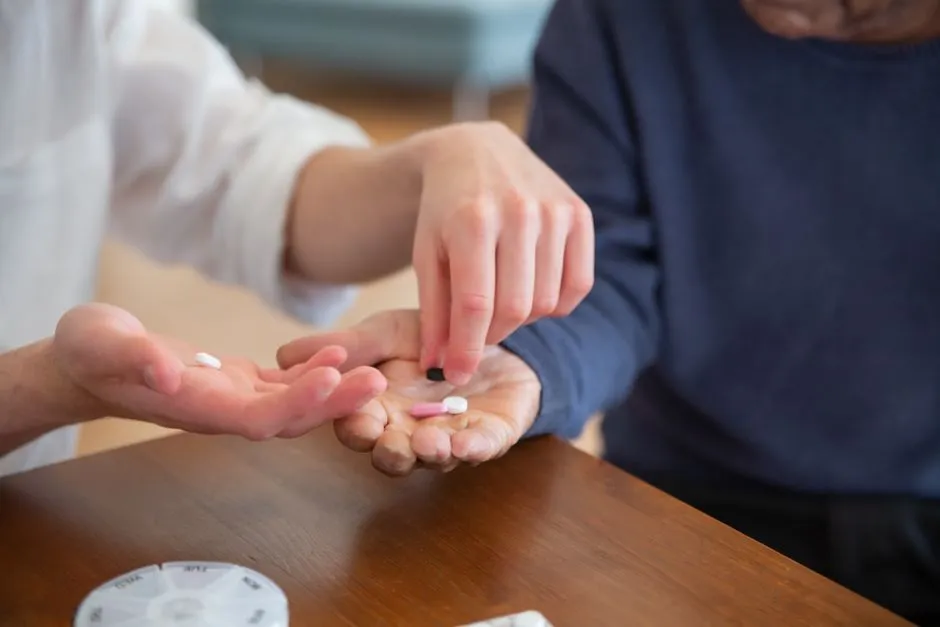
In many cases, tremors in seniors are linked to neurological conditions, medication side effects, or age-related changes in the nervous system. This third category is easily overlooked. Common culprits include certain antidepressants, mood stabilizers, stimulants, and some blood pressure drugs, all of which can amplify tremor in older adults whose baseline nervous system function has already shifted. Physiological tremor can be caused by certain drugs, alcohol withdrawal, or medical conditions including an overactive thyroid and low blood sugar.
The good news here is that medication-induced tremor is often reversible once the offending drug is adjusted or changed. Medication, thyroid issues, and B12 deficiency are common reversible causes of hand tremor in older adults. A medication review with a neurologist or geriatrician is frequently the most productive first step.
Stress, Sleep, and Caffeine Make Everything Worse

Anxiety, sleep deprivation, and physical fatigue all make tremors worse by increasing the nervous system’s baseline activity. For someone who already has a mild essential tremor, a stressful day combined with too much coffee can make the shaking noticeably worse. This is one reason people often report that their hands shake more during certain periods of life, without any underlying condition having changed. Stress from financial worries, relationship problems, and health concerns worsens tremors, and intense anger, extreme hunger, or sleep deprivation can all make hands shake.
Understanding these amplifiers is practically useful. Managing sleep quality, limiting caffeine, and reducing chronic stress won’t cure a tremor, but they can meaningfully reduce its day-to-day interference.
Tremor Prevalence Rises Sharply With Every Decade

Based on research aggregating data across multiple studies, it is estimated that the prevalence of essential tremor increases by a factor of roughly seventy-four percent for every decade increase in age. That compounding effect explains why shaking that was barely noticeable at 62 can feel much more intrusive at 72. Globally, essential tremor affects approximately one to two percent of the overall population, but its prevalence increases with age, rising to nearly six percent among individuals aged 60 to 65 and reaching over eleven percent in those 80 and older.
Essential tremor is the most common movement disorder, affecting an estimated ten million patients in the U.S. alone, with growing numbers due to the aging population. The prevalence rises with age, from just over six percent of the population over 65 to above twenty percent in the population over 95. These are sobering figures, and they suggest that tremor in later life is genuinely common, not a rare anomaly.
When to See a Neurologist, and What Treatment Options Exist

Pattern, timing, and progression matter more than tremor severity alone. A resting tremor and worsening over months both warrant clinical evaluation. If shaking is interfering with eating, writing, or daily independence, that’s a clear signal to seek assessment. Tremor usually worsens with age, leading to disability and loss of independence, which has an adverse impact on the quality of life of patients.
The tremor associated with essential tremor is usually slow to progress, and people with classic essential tremor don’t show the cognitive decline or increased mortality that sometimes accompanies other forms of age-related shaking. Treatment options range from beta-blockers and anticonvulsants to focused ultrasound and deep brain stimulation for more severe cases. Findings from scientists at the American Academy of Neurology have shown that those with essential tremor are more than twice as likely to develop dementia as those without the condition, which is one more reason that ongoing neurological monitoring makes sense.
The Takeaway

Shaking hands after 60 are not automatically a crisis, but they’re not something to dismiss without thought either. The range of possible causes is wide, from entirely benign physiological shifts to conditions that benefit significantly from early treatment. What neurologists consistently emphasize is that the details matter: when it shakes, under what conditions, how quickly it’s progressing, and whether it’s resting or active tremor tells a more meaningful story than the shaking alone.
Most people who ask their doctor about hand tremors come away with clearer answers and better options than they expected. The hardest part, often, is deciding to ask.
AI Disclaimer: This article was created with the assistance of AI tools and reviewed by a human editor.