
Every spring, millions of homeowners tear open a bag of grass seed, scatter it across a bare patch, and wait. They water. They check. They wait some more. Then nothing. The dirt stays stubbornly brown, the seed seems to disappear, and frustration sets in fast. Most people blame the seed brand, the weather, or just bad luck. In reality, the culprit is almost always the same thing: timing, and specifically, a misunderstanding of what “the right time” actually means.
Grass doesn’t respond to the calendar. It responds to conditions, and those conditions are far more specific than most people realize. Once you understand what’s actually happening underground, the reasons for failure become obvious, and completely avoidable.
Soil Temperature Is the Real Clock
Grass seed doesn’t germinate based on calendar dates. It responds to soil temperature, not air temperature, which makes monitoring your soil far more reliable than guessing based on the weather. This single fact trips up more homeowners than any other. You can have a gorgeous warm day in early March and still have soil that’s far too cold for germination.
Air temperature can read 75°F while the soil sits at 45°F, and warm-season seeds planted in those conditions simply won’t move. According to Penn State Extension’s lawn establishment research, soil temperature is the primary environmental trigger for grass seed germination across both cool- and warm-season species.
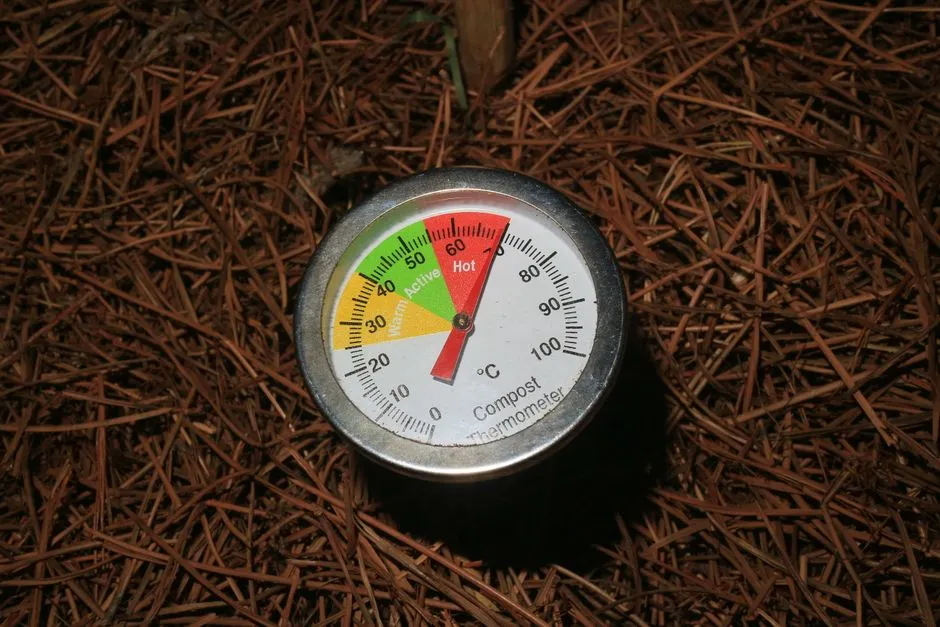
The soil holds and releases heat far more slowly than the air, so it tells you what the plants are really experiencing rather than what today happens to feel like. Checking the soil with an inexpensive thermometer before seeding is one of the simplest and most reliable steps you can take.
Cool-Season Grasses Have a Narrow Sweet Spot
Cool-season grasses such as Kentucky bluegrass, perennial ryegrass, and tall fescue grow most vigorously during the cool temperatures of late summer and early fall. Cool-season grass seed germinates best when soil temperatures reach 50 to 60 degrees Fahrenheit, which roughly corresponds to daytime air temperatures in the 60°F to 75°F range.
Fast cool-season grasses like perennial ryegrass sprout in 5 to 10 days at soil temperatures of 50 to 65°F. Tall fescue takes 7 to 12 days, and Kentucky bluegrass takes 14 to 30 days. Patience matters more with some varieties than others, and knowing your specific seed type changes your expectations completely.
Cool-season grasses thrive in regions with cold winters and moderate summers, in USDA zones 3 through 7, and they grow most actively when air temperatures are 60 to 75°F and soil temperatures are 50 to 65°F.
Warm-Season Grasses Need Heat, Not Just Warmth

Warm-season grasses such as Bermudagrass, Bahiagrass, Zoysia, and Centipede grass peak in growth during the warmer temperatures of late spring and early summer, thriving in southern and western regions and up into the transition zone’s southern reaches.
Most germination failure, especially with warm-season grass, is because the grass seed was planted too early. Warm-season grass seeds need soil temperatures of 65 to 80°F, and planting outside these ranges drastically reduces germination rates.
These summer-loving grasses go dormant once temperatures drop near 55°F, so late-planted seedlings can’t prepare for what’s ahead. Planting warm-season seed in cool spring soil isn’t just ineffective. It can waste an entire growing season.
Planting Too Early in Spring Is the Most Common Mistake
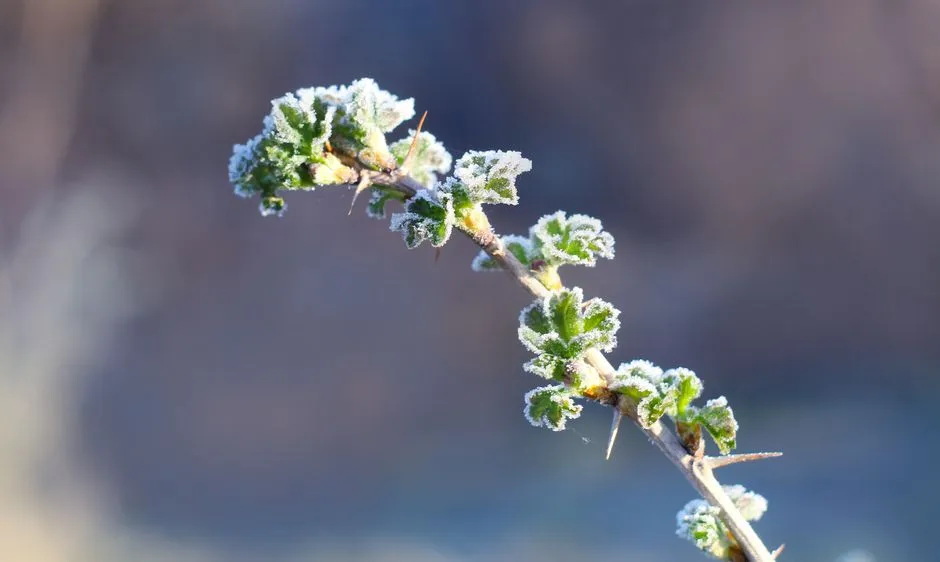
If you seed too early in spring, the soil may still be too cold, and the result is delayed germination or, worse, seeds killed outright by frost. A warm week in March can fool you into seeding too early, then a cold snap rots the seed in cold ground.
Two regions on the same calendar date can be weeks apart in soil warmth, which is why a one-size-fits-all spring schedule fails. What works in Georgia in late March may be disastrous in Ohio. Regional awareness matters enormously here.
Planting grass seed at the right time in spring is crucial for germination, but exact timing can vary from year to year. Soil temperature, recent weather patterns, and rainfall often matter more than the calendar alone.
Why Fall Is Often the Best Window for Cool-Season Seed
Several distinct advantages make fall the best time to plant cool-season grass seed. In early autumn, the soil is still warm from months of summer sun, and this combination of warm soil, moderate daytime temperatures, and cool evenings encourages fast germination and establishment of newly sown cool-season grass seed.
The transition period from late summer to early fall is an excellent time for overseeding or repairing bare spots in an existing lawn. The soil is sufficiently warm, and the cool, damp conditions of fall typically offer a strong start for new seedlings.
The latest you should plant grass seed is 45 days before the estimated date of the first frost in your area. Any later than that can kill tender seedlings and prevent seeds that haven’t sprouted yet from germinating until spring.
Inconsistent Moisture Kills More Seeds Than Cold Soil
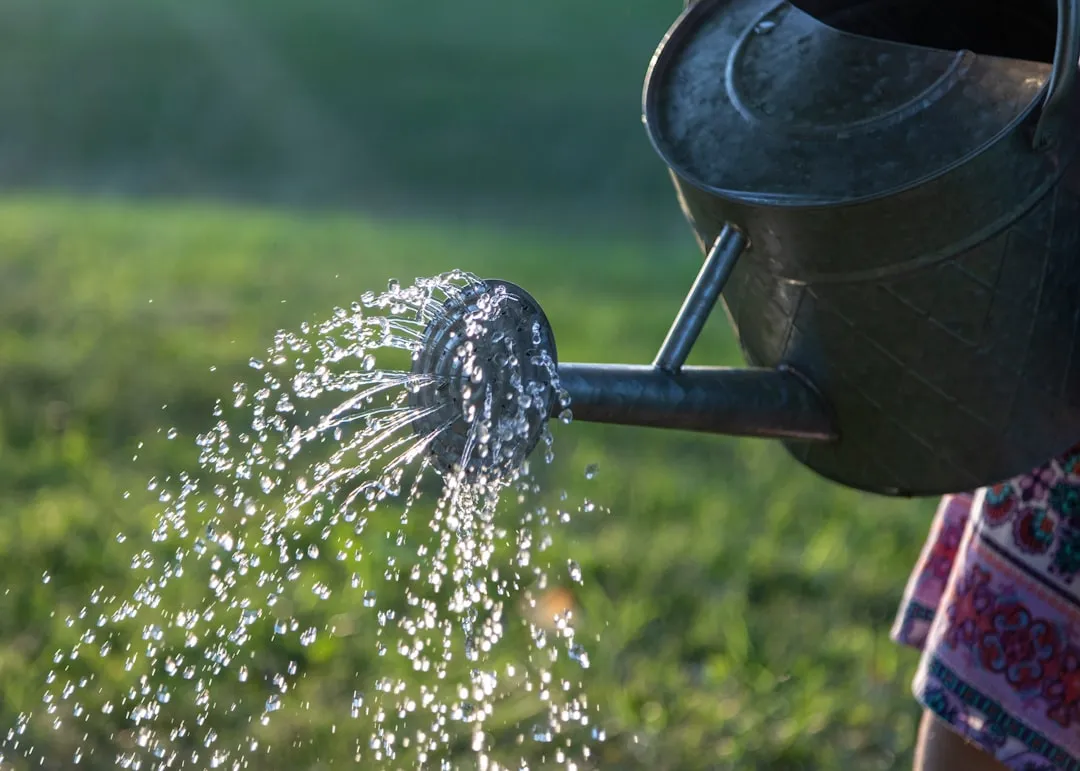
If grass seed is allowed to dry out even once during the germination process, the lawn will most likely fail to establish. During the initial 2 to 3 weeks of germination, the top inch of soil must be kept consistently moist.
Research shows that consistent moisture in the top 2 to 3 centimeters of soil is the single most critical factor for grass seed success, with waterlogged conditions causing oxygen deprivation and seed rot. Both extremes are damaging. This isn’t about soaking the ground. It’s about never letting it dry out.
Instead of one deep soaking, water the seeded area two to three times a day for just 5 to 10 minutes each time. A gentle misting spray is ideal. Deep once-daily watering often falls short, because the top layer can dry out long before the next watering cycle begins.
Planting Depth: Too Deep Is Just as Harmful as Too Shallow
Planting grass seed deeper than the recommended quarter to half inch can prevent seedlings from reaching the surface, leading to poor germination rates. The tiny seedlings simply do not have the energy reserves to push through a deep layer of soil.
If the seed is planted too shallowly, it will dry out quickly and won’t be able to germinate. Seed needs the right soil temperature for its species, consistent surface moisture, and a planting depth of about a quarter inch to germinate on schedule.
If seed is sitting on thatch, buried more than about half an inch, or floating in mulch, the failure started before watering even began. Firm, shallow contact with the soil surface is the foundation everything else depends on.
Soil Preparation Is Not Optional
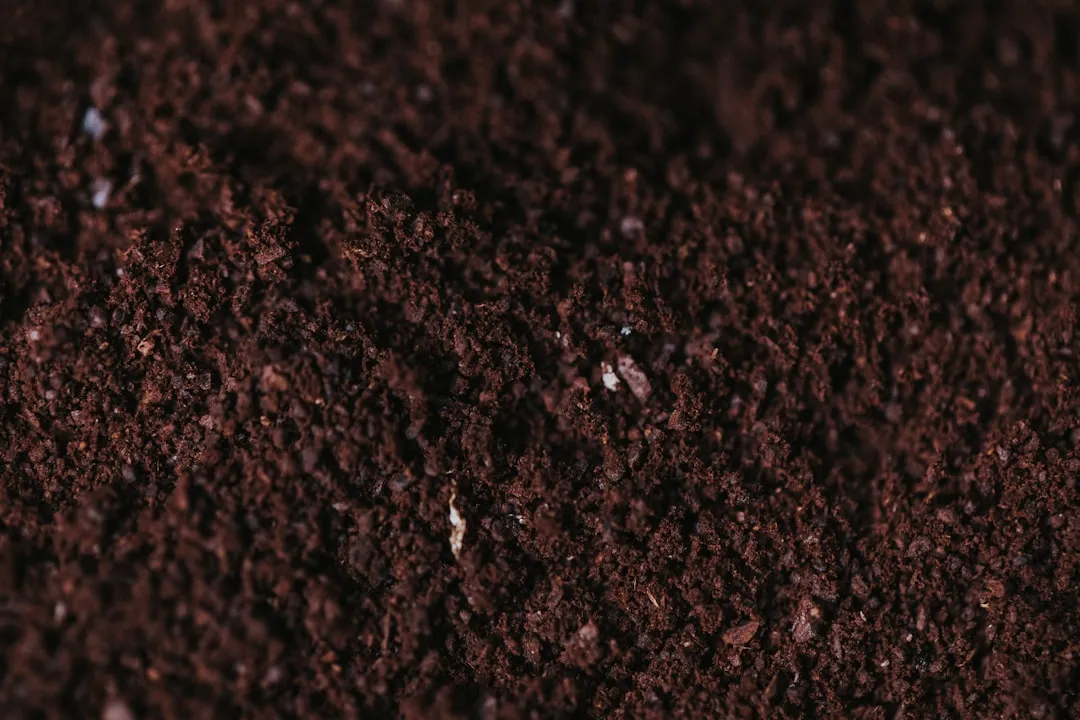
Proper soil preparation is a critical step that is often overlooked. Before seeding, soil should be tested to adjust for proper pH and nutrient levels. Simply spreading seed on compacted, nutrient-poor soil is a recipe for failure, regardless of how high-quality your seed is.
Grass seed needs direct contact with loose soil to absorb moisture properly. Seed sitting on top of thatch, dead grass, or compacted ground often struggles before it ever sprouts. A quick rake, light aeration, or loosened top layer can make a dramatic difference in germination success.
The texture, pH, and nutrient content of the soil greatly affect grass seed germination. Loamy soils with a neutral pH and good nutrient content provide optimal conditions. Testing before you seed takes a week and costs very little. Skipping it can cost a full season.
Temperature Extremes Ruin Seedlings Even After They Sprout
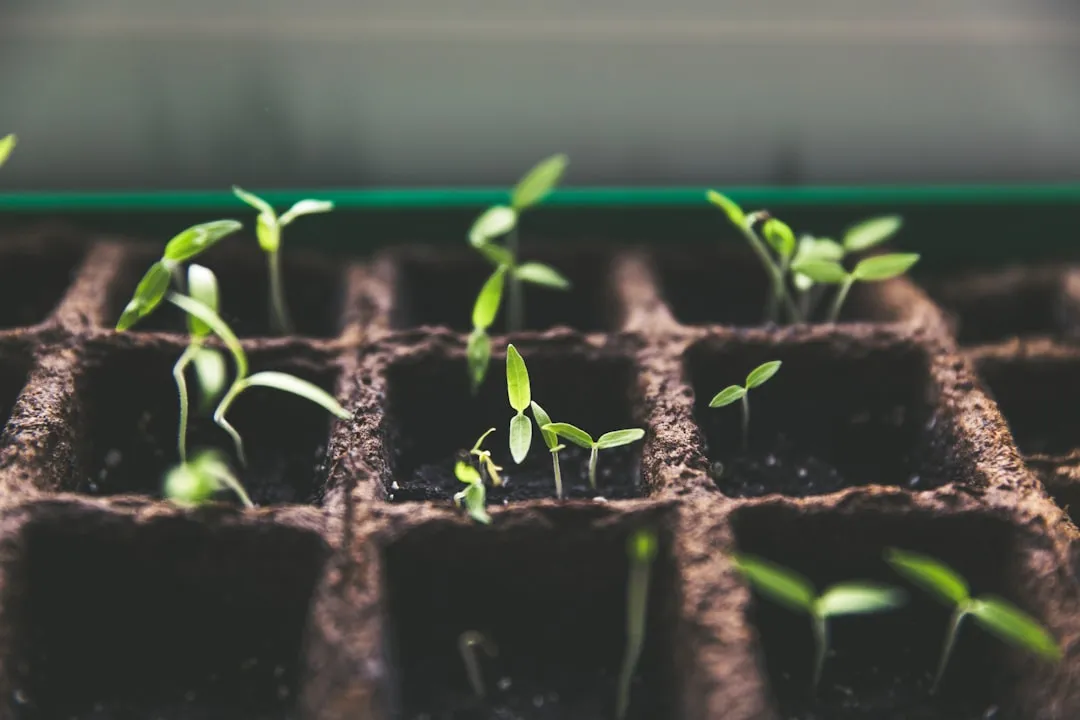
If you seed too late in summer, excessive soil heat dries out seedlings before they establish. Too much cold or heat during germination can prevent sprouting, weaken seedlings, or wipe out an entire seeding project. Understanding temperature thresholds, along with soil conditions, seed type, and seasonal timing, allows homeowners to plant with confidence and avoid wasted time and money.
Field trials demonstrate that soil temperature variations of just 2 to 3 degrees Celsius can create patchy germination patterns, explaining why north-facing slopes often show better establishment than shaded areas. Even microclimates within your own yard can create uneven results if you’re not aware of them.
The universal rule is to plant when soil temperatures are in the optimal germination range for your grass type, and when the grass will have at least 6 to 8 weeks of favorable growing conditions before the next temperature extreme, whether summer heat or winter frost.
How to Actually Check Soil Temperature Before You Seed
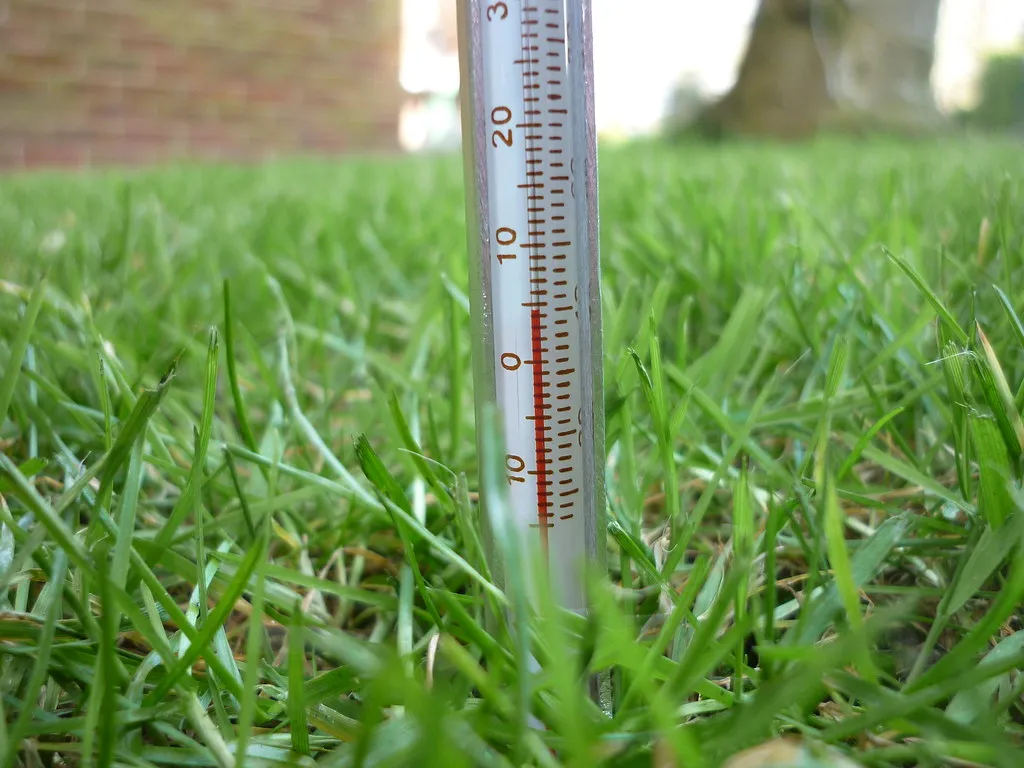
An inexpensive soil thermometer, available at garden stores and online retailers, can help eliminate the guesswork. Soil temperature for grass seed should be measured at a 2-inch depth, because the depth changes the reading and must be standardized.
Morning readings run cooler and mid-afternoon readings run warmer, so taking measurements at a consistent time of day gives a cleaner trend to work from. A few consecutive days within the right temperature window matters more than one reading that briefly pokes into it.
The Greencast soil temperature map and most state university extension services provide real-time soil temperature data by ZIP code. Using one of these tools alongside your own thermometer removes the last remaining excuse for guessing, and guessing, more than anything else, is why grass seed fails.
The Takeaway
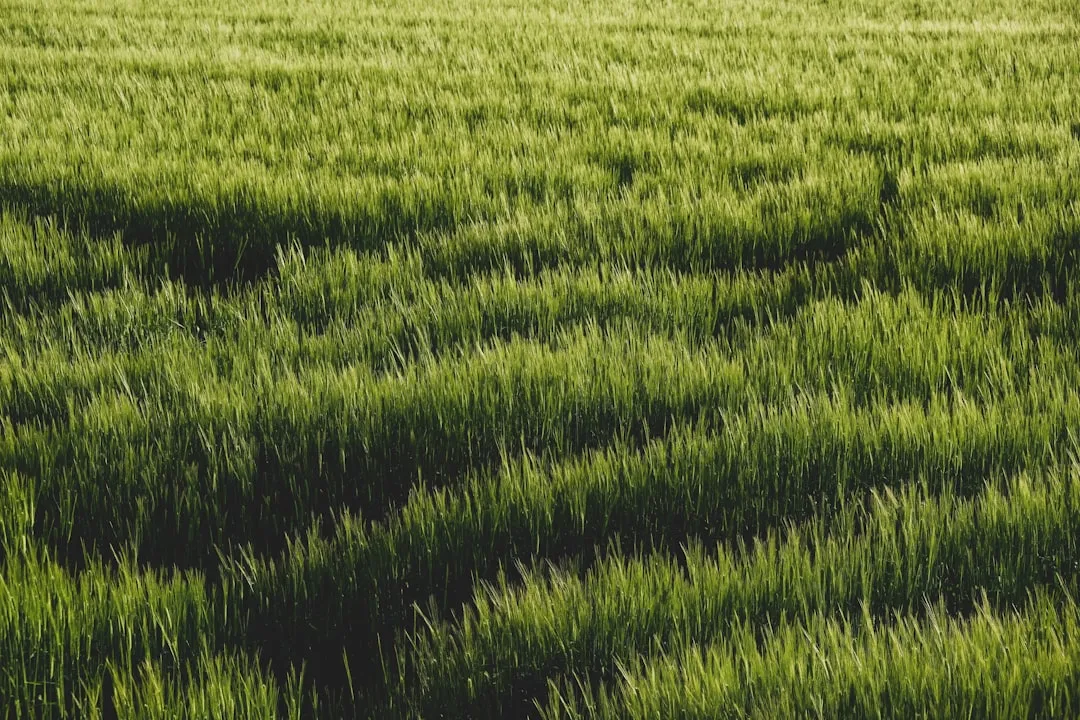
Most grass seed failures aren’t mysterious. They trace back to one core misunderstanding: that the date on the calendar tells you when to plant. It doesn’t. Reading your local soil temperature replaces guesswork with the one number that drives germination, root growth, and ultimately, your lawn’s success.
Cool-season or warm-season, fall or spring, the principle stays the same. Match your seed to its temperature window, keep the moisture consistent, plant at the right depth, and prepare your soil first. Do those four things at the right moment, and most grass seed will do exactly what it’s supposed to do.
The seed sitting in your garage isn’t broken. The timing probably was. Fix that one variable, and everything else tends to follow.
AI Disclaimer: This article was created with the assistance of AI tools and reviewed by a human editor.