
There’s something worth noticing when you look at old photos of kitchen gardens from the mid-twentieth century: row after row of healthy vegetables, thriving without a single bottle of chemical spray in sight. It wasn’t luck. Generations before the synthetic pesticide era developed layered, intelligent systems for keeping pests in check, drawing on centuries of accumulated knowledge passed down through families and farming communities.
Today, with pest resistance growing and environmental concerns mounting, those older methods are attracting fresh attention from scientists and gardeners alike. The timeline of pest control traces its evolution beginning in the early 1900s, when farmers relied on traditional plant-based remedies, reflecting centuries of knowledge passed down through generations. What your grandparents knew intuitively, researchers are now spending considerable effort to verify and quantify.
The Ancient Roots of Natural Pest Control

Long before the first hardware store shelf stocked a bottle of synthetic spray, farmers around the world were solving pest problems with what they had on hand. The use of natural pesticides in agriculture can be traced back to ancient civilizations, where farmers relied on nature’s resources to protect their crops. Ancient Egyptians utilized garlic and onion extracts as insect repellents, demonstrating an intuitive understanding of plant-derived bioactive compounds. These weren’t random experiments. They were carefully observed practices refined over many generations.
One of the earliest records of insect prevention was found to be practiced by the ancient Sumerian society, who employed the use of sulfur to deter pests. In China, chrysanthemum flowers rich in pyrethrins were employed to combat crop-damaging pests, an approach that remains relevant in modern pest control practices. These civilizations built working pest management systems that held for thousands of years, well before the industrial age ever arrived.
Crop Rotation: The Original Pest Disruptor

One of the most powerful tools your grandparents had was also one of the simplest: they didn’t grow the same thing in the same place twice. Crop rotation is a proven method that breaks pest life cycles, improves soil health, and boosts plant growth, all without chemicals. The idea is straightforward. Pests that survive one season expecting the same host plant the following year find nothing to feed on.
Instead of planting the same crop repeatedly in one field, farmers alternate crops according to their nutrient requirements, rooting depths, and interaction patterns. This practice disrupts pest and disease cycles, manages soil nutrient balances, and improves soil structure, offering a holistic approach to sustainable farming. The results are measurable. Implementing crop rotation can reduce soil-borne pests by up to 75% compared to continuous monoculture.
A 2025 review published in MDPI’s Agronomy journal found that crop rotation can significantly improve soil structure, organic matter content, and nutrient cycling, with soil organic carbon increasing by up to 18% when legumes were included in rotations compared to monoculture systems. Healthier soil means stronger plants, and stronger plants are considerably harder for pests to damage in the first place.
Companion Planting: A Garden Designed to Confuse Pests

Your grandmother probably planted marigolds around her tomatoes without necessarily knowing the science behind it. She just knew it worked. Companion planting is the intentional partnering of two or more different plants for reasons that extend beyond aesthetics. One popular form of companion planting partners plants with the intent of deterring pest insects.
Pests have an easier time locating host plants when there are a large number of them planted closely together. To make it harder for pests to find a particular host plant, the practice of intercropping can be very effective. Traditional companion planting makes many statements, often based on little more than folklore. In recent decades, however, scientists have found that there are definite benefits to adding diversity to your garden, primarily because certain plants attract and support beneficial insects that either help control pests or help pollinate your crops.
In one field study, researchers assessed how companion plants intercropped with collard greens could affect the natural infestation by aphids. Aphid densities were significantly lower in companion plant treatments over the first four weeks of the experiment, which likely reflected increased predation by sheltered generalist predators. Grandmother’s garden, it turns out, was a carefully balanced ecosystem.
Garlic, Onions, and Kitchen Pantry as Pest Spray
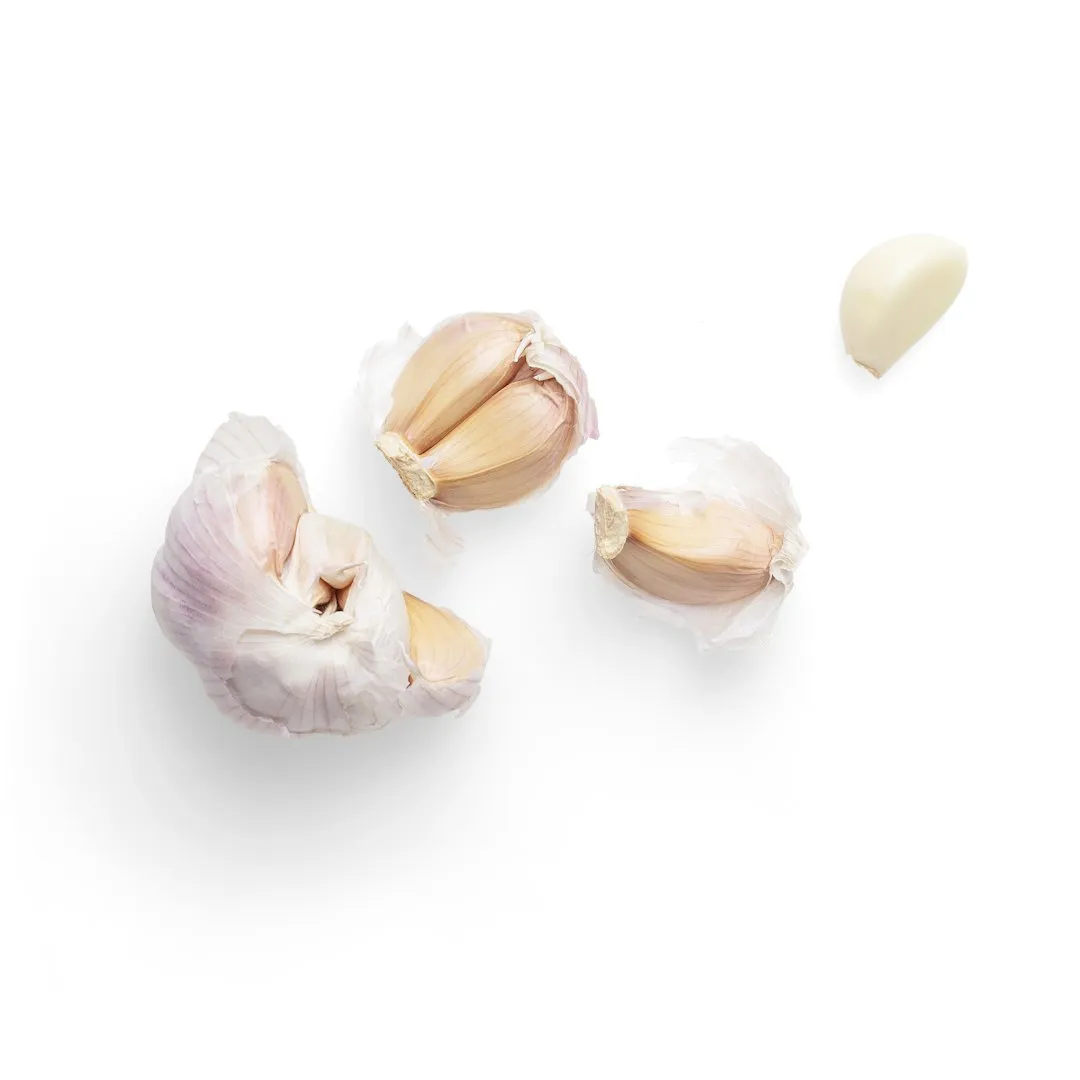
The pesticide cabinet in your grandparent’s home was often the kitchen. Garlic spray is one of the most effective natural repellents. Garlic’s strong sulfur compounds repel aphids, beetles, and caterpillars. A basic mixture of crushed garlic soaked overnight in water, strained and diluted, was a go-to treatment for generations of gardeners.
Homemade concoctions using kitchen ingredients like garlic and onions create a potent pest-repelling solution. Pungent aromas from these ingredients work effectively to discourage unwanted garden visitors without harsh chemicals. These weren’t just folk remedies. Ancient Egyptians utilized garlic and onion extracts as insect repellents, demonstrating an intuitive understanding of plant-derived bioactive compounds. The same approach spans thousands of years across cultures and continents.
Wood Ash: Waste Nothing, Protect Everything

Nothing went to waste in a traditional household, and the ash from the fireplace or wood stove was no exception. Sprinkling a layer of wood ash around the base of plants a couple of times each week will repel some surface-feeding insects, slugs, and snails by causing dehydration. Wood ash is very fine and gritty, so it works well to deter chewing insects when dusted over certain crops.
Utilizing wood ash from a fireplace or barbecue can be an effective pest deterrent. It creates an alkaline barrier that many soft-bodied insects avoid. Sprinkle it around the base of plants to protect against slugs and snails. Wood ash also adds potassium to the soil, benefiting plant growth. One material, two jobs. That kind of resourcefulness was at the heart of traditional pest management.
Neem: Nature’s Systemic Insecticide
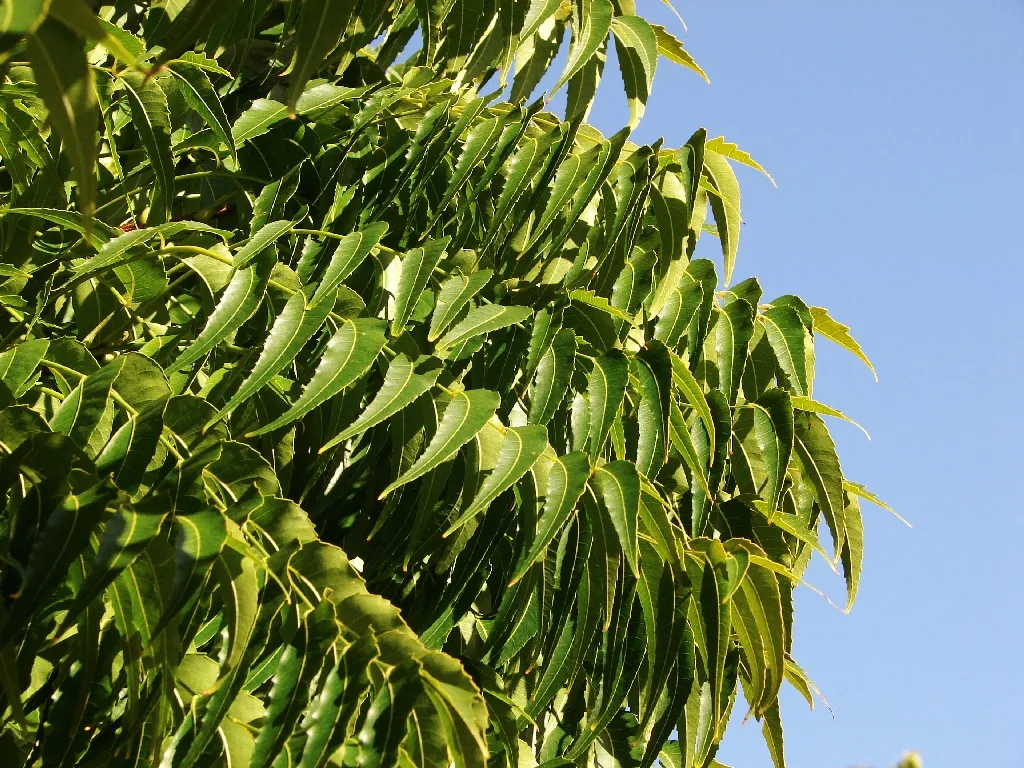
While neem may feel like a modern organic gardening trend, its use stretches back centuries across South Asia and Africa. Neem trees are abundant in many regions and can be used as a very potent natural bioinsecticide. Neem’s extracts have an effect on nearly 400 species of insects, including major pests such as moths, weevils, beetles, and leaf miners.
Derived from the seeds of the Azadirachta indica tree, neem oil is a cornerstone of organic gardening. Its power lies in its active compound, azadirachtin, which doesn’t kill insects on contact. Instead, it works systemically, disrupting their hormonal balance, suppressing their appetite, and inhibiting their ability to grow and reproduce. This multi-front approach is precisely why it’s so effective, and why traditional farmers who had access to neem trees used them so widely.
Neem’s bark, leaves, and seeds have historically been used for a variety of therapeutic purposes, and the practice of employing plants to treat various illnesses dates back thousands of years. The fact that modern research keeps circling back to neem says something significant about the depth of that old knowledge.
Welcoming Beneficial Insects as Allies
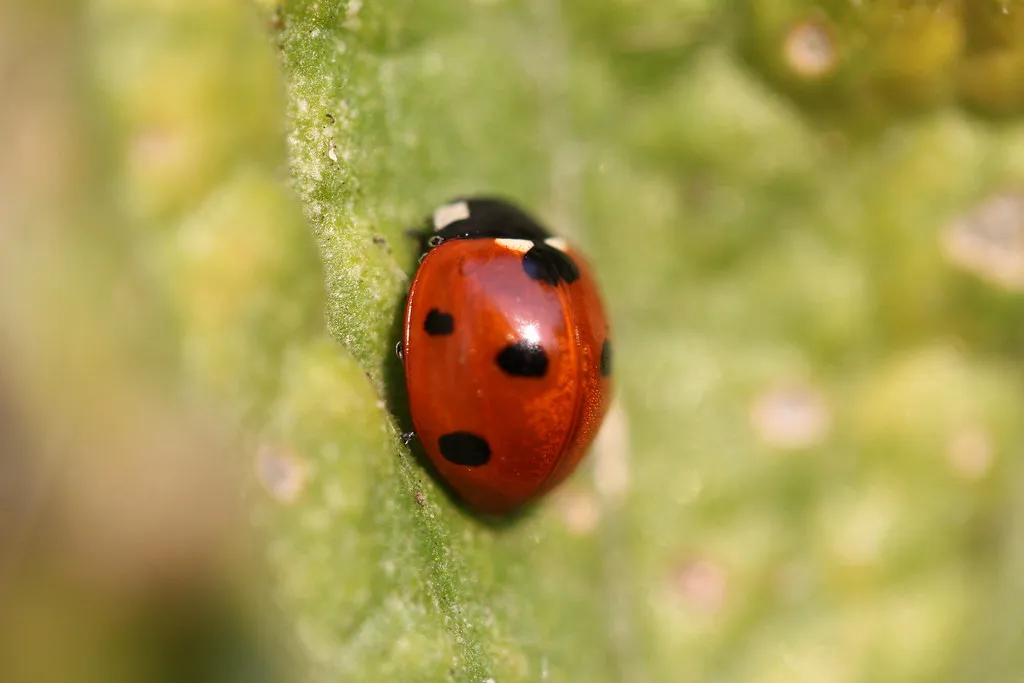
Old-time gardeners didn’t try to kill every insect they saw. They understood, at least intuitively, that the garden had its own police force. By naturally regulating pest populations, beneficial insects can help minimize reliance on pesticides that have harmful effects on pollinators and soil health. The trick was keeping habitat available for these helpful creatures to thrive.
With approximately 475 species in North America, lady beetles, also known as ladybugs, are highly regarded as voracious predators of agricultural pests. Most lady beetles are specialist predators of aphids or scale insects, though some consume whiteflies, mites, thrips, and insect eggs. A single lady beetle may consume up to 5,000 aphids in its lifetime. That’s a meaningful contribution that requires no mixing, no spraying, and no expense.
Green lacewings are one of the most effective beneficial insects for organic pest control. It’s actually the larvae that do the real work. Lacewing larvae feed aggressively on aphids, thrips, whiteflies, spider mites, leafhoppers, and other soft-bodied pests that commonly damage flowers and foliage. Gardens with diverse plantings and undisturbed habitat naturally attract and retain these insects.
Biological Control: Using Nature’s Checks and Balances
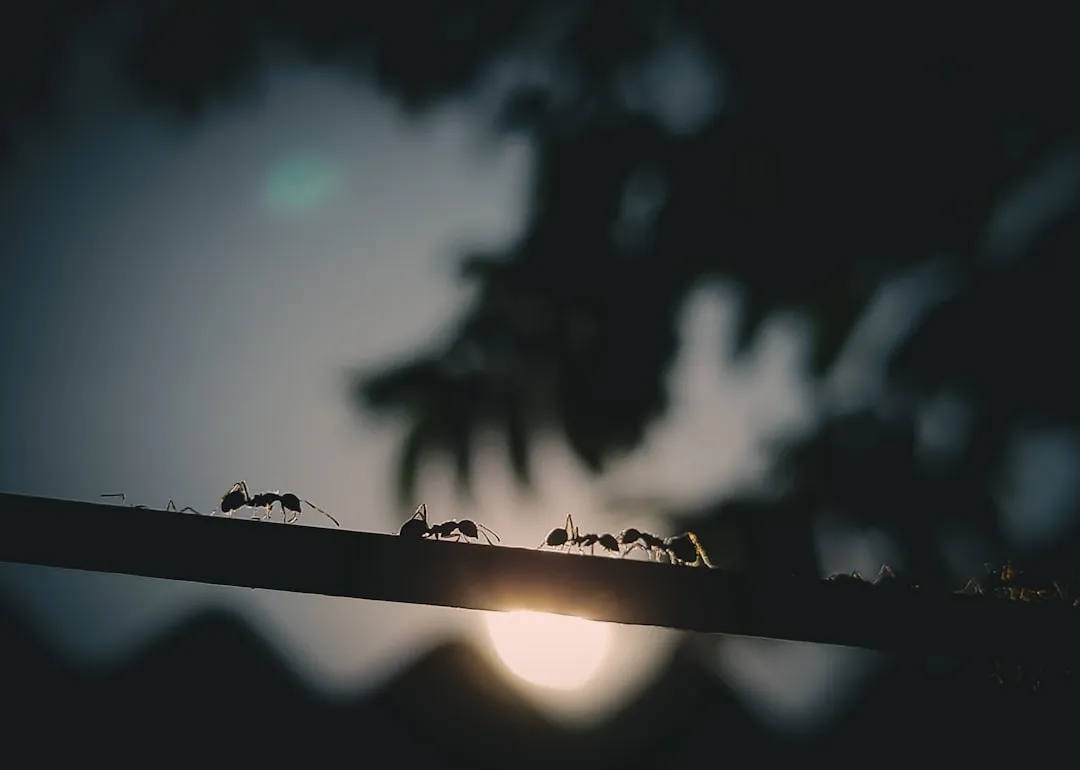
Centuries before the term “biological control” existed in any scientific publication, farmers were practicing it. One of the earliest recorded examples of biological control dates to ancient China around 300 BCE. Chinese farmers discovered that ants could be used to protect citrus orchards from pests. They encouraged weaver ants to inhabit their trees, where the ants would hunt and feed on caterpillars and other damaging insects.
In 1888, farmers successfully implemented the first large-scale biological predatory pest control by using vedalia beetles to mitigate the threat of cottony cushion scale, an insect that originated in Australia. This wasn’t accidental. It was an organized, intentional effort to use one organism to regulate another. The rise of synthetic pesticides in the mid-twentieth century temporarily overshadowed biological control efforts. The rapid effectiveness of chemical control led to widespread adoption, yet it also brought unintended consequences, including pesticide resistance, environmental damage, and harm to non-target organisms.
Crop Diversity and Polyculture: Strength in Numbers

A field growing only one crop is, from a pest’s perspective, an all-you-can-eat buffet. Older farming traditions almost universally avoided this trap. European farmers implemented crop rotation, companion planting, and selective breeding to protect their harvests naturally. Mixed planting was not seen as complicated. It was simply common sense.
By introducing a diverse range of plant species, you enhance your garden’s visual appeal and provide a habitat for predator insects. These natural predators manage pest populations effectively, reducing the need for chemical interventions. The diverse array of plants found in an intercropped garden breaks up any monocultures and makes it harder for pests to find their host plants. Diversity, it turns out, is one of the most reliable defenses a garden has.
When Synthetic Pesticides Arrived and What They Changed
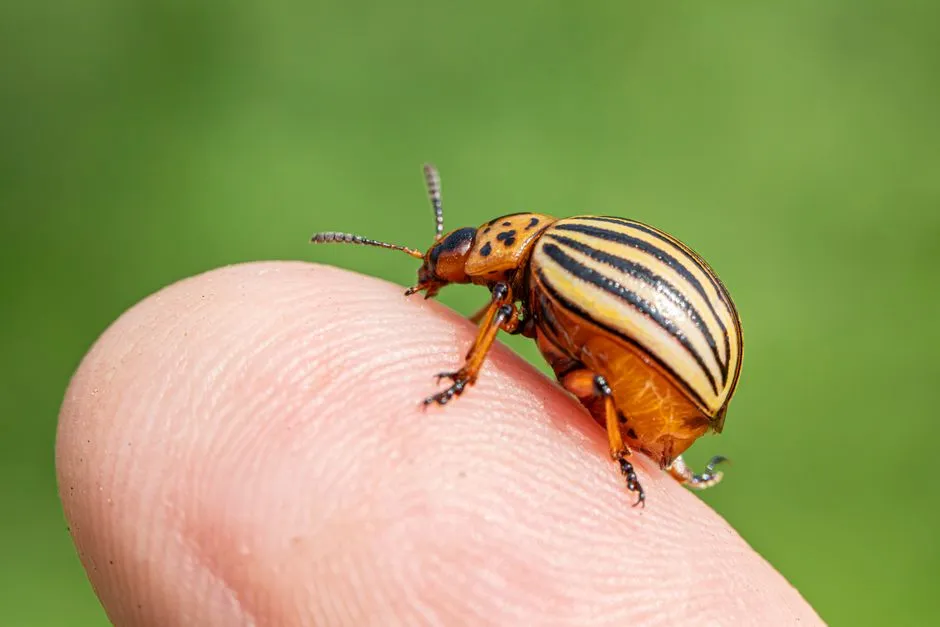
The shift away from traditional methods wasn’t gradual. It was sudden. The nineteenth century brought a major shift with the discovery of chemical pesticides. In 1867, Paris Green, the first synthetic pesticide, was developed to combat the potato beetle, a devastating agricultural pest. In the 1940s, scientists discovered the insecticidal properties of DDT and benzene hexachloride. Chemical solutions seemed to offer something the old methods couldn’t: speed and simplicity.
The costs, however, accumulated. Despite addressing scalability and efficacy issues, synthetic pesticides introduced their own set of problems. Overuse and improper application led to the development of pesticide-resistant pests and ecological imbalances. Furthermore, synthetic pesticides frequently harmed nontarget species, contributing to biodiversity loss.
Traditional pest management approaches primarily rely on synthetic insecticides, which, while effective in controlling aphid infestations, pose several drawbacks. Excessive use of insecticides has led to environmental pollution, contamination of water bodies, and harmful effects on non-target organisms, including pollinators and natural enemies of aphids. These are not abstract concerns. They represent measurable, documented damage to the same ecosystems that traditional farming worked to protect.
The Takeaway

Your grandparents weren’t simply making do with what they had. They were operating within systems of accumulated wisdom that kept gardens productive without poisoning the soil, the water, or the creatures around them. The methods were diverse, layered, and responsive, rooted in observation rather than chemistry.
Science has spent decades catching up. Research on crop rotation, companion planting, biological control, and plant-based repellents continues to confirm what older generations already understood through practice. Modern pest management still uses variations of techniques that were crafted thousands of years ago. The difference is that we now have the data to explain why they work.
The old knowledge isn’t lost. It just got crowded out for a few decades. In a time when pest resistance is rising and chemical runoff remains a genuine environmental problem, the quiet, patient methods of a well-kept traditional garden look less like nostalgia and more like a sensible way forward.
AI Disclaimer: This article was created with the assistance of AI tools and reviewed by a human editor.