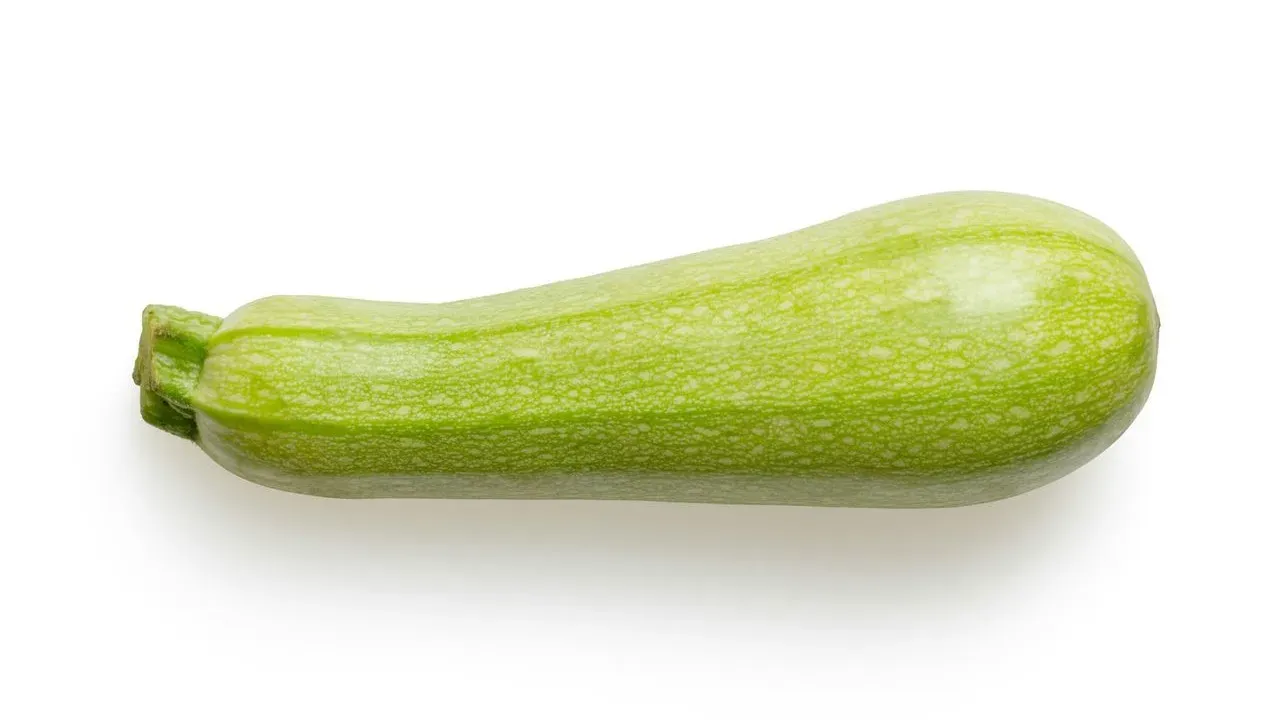

Late summer brings a familiar challenge for home gardeners: one healthy zucchini plant can easily deliver far more squash than a household can consume fresh. The vegetable’s high water content makes it grow rapidly and cook quickly, yet that same trait often leads to soggy results or wasted produce if not handled thoughtfully. Many gardeners find themselves looking for reliable ways to manage the surplus without simply giving away armloads of raw squash. ([1])
The Science Behind the Surplus
Zucchini consists of roughly 95 percent water, a trait that explains both its appeal and its pitfalls in the kitchen. This moisture allows the plant to mature quickly under good conditions, often yielding several pounds per plant over a season. At the same time, the water can turn baked goods gummy or cause sautés to steam rather than brown if left unmanaged. Salting shredded or sliced pieces and letting them rest in a colander draws out excess liquid through osmosis, improving texture in nearly every preparation.
Freezing for Long-Term Use
Proper blanching preserves quality far better than simply bagging raw pieces. Sliced zucchini benefits from a three-minute plunge in boiling water followed by an ice bath, which halts enzyme activity that would otherwise degrade flavor and texture over time. Grated zucchini for baking requires a shorter steam blanch of one to two minutes until translucent. Once cooled and drained, the portions can be frozen in recipe-ready amounts and later added to soups, stews, or batters with minimal loss of quality.
Skipping the blanching step remains possible but produces noticeably watery results after thawing. Any liquid that collects should be drained before use. These methods turn a single afternoon’s harvest into usable ingredients that last months in the freezer.
Creative Ways to Enjoy the Harvest
Beyond simple sautés or raw salads, zucchini lends itself to several satisfying preparations that use larger volumes at once. Shredded and drained pieces disappear into moist breads or muffins, adding subtle moisture without dominating the flavor. Halved and hollowed squash can be stuffed with grains, beans, or meat for a complete meal. Blending simmered zucchini with broth and aromatics creates a smooth soup that processes a substantial amount in one pot.
Spiralized strands serve as a light pasta alternative, while raw shreds add crisp texture to slaws or grain salads. These approaches move beyond eating the vegetable plain and help balance the rapid pace of a productive garden.
Preservation Choices and Safety Essentials
Pickling offers a tested, safe route to longer storage through vinegar-based recipes that provide the necessary acidity. Plain home canning of zucchini alone is not recommended, as the low-acid nature of the vegetable requires pressure processing with verified times that current guidance no longer supports. Only recipes with added acid, such as relishes or pickles, should be considered for water-bath canning.
A separate but important caution involves occasional bitter zucchini. High levels of naturally occurring cucurbitacin can develop due to cross-pollination or stress, producing an unmistakably bitter taste. The compound remains stable even after cooking, so any bitter specimen should be discarded rather than used. Tasting a small raw piece before preparing a batch provides a simple safeguard.
Sharing the Bounty Thoughtfully
Handing over raw squash often meets with limited enthusiasm, since many recipients face the same surplus. Baked goods, quick pickles, or containers of soup travel better and stand a greater chance of being enjoyed. These prepared items also keep longer than fresh zucchini and reduce the sense of burden that sometimes accompanies garden generosity.
With thoughtful handling, the late-summer abundance becomes an opportunity rather than an obligation. Proper moisture management, targeted preservation, and a few versatile recipes allow gardeners to enjoy the harvest well into cooler months while minimizing waste.
AI Disclaimer: This article was created with the assistance of AI tools and reviewed by a human editor.