
Few things are more frustrating on a freezing morning than pressing your garage door remote and getting nothing. No movement. Maybe a groan. Maybe a reversal halfway through. For many homeowners in colder climates, this scenario plays out every winter, and it rarely feels like a fluke.
The truth is, garage door openers are complex systems. They rely on metal parts, lubricants, electrical components, springs, sensors, and remote batteries all working together in concert. Cold weather puts each of those things under stress in its own specific way. Understanding what actually happens under the hood can save you a repair call and a lot of aggravation.
Thickened Lubricants Make Everything Sluggish

Cold temperatures affect garage door openers by causing grease to thicken, become sticky, or even solidify, forcing the opener to work harder and leading to a strained motor sound. This hardened grease often causes the garage door to stick in cold weather.
Standard lithium grease thickens significantly below about 20°F (around negative 7°C), creating drag that the opener motor has to fight against. This is widely considered the most common cold-weather garage door problem.
Many homeowners and even some inexperienced technicians use standard heavy grease or thick oil to lubricate garage door openers. Eventually, the opener assumes the door is too heavy and shuts down to prevent the motor from burning out. The fix is straightforward: wipe off the old grease and switch to a silicone-based spray or low-temperature lithium grease rated for cold conditions.
Metal Contraction Throws Off Alignment
Garage doors rely on a variety of metal components, like springs, tracks, and hinges, that are sensitive to temperature changes. As the temperature drops, metal contracts, which can cause tighter fits, increased friction, and restricted movement.
The garage door relies on a precise fit between the rollers and the metal tracks. The opener interprets friction from contracted metal as an obstruction, like a child or a pet in the way, and automatically reverses the door as a safety precaution.
Even small contractions can throw off the system’s balance, making it harder for the opener to lift the door smoothly. This is one of those problems that can look random until you understand the physics behind it.
Batteries Drain Much Faster in the Cold

Worn-out batteries in garage door remotes lose roughly 40% more power in cold weather below 20°F, causing stuck buttons and random signals that make a garage door behave unexpectedly.
The batteries in the remote opener can lose power more quickly in cold temperatures, which might result in the opener not responding or working intermittently. Many people assume their opener has a major fault when swapping the batteries would solve the problem entirely.
Cold temperatures can reduce a battery’s efficiency and capacity, leading to a higher likelihood of failure. It’s worth keeping a spare set of batteries stored somewhere warmer, like inside the house, rather than in a garage cabinet where they face the same cold.
Safety Sensors Fog Up and Lose Their Signal
If you have a heated garage, or if you pull a warm car into a freezing garage, the temperature difference can cause condensation to form on the glass lens of the sensor, just like glasses fogging up when you walk inside from the cold.
Photo-eye sensors are vital for safety, preventing the door from closing on an obstruction. Frost, ice, or condensation can build up on the lenses, blocking the beam and tricking the opener into thinking something is in the way.
Metal garage door tracks contract in cold weather, shifting safety sensors out of alignment. Even a slight shift in the sensor’s angle can break the beam it’s sending to its counterpart on the other side, causing the door to stop or reverse without any visible reason.
Springs Become Brittle and Prone to Snapping
Garage door springs are made of tightly wound steel, which naturally contracts when exposed to cold air. As the metal contracts, the spring becomes more brittle and less flexible, making it more susceptible to breaking under tension.
Cold temperatures cause metal to contract, making garage door springs more brittle and prone to breaking. Cold weather doesn’t just weaken springs, it also affects the carbon content in the metal, making them even more prone to failure.
Metal contracts in cold weather, which adds tension to an already wound spring. This thermal contraction, combined with the regular cycling stress, accelerates metal fatigue. Springs that have 80% of their cycle life remaining in October may fail by February due to cold-weather stress.
The Opener’s Force Settings Struggle to Compensate
Garage door openers use force sensors and limit switches to detect obstacles and stop the door from crushing something beneath it. Cold temperatures cause motor torque to change, and the opener may perceive increased resistance from cold hardware as an obstacle, triggering an automatic reversal or refusal to complete the travel.
Some garage door openers have built-in features that may be affected by cold weather, such as automatic reverse settings or force adjustments. If the force settings are too low, the opener may not have enough power to lift the door in cold conditions.
Adjusting the force limit settings through the opener’s manual is often the fix, but it’s worth checking the manufacturer’s guidance first. Cranking force settings too high can create its own safety risks, so it’s a job that benefits from care.
Frozen Weather Seals Bond the Door to the Ground
Melted snow or rain can seep under the bottom seal of your garage door and then refreeze, bonding the door to the concrete. When this happens, the opener strains against a door that’s essentially glued shut, and that force travels directly into the motor and gearbox.
Snow melt or rainwater beneath the door can freeze overnight, welding the rubber seal directly to the concrete driveway. Never force the opener button in this situation, as this can tear the rubber seal or strip opener gears.
Never force the door open in this situation, as you could damage the opener or the door itself. The safe approach is to use a heat gun, warm water, or a de-icing product applied around the base seal before attempting to operate the opener again.
Electrical Components Take a Hit Too
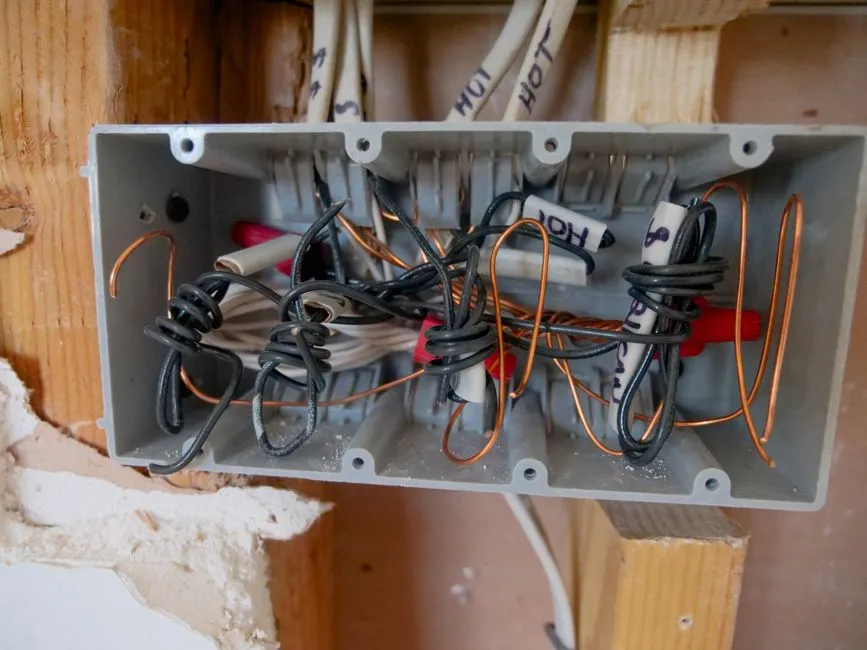
The electrical components inside the opener can be affected by the cold, leading to slower response times or even complete failure. Cold weather can cause condensation to form on electronic parts, potentially leading to short circuits or other malfunctions.
Cold weather can also affect the electrical components of your garage door opener, including wiring and sensors. Wiring that becomes brittle under prolonged freezing temperatures can develop micro-cracks that cause intermittent failures, the kind that show up unpredictably and are difficult to diagnose without a close inspection.
Electrical circuits can be disrupted by temperature changes, and faulty wiring can become brittle in extreme cold. This is particularly worth checking in older openers, where wiring insulation may already have some age-related wear before the winter adds its own stress.
Frequency Interference and Old Openers Acting Randomly
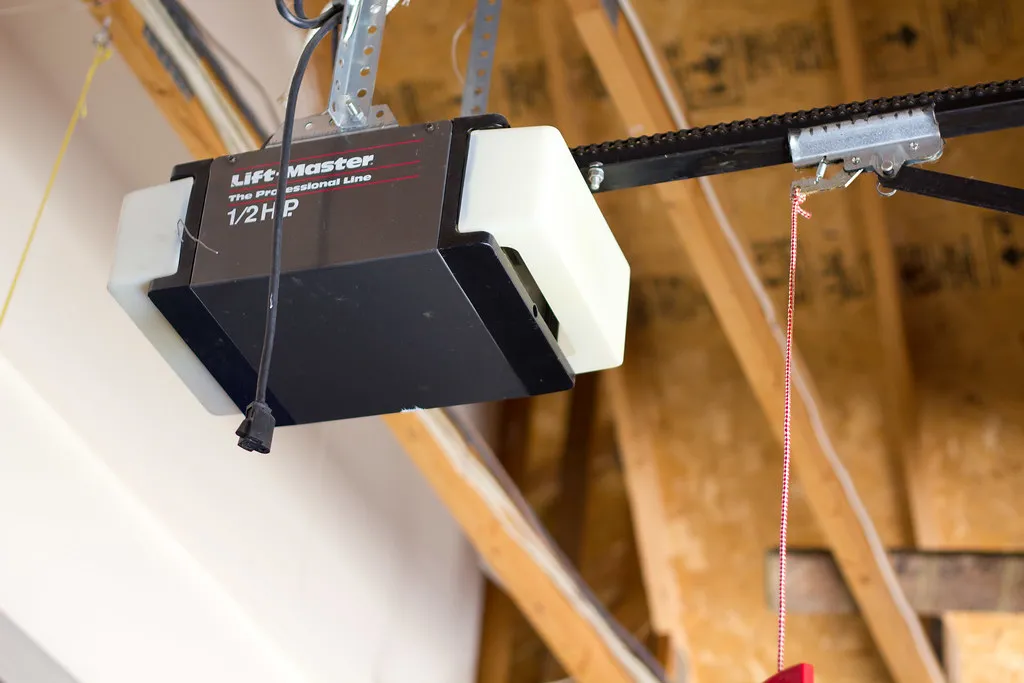
Cold weather amplifies radio interference, and transmitters programmed on the same code can trigger a door opener. This is especially common with garage door openers manufactured in the 1990s.
According to Firstline Garage Door Repair’s statistics, during periods of extreme cold and freezing temperatures, one out of every seven service calls is directly caused by severe frost. Older openers that rely on fixed-code signals rather than rolling-code technology are particularly vulnerable to these kinds of winter interference issues.
The vast majority of random door opening problems occur when temperatures drop below 15°F, typically affecting garage door systems without recent maintenance. Upgrading to a modern rolling-code opener eliminates the signal interference risk entirely while also improving security year-round.
Maintenance Is What Separates a Smooth Winter from a Frustrating One

Winter conditions often turn small, unnoticed issues into bigger problems. If a system wasn’t well-maintained before winter, cold weather tends to expose those weaknesses quickly.
According to the International Door Association, nearly 30% of garage door issues can be attributed to a lack of maintenance. A short pre-winter inspection that covers lubrication, battery health, sensor alignment, and weather seals can prevent the majority of cold-season failures before they start.
Extreme weather is a significant reason for garage door failures, with temperature swings and severe storms stressing door parts. Ice storms damage door seals and tracks. The average cost of repairing a garage door opener ranges from around $100 to $300, while regular maintenance can cost as little as $50 annually. The math here isn’t complicated.
The Takeaway
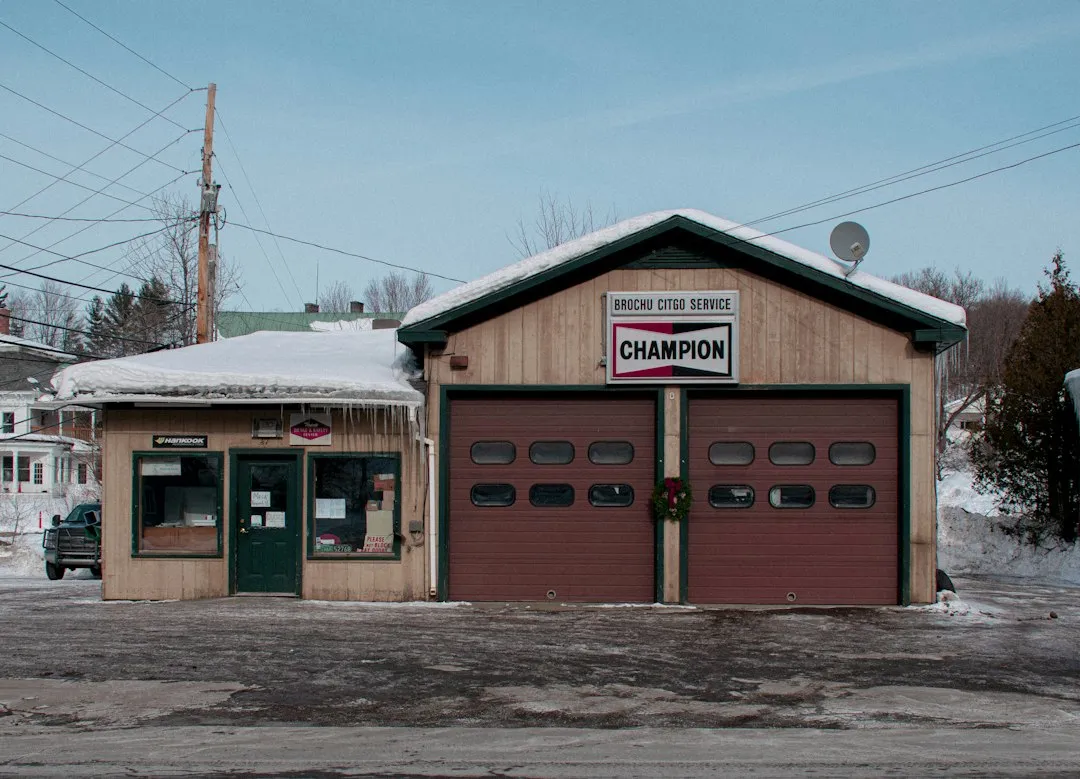
Your garage door opener isn’t failing arbitrarily when the temperature drops. It’s responding to real, predictable physical and electrical stresses that affect every part of the system. Metal contracts, grease stiffens, batteries lose capacity, and sensors cloud over. Each of those things has a known cause and a known fix.
The pattern across service technicians and industry sources is consistent: systems that receive basic fall maintenance before temperatures drop rarely cause serious winter trouble. A tube of appropriate lubricant and a quick battery swap take less than ten minutes and can make the difference between a smooth winter and a frozen, stressful one at six in the morning.
AI Disclaimer: This article was created with the assistance of AI tools and reviewed by a human editor.