

Most people assume their shoe size is fixed after their early twenties. You pick a number, you stick with it, and that’s that. The reality is a little more complicated, and far more common than most people realize.
Feet change throughout your entire adult life, and the reasons behind that change are rooted in biology, physics, and years of simply being on your feet. Understanding what’s actually happening can save your joints a lot of unnecessary wear and might even change how you shop for shoes.
It’s Not Bone Growth – It’s Something Else Entirely

The bones of the feet do not continue to grow once you reach skeletal maturity. Bone growth occurs in childhood and adolescence through specialized cartilage areas called growth plates, and these growth plates harden into solid bone typically in the late teens or early twenties, ending true bone elongation.
While the growth plates in the feet close in early adulthood, the overall size and shape of the foot often continue to change throughout a person’s life. This change is not due to true bone growth but rather a structural redistribution caused by the continuous forces placed on the feet over decades.
Your functional foot size increases with age due to soft tissue relaxation rather than skeletal bone growth. That distinction matters. The feet aren’t “growing” the way a child’s feet grow. They’re spreading, shifting, and settling under decades of load.
Ligament Laxity: The Main Culprit
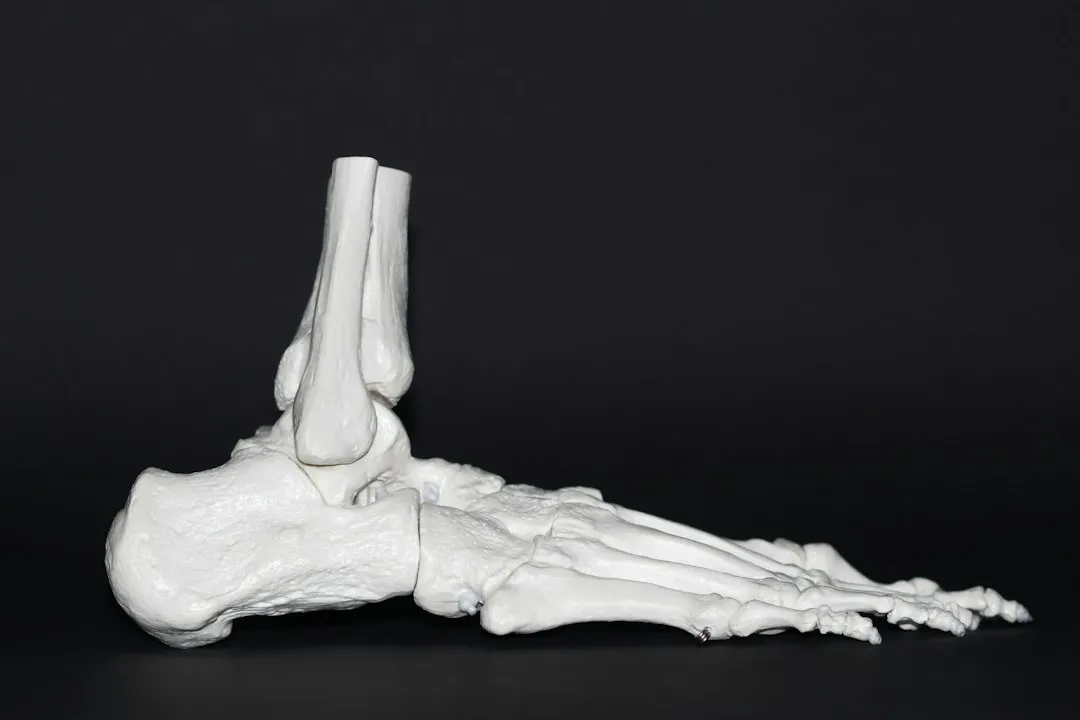
The physical change in foot size is primarily a consequence of the gradual weakening of the body’s soft tissues. The ligaments and tendons that hold the 26 bones of the foot together lose their inherent elasticity over many years, and this loss of tensile strength, often referred to as ligamentous laxity, allows the structure of the foot to spread under the constant downward pressure of body weight and gravity.
With age, ligaments lose elasticity. Doctors call this ligament laxity, and it’s the main reason your feet widen. It’s a slow, cumulative process. You won’t notice it from one year to the next, but comparing your foot shape at 50 to what it looked like at 25 tells a very different story.
The Arch Drops and the Foot Spreads

The flattening of the arch is a big part of why feet seem to get “longer” or “bigger” with time: when the arch drops, the foot effectively elongates under load even though the bones have not actually grown.
This structural relaxation leads to a progressive flattening of the medial longitudinal arch, also known as pronation or arch collapse. As the arch lowers, the foot naturally elongates and widens slightly to accommodate the change in shape.
The structures holding the arch in place, primarily the plantar fascia and the spring ligament, gradually allow the arch to descend. This is called pes planus, or acquired flat foot, and it’s one of the most common age-related foot changes there is.
How Much Bigger? The Numbers Are Surprising

Feet can grow as much as half a shoe size every decade after 40, according to the Cleveland Clinic. That’s a real shoe size increase, not a measurement error.
Most adults gain about half a shoe size or more between their twenties and their sixties, primarily because the ligaments and tendons that hold the foot’s arch together gradually stretch under decades of body weight. Over a lifetime, that adds up to a meaningful and permanent shift.
Research consistently shows that ball-of-foot width can increase by several millimeters per decade in older adults, while foot length stays essentially the same. So it’s not that your feet get dramatically longer. They get measurably wider, and that changes everything about how shoes fit.
Decade by Decade: What to Expect

In your thirties, ligaments begin to relax, the arch drops slightly, and most people add a small amount of length and a bit of width. Pregnancy accelerates this, and many women permanently go up half a size after their first child.
In the forties, the arch continues to flatten, forefoot width increases, and shoes that fit fine the year before can suddenly rub or pinch. This is when most people first buy up a half size without fully understanding why.
By the fifties and sixties, ligament laxity is more pronounced, arch drop is more visible, and the cumulative effect of fat pad thinning adds another layer to the change.
Pregnancy Accelerates Everything
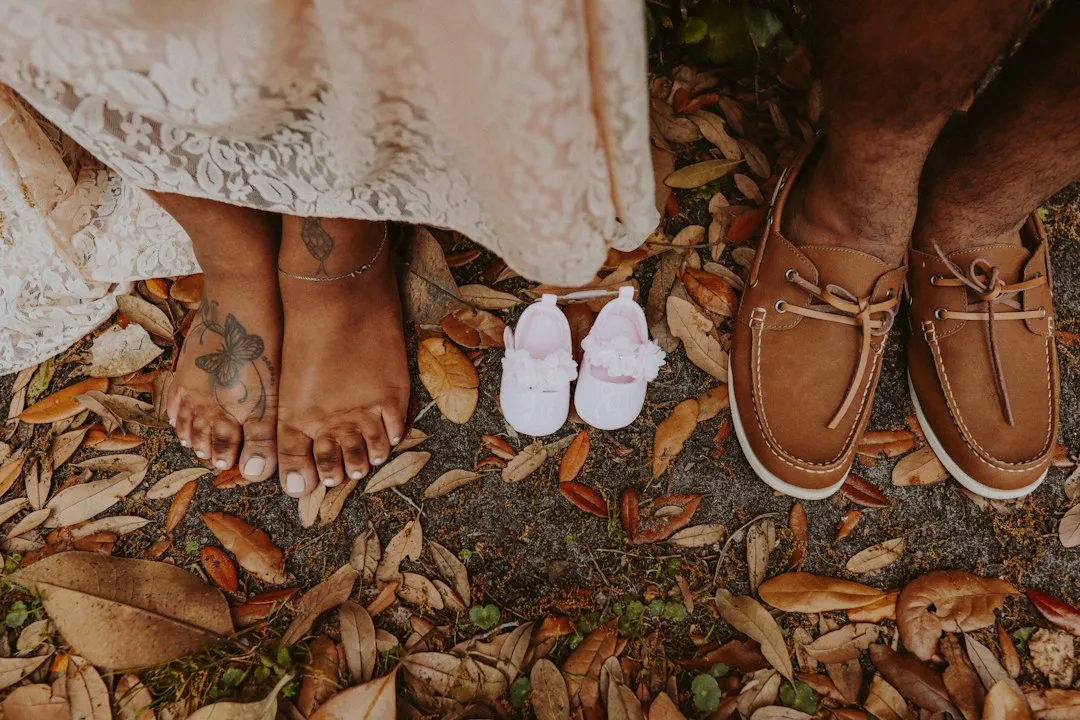
The combination of extra weight and the hormone relaxin that surges through the body during pregnancy can cause the arches to elongate, widen, and fall. Relaxin is primarily produced to loosen pelvic ligaments for childbirth, but it doesn’t stay confined to one area of the body.
Relaxin increases by seven to ten times during pregnancy, and this, combined with increased body mass, can flatten arches and elongate feet permanently. One study suggests that roughly 60 percent of people saw their feet get longer and 70 percent saw their feet get wider during pregnancy, and researchers found that the change was most pronounced after first pregnancies.
Research revealed that pregnancy was associated with a permanent loss of arch height, and the first pregnancy appeared to be the most significant, with a reduction in arch rigidity and measurable increases in foot length.
Weight Gain Pushes the Process Along
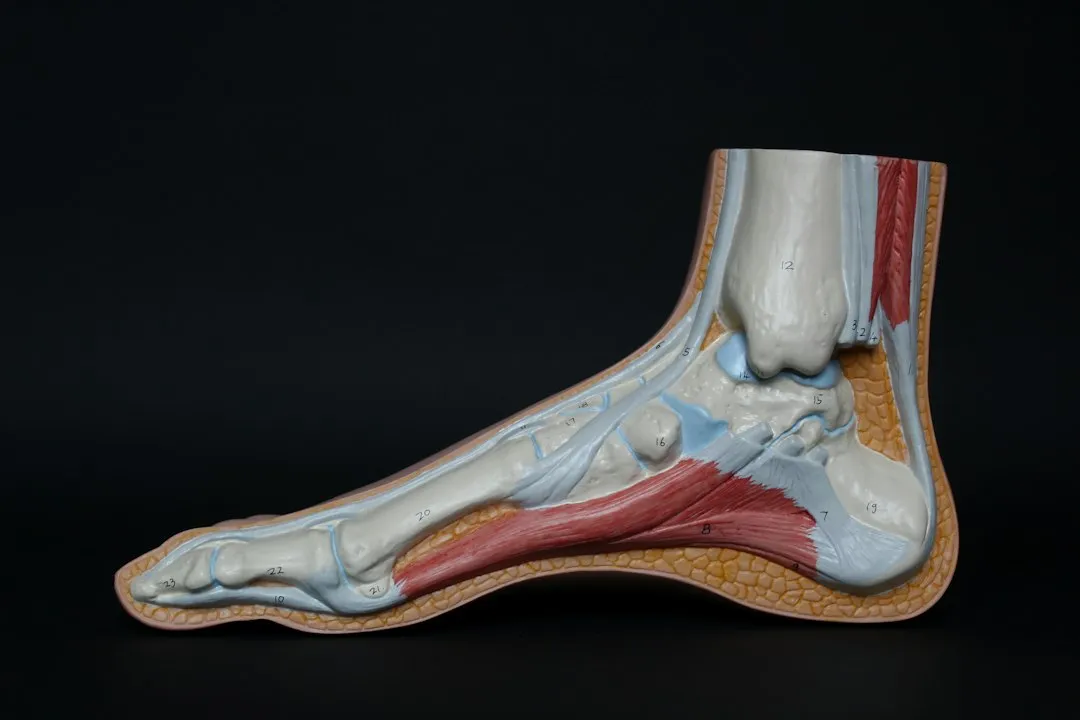
Weight gain is a significant factor, as an increase in body mass places exponentially more pressure on the foot’s supporting ligaments and tendons. This added burden accelerates the flattening of the arch, leading to more pronounced lengthening and widening of the foot.
The extra load compresses the arch faster and pushes the foot’s fat pads outward, so people who gain weight in middle age often notice their shoe size changing sooner and more dramatically than those who don’t. It’s essentially the same aging process, just on a faster timeline.
The Fat Pads Thin Out Too
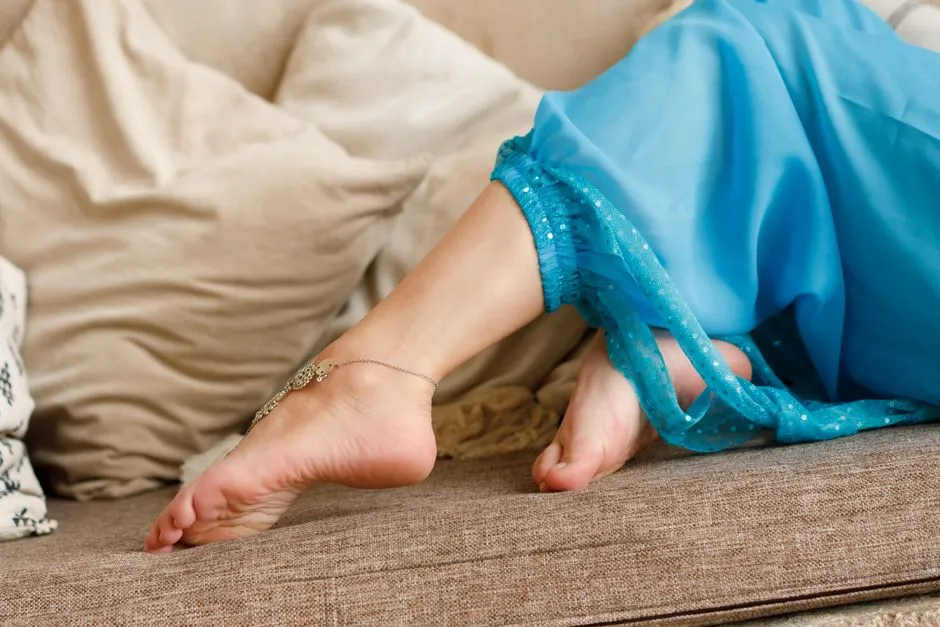
By age 50, you may have lost nearly half of the fatty padding on the soles of your feet. That’s a striking statistic from Harvard Health, and it explains a lot about why shoes that once felt cushioned start feeling unforgiving over time.
As a person ages, the protective fat pads that cushion the bottom of the feet tend to grow thinner. While this reduction does not make the foot dimensionally bigger, the loss of natural cushioning can make shoes feel less comfortable and may necessitate a change in footwear style.
The protective fat pads located beneath the heel and the ball of the foot undergo atrophy over time. Combined with a wider, flatter foot, that padding loss is a significant reason older adults find standard footwear increasingly uncomfortable.
Menopause Adds Another Variable for Women
Menopause can affect foot health. Unless countered by medications or exercise, the loss of estrogen and other hormonal changes generally lead to lower bone density, resulting in osteoporosis if enough bone mass is lost. This condition can raise the risk of stress fractures in any of the bones of the foot.
Women may experience more noticeable foot size changes with age. Hormonal fluctuations during pregnancy and menopause can increase ligament laxity, leading to greater flattening of arches and a larger foot size compared to men.
Swelling Makes Feet Temporarily Bigger Too

Peripheral edema, or fluid retention in the lower legs and feet, becomes increasingly common with age. This is separate from the structural changes described above, but it compounds them in a way that makes shoe fitting even trickier.
Swelling causes the feet and ankles to temporarily increase in size, making previously well-fitting shoes feel restrictive and tight. The classic advice to shop for shoes in the afternoon, when feet are at their daily maximum size, exists precisely because of this daily fluctuation.
What This Means for Your Shoes and Your Health

The change in foot size is due to the shifting of soft tissues rather than the growth of hard bone. The result is that the shoe size worn in youth is often no longer the correct size later in life. Wearing old shoe sizes after the foot has spread can contribute to blisters, bunions, and joint stress.
Research on adults over 75 has shown that foot dimensions themselves correlate with stability: wider feet were associated with less side-to-side postural sway, and longer feet with fewer corrective movements. There’s an unexpected upside: a wider foot is, structurally speaking, a more stable base.
The irony is that feet naturally widen with age, which should theoretically improve lateral stability, but the simultaneous loss of muscle, sensation, and joint flexibility more than offsets any geometric advantage. Proper footwear that fits the actual foot, not the remembered foot, becomes genuinely important as the decades pass.
The Takeaway

Your feet have absorbed an enormous amount of work over your lifetime. By the time you reach your 50th birthday, you’ve probably also reached another milestone: you’ve put roughly 75,000 miles on your feet. At that scale, structural change isn’t a surprise. It’s almost inevitable.
The practical implication is simple: get your feet properly measured every few years, especially after your forties. Don’t assume the size you wore in your twenties still applies. Many people experience an increase of a half-size or more over their adult years, and wearing shoes that no longer match your actual foot shape does real, cumulative damage over time. Sometimes the most effective thing you can do for your joints starts at the ground level.
AI Disclaimer: This article was created with the assistance of AI tools and reviewed by a human editor.