
You did everything right. You watched the calendar, checked the skin’s sheen, pressed the flesh gently, and pulled the eggplant at exactly the stage your seed packet described. Yet one bite at dinner and the bitterness is unmistakable. It’s a frustrating pattern that confuses home gardeners and experienced cooks alike, and the harvest window is only one small piece of a much larger puzzle.
The truth is that eggplant bitterness is driven by a web of biological, environmental, and even post-harvest factors that can override an otherwise perfect picking time. Understanding what is actually happening inside the fruit makes a real difference in how you grow, select, and cook it.
The Chemistry Behind the Bite: Glycoalkaloids Are the Real Culprits
Eggplant gets its bitter taste primarily from glycoalkaloids, a family of naturally occurring compounds found in the fruit’s flesh and skin. The two main ones are solasonine and solamargine, which together with a related compound make up over seventy percent of the total glycoalkaloids in eggplant pulp. These are not contaminants or signs of disease. They are built into the plant’s biology.
These compounds serve as the plant’s natural defense against pests and disease, but for cooks, they’re the reason a promising dish can turn unpleasantly sharp. Eggplant berries also contain anti-nutritional compounds such as steroidal glycoalkaloids and saponins, which are responsible for the bitter taste of the flesh and have potential toxic effects on humans at high levels. At typical edible amounts, though, they are generally considered safe.
Phenolic Compounds Add Another Layer of Bitterness
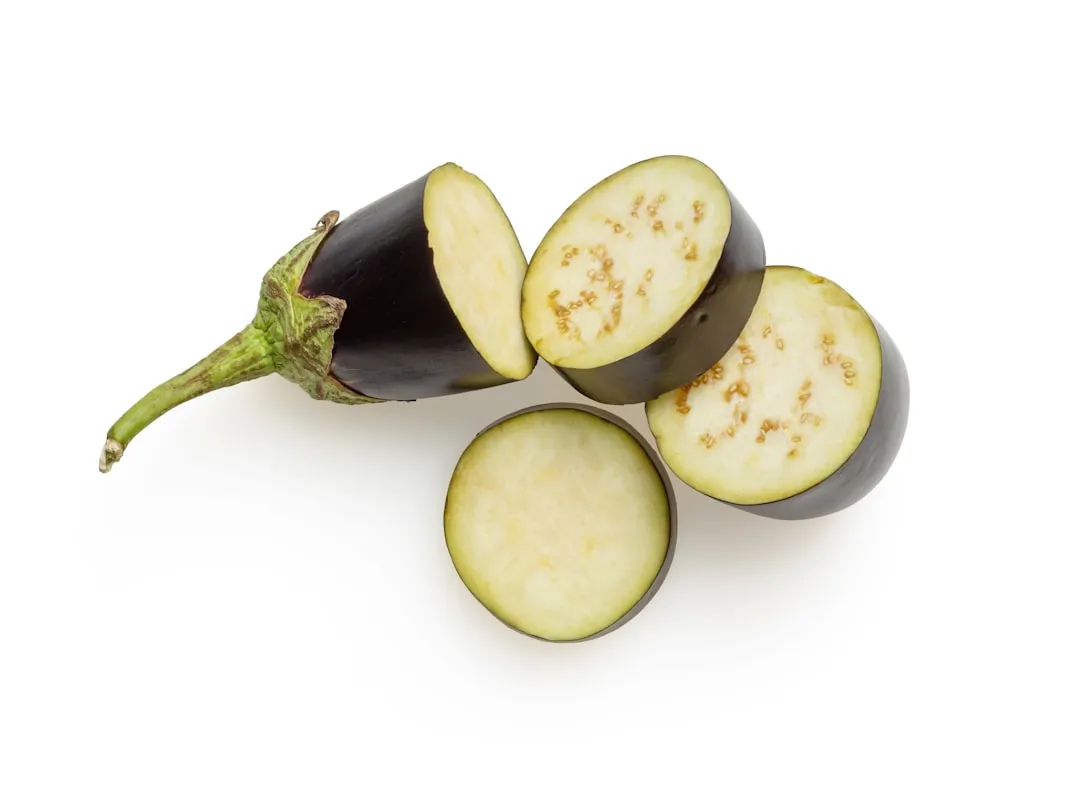
Phenolic compounds, the same class of molecules responsible for the browning you see when you cut an eggplant, also contribute to bitter and astringent flavors. The combination of glycoalkaloids and phenolics is what gives a bad eggplant that unmistakable, lingering bitterness that no amount of seasoning can fully mask.
Eggplant’s bitterness comes from two main compound groups: solanine and chlorogenic acid. Solanine is a natural toxin found in the skin and core of eggplants, while chlorogenic acid is an antioxidant that can make the vegetable taste bitter, particularly when raw. So even your antioxidant-rich eggplant carries a built-in flavor trade-off.
Research evaluating phenolic compounds in ripe and overripe eggplant found that their values were higher in overripe fruit. Eggplant is considered one of the fruits richest in phenolic acids, mostly chlorogenic acid. More ripeness does not always mean better flavor, which is counterintuitive for most gardeners.
Anthocyanins and Skin Color Play a Bigger Role Than You Think
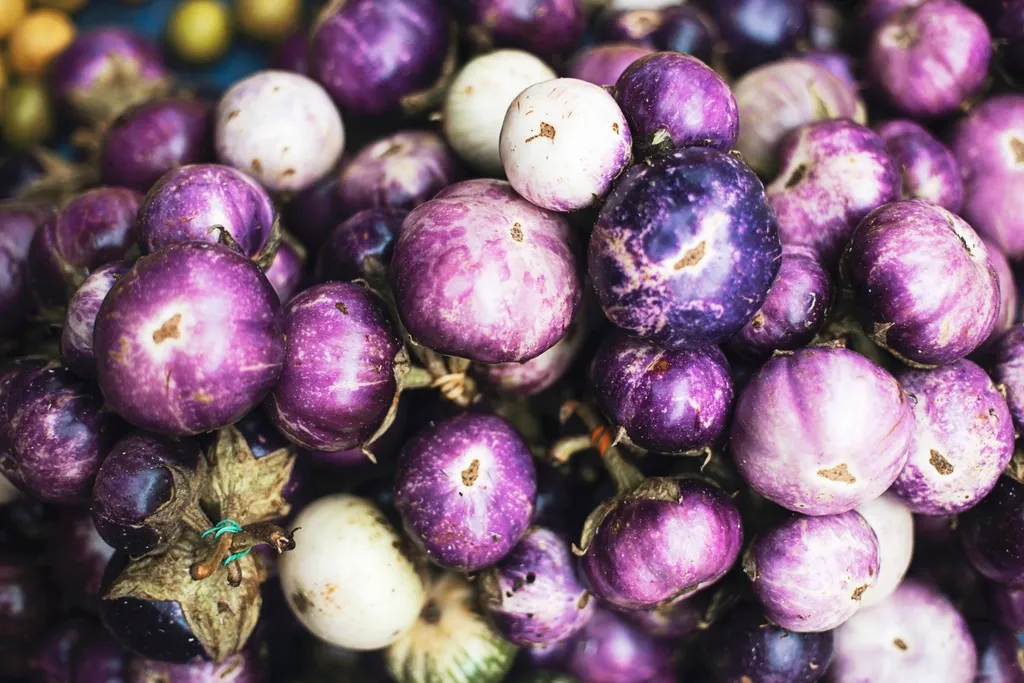
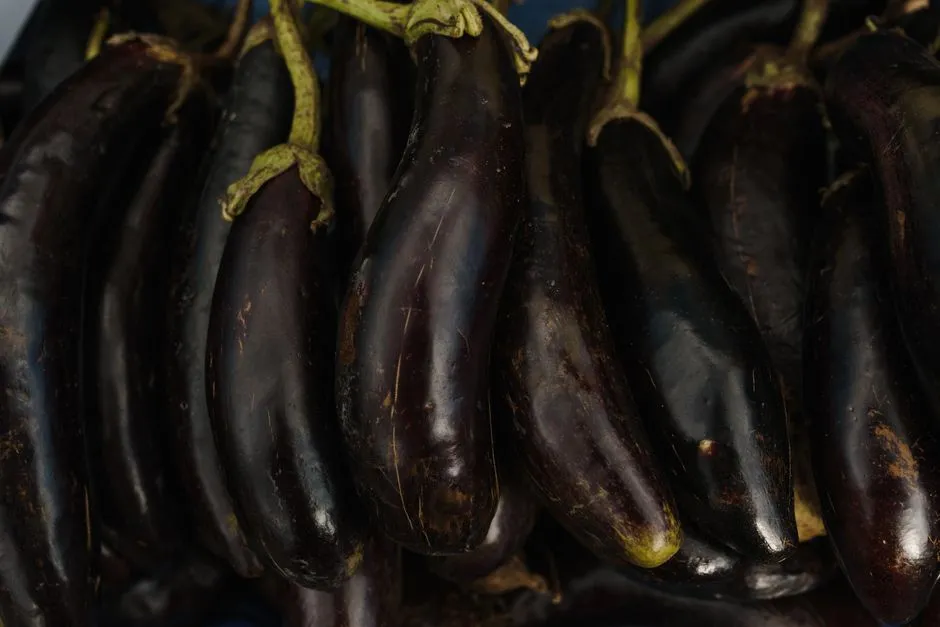
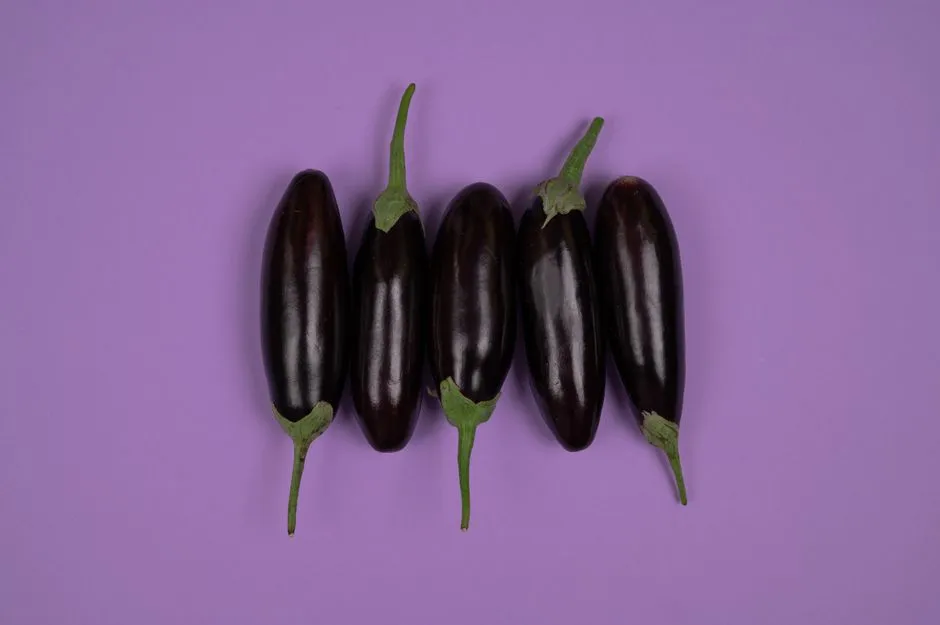
Anthocyanins give eggplant its purple skin, which also affects bitterness. The darker the skin, the higher the concentration of anthocyanins. This means those deep, inky-purple globe varieties you find at the grocery store are statistically more likely to taste sharp than lighter-colored types.
Eggplant bitterness is strongly linked to the chemical compound anthocyanin, which is more present when the eggplant is old, overripe, or has not been stored properly. So the color itself is a mild predictor of what your palate is about to experience. Choosing a paler or thinner-skinned variety is not just an aesthetic decision.
The Seeds Hold the Sharpest Flavor
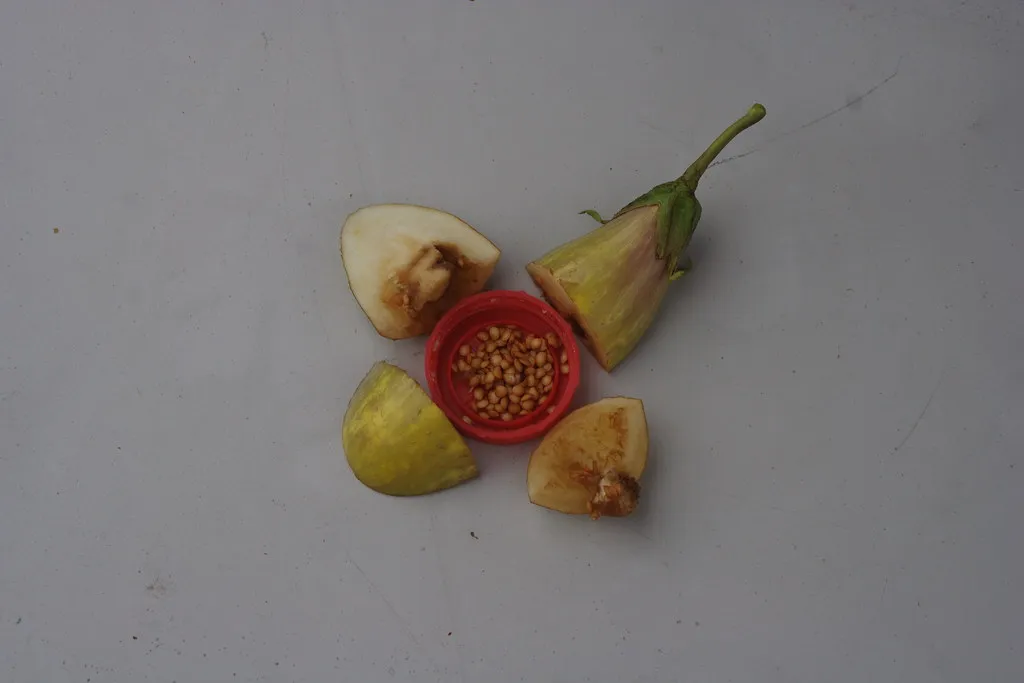
The seeds found in the eggplant tend to hold most of the bitter flavor. So it follows that older and larger eggplants, which have more seeds and bigger seeds, will tend to be more bitter. This explains something that many gardeners notice intuitively without knowing why: two eggplants of the same size can taste completely different if one has denser, more developed seeds.
Larger eggplants tend to be more bitter because they’ve been left on the vine longer, giving them more time to develop seeds and accumulate glycoalkaloids. As seeds mature and harden, the surrounding flesh generally becomes more bitter and fibrous. The bitterness in eggplants will mostly be in the seeds, but it can spread across the flesh as well, so removing the seeds may reduce bitterness but is not guaranteed.
Plant Stress During Growing Season Is a Hidden Trigger
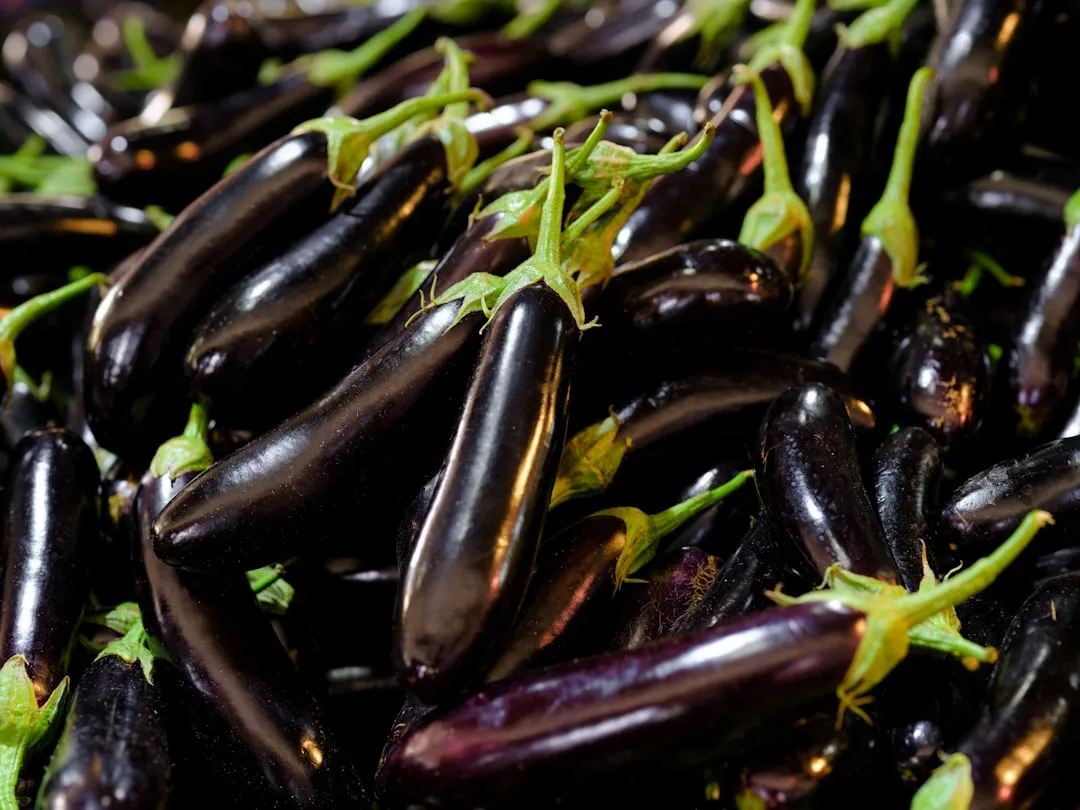
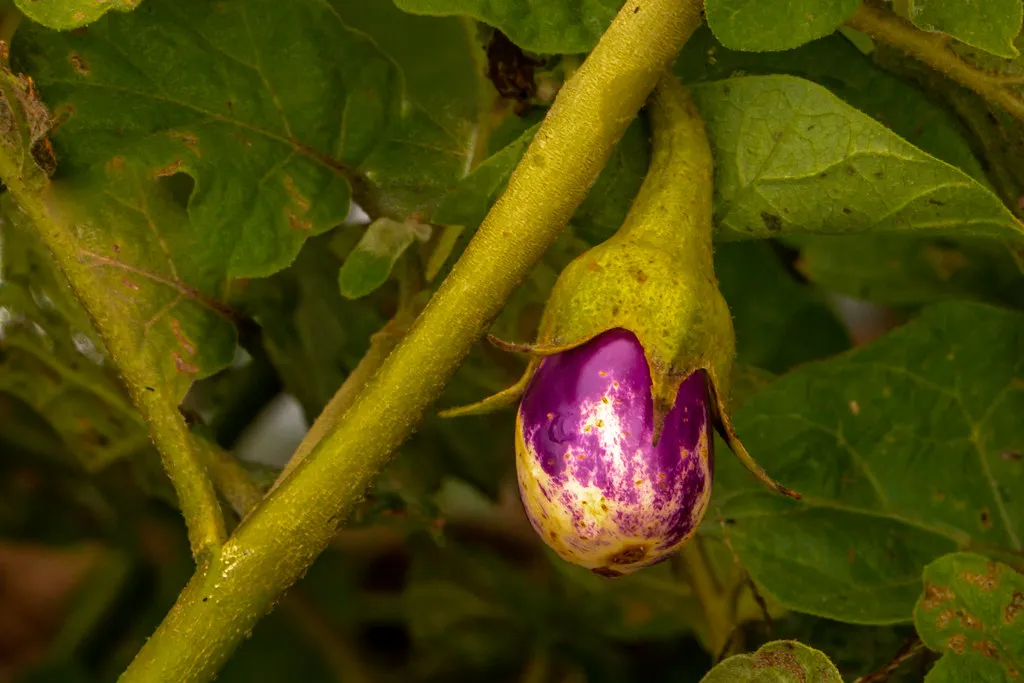
The primary culprit behind eggplant bitterness is a group of compounds called glycoalkaloids, which are produced by the plant as a natural response to stress, injury, or infection. The most common glycoalkaloids found in eggplants are solanine and chaconine. When a plant feels threatened, it ramps up production of these compounds, regardless of when you harvest.
Eggplants exposed to drought, inconsistent watering, or extreme heat often become stressed, triggering the production of bitter-tasting compounds. A fruit that spent six weeks under irregular irrigation can be chemically primed for bitterness well before it ever reaches your kitchen.
Eggplants grown in soil with high levels of nitrogen or salinity may produce more bitter compounds. Similarly, eggplants exposed to extreme temperatures, drought, or excessive watering may develop a more bitter taste. The interaction between soil chemistry and water management is something most casual growers underestimate entirely.
Variety Matters More Than Most Gardeners Realize
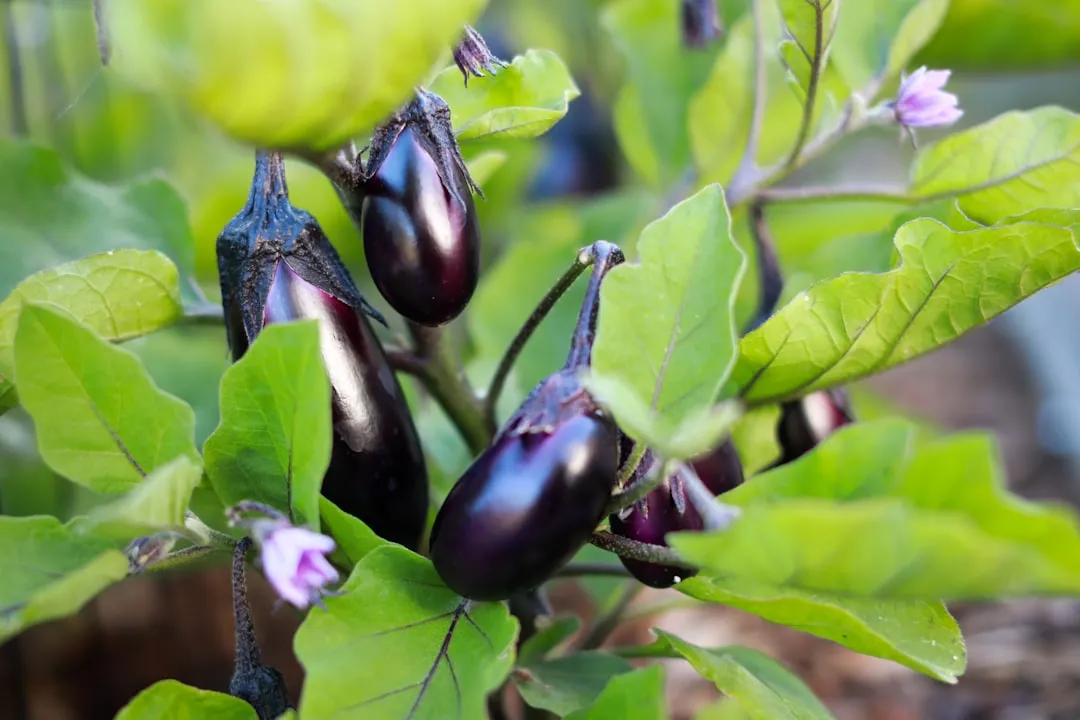
American eggplants, such as the deep black and purple ones typically seen in grocery stores or heirloom varieties like Black Beauty, are often said to be more bitter than slender Italian, white, and Asian style eggplants. This is not just anecdotal. The genetics of different cultivars directly influence how much glycoalkaloid and phenolic material the plant produces.
Variety plays a big part: older, larger, and dark-skinned eggplants are more likely to be bitter than smaller, lighter varieties like Japanese or Chinese eggplants, which tend to have sweeter flesh. Research investigating varietal differences across 34 cultivars confirmed that concentrations of taste and functional compounds, including chlorogenic acid and anthocyanins, differed significantly among cultivars and lines. Switching varieties may be the single most effective change a home grower can make.
Post-Harvest Storage Can Dramatically Worsen the Taste
The influence of storage on the content of chlorogenic acid in eggplant has been monitored, and the level of chlorogenic acid in fresh eggplant samples decreased during four weeks of storage. That sounds like it might reduce bitterness, but the overall picture of post-harvest flavor degradation is more complex, as other bitter-contributing compounds shift over time as well.
Eggplant is bitter due to its chemical compound called anthocyanin, which is more present when the eggplant is old, overripe, or has not been stored properly. Leaving a freshly harvested eggplant on the counter for several days without refrigeration is enough to let bitter compounds concentrate. The clock starts the moment the fruit leaves the vine.
The Role of Heat and Climate Stress on Bitter Compound Buildup
Climate change is expected to increase soil salinity and heatwave intensity, duration, and frequency, and these stresses often present in combination and threaten food security as most common crops do not tolerate them. Eggplants are directly in the crosshairs of this shift, particularly in regions with hot, dry summers.
Research on the impact of heat and drought stresses on eggplant varieties showed that associated stress generated the highest increment in stress markers, including proline content and related biochemical indicators. When a plant is simultaneously fighting heat and drought, its chemical response is compounded, which includes increased production of the very compounds responsible for bitter flavor.
What Sensory Research Says About Consumer Perception of Bitterness
Both the variety and the maturity of the fruit play a significant role in perceived bitterness. Research on eggplant sensory quality has found that cultivar and maturity stage both significantly affect bitterness, and that higher bitterness scores are consistently linked to lower overall quality ratings and lower consumer preference. This is not just about personal taste sensitivity. It reflects a measurable quality difference.
Multiple studies on the identification and mapping of genes and quantitative trait loci for the contents of chlorogenic acid, solasonine, and solamargine indicate the possibility of breeding lines specifically improved for these phytochemicals. Breeders are actively working on low-bitterness cultivars, but that research takes years to reach commercial seed catalogs.
Practical Ways to Reduce Bitterness Before and After Harvest
Salting, or sweating, draws out excess moisture and can reduce bitterness in older, larger globe eggplants. While modern varieties are bred to be less bitter, salting is still highly recommended if you plan to fry or sauté, as it collapses the air pockets in the flesh, preventing it from soaking up too much oil. Letting salted slices rest for thirty minutes before cooking remains one of the most effective low-effort interventions.
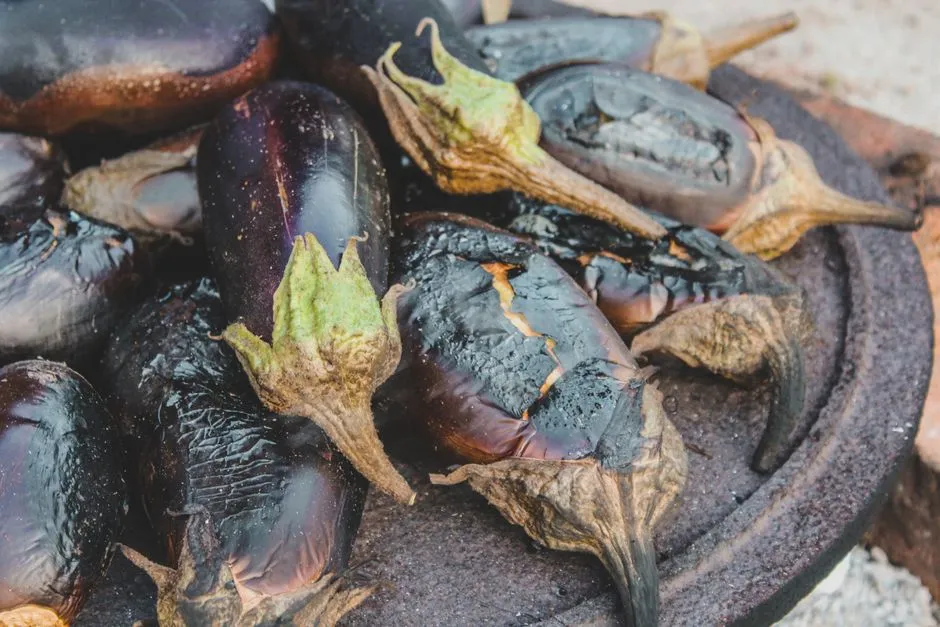
To avoid bitter eggplants, choose medium-sized, fresh eggplants with shiny, taut skin and a firm texture, and consider peeling the skin, removing seeds, and using specific cooking methods like roasting or grilling. High-heat dry cooking tends to concentrate flavor and soften the sharp edges of bitterness more effectively than steaming or boiling.
Choosing eggplants that are heavy for their size with tight, shiny skin is a reliable field guide for freshness and lower seed development. Combine that with growing a less bitter variety, maintaining consistent irrigation, and avoiding prolonged post-harvest storage, and you’ve addressed most of the root causes at once.
The Takeaway
Harvesting on time is necessary, but it is nowhere near sufficient on its own. Bitterness in eggplant is the product of chemistry, genetics, growing conditions, and storage, all working together or against each other. A fruit pulled at the perfect moment from a stressed, under-watered plant in poor soil and then left on a warm counter for four days will still taste sharp.
The more useful shift is to think of bitterness prevention as a process that starts at variety selection and ends at the cooking pan, not as a single decision made at harvest time. Once you see the full picture, the bitter eggplant problem becomes far more manageable, and far less mysterious.
AI Disclaimer: This article was created with the assistance of AI tools and reviewed by a human editor.