
Most people give their dryer about as much attention as they give their dishwasher or microwave. You load it, press start, and walk away. It’s background appliance life. What rarely crosses anyone’s mind is that this ordinary machine is quietly connected to one of the more serious fire hazards found in residential homes today.
The risk doesn’t live in the drum itself. It lives in the vent. A narrow duct leading from your laundry room to the outside wall can, over time, become a genuine threat to your home and your family. Here’s what the evidence actually shows, point by point.
The Numbers Are More Alarming Than Most People Realize
According to the National Fire Protection Association (NFPA), dryers and washing machines cause an average of 15,970 fires each year in the United States, with dryers responsible for roughly 92% of them and an average of $200 million in property damage. That’s not a fringe statistic. That’s a consistent pattern tracked across years of data.
According to the U.S. Fire Administration and the NFPA, around 2,900 home clothes dryer fires are reported each year, causing an estimated five deaths, 100 injuries, and over $35 million in property damage annually. These are preventable losses, and the source is almost always the same: a vent that nobody thought to clean.
Lint Is Far More Flammable Than You’d Expect

As clothes are dried, lint is produced and can become trapped in the vent system. Over time, this buildup restricts airflow, causing the dryer to overheat. The combination of heat, flammable lint, and limited ventilation creates a dangerous environment that can ignite a fire.
Lint is very flammable, and any that accumulates in the dryer vents is a common reason for dryer fires. In as little as thirty seconds, a tiny flame can turn into a huge blaze. That speed is part of what makes dryer vent fires so destructive. By the time smoke is visible, a fire can already be moving through walls.
Failure to Clean Is the Leading Cause – and It’s Wildly Common
Roughly 34% of dryer fires stem from lint buildup in dryer vents. In other words, more than a third of all dryer fires could be prevented by regular vent cleaning. That’s a remarkably high percentage for something so straightforward to address.
Research shows that only about 37% of dryer owners clean their vents annually, which is the recommended frequency by safety experts. Around 17% of dryer owners admit to never cleaning their vents at all. That last figure is worth sitting with. Nearly one in five households has a vent that may never have been cleaned since the dryer was installed.
Cleaning the Lint Trap Is Not Enough
Many people clean the lint filter but don’t realize that lint also builds up within the vent itself. It’s one of the most common misunderstandings around dryer safety. The filter catches a portion of the lint, but the duct running through your wall accumulates the rest over months and years.
Lint, combined with other debris such as fabric softener residue and even small lost items, accumulates deep within the dryer vent system. This blockage significantly restricts airflow, causing the dryer to operate under increased strain, which not only leads to higher energy consumption but also creates a critical fire risk. The filter is just the first layer of defense, not the whole picture.
Gas Dryers Add a Carbon Monoxide Threat

A clogged vent poses an even more severe health risk for homes with gas dryers: carbon monoxide poisoning. Gas dryers produce carbon monoxide as a byproduct of combustion. Usually, this gas is safely vented outside, but if the vent is clogged, carbon monoxide can build up inside the home. This colorless, odorless gas is hazardous and can be fatal if inhaled in large quantities.
Symptoms of carbon monoxide poisoning include headaches, dizziness, nausea, and confusion. These symptoms can easily be mistaken for illness, making a blocked vent one of the more insidious household hazards because the source often goes unidentified. When a gas dryer’s vent becomes blocked with lint, deadly CO gases can’t escape outside and instead flow backward into the home.
Older Dryers Carry a Higher Risk
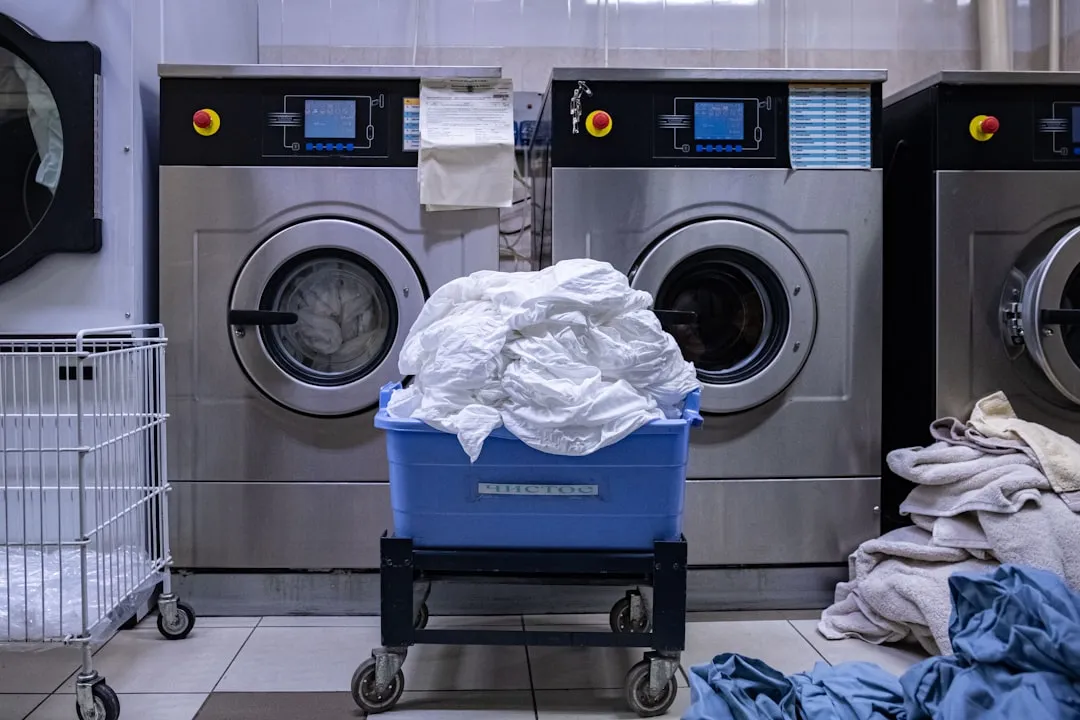
An NFPA study found that homes with older dryers, those more than 10 years old, are more likely to experience vent-related issues, as wear and tear on the appliance can lead to less efficient lint filtration. In households with older machines, the risk of a dryer fire can be 45% higher than in those with newer appliances.
The majority of dryer fires, roughly 78%, involve electric-powered appliances, while 22% occur in gas dryers. This is roughly proportional to the overall ownership rates of each type. Electric dryers are not inherently safer. Their higher heat output actually makes lint ignition more likely when a vent is partially blocked.
Blocked Vents Also Invite Mold and Pests

Moisture can build up in clogged dryer vents, creating an ideal environment for mold growth. This mold can spread into a home’s air, leading to health problems such as respiratory issues, allergies, and other ailments. The moisture issue is frequently overlooked because it develops slowly, without the obvious warning signs of fire or smoke.
When a dryer vent clogs from excess lint buildup, it can prevent the duct hood flap from fully closing. Though small, this opening provides enough room for pests to invade ducts. Birds, mice, and rats have all been found nesting inside residential dryer duct systems. Those nests add organic material to the vent, worsening both blockage and fire risk simultaneously.
Your Energy Bills Are Likely Paying the Price
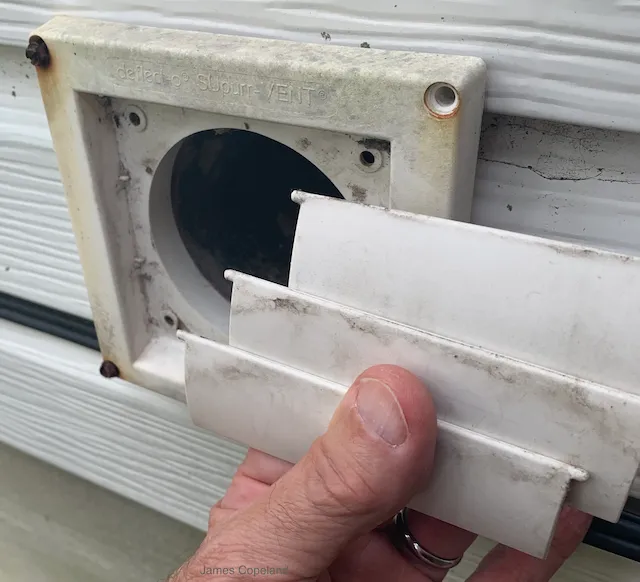
A clogged vent forces the dryer to work harder, leading to higher energy bills and increased wear and tear, potentially shortening the appliance’s lifespan. Many homeowners notice longer drying cycles and assume the machine is simply aging, when the actual problem is a blocked exhaust path.
Clean vents improve efficiency, reducing drying time by up to roughly 30%. When a dryer operates with a clogged vent, the motor runs longer per load, components overheat more frequently, and thermal fuses may trip repeatedly. Regular vent cleaning can potentially add three to five years to the appliance’s useful life. That’s a meaningful financial return on a simple maintenance task.
Warning Signs Your Vent Needs Attention Now
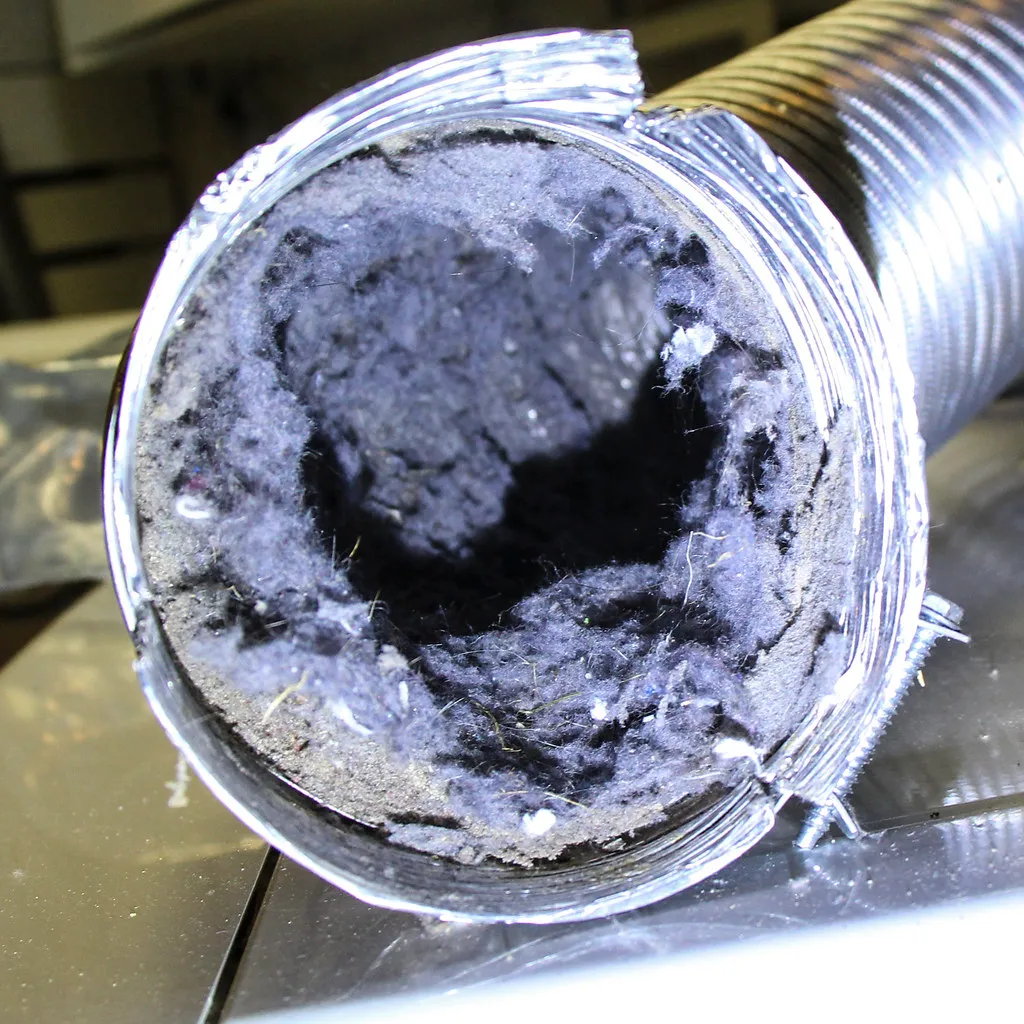
If your laundry room feels unusually hot during dryer use, that can indicate a severely blocked vent restricting airflow. Lint or debris around the exterior vent opening is a clear sign of blockage. Unpleasant burning smells during a drying cycle are serious indicators of dangerous temperatures. You may also notice clothes feel excessively hot or carry a scorched smell when removed from the dryer.
Most dryer fires occur in the fall and winter months, with January being the peak month for these incidents. That timing makes sense because laundry frequency rises with heavier seasonal clothing, and vents that were borderline clogged all year can reach a critical point under the added load.
How Often Should You Actually Clean the Vent?

Most homes need dryer vent cleaning at least once annually to avoid fires and maintain better indoor air quality. The U.S. Fire Administration advises cleaning vent pipes every three months for maximum fire safety. That more frequent schedule is realistic for households running multiple loads per week or those with longer, more complex vent runs.
The length of a dryer vent directly impacts airflow resistance. The longer and more complex the venting system, especially with multiple turns or elbows, the harder it is for the dryer to push moist air and lint outside. The International Residential Code recommends that dryer vents not exceed 35 feet in length. If yours is longer or has several bends, professional cleaning becomes less optional and more essential.
The Takeaway
The dryer vent is one of the least glamorous things in a home to think about, but the evidence for taking it seriously is hard to dismiss. Fires, carbon monoxide exposure, mold, pest intrusion, rising utility costs, and shortened appliance life can all trace back to a single narrow duct that most households never inspect.
The good news is that this is one of the more solvable household risks on the list. A professional cleaning once a year, or more often for heavy-use households, addresses nearly all of it. The cost is modest. The risk of doing nothing is not.
AI Disclaimer: This article was created with the assistance of AI tools and reviewed by a human editor.