
If you’ve ever set up a camera at home and watched the footage back, you’ve probably noticed something strange. Your dog, who spent most of the afternoon napping or wandering aimlessly, suddenly gets up and walks to the front door several minutes before you even turned onto your street. No key in the lock. No car in the driveway. Nothing, as far as you can tell.
This behavior has puzzled owners, vets, and scientists for decades. It turns out the answer isn’t one single thing. It’s a mix of biology, learned behavior, and some genuinely hard-to-explain findings that even researchers haven’t fully settled.
It’s More Common Than You Think
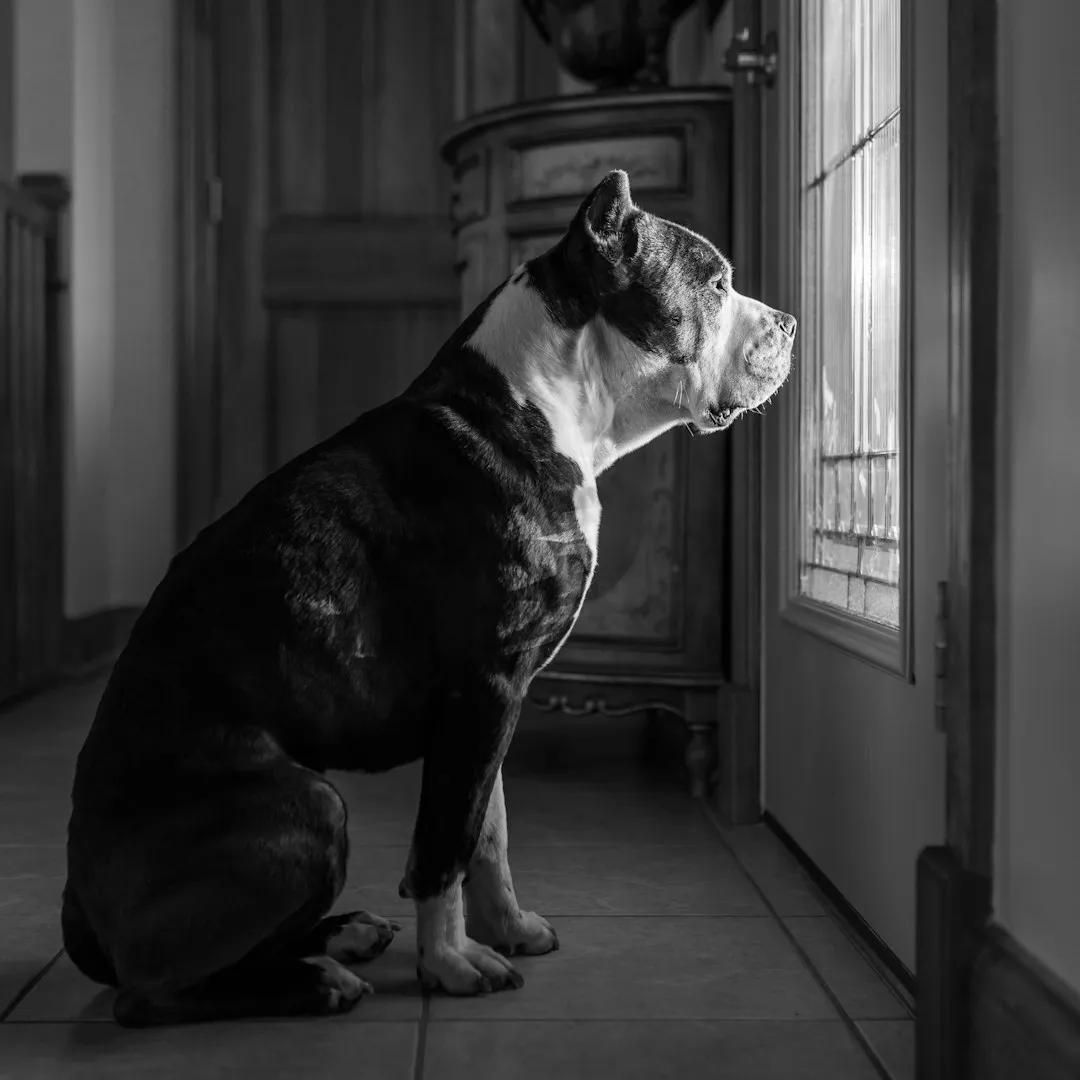
A common perception among dog owners is that their pets seem to anticipate the arrival of a member of the household. Surveys in Britain and the United States have shown that between roughly half of dog owners have noticed this kind of behavior. That’s a striking number, especially considering most people assume they’re just imagining it.
In a telephone survey carried out in London, over half of dog owners claimed their animals knew in advance when a member of the household was on the way home. Of the dogs that reacted, more than one in five were said to do so more than ten minutes before the person’s return. Ten minutes is significant. That’s well beyond what sound or nearby scent alone could typically explain.
Your Dog’s Nose Might Be Telling Time
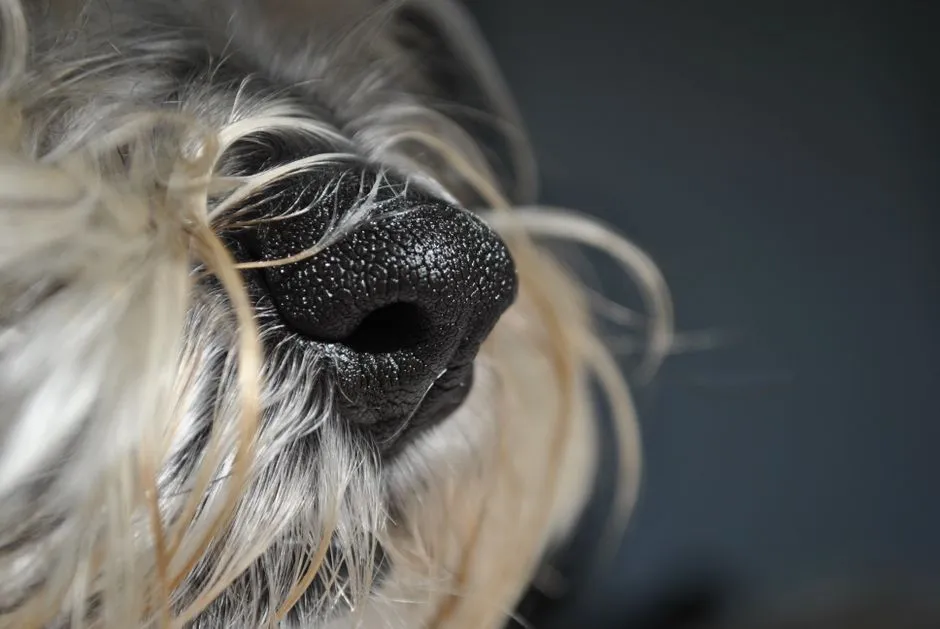
A dog’s sense of smell is extraordinary. One theory suggests dogs can estimate time by how much your scent has faded in the home. As your scent naturally dissipates from furniture, bedding, and clothing, dogs may learn that a particular level of scent fading corresponds to your expected return.
Anecdotal evidence suggests that dogs may learn to anticipate the return of the owner due to the decreasing odor concentration at home. Think of it less like a dog reading a clock and more like a dog reading the air. The scent-clock hypothesis is one of the more grounded explanations researchers have proposed, and it fits well with what we know about canine olfaction.
Dogs possess up to 300 million olfactory receptors in their noses, compared to about six million in humans. The part of a dog’s brain devoted to analyzing smells is, proportionally speaking, 40 times greater than ours. So while the idea of “smelling time” sounds poetic, it’s actually rooted in a very real biological advantage.
The Power of Routine and Pattern Recognition

According to Dr. Lynne Nelson, a veterinarian and researcher at Washington State University, dogs are training their brains based on different events, like owners coming home or when food is going to come out. If you come home every day at about the same time, your dog may rely on his circadian rhythm to roughly predict your estimated time of arrival.
Dogs learn the routines of the people who live with them. They know when we are going to wake up, leave for work, and return home. This isn’t magic. It’s pattern memory, the same mechanism that tells your dog it’s dinner time before you’ve even moved toward the kitchen.
They Can Hear Your Car Before You Know It
Some dogs can distinguish the sound of their owner’s individual car from others on the street. They start waiting at the door because they know what’s coming next. This isn’t a general alertness to traffic noise. Dogs can isolate the specific acoustic signature of a familiar engine, which is a remarkably refined auditory skill.
A dog may learn to associate certain cues with its owner’s impending arrival, such as the sound of a specific car, the timing of the owner’s usual commute, or the smell of their approaching footsteps. All of these cues can combine at once, giving the dog a layered signal that you’re close even when no single cue would be sufficient on its own.
The Jaytee Experiments: A Dog That Defied Easy Answers
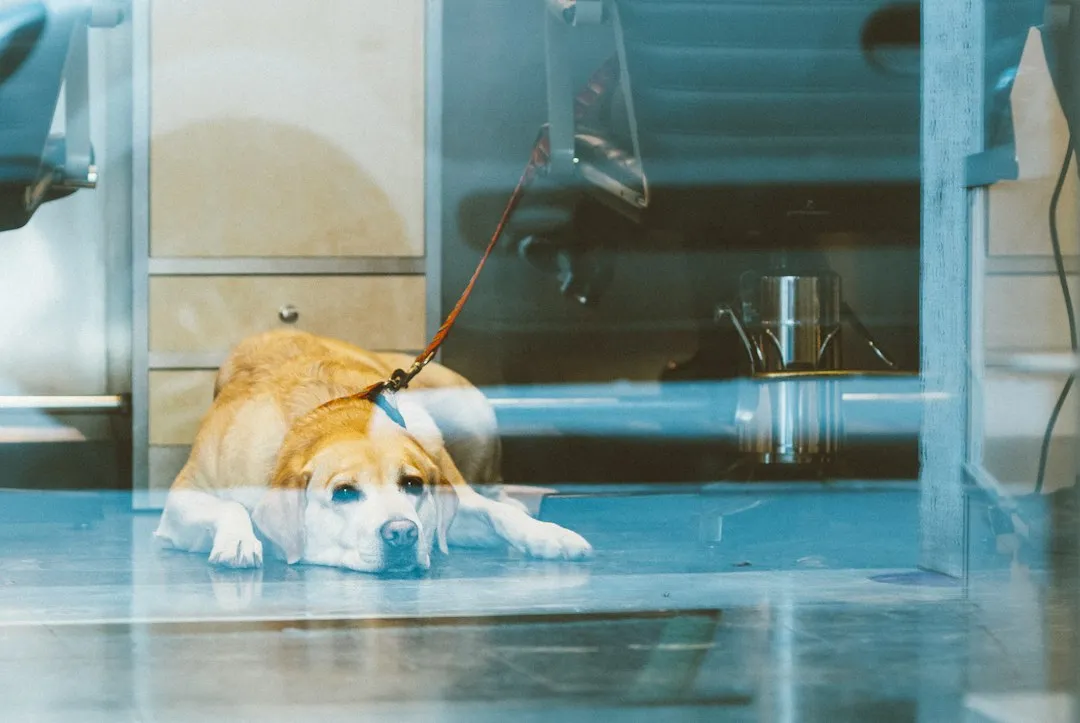
Research published in the Journal of Scientific Exploration by Rupert Sheldrake and Pamela Smart involved a dog called Jaytee, studied in more than 100 videotaped experiments. His owner traveled at least 7 kilometers away from home while the place where Jaytee usually waited was filmed continuously.
In experiments in which his owner returned at randomly selected times, Jaytee was at the window just 4 percent of the time during the main period of her absence, but 55 percent of the time when she was returning. The difference was statistically striking. On 85 of the 100 occasions observed, Jaytee went to wait at the window before his owner returned, usually ten or more minutes in advance.
This occurred regardless of the vehicle she used, which ruled out the familiar car-engine explanation. The Jaytee research remains one of the most documented cases of its kind, though it has also attracted meaningful criticism regarding methodology and interpretation.
Science Pushes Back: The Skeptic’s View
Despite the striking findings, researchers Wiseman, Smith, and Milton portrayed their own results as a refutation of Jaytee’s ability. They arrived at this conclusion by using narrow and arbitrary criteria for Jaytee’s signal, based on the dog going to the window for no apparent external reason for only a brief period.
Some people think dogs have a sixth sense, but this presumption may be based on how well dogs use and integrate their other five senses. There is no scientific evidence that dogs have a sixth sense, though there are anecdotal reports demonstrating how perceptive they are. The honest position, for now, is that science has confirmed the behavior but not fully agreed on its cause.
They Pick Up on Subtle Human Cues at Home

The dog could also be reacting to routine times of return, or picking up on subtle cues from people at home who know when the absent person is returning. If someone in the house glances at the clock, changes activity, or simply shifts posture in anticipation of your arrival, a dog can read those micro-signals faster than any human would notice them.
Dogs have spent thousands of years co-evolving alongside people and reading human body language is essentially their specialty. A slight change in breathing, a shift in someone’s gaze, even an altered energy in the room can be enough to trigger alert behavior in a socially sensitive dog.
Separation Anxiety Plays a Role Too
After owners leave, dogs look for them for several minutes on average. After owners return, researchers have measured dogs’ levels of the stress hormone cortisol as well as their heart rates. For some dogs, the door-watching behavior isn’t just anticipation. It’s a coping mechanism rooted in attachment and mild anxiety.
Researchers from the Universities of Pisa and Perugia found that if you give your dog some affection before you leave the house, they’ll have less anxiety while you’re away. Dogs with stronger separation distress tend to move to the door earlier and more frequently throughout the day, not just close to when you arrive. Context matters when reading the behavior.
Scent Detection Is More Powerful Than We Realized
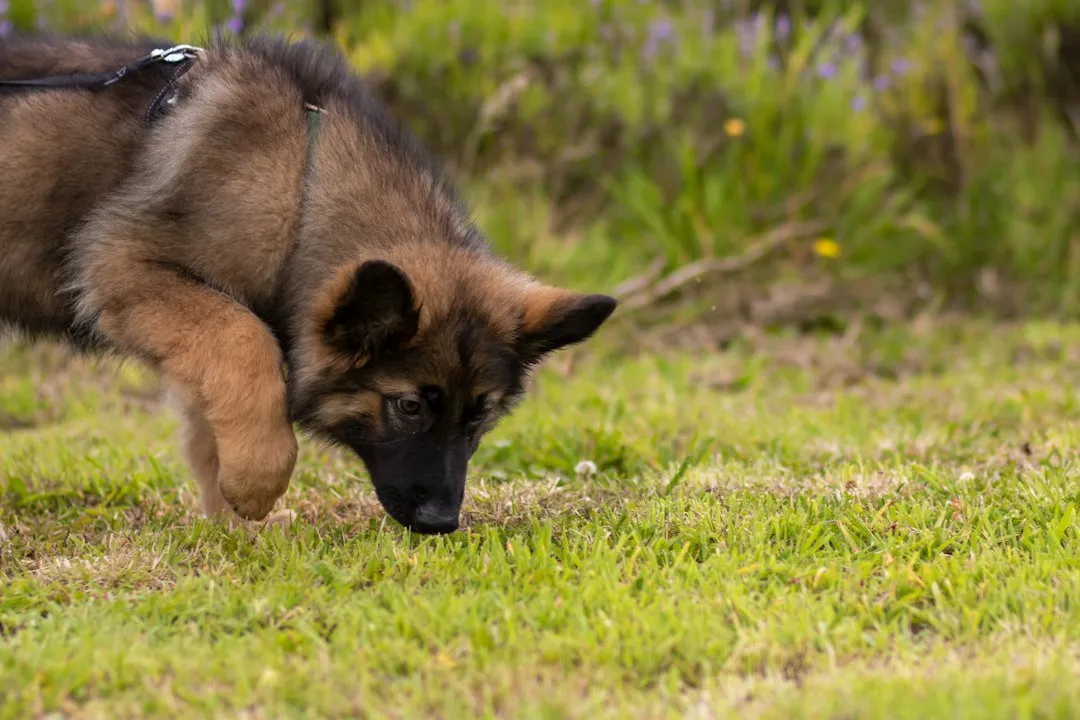
According to a 2024 study from the University of Helsinki, dogs trained to detect scent may be able to identify significantly lower concentrations of odor molecules than has previously been documented. The study revealed that dogs can learn to identify concentrations that are clearly below the detection threshold of sophisticated analytical instruments used today. That’s a remarkable finding, and it adds serious weight to the scent-clock hypothesis.
Dogs can detect their owner’s scent from considerable distances, sometimes up to a few kilometers depending on environmental conditions. If you have ever wondered if you could mask your scent from your dog with perfume or cologne, you can’t. A dog has the ability to separate your scent from a fragrance, no matter how heavily you apply it. Your identity, to your dog’s nose, is essentially non-disguisable.
What the Behavior Tells Us About the Human-Dog Bond
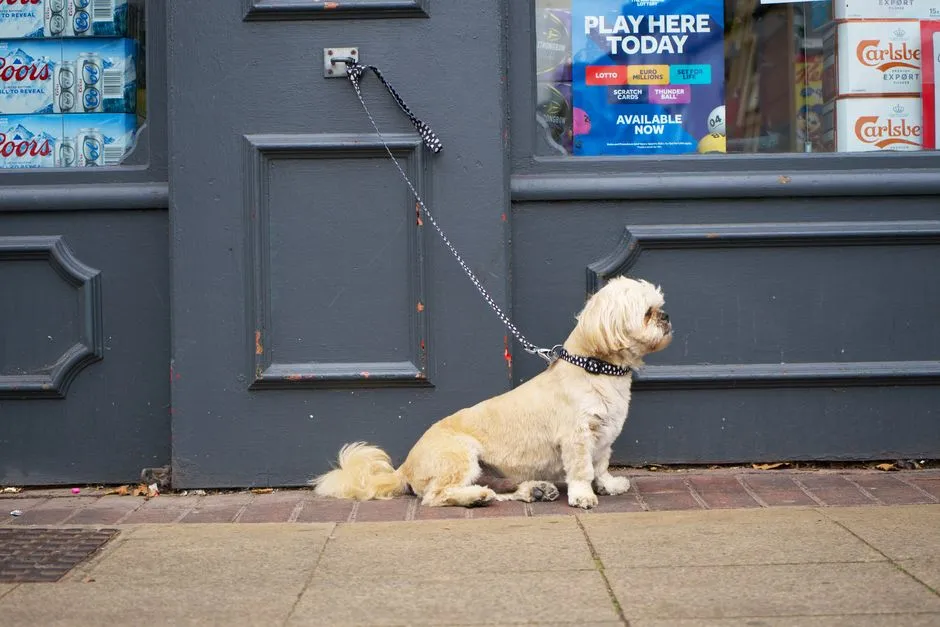
Research suggests that dogs have remarkable ways of predicting when their humans are coming home, not through magic, but through powerful senses, pattern recognition, and a bond shaped over thousands of years. The door-waiting behavior is, in a way, a physical expression of attachment. The dog isn’t just alert. It’s oriented toward you.
Some dogs wait by the door or window for you to come back, especially if they know your routine. They may even think waiting for you is their job. That framing is charming, but it also reflects something real about how dogs assign meaning to the people they live with. You aren’t just a source of food or walks. You are, in a measurable neurological sense, the center of their social world.
The Takeaway

The door-waiting behavior is almost certainly not one thing. It’s scent, routine, sound, social cues, and possibly something else that science hasn’t fully characterized yet. The fact that researchers have spent decades studying it without reaching a complete consensus tells you something about how genuinely complex canine perception is.
What’s clear is that your dog isn’t guessing randomly. When they move to that door minutes before you pull up, something specific triggered it, something that your dog’s biology and lived experience with you made legible. That’s worth sitting with, even if the full explanation is still unfolding.
AI Disclaimer: This article was created with the assistance of AI tools and reviewed by a human editor.