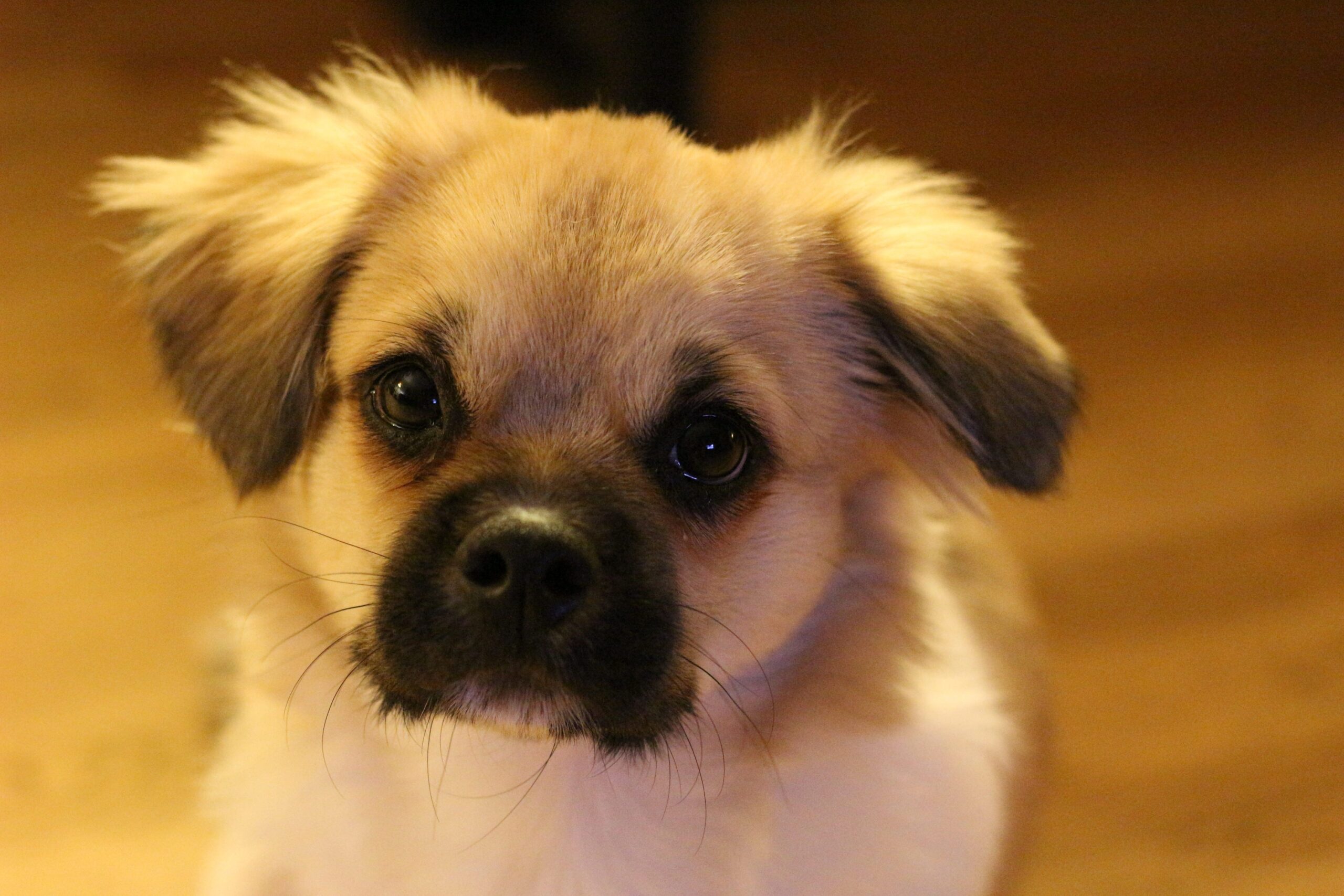

Most dog owners know the moment well. You’re standing outside with your leash in hand, your dog has finally found the right spot, squatted down, and then, without fail, looks you directly in the eye. It’s one of those small, slightly awkward rituals of pet ownership that nobody quite prepares you for.
Far from being random or strange, this behavior is actually deeply rooted in biology, evolutionary history, and the unique bond that has developed between humans and dogs over thousands of years. There’s a lot going on behind that unblinking stare.
They Feel Vulnerable and They Know It
When dogs poop, they’re in a physical position that leaves them essentially defenseless. During this moment, they simply can’t leap into action to defend themselves if danger arises. This isn’t a small thing for an animal whose survival instincts remain very much intact, even after generations of domestication.
When a dog is pooping, they’re in a vulnerable position, and they’re looking to you for protection. They may be watching you closely to see if your body language changes, which could indicate danger. Your stillness and calm expression communicate more to them than you might realize.
Ancient Pack Instincts at Work
Canines are particularly vulnerable while relieving themselves. In the wild, squatting makes them an easy target for any lurking predator. Wolves developed the habit of relying on the rest of their pack to keep watch while they did their business, and this survival strategy is still very much alive in modern dogs.
Dogs in the twenty-first century may no longer have to dodge wolves in the woods or keep one eye open for danger, but that ancestral reflex has stuck around. When your dog looks at you mid-poop, they’re essentially asking whether you’re safe. Your relaxed face and calm demeanor send a clear signal that everything’s under control, providing exactly the reassurance your dog needs in that exposed moment.
You Are Their Pack Leader
Dogs are instinctively aware of this vulnerability and rely on their pack, which in your dog’s case includes you, to ensure their safety. This is why they might watch you the entire time they handle their business. To your pup, you’re their pack leader and best friend, the one who keeps watch when they’re in a very vulnerable moment.
As pack animals, canines have deeply ingrained instincts to communicate and bond with their family group. Staring at you during a bathroom break could be a way of maintaining a connection with their pack leader. It’s less about curiosity and more about the quiet social contract between a dog and its person.
They’re Reading Your Body Language
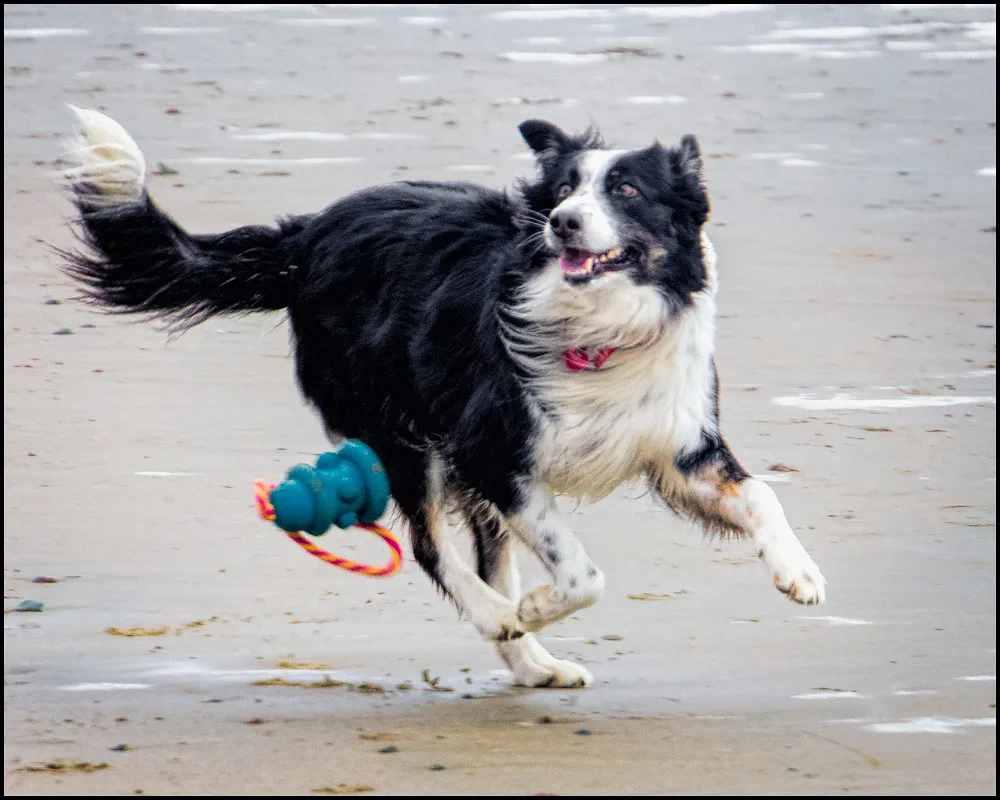
Dogs have been living with us for centuries, and over time they’ve figured out how to read our emotions just by looking at us. By analyzing everything from our voice to our facial expressions, and of course our scent, dogs use a whole range of cues to pick up on their humans’ moods.
Dogs are masters at reading human facial expressions. They also interpret gestures expertly. They may stare simply in order to catch a nod, a smile, or a verbal encouragement. They need to confirm that they have satisfied your expectations. In this sense, the stare is less about what they’re doing and more about what you’re telling them without words.
Potty Training Wired Them This Way
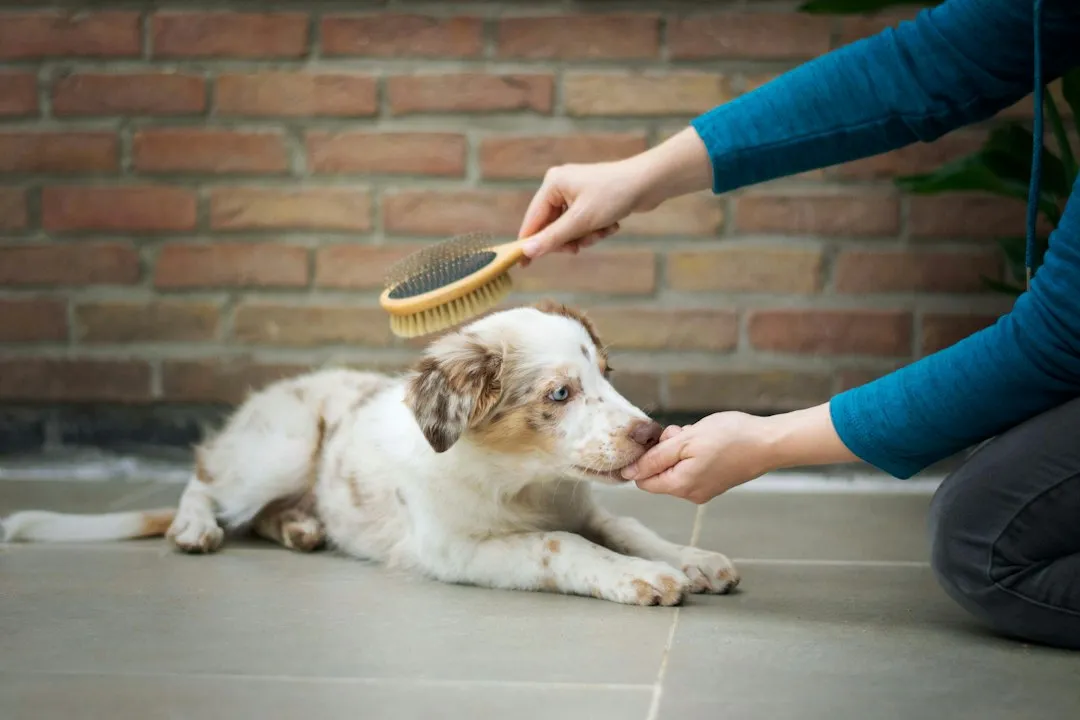
Humans inadvertently train dogs to stare during this time from a very young age. During initial housebreaking, owners are often advised to watch their puppies intently to catch accidents or provide immediate rewards for going outside. This creates a lasting association where the dog expects human attention and observation during the act.
When puppies are trained to poop outside, treats are often a part of the process. Once the training is over, however, most pet owners stop rewarding their dogs with treats. But like an elephant, dogs don’t forget this positive experience of receiving a treat or verbal praise when doing their business outside. The behavior is essentially baked in from an early age.
They’re Anticipating a Reward
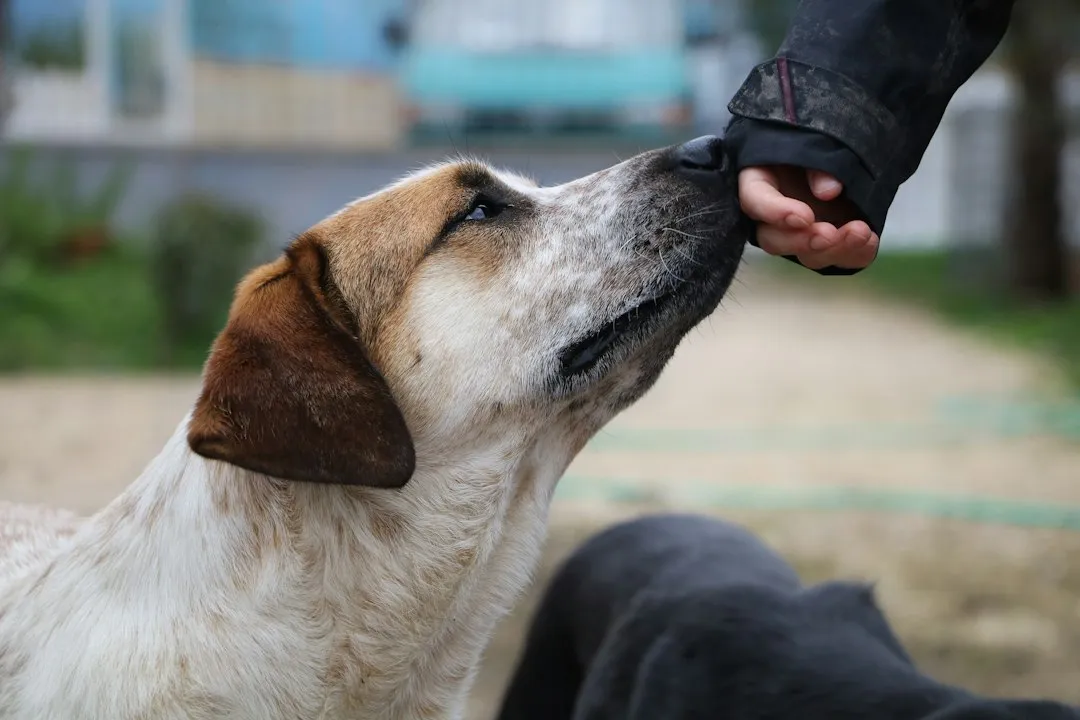
For many dogs, pooping is less about biological relief and more about a potential payday. Even years after potty training is complete, the reward center in a dog’s brain can remain active during excretion. The stare is often an expectant look, as the dog waits for the treat or enthusiastic praise they’ve been conditioned to receive.
Beyond instinct, the behavior can also be reinforced during potty training. Some dogs look at their owners in anticipation of a reward after doing their business in the right place. Even if treats stopped years ago, that optimism doesn’t always fade.
It’s a Sign of Deep Trust
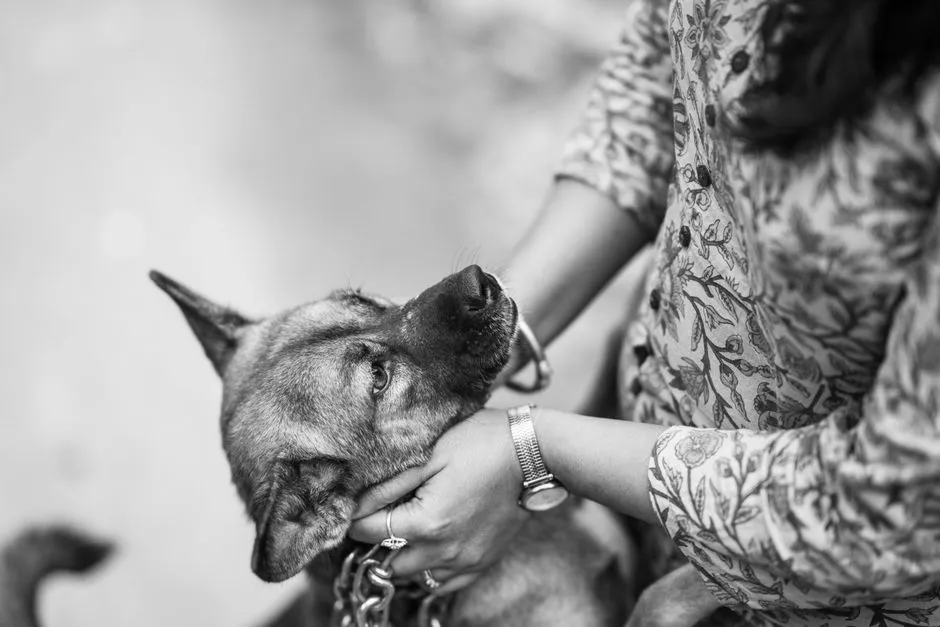
While humans often interpret this gaze as weird or awkward, it is actually the opposite. It is significant proof of the high level of trust a dog places in its owner. In their eyes, you are a guardian providing a critical safety net during their most vulnerable physical state.
According to certified dog trainer Karen Piwinski of Woofz, a dog training app, the answer is actually endearing. That intense mid-squat stare? It’s not judgment or embarrassment. It’s trust. Dogs don’t look to just anyone during this moment. The fact that they look to you says something real about how they see you.
The Oxytocin Connection Is Real
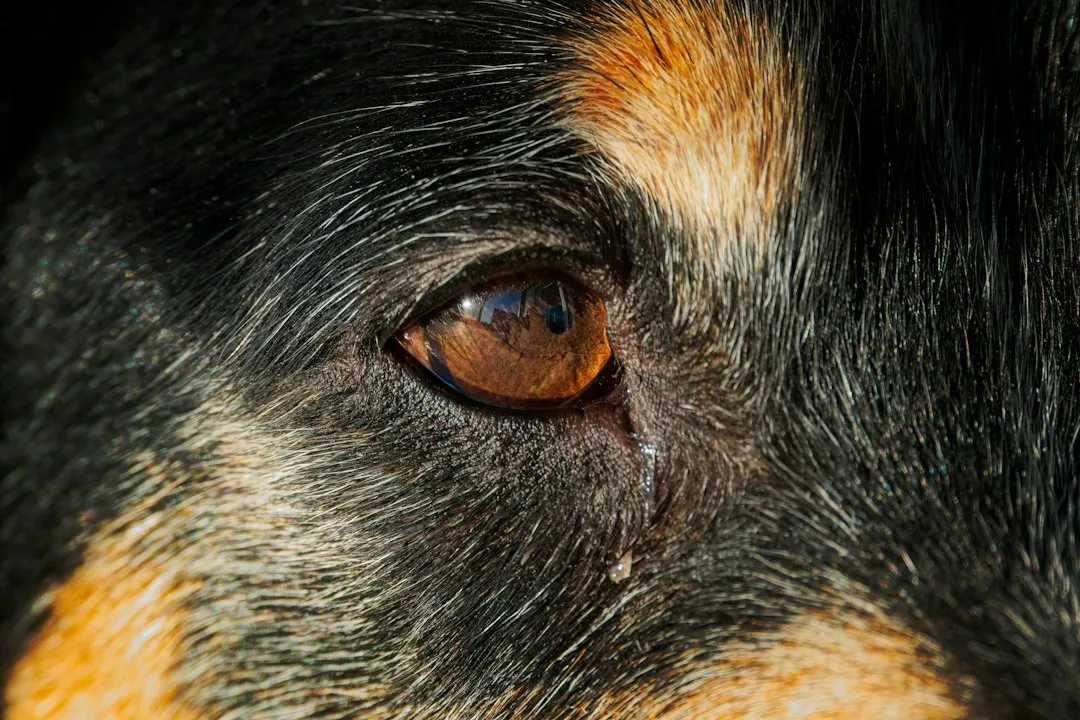
Studies have shown that when a dog and their owner have prolonged eye contact, the oxytocin levels of the owner increase. This was especially clear when these prolonged gazes were initiated by the dog. When oxytocin levels rise, it’s an expression of attachment behavior, a behavior known to occur between mothers and their babies. So although you may feel a bit weird locking eyes with your dog when they’re pooping, you’re actually improving your bond.
When dogs gazed longer at their owners, the humans’ oxytocin levels significantly increased. In response, humans tended to pet and talk to the dogs more, which in turn increased the dogs’ own oxytocin levels. This feedback loop mirrors similar attachment mechanisms seen between human mothers and infants. The science behind the stare is, remarkably, the same chemistry behind parent-child bonding.
Dogs That Stare More May Bond More Deeply
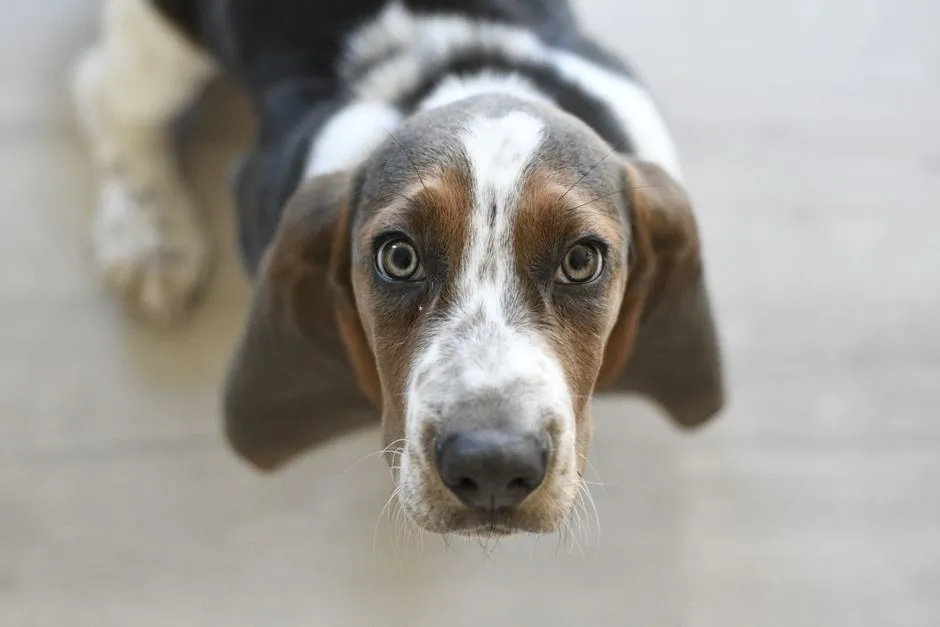
Dogs gazing more frequently at the owner than at an experimenter were reported to provide more emotional comfort to their owners, such as making them feel loved. Breed differences also emerged, with German shepherd dogs more likely to be low gazers compared to golden retrievers. So some dogs are simply more inclined toward this kind of sustained eye contact than others.
Eye contact particularly seems to provide information on human readiness to communicate. When there is such an ostensive cue, dogs tend to follow human communicative gestures more often. The bathroom stare, then, is not a one-way act. It opens a small channel of communication that your dog is actively using to understand you.
Not Every Dog Does It, and That’s Fine Too
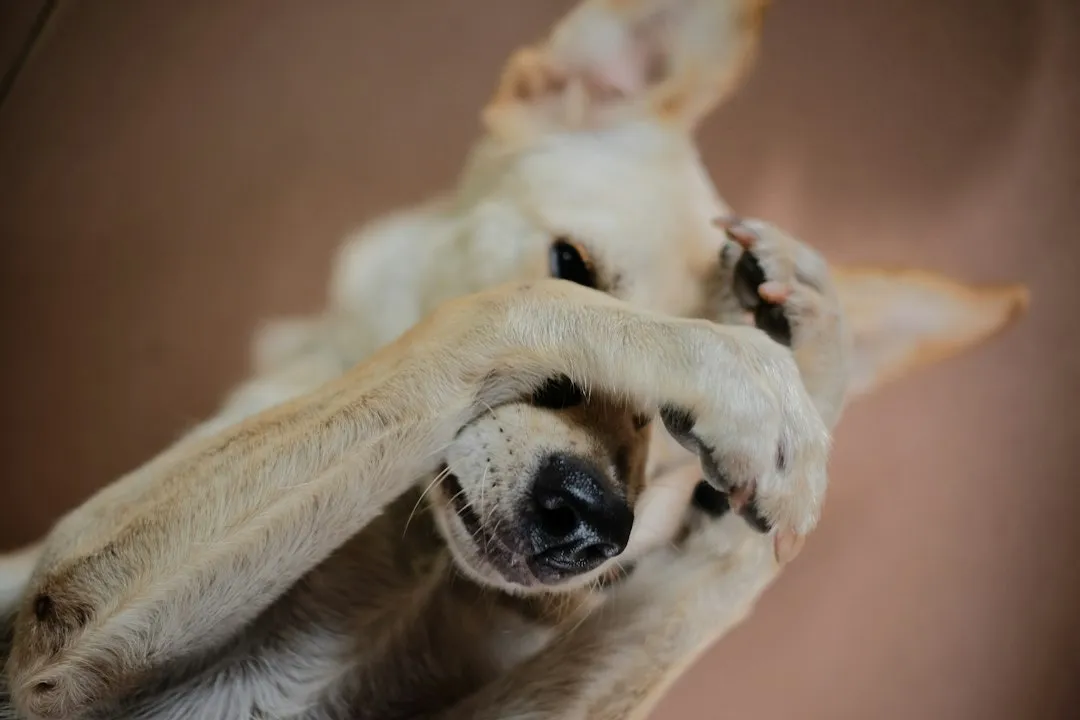
Some dogs prefer hiding behind a tree or shrub and avoid making eye contact. This doesn’t mean those dogs trust their owners any less. It may simply reflect a more independent temperament or a dog that feels secure enough in their environment not to need visual reassurance.
We tend to project human traits onto our dogs’ behavior, an act known as anthropomorphism. So while it might seem like the dog is staring at us in the way a person would, in reality, your pooping pal is probably just glancing around as part of natural behavior and happened to look your way. That said, the research strongly suggests there is often far more intention behind the gaze than a simple accidental glance.
How You Should Respond
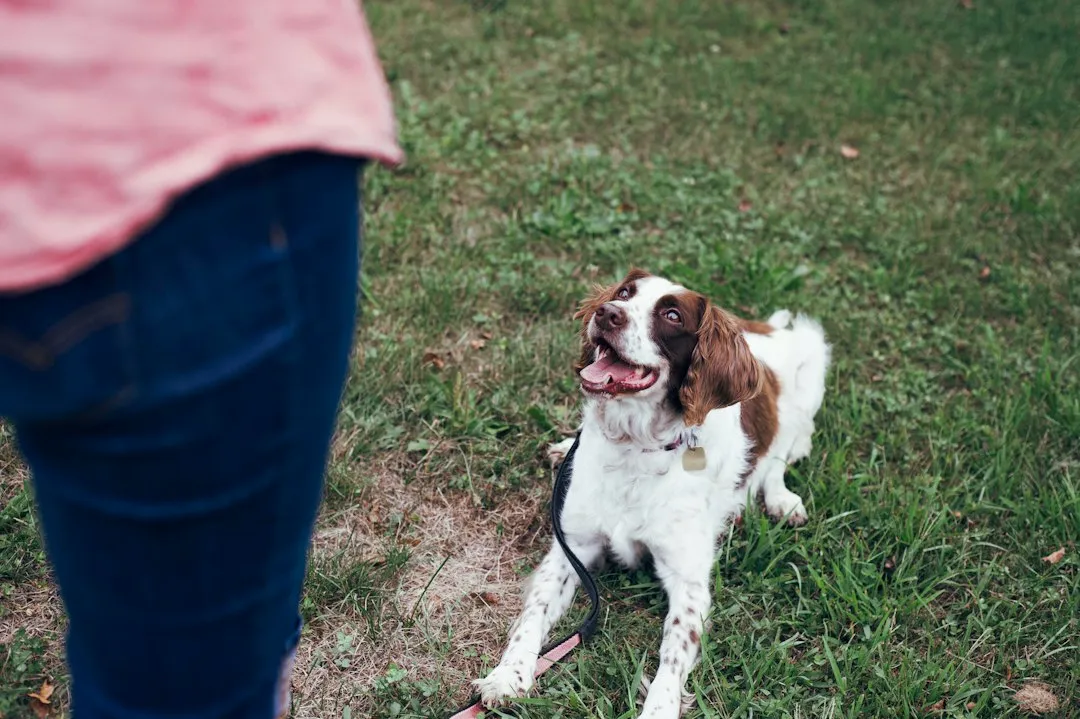
While it may feel awkward, experts advise owners to stay calm and avoid reacting, especially with laughter or sudden movements. Sudden reactions can startle your dog mid-process and interrupt what should be a calm, routine moment.
On the flip side, if you seem tense or worried, your dog might pick up on that too. In fact, some dogs will even stop what they’re doing if they sense something’s off, especially in new locations or busy spots. Your body language in that moment carries real weight, more than most owners expect. Stay relaxed, hold eye contact naturally if you can, and let the moment pass. Your dog is counting on you to do exactly that.
The Takeaway
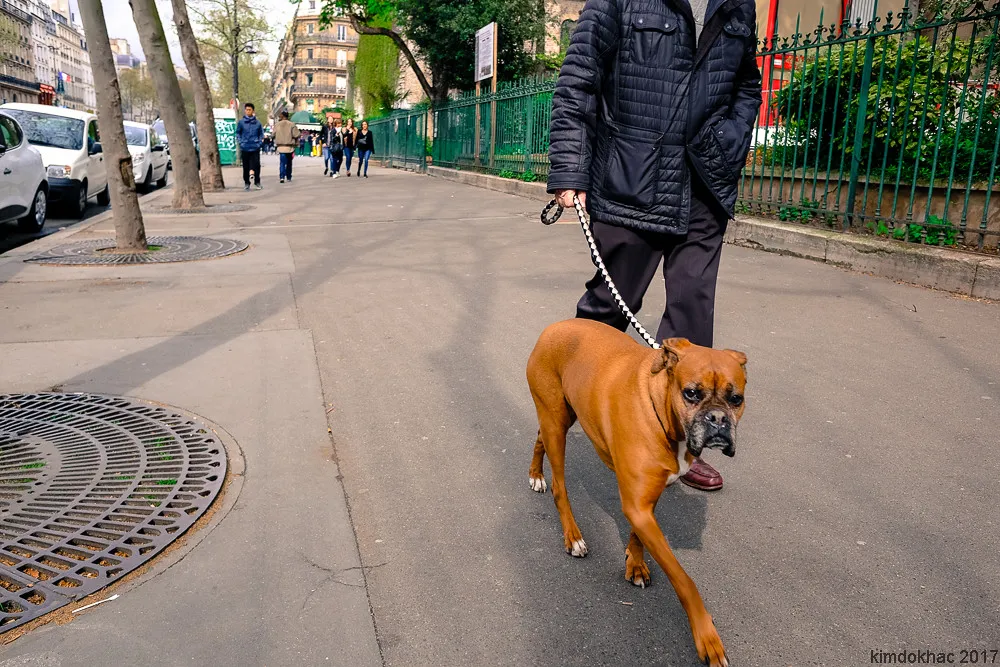
What looks like one of the stranger quirks of dog ownership turns out to be one of the most honest things your dog ever does. In that moment, stripped of any pretense, they look to the one being they trust most in the world. That’s you.
The next time your dog holds your gaze during their bathroom break, know that the science is on your side. That look is built from millions of years of evolution, weeks of early training, and a bond that, according to researchers, genuinely changes the chemistry in both of your brains. Awkward? Sure. Meaningful? Absolutely.
AI Disclaimer: This article was created with the assistance of AI tools and reviewed by a human editor.