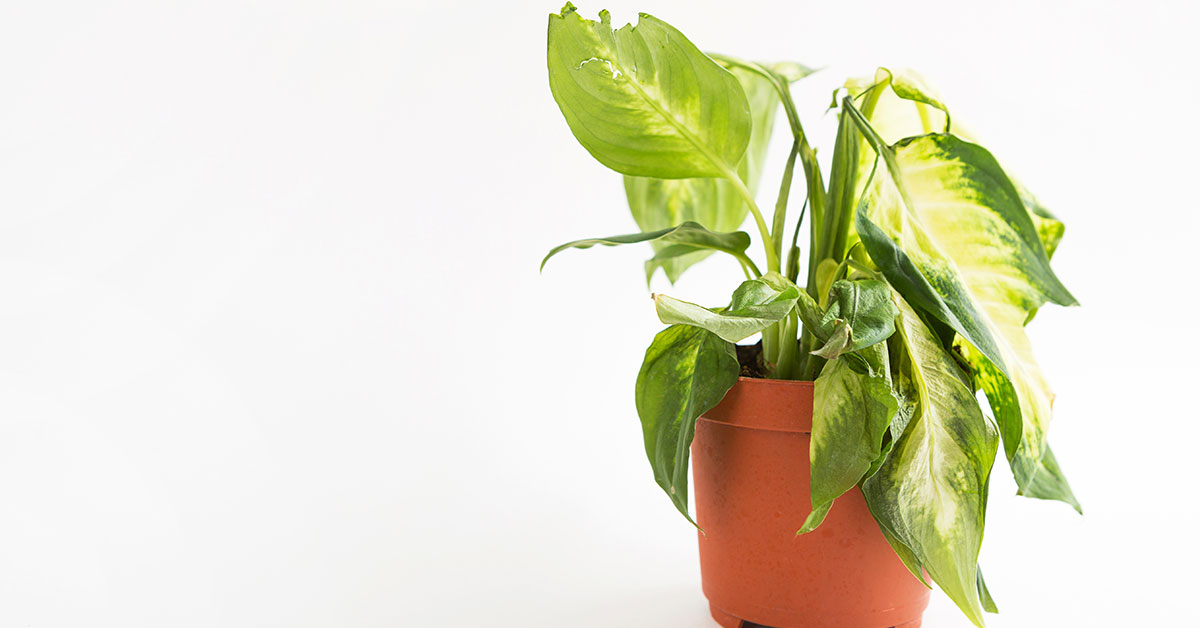

Dieffenbachia plants are popular houseplants because of their beautiful foliage and attractive variegated leaves. Unfortunately, many owners struggle to keep their Dieffenbachia plants healthy and looking their best, as their leaves can start to turn yellow. Thankfully, this issue can be prevented with a few simple tips. In this article, we’ll discuss how to keep Dieffenbachia leaves turning yellow, including tips on watering, fertilizing, and light requirements. With the right care, your Dieffenbachia can stay vibrant and healthy for years to come.
Dieffenbachia, also known as dumb cane, is a popular houseplant due to its vibrant leaves and easy care requirements. Its large, lush foliage makes it an aesthetically pleasing addition to any home. It is also known for its air-purifying qualities, as it can help remove toxic chemicals from the air. Dieffenbachia is also relatively low-maintenance, requiring only moderate amounts of light and water. Its ability to thrive in low light makes it an ideal choice for people with limited access to natural light. Dieffenbachia is a great choice for anyone looking to brighten up their home with a touch of greenery.
How To Prevent Dieffenbachia Leaves From Turning Yellow
One of the best ways to prevent Dieffenbachia leaves from turning yellow is to provide adequate light and water. It will thrive in bright, indirect light and should be watered when the soil is dry to the touch. Aim to water it deeply but infrequently. Be sure not to overwater, as this can cause the leaves to turn yellow. Additionally, avoid placing it in direct sunlight or in a drafty area, as this can also cause yellowing. Lastly, remember to check the soil moisture regularly and regularly remove any dead leaves.
The right soil is essential to prevent dieffenbachia leaves from turning yellow. A soil mix that is made up of one part potting soil, one part perlite, and one part peat moss is ideal. This combination of soils will ensure proper drainage and provide the necessary nutrients to keep the dieffenbachia healthy and its leaves vibrant and green. Be sure to water the soil regularly, but not so much that it becomes soggy. Overwatering can cause root rot and yellowing of the leaves. Additionally, be sure to fertilize the dieffenbachia every 4-6 weeks with balanced plant food to ensure the plant has adequate nutrition. With the right soil and care, you can keep your dieffenbachia looking vibrant and healthy for a long time.
Overwatering And Underwatering
In order to prevent overwatering and underwatering your dieffenbachia, the most important thing is to provide the plant with consistent moisture. Make sure to check the soil before watering and avoid watering if the top inch of the soil is still moist. It is best to water the dieffenbachia from the bottom up by placing the pot in a shallow bowl of water for about 10 minutes. Allow the soil to become saturated and then empty any excess water from the saucer.
Additionally, make sure to water your dieffenbachia with lukewarm water as cold water can shock the plant. Lastly, make sure the pot has drainage holes in the bottom to ensure that the soil does not become oversaturated. With consistent moisture and proper drainage, you can prevent both overwatering and underwatering your dieffenbachia.
Dieffenbachia Leaves Turning Yellow Due To Pests And Diseases
Dieffenbachia leaves may turn yellow due to pests or diseases. To prevent this, start by keeping your plant well-watered and in a warm, well-lit spot. Make sure that your plant has good air circulation to prevent fungus and pest infestations. To guard against pests, inspect the plant regularly and wipe off any pests with a damp cloth. If you notice any signs of disease, such as discoloration, spots, or wilting, make sure to treat it with a pesticide or fungicide according to the manufacturer’s instructions. Additionally, make sure to prune off any dead or dying leaves and stems to prevent the spread of disease.
How To Prune Your Dieffenbachia
Pruning dieffenbachia leaves that have turned yellow is an easy task that can help the plant look healthier and happier. Start by removing any damaged or discolored leaves. Next, cut them as close to the stem as possible with a pair of clean, sharp scissors or pruning shears. It’s important to avoid cutting into the stem, as this can cause further damage to the plant. After removing the yellow leaves, trim the remaining leaves to encourage new growth. Finally, use a damp cloth to wipe off any dust or dirt from the newly-pruned leaves. Following these steps will help keep your dieffenbachia healthy and looking its best.