

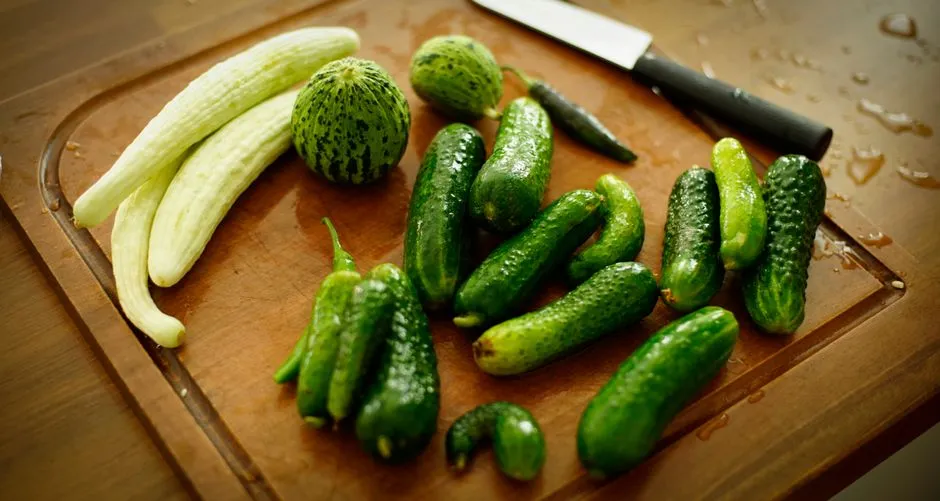
You bite into a garden cucumber expecting something cool and clean, and instead get a mouthful of something resembling unsweetened medicine. It’s jarring, and it happens more than most gardeners expect. The frustrating part is that the plant can look perfectly healthy right up until that first bitter bite.
Recent years have brought a surge of reports from home growers noticing more bitterness in their cucumbers than ever before. Soil scientists and horticulture researchers are now pointing to a convergence of factors, from soil health to climate pressure, that help explain why this season may have been worse than most.
The Compound Behind the Bitterness
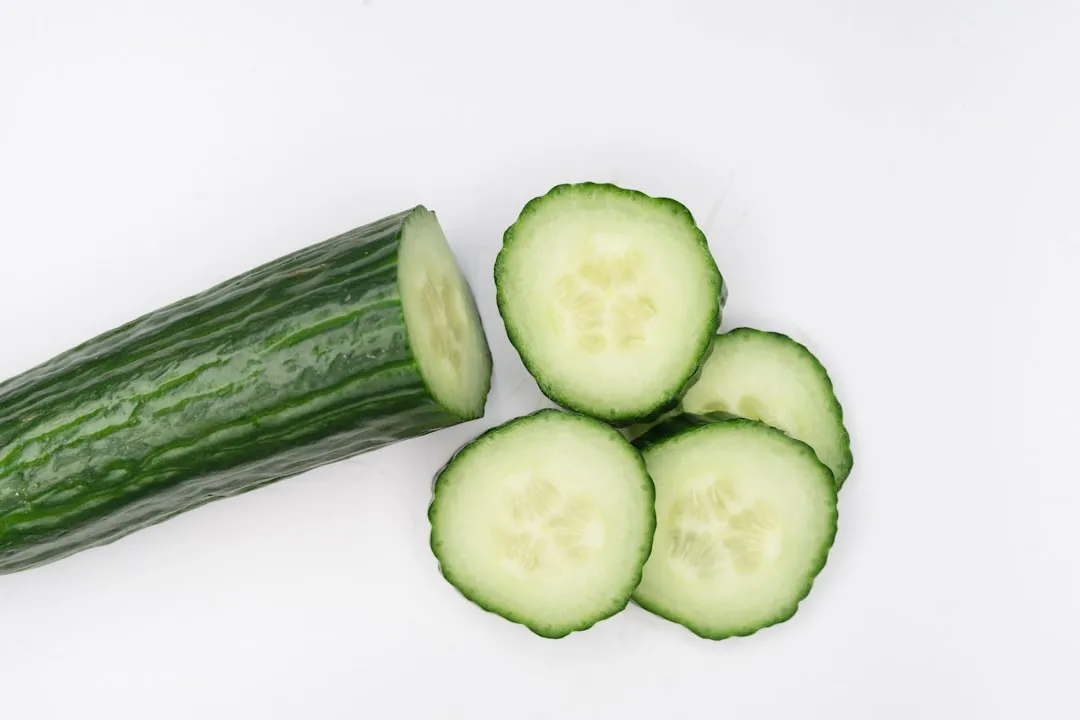
Cucumber bitterness is caused by two terpenoid compounds: cucurbitacin B and cucurbitacin C. These naturally occurring substances form a critical part of the cucumber plant’s sophisticated defense system against herbivores and fungal diseases.
Cucumbers belong to the cucurbit or gourd family, and all members of this family produce cucurbitacin. It’s produced as a defense mechanism and makes the cucumber taste bitter, with the objective of preventing a pest that eats one bitter cucumber from returning for a second one.
Cucurbitacins are normally found in the leaves, stems, and roots of cucumber plants, but can migrate to the fruit when the plant is under stress. The question for most growers is simple: what caused that stress in the first place?
It Starts in the Soil
Poor soil conditions, including nutrient-deficient soil or imbalanced pH levels, can stress cucumber plants enough to trigger the bitterness response. The relationship between soil quality and flavor is far more direct than many gardeners realize.
Plants need good nutrition, and nutrient imbalances, particularly too much nitrogen or not enough potassium, can stress the plant and affect the flavor of its fruits.
Testing soil pH and nutrient levels is a key first step. A slightly acidic to neutral pH of 6.0 to 7.0 is ideal for cucumbers. Outside that range, nutrient uptake becomes inefficient, and the plant responds by ramping up its chemical defenses.
The Role of Soil Microbial Health
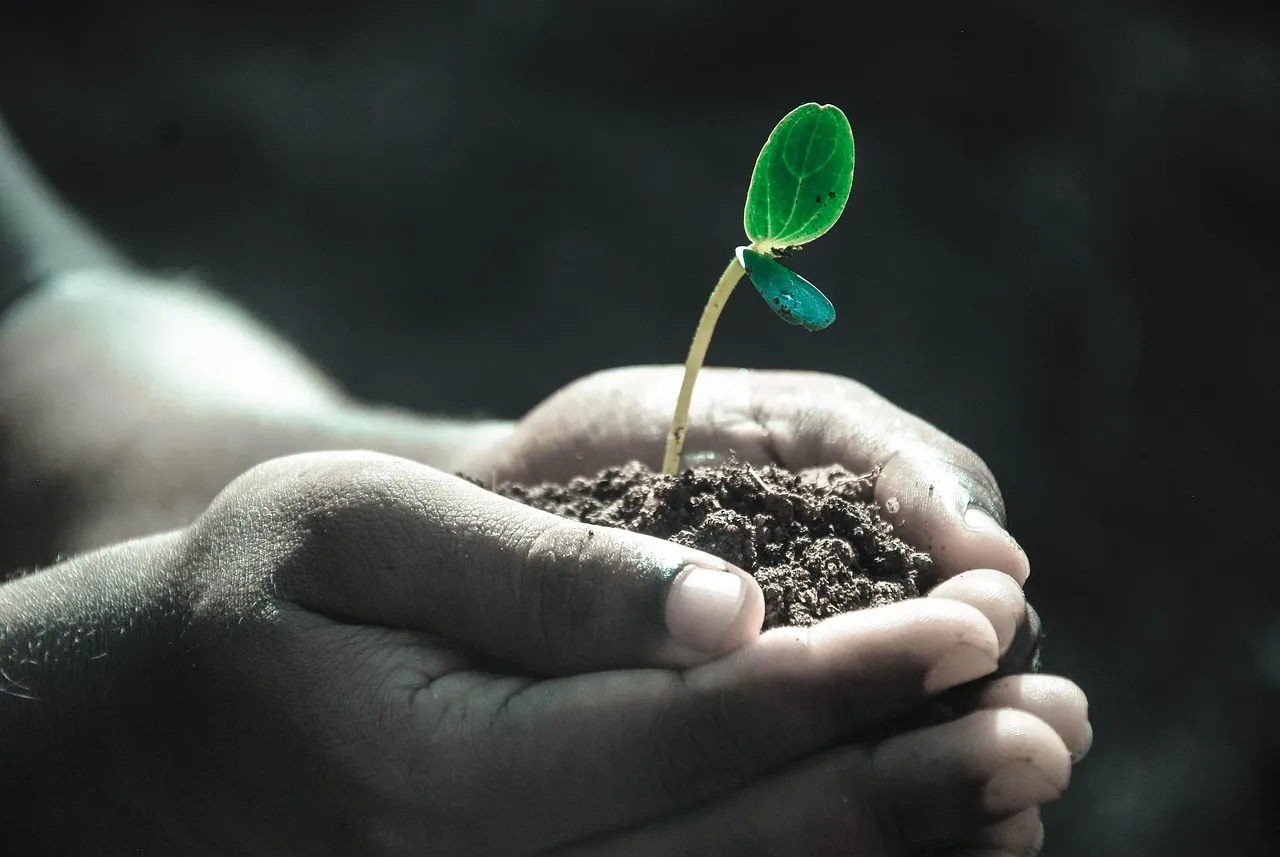
Long-term, high-intensity, continuous intensive cucumber planting and unreasonable use of pesticides and fertilizers in facilities lead to a significant depletion of soil nutrients, alteration of soil physical and chemical properties, disruption of beneficial soil bacterial communities, decrease in soil bacterial diversity, a significant reduction in beneficial bacterial species, and promotion of pathogenic bacteria.
Plants adapt to biotic and abiotic stresses by altering their root-secreted chemicals to aggregate health-promoting microbiomes. When that microbial support system collapses due to depleted or compacted soil, the plant becomes more vulnerable to producing stress compounds like cucurbitacin.
Research on cucumber rhizosphere soil has revealed that available phosphorus, available potassium, and ammonium nitrogen contents are the primary factors influencing the bacterial community in cucumber rhizosphere soil. This means the chemical balance you maintain in your garden beds directly shapes which soil bacteria thrive, and that shapes what ends up inside your fruit.
Drought Stress: The Most Direct Trigger
Cucumbers have a low ability to tolerate drought. Water deficiency results in weak development of the plant and the accumulation of cucurbitacins, which causes bitter taste of fruits.
Drought stress is the most common cause. When soil dries out between waterings, cucurbitacin production spikes. This is especially common in mid-summer when temperatures climb and rainfall is unreliable.
You might harvest sweet cucumbers for weeks, then hit a streak of bitter ones after a stretch of hot, dry weather. The fruit that was developing during that stressful period absorbed the higher cucurbitacin levels, while fruit that develops afterward, once conditions improve, returns to normal. That timing effect catches many gardeners completely off guard.
Heat Waves Are Making Things Worse
The optimum temperature for cucumber growth is between 20 and 25 degrees Celsius. Temperatures of around 35 degrees Celsius can induce heat stress in the plants. That threshold is being crossed more often and for longer stretches than it used to be.
Scientists found that people around the world experienced, on average, 41 extra days of dangerous heat in 2024 due to human-caused warming. For cucumber plants, even a few of those extra days during critical fruit development can be enough to trigger persistent bitterness.
Extended heat puts the plant under metabolic stress, increasing bitter compound levels in developing fruit. Cucumbers prefer warm, not hot, weather and do not thrive in extreme heat. When temperatures soar, the plants may turn bitter, stop producing, or die back.
Temperature Swings Are Just as Damaging
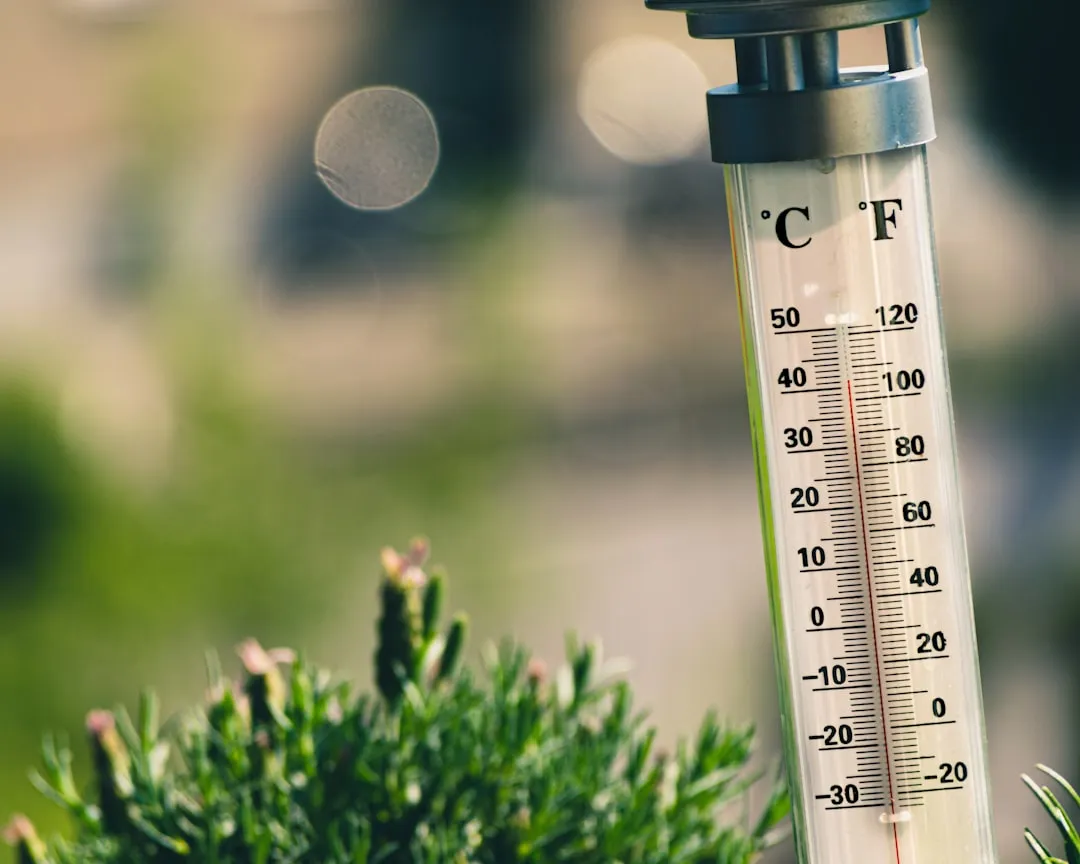
Bitterness is caused by several factors such as genetics, widely fluctuating temperatures, poor soil, or inconsistent watering. Temperature swings, in particular, catch many growers off guard because the damage happens during the night, not just during scorching afternoons.
Excessive heat, uneven watering, and extreme temperature fluctuations can all cause cucurbitacins to migrate into the fruit. The stress response doesn’t require a prolonged crisis. Even a handful of sharp overnight drops following hot days can be enough.
Environmental factors have an impact on the levels of cucurbitacin. High heat and constant temperature swings, for example, can affect an entire garden’s worth of vegetables. This explains why a whole row of plants can turn bitter at nearly the same time, seemingly without warning.
Where the Bitterness Concentrates in the Fruit
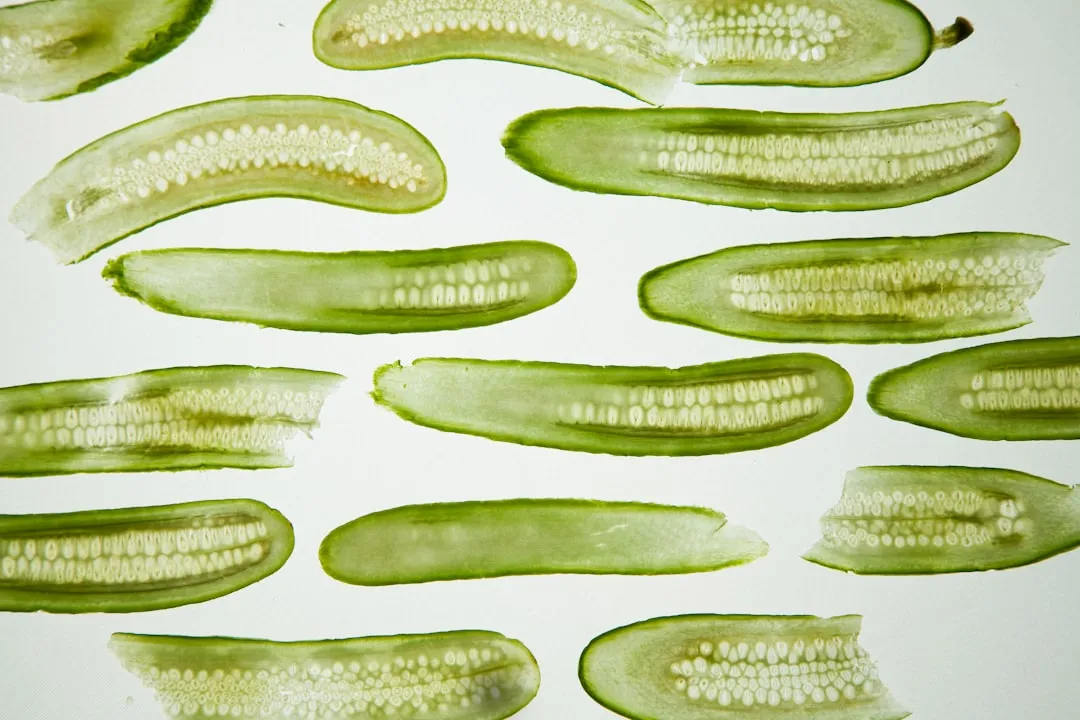
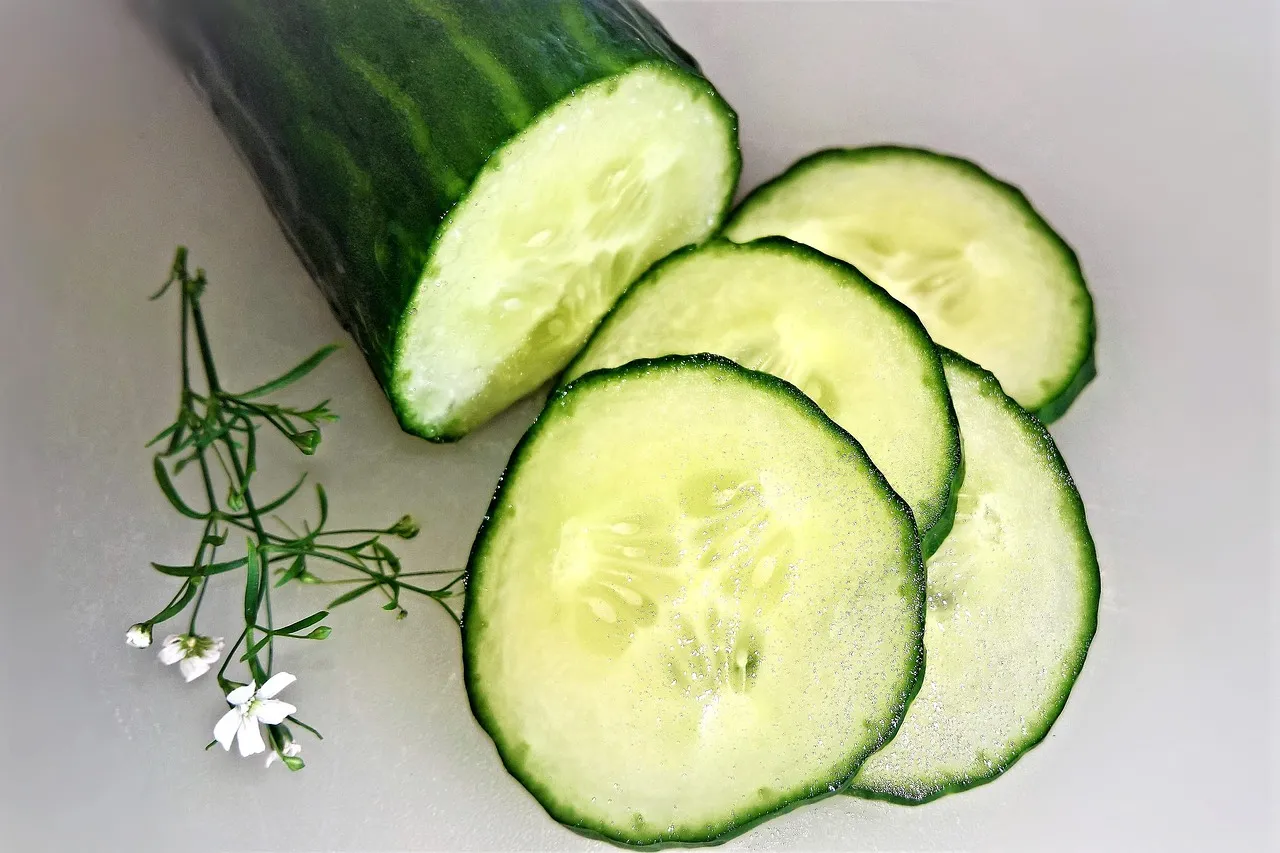
Cucurbitacins are most concentrated near the stem end and in the peel. This is why, for mild bitterness, simply peeling the cucumber and slicing off the ends can often do the trick.
When harvesting slicing cucumbers, the bitter compound is likely to be more concentrated in the stem end than in the blossom end. It is also more prevalent in the peel and in the light green area just beneath the peel, and less likely to be found in the deeper interior of the fruit.
If the entire fruit tastes bitter, it’s usually a sign of systemic stress throughout the plant’s growth, not just a localized issue. That distinction matters because it tells you whether the problem is fixable during the current season or already baked in from weeks earlier.
When Bitter Cucumbers Become a Safety Concern
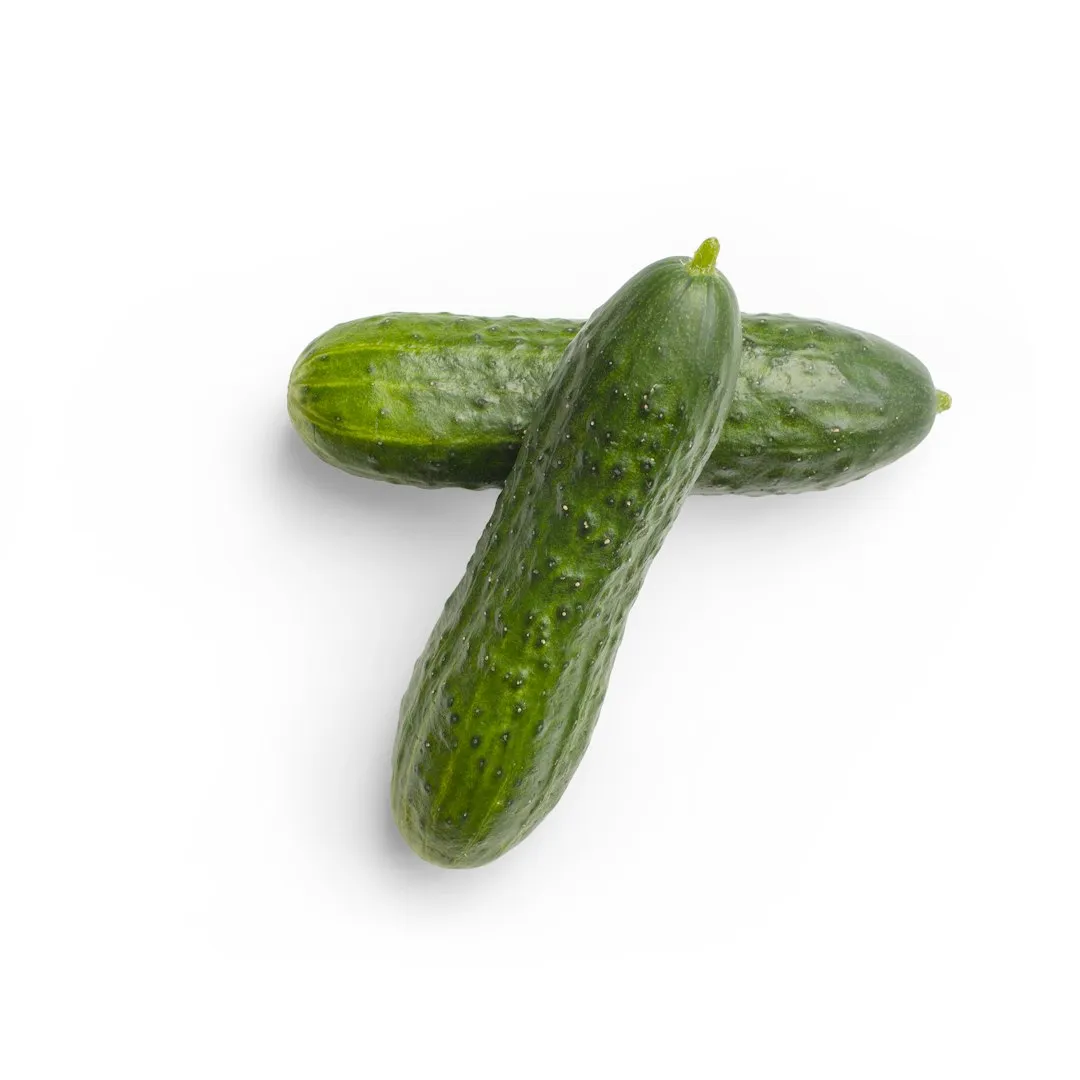
In most home garden situations, bitter cucumbers are not harmful, but they can taste unpleasant enough that many people choose not to eat them. Severe bitterness, however, is a sign that cucurbitacins are present in higher amounts, and in that case, the cucumber should be avoided.
The practical rule is simple: if any cucumber or squash tastes intensely bitter on the first bite, stop eating it. Normal cucumbers may have a faint bitter edge, especially near the stem, but a strong, lingering bitterness that makes you want to stop chewing is the plant telling you something is wrong.
Wild cucumbers, used in Indian and Chinese medicine, have enough cucurbitacin to induce purgative qualities. Cultivated varieties are bred to stay far below that threshold, but stressed plants in poor soil can push closer to problematic levels than most gardeners assume.
Genetics and Variety Selection Matter More Than You Think
Perhaps the most frustrating reason why a cucumber is bitter is pure genetics. Some plants are just more prone to bitter fruit than others. This is especially relevant if you’ve been saving seeds from season to season without careful selection.
While modern varieties are bred for sweetness, some older heirloom types might naturally have higher levels of cucurbitacins. It’s also possible, though less common, for them to cross-pollinate with wild cucurbits, picking up those bitter traits.
Choosing cucumber varieties bred for lower cucurbitacin levels is one of the most reliable preventative strategies. Some recommended varieties include ‘Diva’, ‘Sweet Slice’, ‘Sweet Success’, and ‘Marketmore 76’. Burpless varieties like ‘Tasty Green’ or ‘Long Green Improved’ have been specifically bred to contain lower levels of cucurbitacin, resulting in milder flavor and improved digestibility.
What Soil Scientists and Growers Can Do About It
If you grow cucumbers, the single most effective thing you can do is keep watering consistent. Aim for one to one and a half inches of water per week, delivered in a single deep watering rather than frequent light sprinkles. Deep watering encourages roots to grow down into cooler, more consistently moist soil, making the plant more resilient during heat waves.
Using mulch to retain soil moisture and regulate soil temperature helps considerably. Ensuring proper nutrition by applying slow-release balanced fertilizers at planting time supports the plant’s metabolic processes, including the production of enzymes involved in cucurbitacin regulation.
Temporary shade cloth during extreme heat can also reduce stress. Succession planting, meaning planting cucumber seeds every few weeks instead of all at once, can also help keep your cucumbers bitter-free by spreading the risk across different growing conditions throughout the season.
The bitter cucumber turns out to be a small but telling indicator of larger pressures, from depleted backyard soil to record-breaking summer heat. Understanding what’s actually happening inside the plant doesn’t make the taste any better, but it does put you in a much stronger position for next season. Healthier soil, steadier water, and a smarter variety choice are quiet interventions, but they tend to produce quietly better results.
AI Disclaimer: This article was created with the assistance of AI tools and reviewed by a human editor.