
Understanding what’s actually driving the behavior is the first step to getting more sleep, and maybe even appreciating your cat a little more in the process. Each reason tells you something about how cats think, how they learn, and what they need from you.
Your Cat Is Hardwired for Dawn
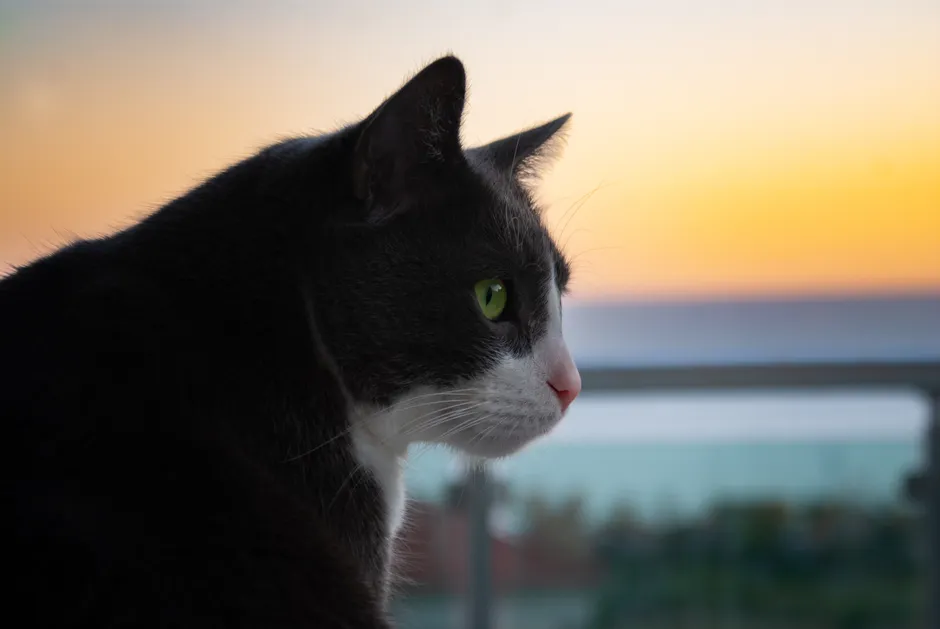
Cats are crepuscular creatures by nature, which means they are most active during dawn and dusk. This evolutionary trait goes back to their wild ancestors who hunted when their prey was also on the move, in early mornings and evenings. That 5 AM alarm isn’t random – it maps almost perfectly onto the biological peak of a cat’s activity cycle.
This natural rhythm explains why your cat might wake you up at sunrise or become particularly energetic just as you’re winding down for the evening. Research shows that domestic cats maintain these natural activity patterns even when living entirely indoors, which explains why your cat might become particularly energetic just as the sun begins to rise.
Because cats are crepuscular, they conserve their energy for these twilight hunting periods. Before being domesticated, cats would have to expend huge amounts of energy at these times, finding, chasing and killing their prey. While house cats no longer hunt before each dinnertime, their natural hunter instincts still encourage them to conserve energy for dawn and dusk.
Their Internal Clock Is Surprisingly Precise
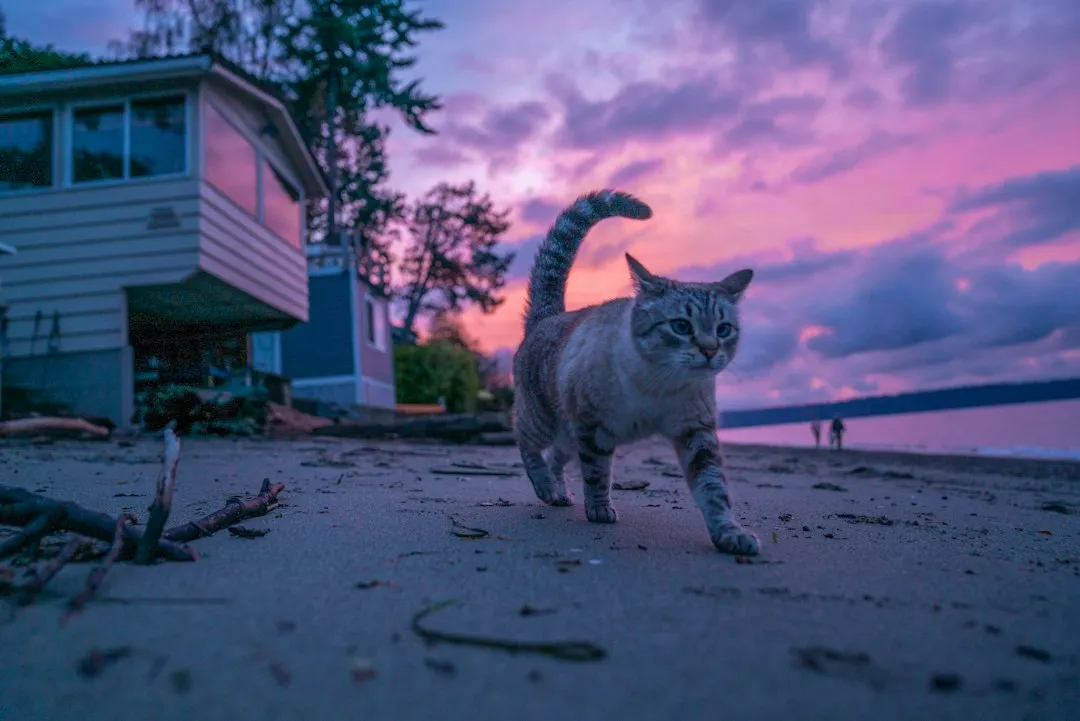
Your cat isn’t confused about the time. Their internal clocks are set to wake at twilight and dawn. This schedule helps them hunt successfully while also staying safe from predators. For a domestic cat with nothing to hunt, that energy redirects straight toward you.
Cats have an internal clock that can be impressively accurate – especially when food is involved. If breakfast has historically appeared at 5:30 AM, your cat’s body starts preparing for it well before that. They’re not being dramatic. They’re on schedule.
It’s Almost Always About Hunger
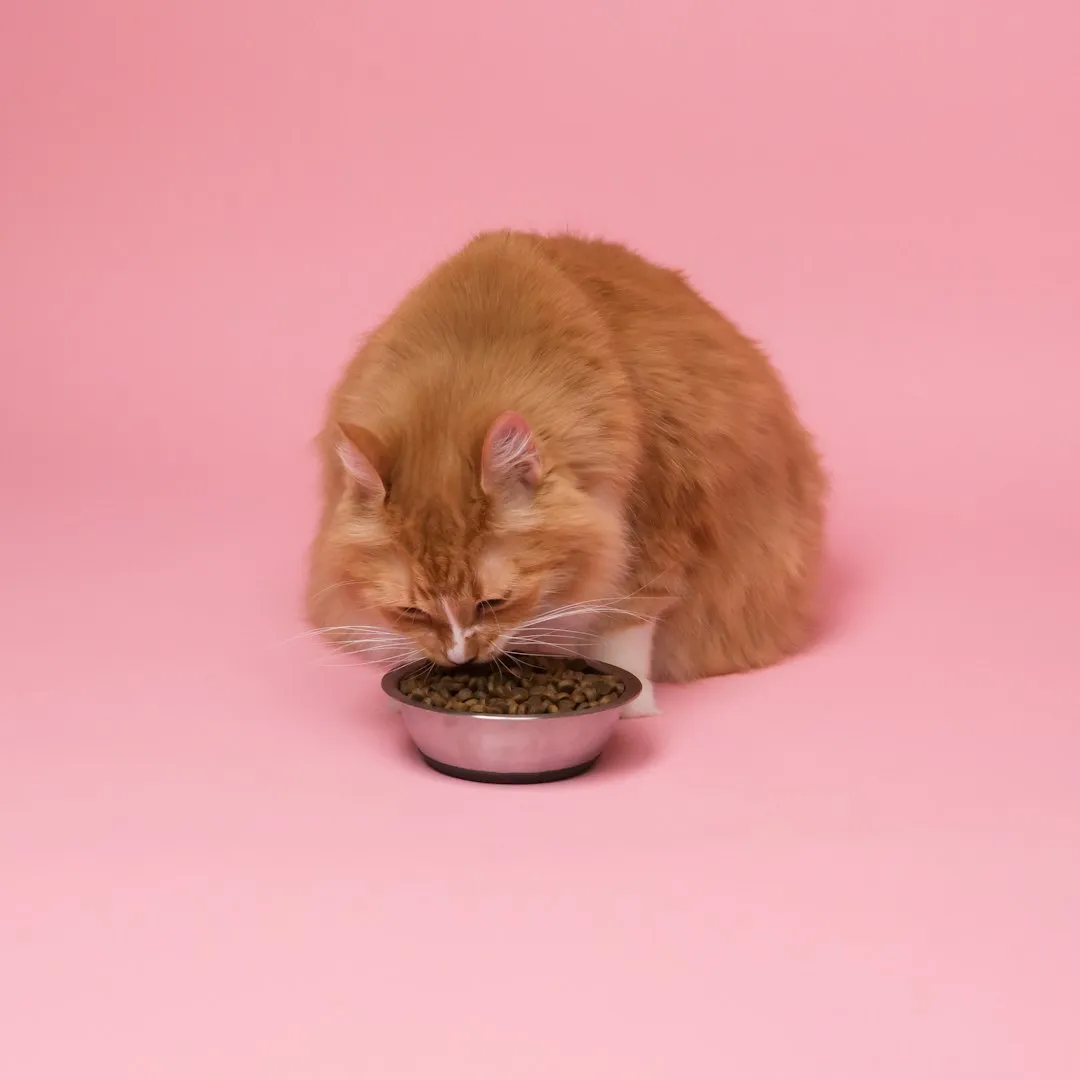
Many cats wake their owners up simply because they’re hungry. Their small stomachs empty quickly, and if there’s a long gap between dinner and breakfast, they may become uncomfortable and seek food. A long overnight stretch without eating genuinely does cause discomfort for some cats, particularly those on meal-based feeding rather than free feeding.
Cats quickly learn to associate certain times with meals. If you typically feed them early in the morning, they’ll likely continue to expect food at that time, even on weekends. That expectation is deeply set. Sleeping in doesn’t reset it.
You Probably Trained Them to Do It
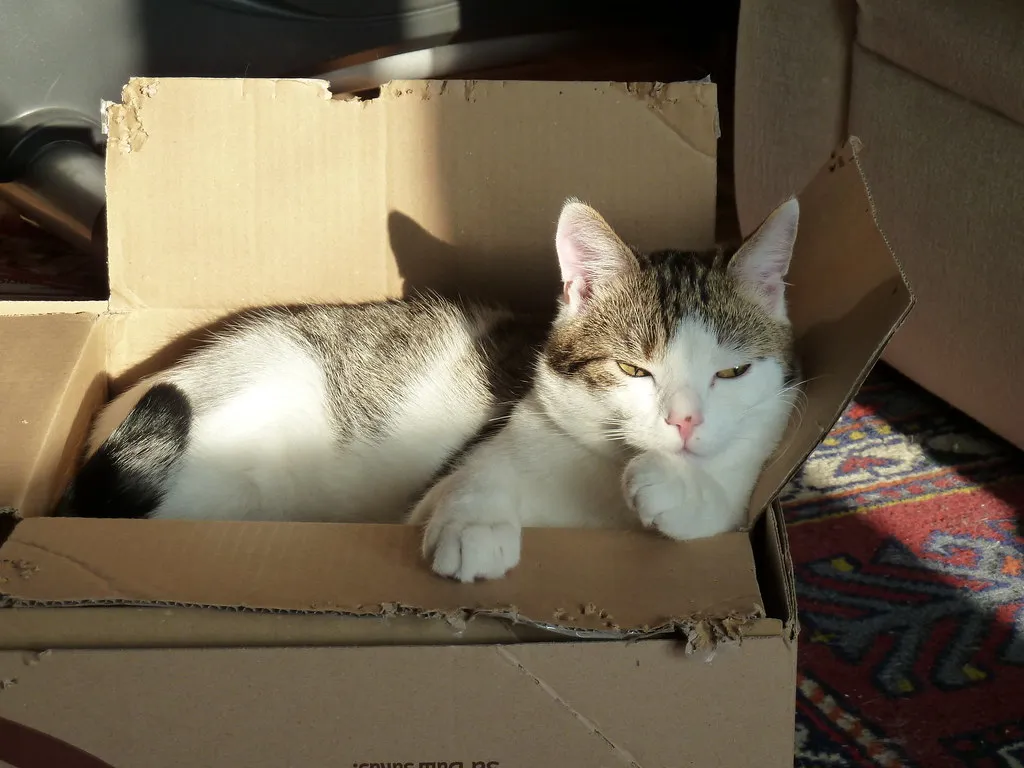
Cats are masters at training us. In this case, your cat is likely waking you up early in the morning because they woke you up once before and you either fed them or gave them attention. So they continue to wake you up to keep getting that food or attention. It sounds almost too simple, but operant conditioning works on cats just as well as it works on dogs or humans.
Cats remember effective behaviors. If meowing gets them fed, petted, or the door opened, they learn that “waking you up” is a successful strategy, and the timing may become more precise, even shifting from 6 AM to 5:30 AM. Each time you respond, you reinforce the pattern a little more firmly.
They’ve Studied Your Sleep Patterns in Detail
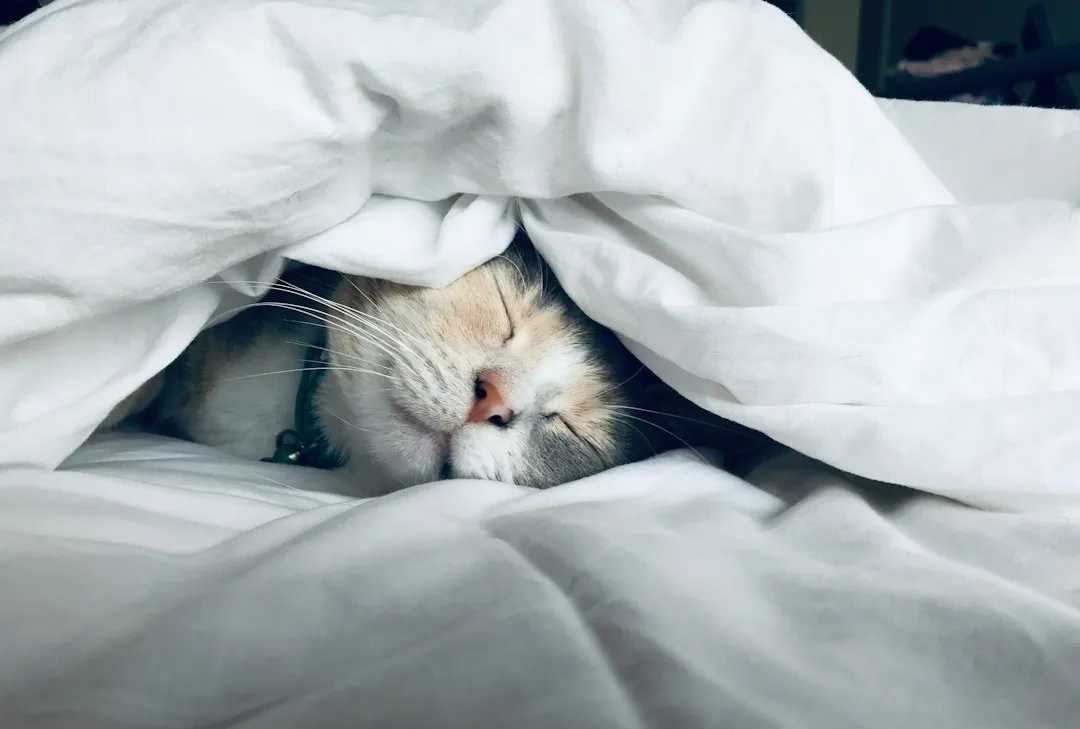
Most people assume their cat’s morning behavior is random or purely food-driven. What the research actually reveals is far more interesting: your cat has been studying your pre-alarm patterns, cataloging your movements, and building a detailed map of what happens before you’re even conscious. Cats are observant in ways that often go underappreciated.
Cats can detect micro-movements during lighter sleep stages – the small shifts in breathing, position changes, and muscle tension that signal you’re surfacing from deep sleep. By the time you’re aware of being awake, your cat has already known for a while that you’re about to surface.
Veterinary studies on cat vocalization patterns show that cats living with the same human for multiple years develop individualized vocal signatures – specific meow patterns that work on their particular owner but might not transfer to a different household. The pitch, rhythm, and repetition rate are all calibrated through trial and error.
Boredom and Pent-Up Energy Play a Real Role
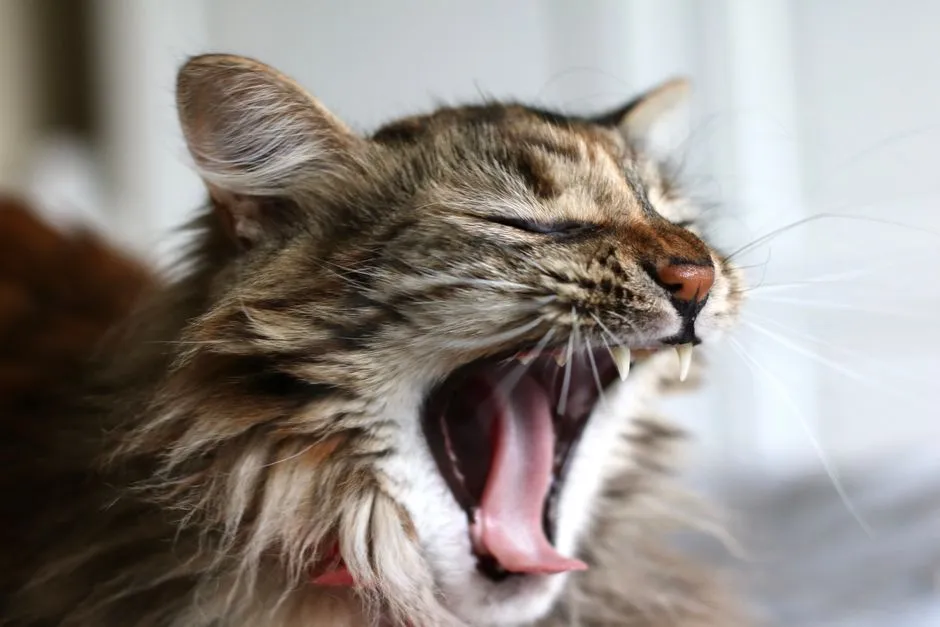
Indoor cats, especially those without enough stimulation during the day, may store up energy and release it in the early morning hours. If your cat spends most of the day napping, they are probably ready to party at sunrise. An under-stimulated indoor cat doesn’t lose that energy – it just gets deferred.
Cats have bursts of energy overnight and in the early morning. If they haven’t expended that energy through play or exercise, they may wake you up to entertain themselves. From the cat’s perspective, waking you up is perfectly efficient: it creates activity, interaction, and novelty all at once.
It Could Be a Sign of Something Medical
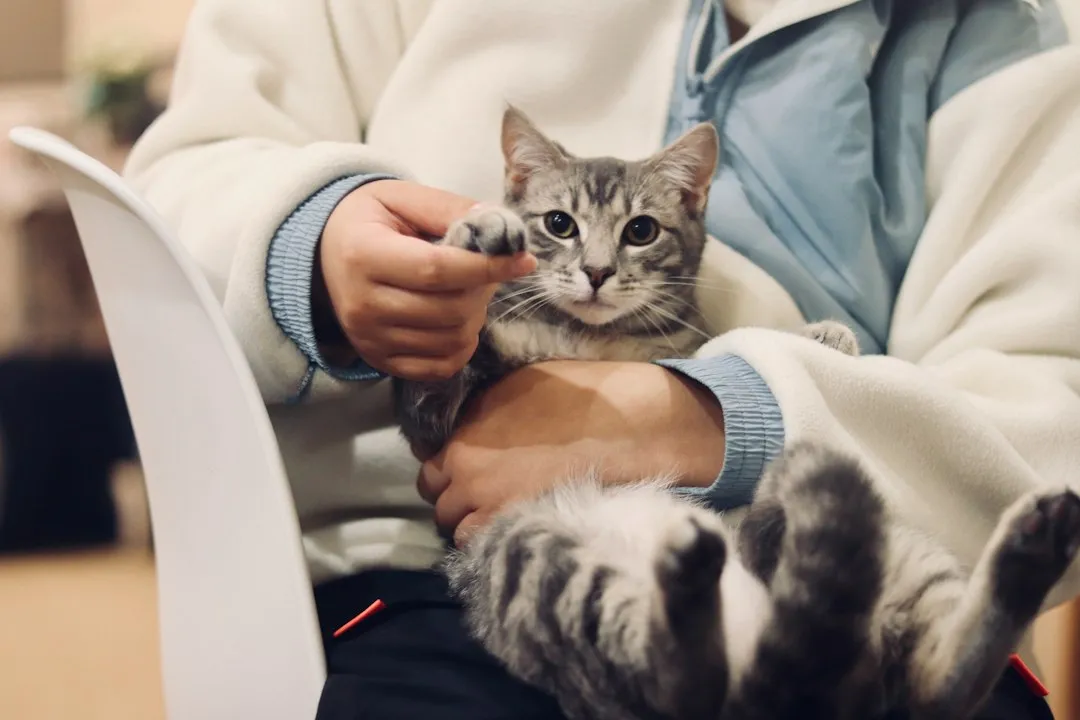
Sometimes, early wake-ups are a symptom of health problems, especially in older cats. Conditions like hyperthyroidism, diabetes, or urinary tract issues can increase hunger or discomfort and prompt early-morning activity. If an older cat suddenly develops intense early-morning vocalization after years of quiet behavior, a vet visit is worth prioritizing.
Night-time vocalizing is relatively common in hyperthyroid cats or cats with hypertension, which can also cause retinal detachment and blindness, leading to anxiety and confusion. These aren’t niche conditions: hyperthyroidism is actually one of the most common endocrine diseases in older domestic cats.
Older Cats Face Cognitive Changes That Disrupt Sleep
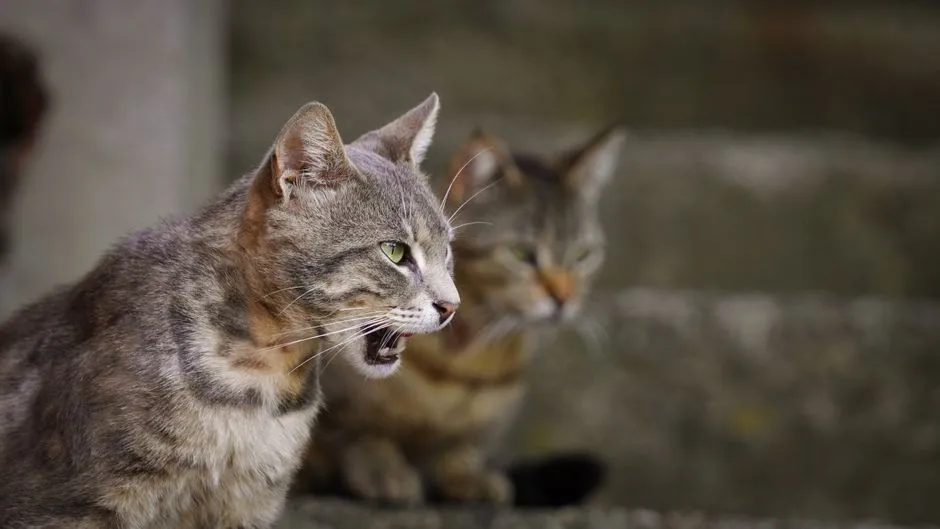
Feline cognitive dysfunction syndrome (CDS) is an age-related cognitive deterioration that presents with specific behavioural changes that after thorough investigation cannot be attributed to any other medical condition. Inappropriate vocalisation, especially at night, is one of the behavioural changes in cats with CDS. It’s the feline equivalent of dementia, and it’s more common than most owners realize.
A 2020 study of senior cats found that increased vocalization was reported in over 58% of elderly cats during the day and more than 30% at night, 55% experienced new house-soiling issues, and more than a third of cats showed increased affection and dependency on their owners. These are not minor behavioral quirks – they’re clinical signals worth discussing with a veterinarian.
One study observed feline cognitive dysfunction syndrome in roughly 28% of cats aged 11 to 14 years, and in around half of cats aged 15 years or older. If your senior cat is suddenly more vocal in the early hours, age-related cognitive changes are a genuine possibility to rule out.
Light Exposure Shapes When Cats Feel Active

Cats actually follow a crepuscular pattern, meaning they are most active around dawn and dusk. This rhythm is shaped by their evolutionary past as hunters, but it’s also heavily influenced by indoor lighting, human schedules, and the modern home environment. Artificial light in the evening can shift a cat’s internal rhythms, sometimes pushing activity later – which still tends to land near dawn.
Within domestic cats, the crepuscular beings display behavioral activity patterns that synchronize with natural light conditions, particularly changes in spectral power distribution and light intensity during sunrise and sunset. As natural light begins filtering through windows at 5 AM in the warmer months, your cat’s biology responds before you’re even aware dawn has arrived.
Practical Fixes That Actually Work
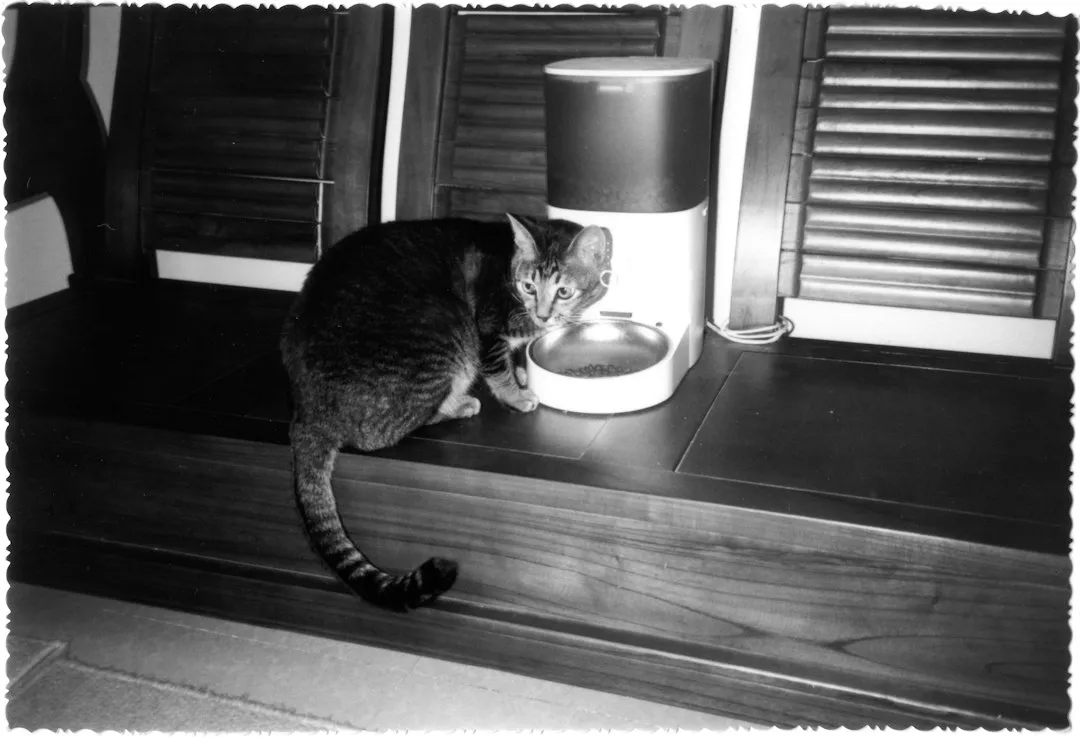
If your cat is waking you up because they truly are hungry, an automatic feeder can be a lifesaver. Simply set the feeder to dispense a small amount of food in the timeframe when they typically wake you up. This removes you from the equation entirely, and the cat’s association gradually shifts from “wake the human” to “wait for the machine.”
Cats that are fed and played with on a predictable schedule, especially later in the morning, may gradually shift their expectations and reduce pre-dawn disturbances. Shifting feeding times incrementally – even by fifteen minutes every few days – can meaningfully retrain a cat’s expectations over several weeks.
Around 11% of owners in the UK say being frequently woken up is one of the behaviours they wish to change about their cat. That figure is almost certainly an undercount. What’s clear is that the solution requires consistency on the owner’s side just as much as patience with the cat.
The Takeaway
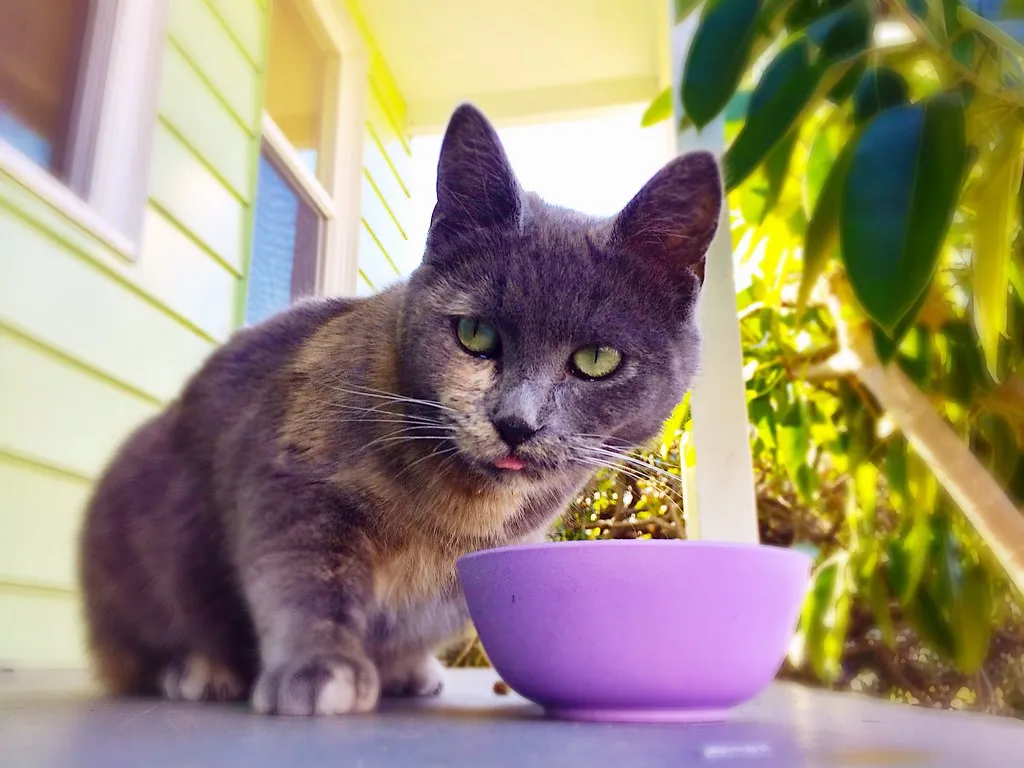
Your cat’s 5 AM wake-up call isn’t spite, and it isn’t chaos. It’s biology, memory, and a feedback loop you’ve both been building together, often without realizing it. The crepuscular drive is ancient and real. The hunger is genuine. The learned behavior is remarkably precise.
Most of the time, the fix isn’t complicated. It just requires understanding the real reason first, and then responding consistently enough to actually change the pattern. Knowing why your cat does it is, genuinely, half the battle won.
AI Disclaimer: This article was created with the assistance of AI tools and reviewed by a human editor.