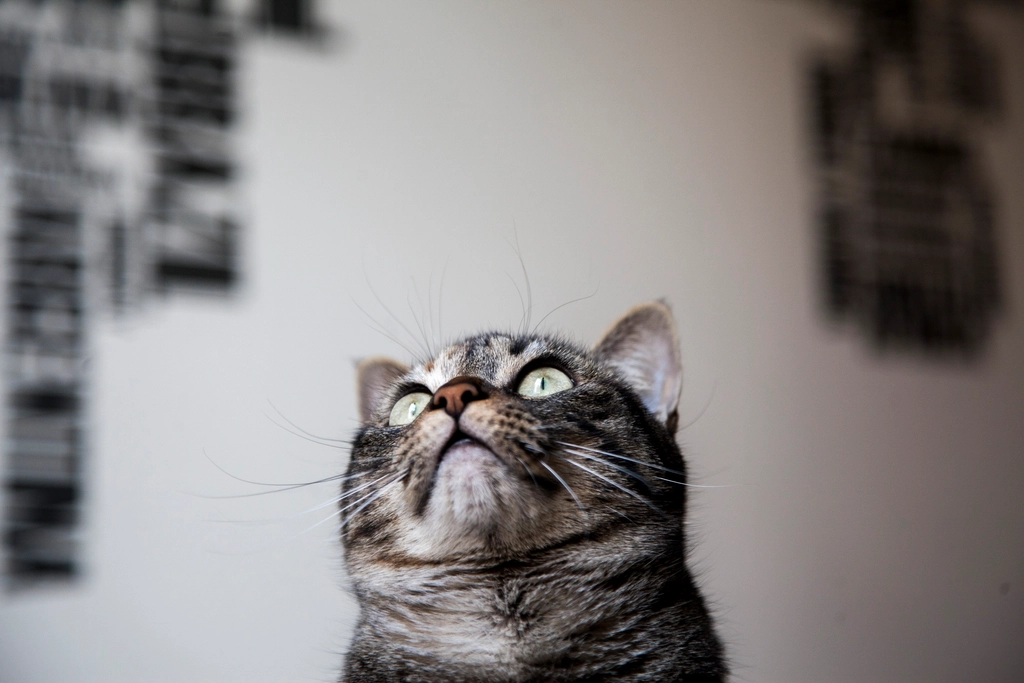

There’s a particular type of cat owner who knows this situation well. Your cat trails you to the bathroom, camps outside the shower, and curls nearby while you work. Then the moment you reach down to hold them, they vanish like smoke. It feels contradictory, even a little personal. It isn’t.
This combination of closeness and resistance is one of the most misunderstood dynamics in the human-cat relationship. It turns out the science of feline behavior has a lot to say about it, and the explanation is both more logical and more nuanced than most people expect.
Cats Really Do Form Deep Attachments to Their Owners
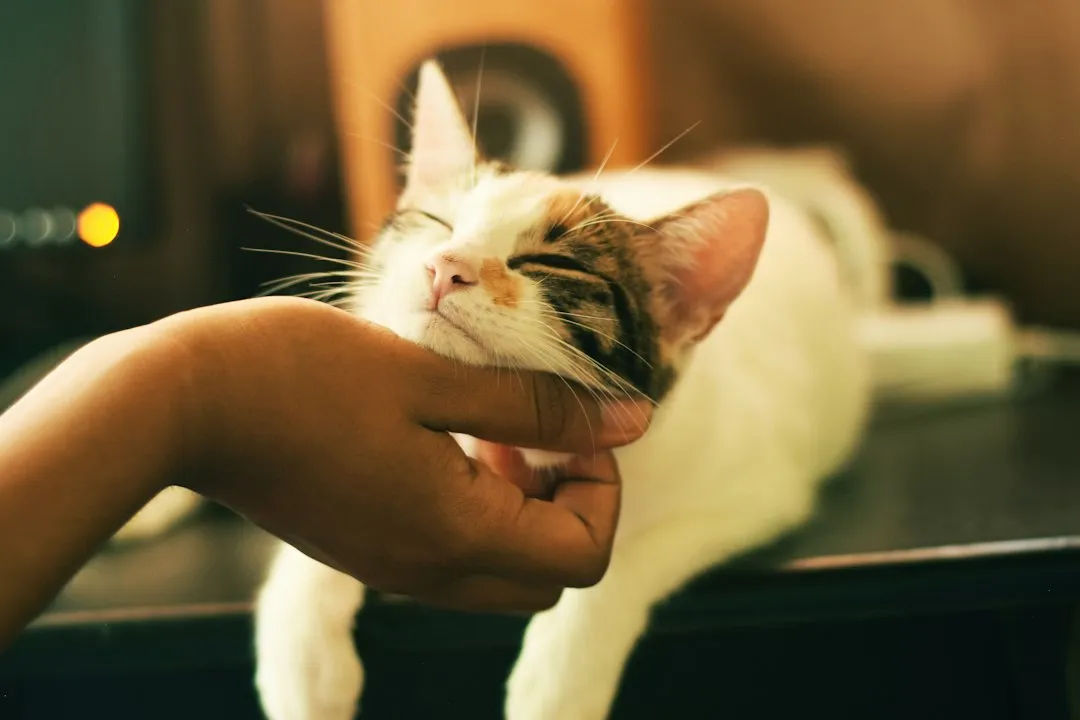
For decades, cats carried the reputation of being aloof and self-sufficient creatures who merely tolerated humans. Recent behavioral research has dismantled that stereotype, revealing that cats are socially adaptive animals capable of forming deep emotional attachments to their owners and other pets.
A study confirmed the presence of a similar capacity in cats for the formation of secure and insecure attachments toward human caregivers, mirroring what has been demonstrated in human children. That’s a striking parallel to how infant-parent bonding works in developmental psychology.
Research published in 2025 found that living environment and established bond to a person directly influence feline attachment behavior, particularly in cats exhibiting increased physical contact, vocalization, and exploratory behavior during reunions with their owners after separation. The bond is real, measurable, and meaningful.
Following You Is Their Way of Saying “I Trust You”
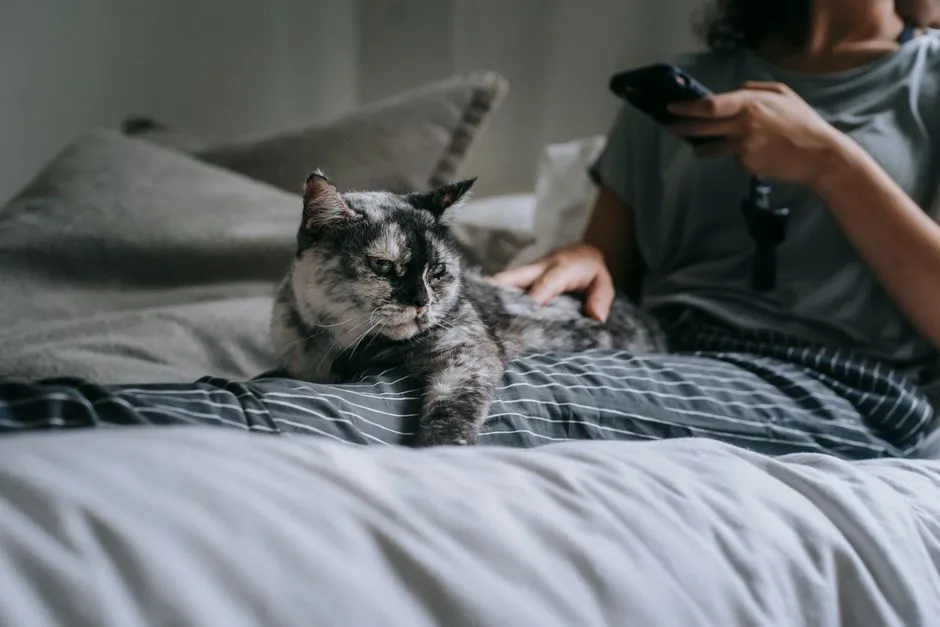
The most fundamental reason a cat follows you is that they love and trust you and want to be near their favorite person. It sounds simple, but the depth of it matters. This isn’t random wandering. It’s intentional proximity-seeking.
Cats follow their owners for many reasons including hunger, curiosity, affection, attention, or stress, but in most cases it is a normal behavior. While cats are often seen as independent, many form strong bonds with their humans.
Cats think of their home as their territory, and you are a big part of that space. When your cat follows you, they’re checking to make sure their world stays safe and that nothing changes without them noticing. They don’t like parts of their territory being blocked off, and they want to stay connected to every part of their space.
Curiosity Plays a Bigger Role Than People Realize
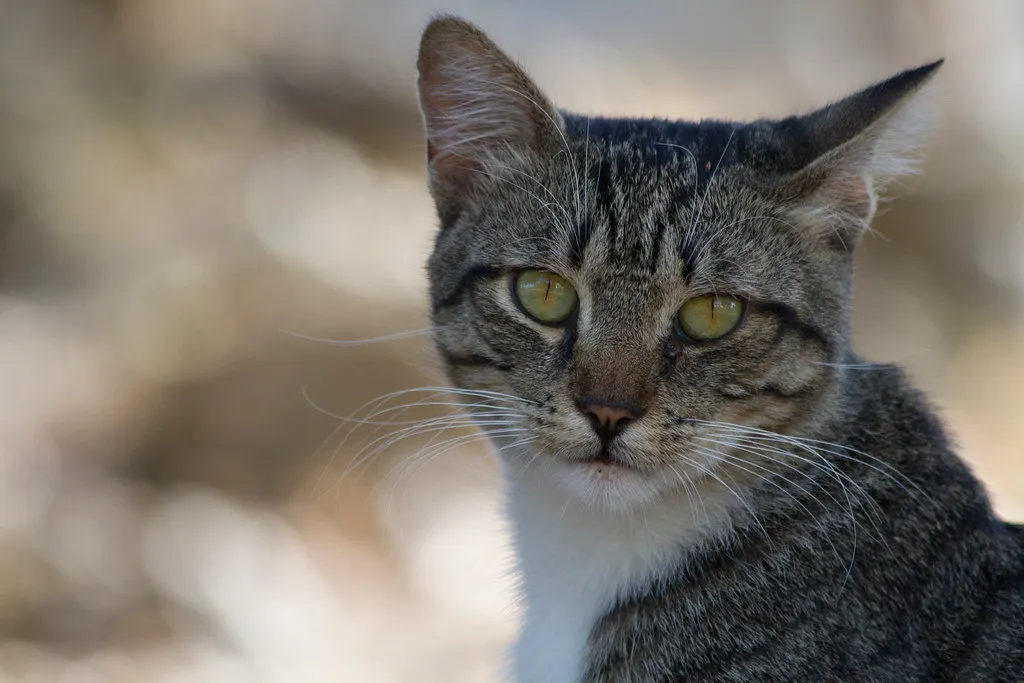
Many cats like to follow their owners around because they are naturally curious. They love to explore every nook and cranny, and they’re genuinely interested in what you’re doing, especially if you go into a room or open a cabinet they don’t usually have access to.
Cats are also remarkably good at noticing patterns. Your cat watches what you do and learns what happens next. They might figure out that going to the kitchen means food, or that picking up your keys means you’re about to leave. Following you helps them stay in the loop.
There’s even a term floating around in the feline behavior community for this. Researchers have described the phenomenon as “feline FOMO,” where cats follow their owners simply to ensure they don’t miss out on something exciting. It’s an amusing label, but it reflects a genuine behavioral pattern.
Being Lifted Feels Like Being Caught by a Predator
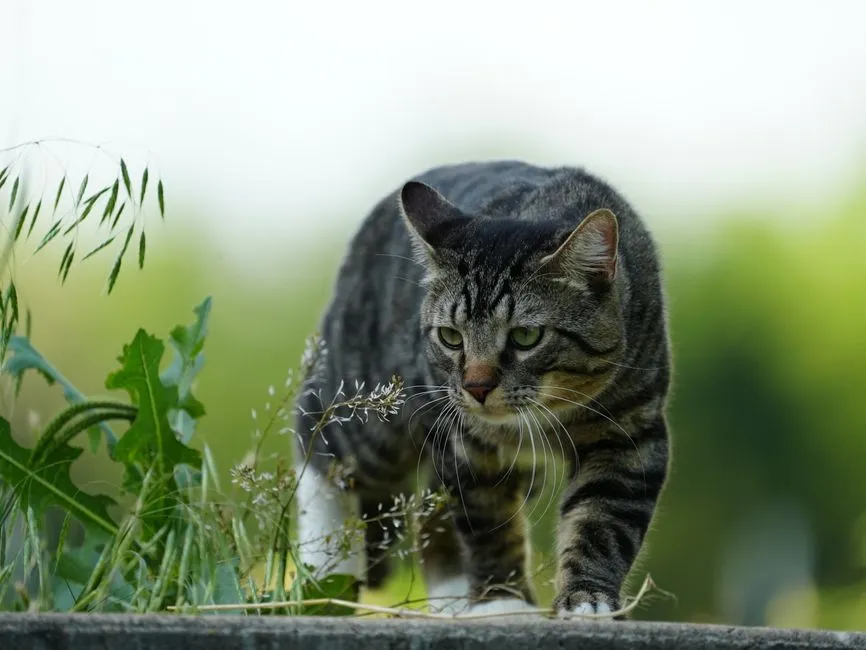
Here’s the core tension: following you is voluntary, and being picked up is not. That distinction matters enormously to a cat.
Being picked up and held is not a natural feeling for a cat. In fact, it is more akin to being swooped on and picked up by a predator, and some cats are less tolerant of these instinctive emotions than others.
We haven’t done much selective breeding with cats, which means today’s housecats aren’t all that different from their wild ancestors. In the wild, what would “hold” a cat? A predator. Cats still have the instinctual need to control their situation, especially their bodies, in order to stay safe. For some cats, being held takes away their control and that sense of safety.
Loss of Control Triggers Real Stress Responses
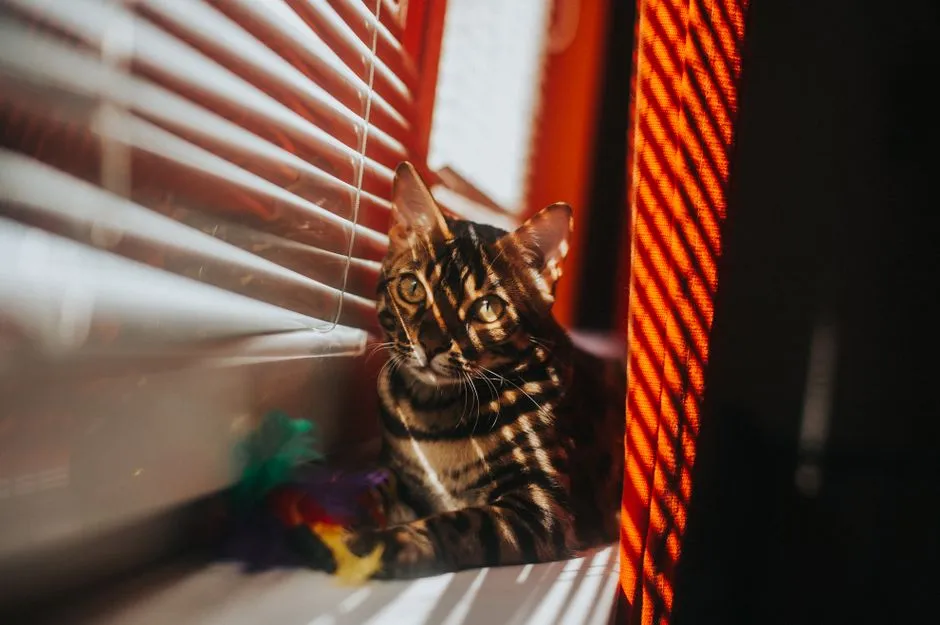
Cats are independent creatures who value their autonomy. Unlike dogs, who are pack animals and often seek physical closeness, cats prefer to maintain control over their environment. Being picked up can make them feel trapped or vulnerable, especially if they weren’t seeking contact themselves.
This loss of control can trigger stress or anxiety, leading to defensive behaviors like hissing or scratching. Cats thrive when they feel in charge of their surroundings, so forcing them into situations where they feel powerless can damage trust and increase discomfort.
Cats have evolved as both prey and predators, which influences their discomfort with being lifted. When picked up, a cat’s ability to escape and monitor its environment is compromised. Stable, elevated places provide security and a vantage point. Dangling limbs and restricted movement can trigger stress responses, making them feel vulnerable.
The Oxytocin Connection: Why Consent Matters Chemically
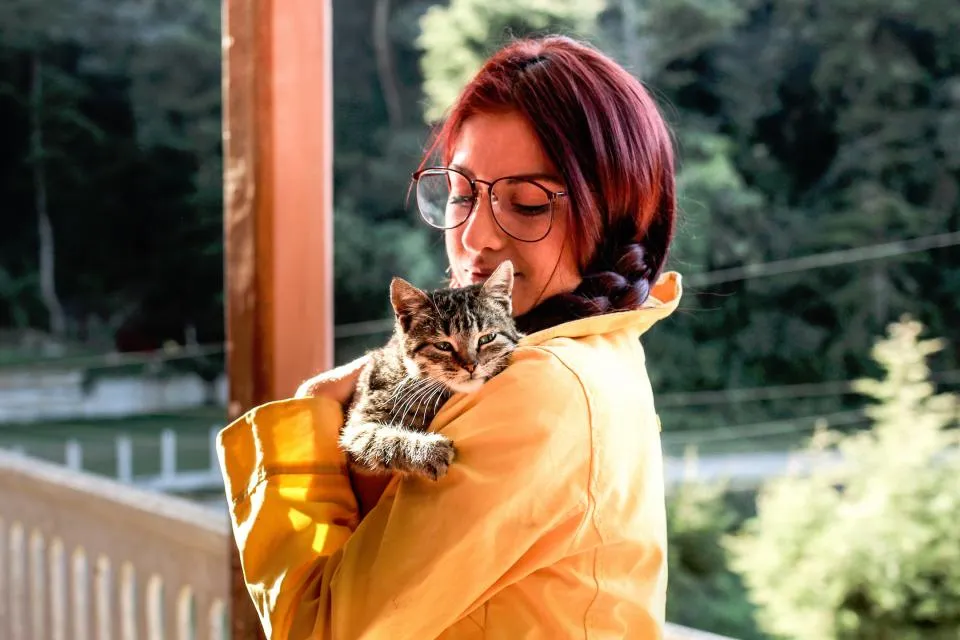
Consent isn’t just a human concept, at least not at the chemical level. A 2025 study looked at what actually happens in cats’ bodies during physical contact with their owners, and the results were revealing.
A February 2025 study found that when owners engaged in relaxed petting, cuddling, or cradling of their cats, the owners’ oxytocin tended to rise, and so did the cats’ oxytocin, but only if the interaction was not forced on the animal.
The same study noted different patterns in cats with more anxious or aloof attachment styles. Avoidant cats showed no significant oxytocin change, while anxious cats had elevated oxytocin to begin with. Oxytocin in both avoidant and anxious cats was found to drop after a forced cuddle. Forcing the interaction doesn’t just fail emotionally. It actively reverses the chemistry of bonding.
Early Socialization Shapes a Lifetime of Handling Tolerance
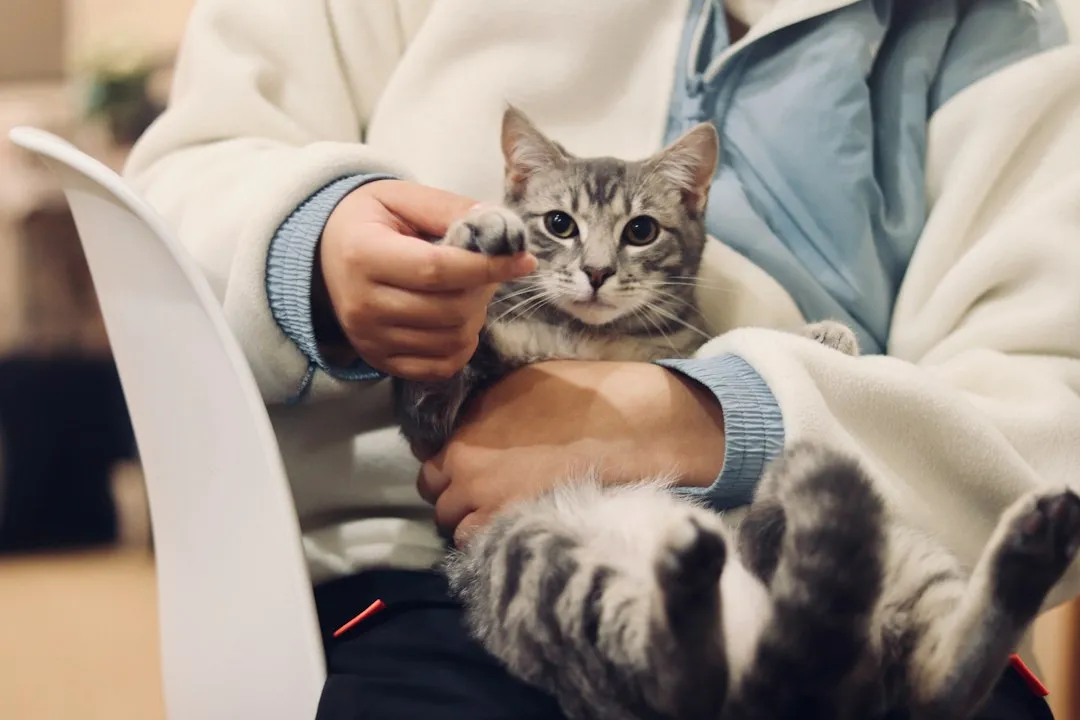
Cats that are comfortable with being held were likely socialized to it during their kitten days. Kittens that were regularly picked up and held are more likely to be receptive to it as adults. An adult cat that never experienced being held during early life may find it unfamiliar and react by leaping out of your arms.
There is a very short window for kittens to be properly socialized, typically recognized as the first three months of their lives. Miss that window, and tolerance to being held can be much harder to build later, though not completely impossible with patience.
An unsocialized cat can be shy, distrustful, fearful, or aggressive. Intentional socialization at a young age is essential for cats to be balanced later on and to be able to trust the people around them.
Negative Experiences Leave Lasting Marks
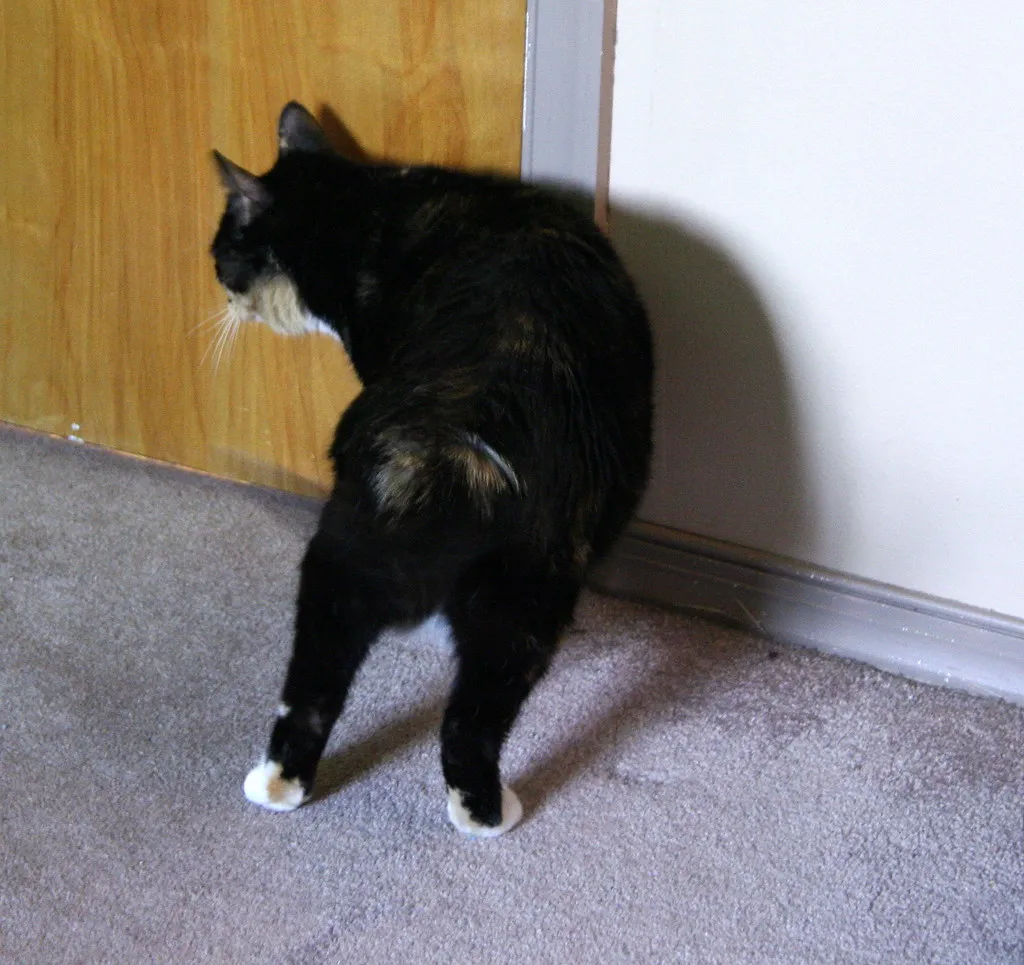
Cats learn from experience, and past unpleasant events like vet visits, baths, nail trims, or forceful handling can make a cat associate being picked up with negative feelings. The connection forms fast and often sticks.
Negative experiences that occur around the time a cat has been picked up, like painful or stressful trips to the vet, can leave a very bad association and may lead to anxiety around being held later on. This is one reason why the vet carrier alone can send some cats into hiding for hours.
Past experiences such as vet visits or rough handling can create negative associations with being picked up, and these memories can lead to lasting fear and avoidance. From your cat’s perspective, that reaction isn’t an overreaction. It’s learned self-protection.
Pain and Health Changes Can Shift Behavior Suddenly
If you notice that your pet suddenly no longer likes you to hug, caress, or hold them, it could be caused by a physical or mental illness. Dementia or arthritis can also cause personality changes in cats, so visiting the vet is wise if you suspect your cat may be suffering from health problems.
Sometimes, especially in older cats, being picked up is physically uncomfortable due to illness or injury. Arthritic cats may find it unpleasant to have their bodies manipulated and squeezed while being picked up or held, and may resist strongly for that reason.
Some cats have sensitive areas or underlying health issues such as arthritis, joint pain, or injuries that make being held painful. Older cats in particular may struggle with being picked up due to age-related stiffness. If your cat suddenly starts resisting being held, it is worth consulting your vet to rule out any medical issues.
Breed and Personality Play a Role Too
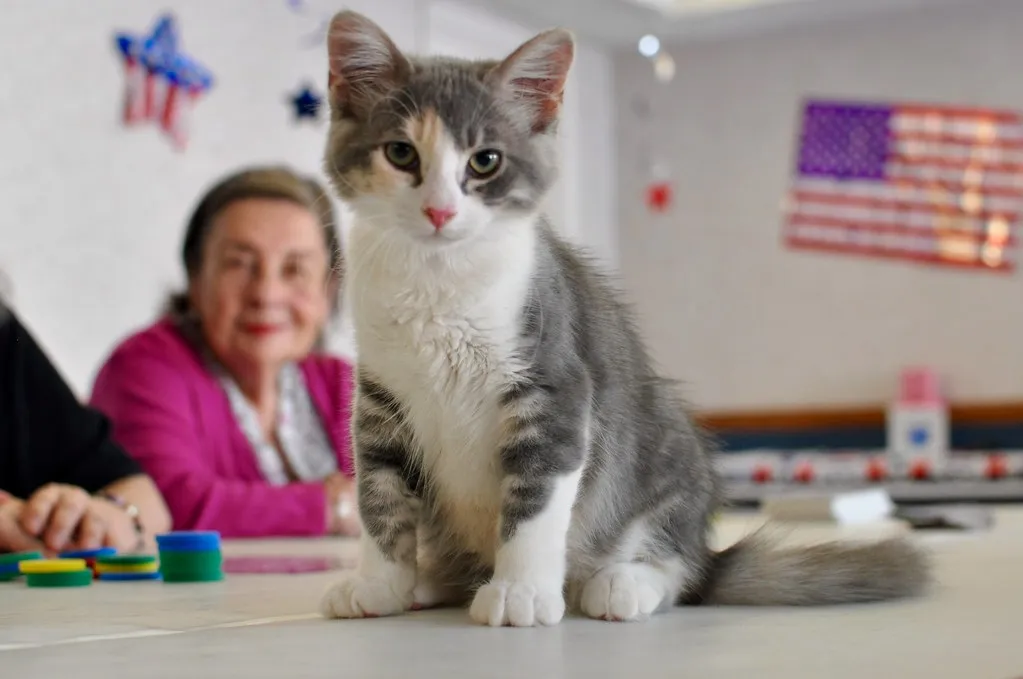
Not all cats are wired the same way, and breed tendencies are a genuine factor. Certain cat breeds, such as Bengals and Abyssinians, are known for their independent and less affectionate nature. These breeds may not appreciate being picked up and may react aggressively when held.
Some cats don’t mind being held, some enjoy it immensely, and others absolutely hate it, and the reaction will depend heavily on the individual cat. Breed sets a tendency, but personality and history fill in the rest of the picture.
Research comparing therapy cats to regular companion cats found significant differences in attachment behavior. Therapy cats scored higher in attachment and acceptance, and lower in anxiety, suggesting that training helps cats feel more secure in unfamiliar environments and increases their sociability with unfamiliar humans. Individual experience shapes a cat’s comfort levels more than most people assume.
The Takeaway: Proximity on Their Terms Is Still Love

The cat that follows you room to room and then dodges your arms isn’t sending mixed signals. They’re telling you something precise: I want to be near you, but I want to choose when and how we touch. That’s not rejection. That’s a boundary, and a healthy one.
A cat that dislikes being picked up is not being rude, difficult, or unloving. For many cats, being lifted removes their control, restricts their movement, and makes them feel less secure. The following behavior and the resistance to being held can coexist without contradiction.
If you want to build a stronger physical relationship with your cat, the research is consistent: let them initiate. Sit nearby, let them come to you, and reward any voluntary contact. The bond that forms from earned trust tends to run deeper than anything you can create by simply tightening your hold.
AI Disclaimer: This article was created with the assistance of AI tools and reviewed by a human editor.