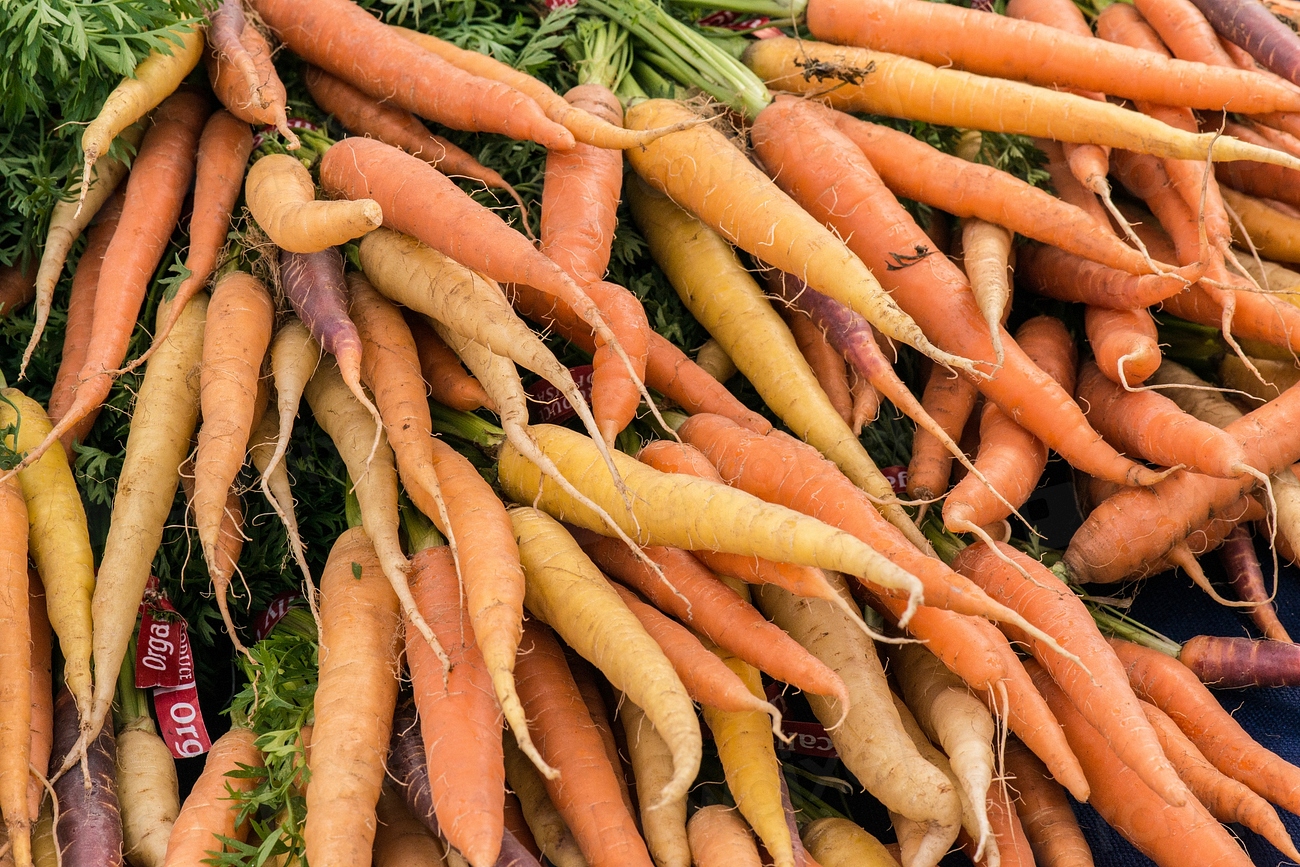

The Obstacle in the Dark
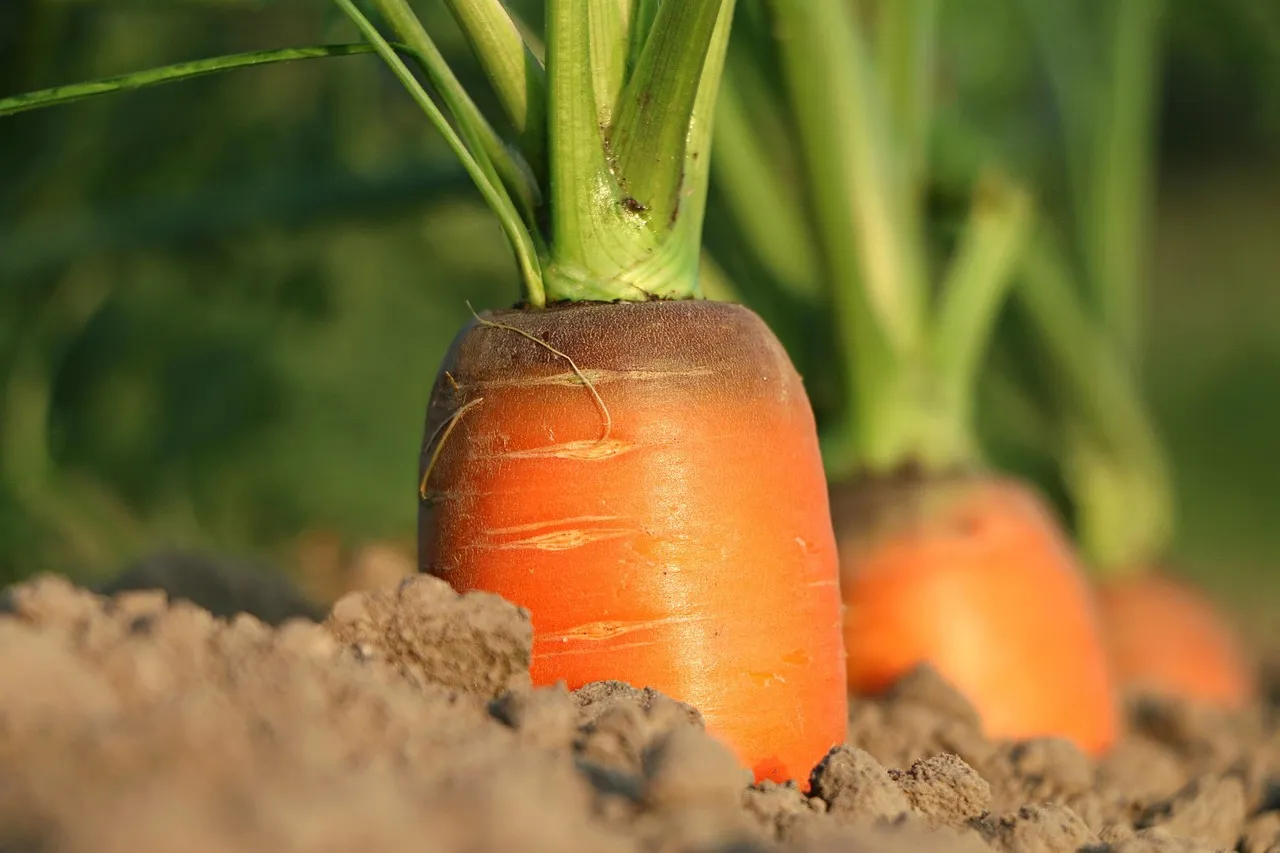
Forking is the most frequently reported carrot problem, and it has a consistent underlying mechanism: the taproot hit an obstacle. When a carrot root encounters resistance, whether a stone, a dense clod of soil, an undecomposed chunk of organic matter, or a compacted subsoil layer, it splits to navigate around the blockage.
The result is two to four prongs growing around the obstacle rather than through it. The more obstacles present in the top eight to ten inches of soil, the more severe and unpredictable the forking. It’s a simple survival mechanism, but it’s one that ruins a lot of harvests.
Compacted Soil Is the Biggest Culprit
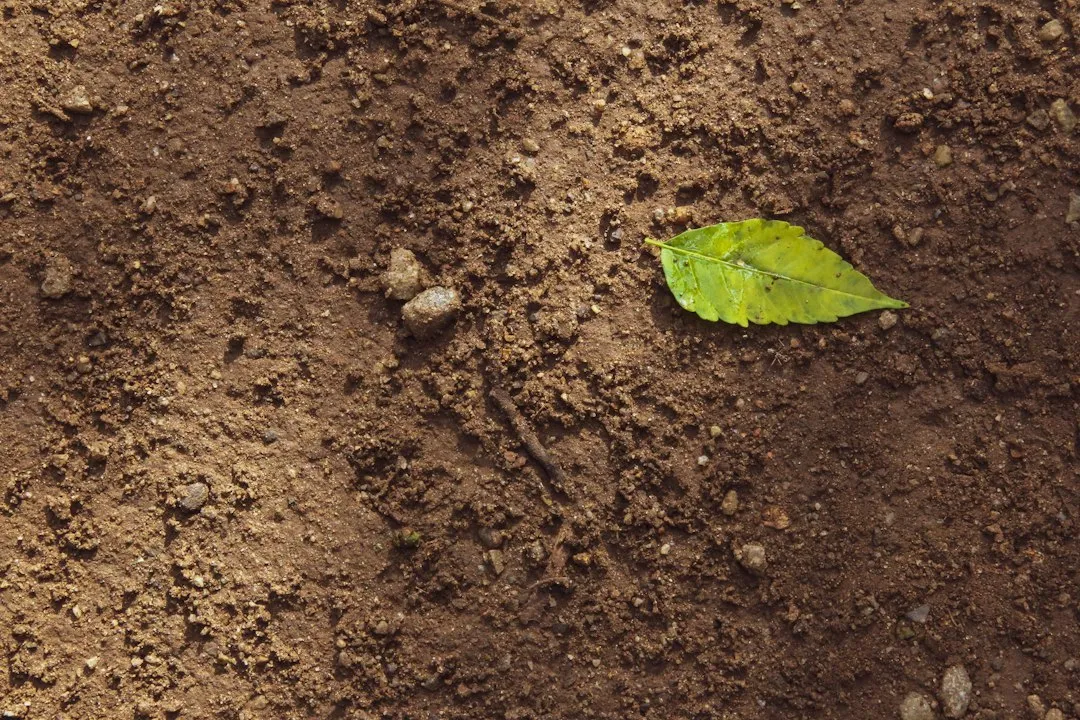
The type of soil carrots are planted in directly impacts their shape and size. As a carrot plant’s taproot grows, it will follow the easiest growth path available. Compacted soil hinders that growth path and is one of the main causes for carrots to become deformed in shape.
Compaction and stones are the two biggest causes of forked roots. Carrots are taproots, and when they hit a compact layer or a rock, they split into multiple roots. The practical fix is to loosen the bed to at least twelve inches deep with a garden fork, avoid walking on the bed, and remove stones larger than about twelve millimeters.
Rocks and Gravel: The Hidden Hazard
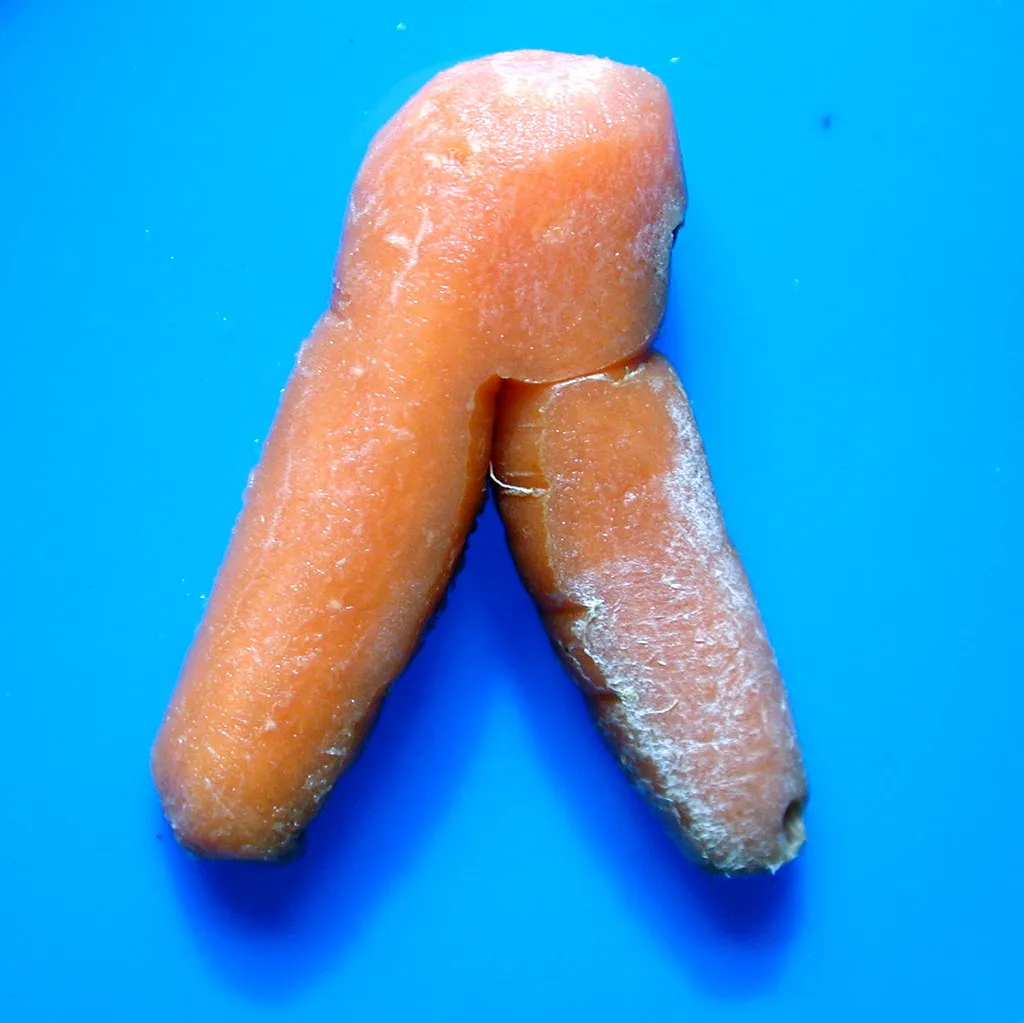
One of the most common types of carrot deformity is the forked shape, which occurs when the carrot develops two or more arms that branch off the main root. These are often caused by rocky soil conditions that force the carrot to grow in different directions.
Stony and rocky soil is the most common cause in established garden beds. Even a single stone the size of a golf ball at eight inches depth will cause multiple roots in its vicinity to fork. Rocks and clods of dirt in the soil can also be problematic, causing carrot roots to grow crooked or to branch. When preparing beds for planting, sift through your soil and remove any rocks, clods, sticks, or large pieces of organic matter that have not broken down.
Overcrowding Underground
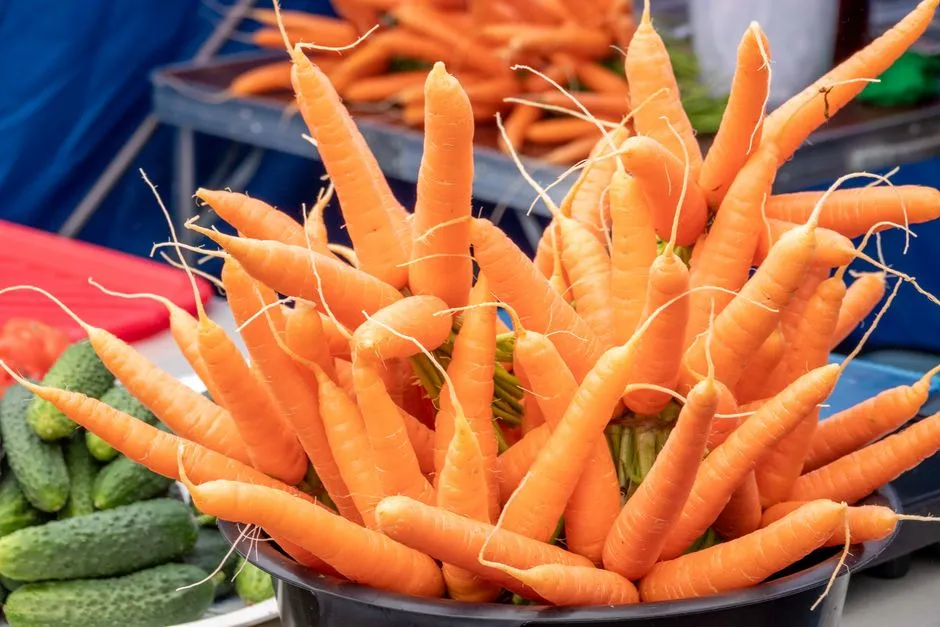
Research published in the Journal of Biology, Agriculture and Healthcare found a clear relationship between plant density and number of deformed roots. The higher the density, the more deformities were found.
Tightly grown carrots can twist around each other, causing problems that you can’t see until it’s too late at harvest time. If another carrot is too close to its neighbor, they can cause each other to fork if they cross paths below the ground. To prevent this, seedlings need to be thinned when they are three to four inches tall. Otherwise, they will end up twisting around each other and forking rather than growing straight.
Watering Inconsistency and Its Consequences
Inconsistent watering can contribute to forking and deformation. When the soil dries out and then gets heavily watered, it can cause irregular growth patterns. The carrot root is sensitive to these swings and responds by growing erratically.
Carrots may also crack open if there was a dry spell followed by heavy rain. It’s the same issue that affects tomatoes, which split when there’s a sudden onslaught of water after a period of drought. You can reduce the chances of this happening by mulching your carrot bed and keeping the soil evenly moist.
The Nitrogen Problem: Too Much of a Good Thing
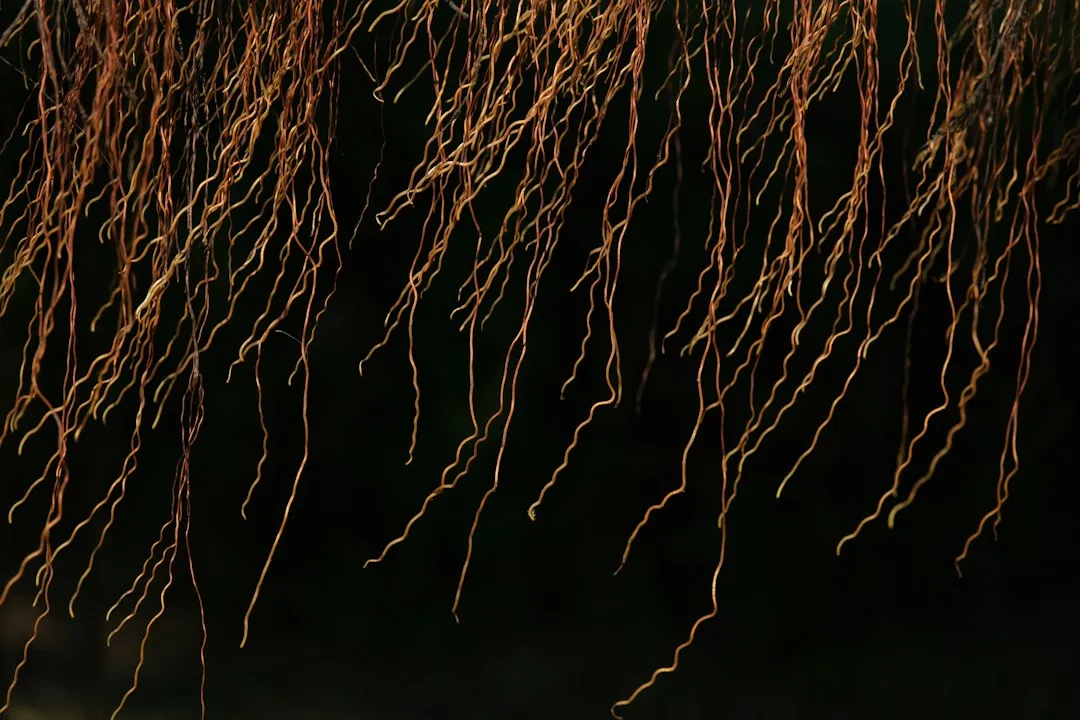
Root branching, sometimes called hairy roots, is when you see a multitude of feeder roots branching off of your carrot. It’s a sign of too much nitrogen in your soil. Carrots don’t need extra nitrogen the way a lot of plants do.
Fresh manure contains more nitrogen, which promotes branching, forking, and hairy roots. If you use commercial fertilizer, work a balanced fertilizer into the soil prior to planting seeds. A lower ratio of nitrogen to phosphorus and potassium is recommended for growing root vegetables, fruits, and flowers, compared to leafy greens and ornamentals that require more nitrogen for leaf production.
Transplanting: A Mistake Worth Avoiding
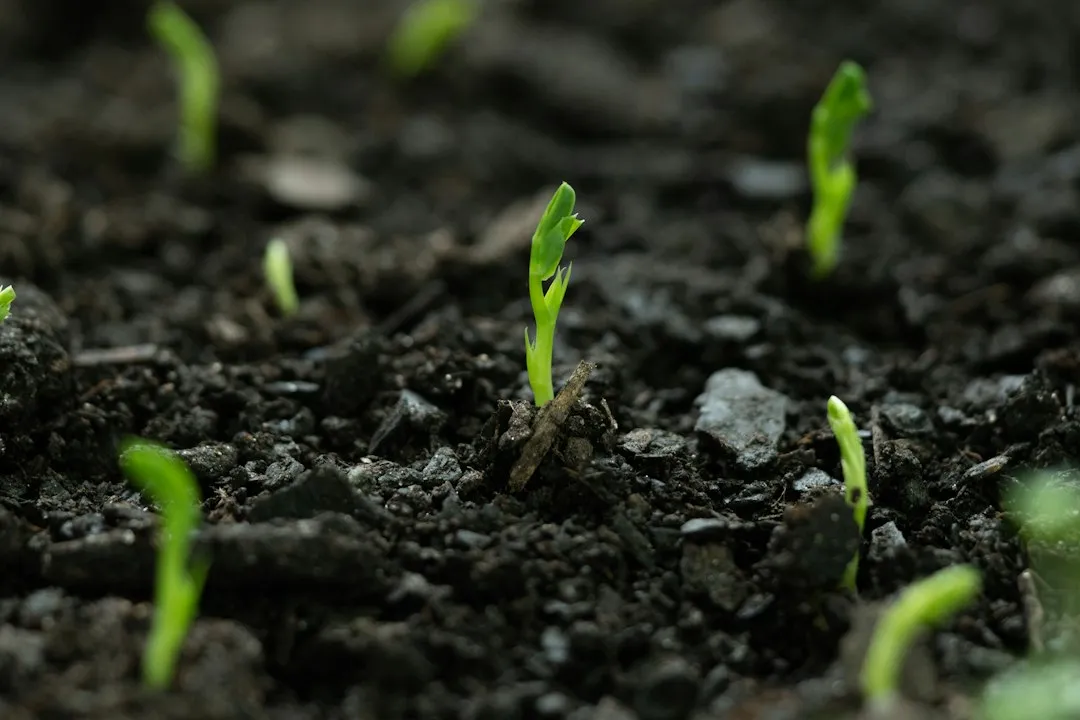
The roots of a carrot are incredibly sensitive and shouldn’t be transplanted from one body of soil to another. Transplanting carrot seedlings can cause their roots to branch and become forked, resulting in deformed carrot shapes. Avoid transplanting carrots if possible. Instead, directly sow carrot seeds in the garden where you intend to grow them.
Transplanting carrots can also cause them to become forked. Transplanting vegetables with long taproots is never a good idea, so avoid transplanting your carrots and parsnips. This is one of those cases where doing less is genuinely the better approach.
Root-Knot Nematodes: The Invisible Pest
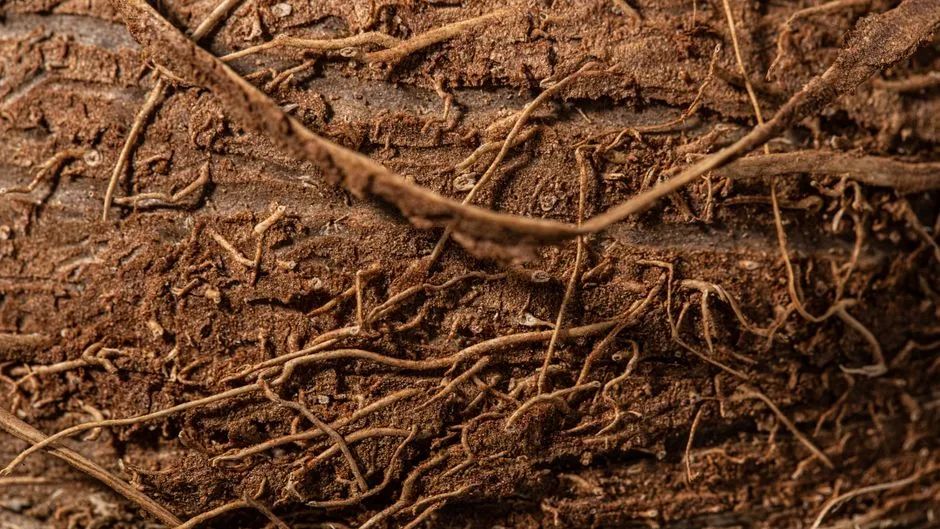
Root-knot nematodes (Meloidogyne spp.) are major pests attacking carrots worldwide, causing galling and forking of the storage roots and rendering them unacceptable for the market. They’re microscopic and leave damage that can easily be mistaken for ordinary soil stress.
Root-knot nematodes can cause substantial damage and are of significant concern. Their parasitic activity can damage the growing root, resulting in a forked, galled, or stunted taproot. Injury of the growing tip of the taproot by any species of nematode often causes forking, stubbing, and a predisposition to wilting. Typically, this taproot injury occurs within the first few weeks after seed germination.
Fungal Damage at the Root Tip
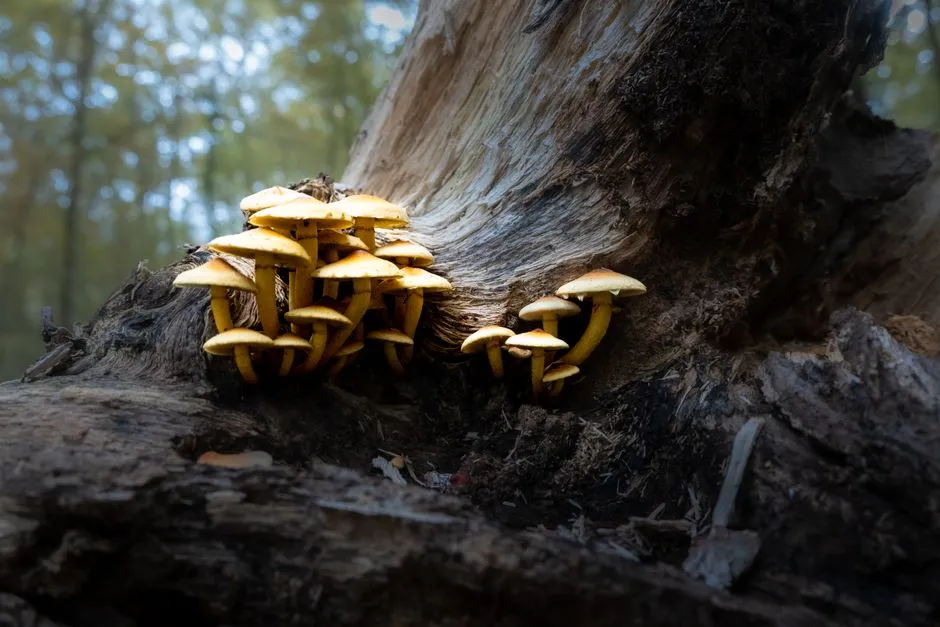
Research has indicated that forking roots can be caused by a fungus that attacks just the tip of the root as it grows, causing it to fork off in different directions. This happens even in otherwise well-prepared, obstacle-free soil, which is why some gardeners find forking puzzling despite having done everything right.
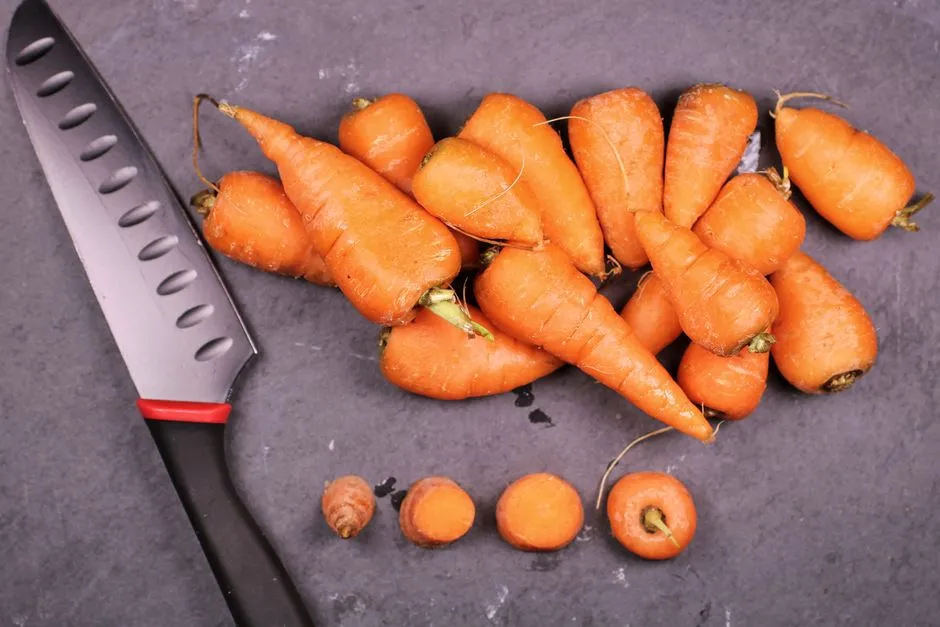
Deformed carrots can be caused by a variety of problems and may be forked, bumpy, or otherwise misshapen. These carrots are usually still edible, although the core may become woody and slightly bitter. In most cases, the flavor remains close to normal, just the shape suffers.
Soil Preparation Is the Real Fix
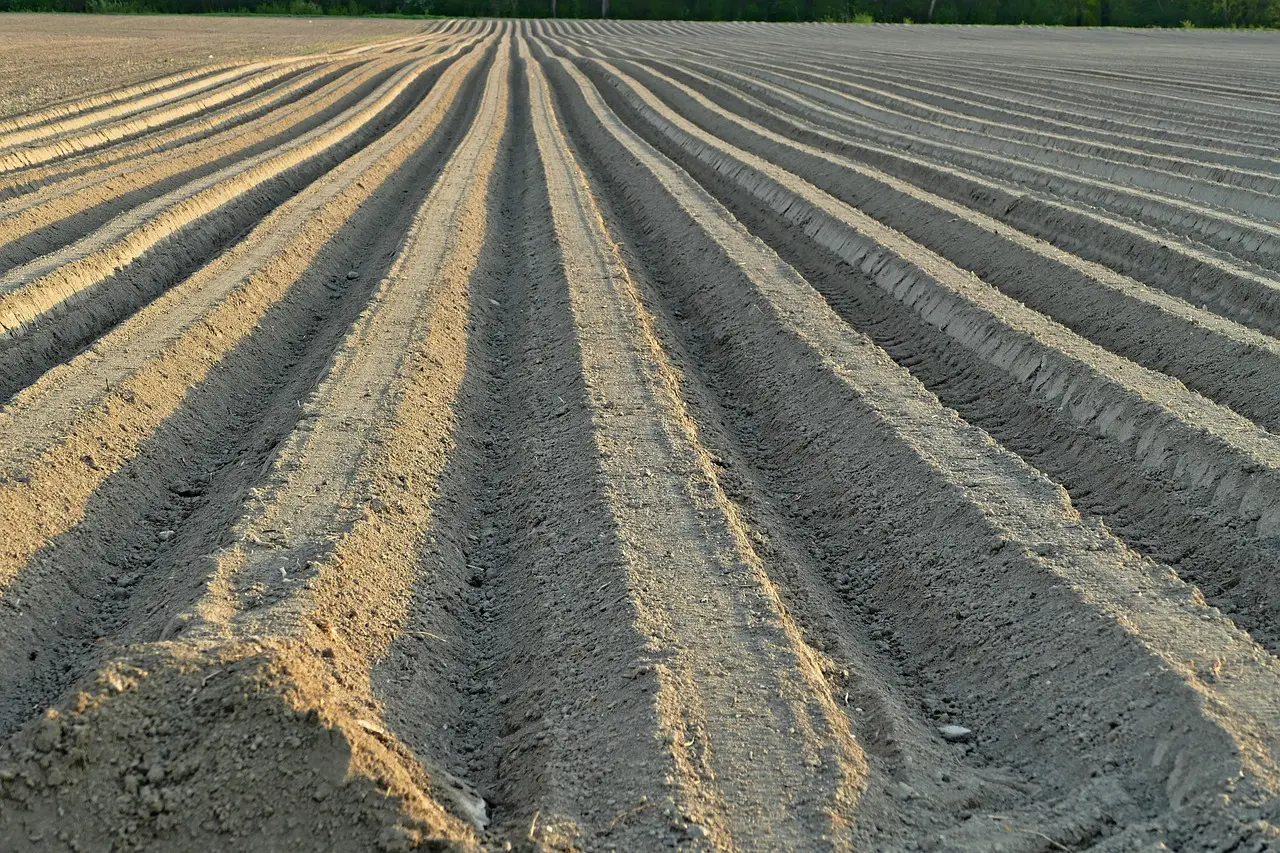
The pattern across nearly every carrot problem is consistent: most originate in soil preparation or sowing decisions made before the crop is in the ground, not in disease or pest pressure during the growing season. Soil preparation is approximately eighty percent of carrot success, and time spent on it before sowing returns far more than any in-season treatment ever can.
Carrots need loose soil that has been amended with organic matter such as compost. If soil is an issue, grow shorter-rooted carrots such as Danvers or Nantes. If soil is heavy clay, consider growing carrots in raised beds. You’ll need your soil to be loose to the same depth as the mature carrots you intend to grow. If you are growing twelve-inch roots, you’ll need twelve inches of loose soil.
The Takeaway
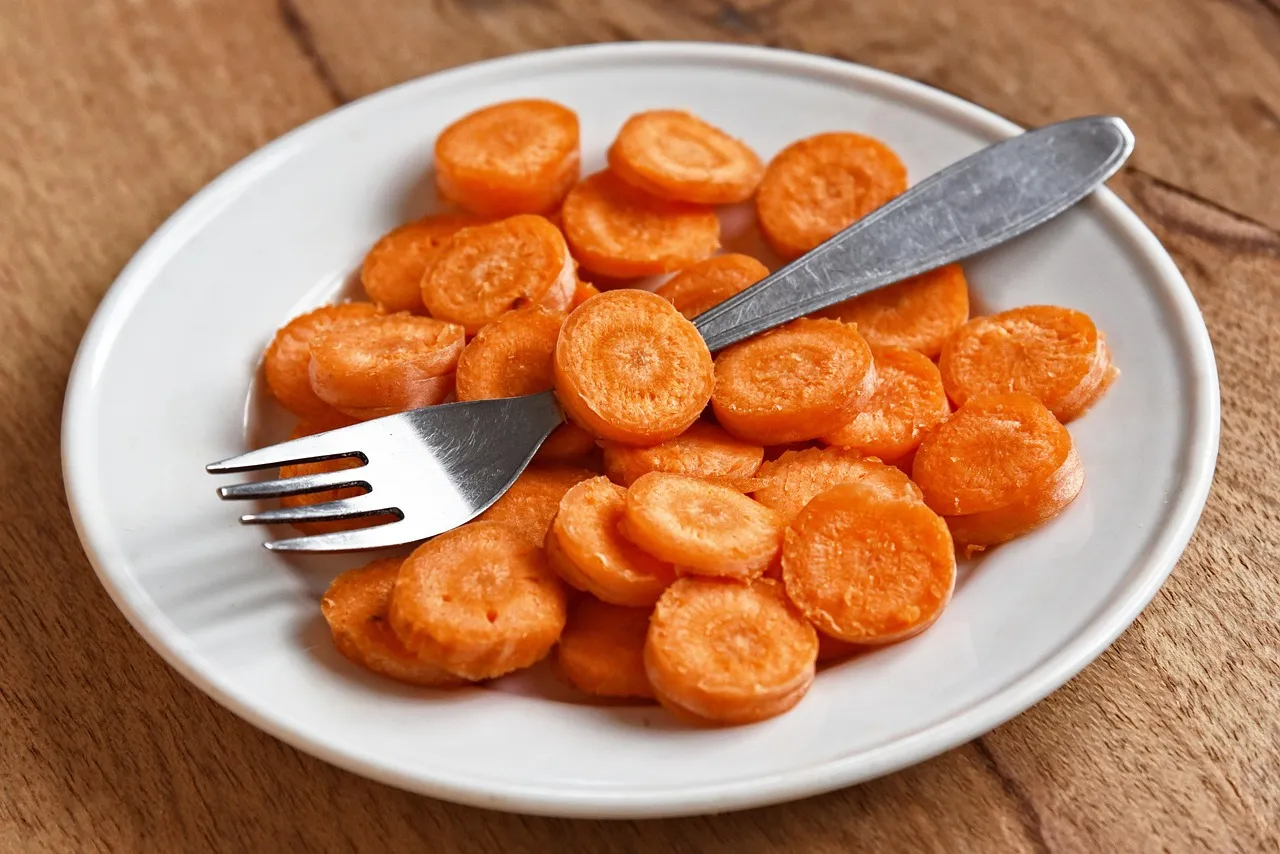
A forked carrot is honest feedback from your soil. It’s telling you something was in the way, the spacing was too tight, the moisture too erratic, or the nematode pressure too high. None of these problems are irreversible.
In most cases, misshapen carrots are still perfectly edible. You can eat them as is or add them to soups, stews, smoothies, and more. The real value in understanding why they fork isn’t about shame over an ugly harvest. It’s about giving next season’s crop a cleaner, clearer path through the ground.
AI Disclaimer: This article was created with the assistance of AI tools and reviewed by a human editor.