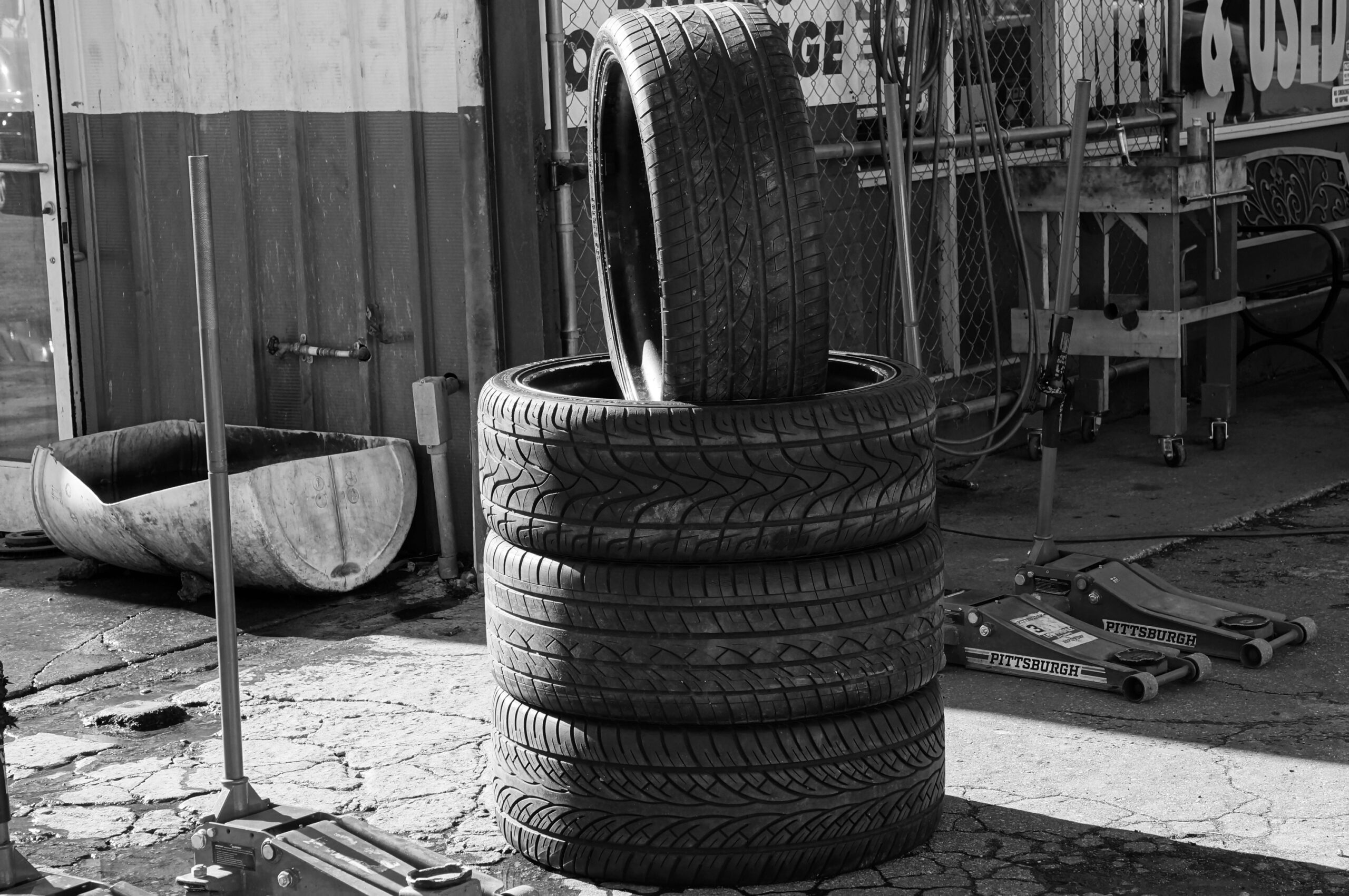

The Most Common Culprit: Wheel Alignment
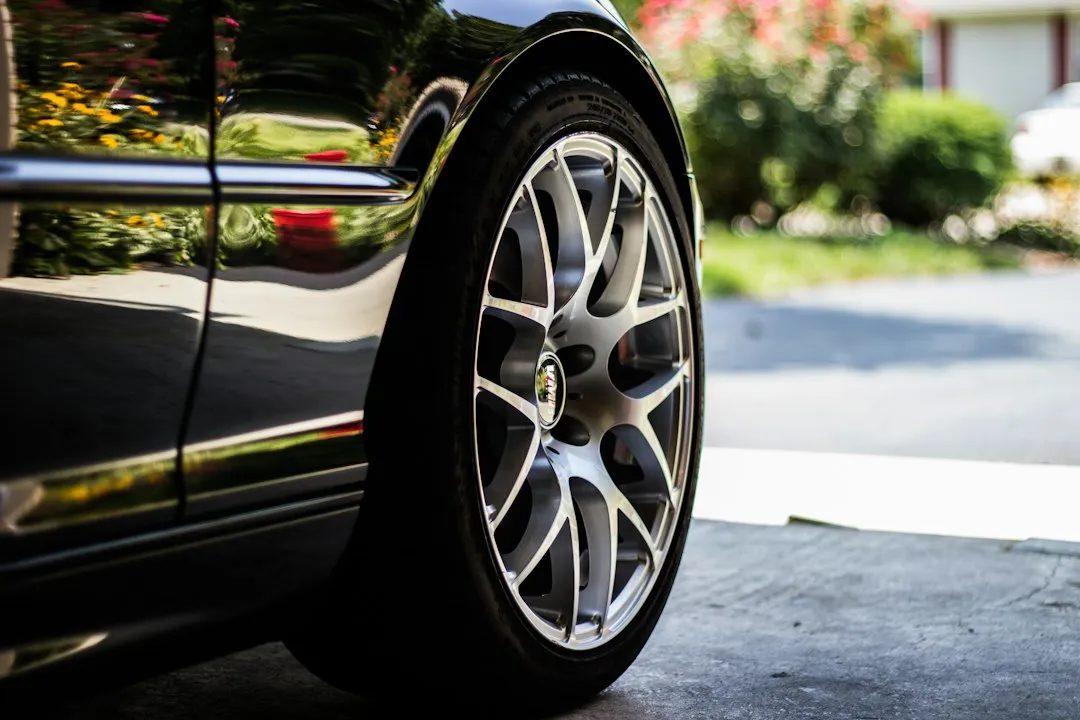
The number one reason a car pulls to one side is improper wheel alignment. Your vehicle’s alignment refers to the angles of the wheels, specifically camber, caster, and toe. When these angles fall out of spec, the tires no longer track straight – instead, they fight each other, pulling the vehicle in one direction.
Factors like potholes, rough road surfaces, and minor collisions can knock your wheels out of alignment. When this happens, the angles at which your wheels meet the road are disrupted, causing your vehicle to pull to one side.
Auto service data indicates that approximately 60 percent of steering complaints are an alignment issue, as opposed to a mechanical failure of the steering components. That’s a significant number, and it means alignment should almost always be the first thing checked.
Tire Pressure: A Simple Fix with Real Consequences
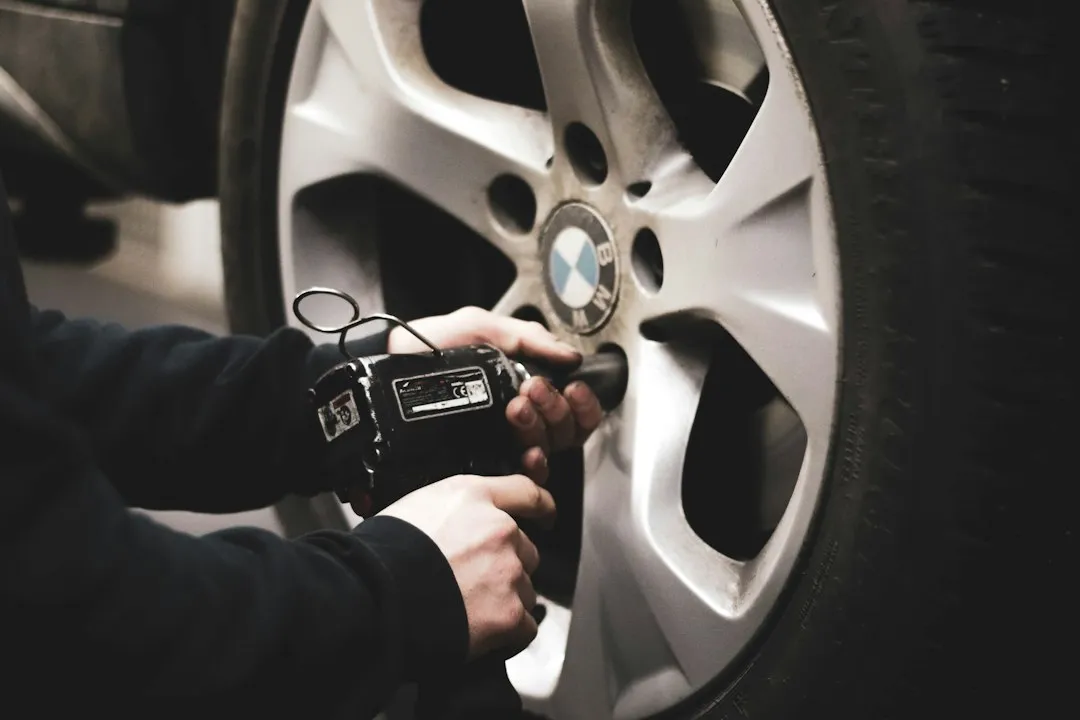
Something as simple as low tire pressure in just one tire can cause your vehicle to pull to the right or left. It can also cause extra tire wear as well as impact your MPG or range.
Underinflated tires on one side create more rolling resistance, causing your vehicle to pull toward that side. This happens because the underinflated tire has a larger contact patch with the road, creating more drag. Even small pressure differences of just 5 to 8 PSI between left and right tires can cause noticeable pulling.
Tire pressure changes with the weather: a 10-degree shift in temperature equals a 1 PSI difference in tire pressure. That means seasonal transitions, especially the drop into cooler months, are times to be especially attentive.
Uneven Tire Wear and Mismatched Tires
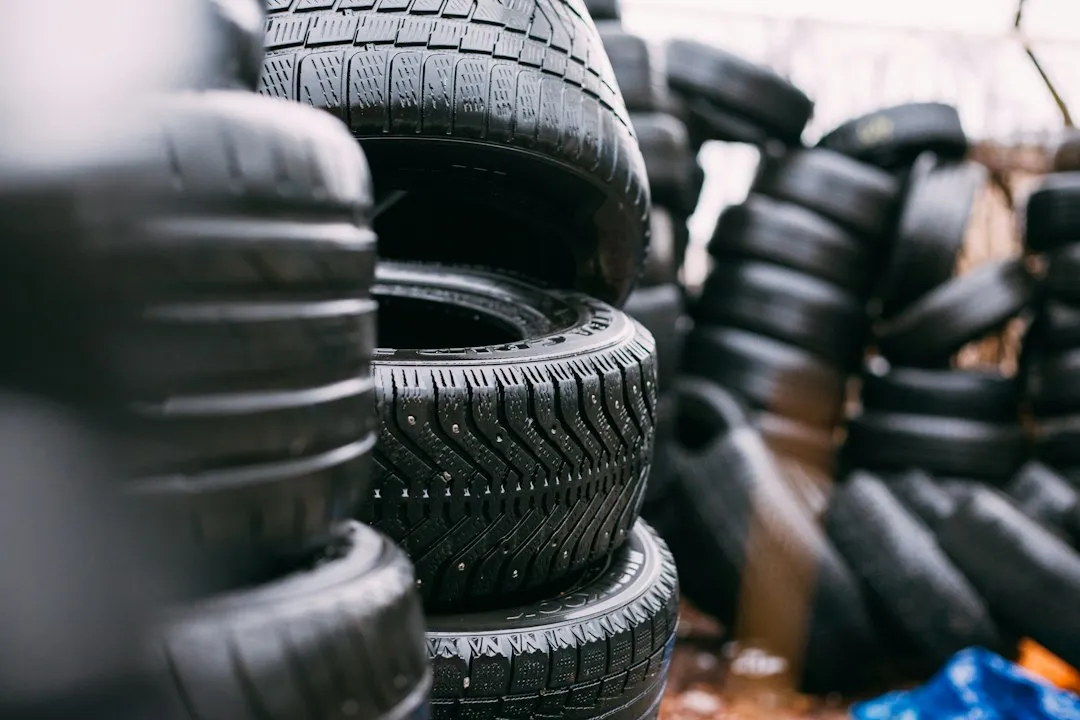
How much your tires are worn can affect how your car handles. If the tread is reduced more on one tire than the rest, your car or truck could pull to that side. That pull can also happen if the tread patterns are different due to mismatched tires or added rolling resistance.
Even slight differences in tire diameter or stiffness can affect how the vehicle tracks on the road. If you’ve recently replaced just one tire or skipped a tire rotation, that imbalance can show up as a pulling issue.
When wheels aren’t properly aligned, your tires drag slightly instead of rolling straight. According to automotive service data, this causes tires to wear out 25 to 30 percent faster than normal, meaning a set of tires that should last 50,000 miles might need replacing at 35,000.
Tire Conicity: A Factory Flaw You Didn’t See Coming
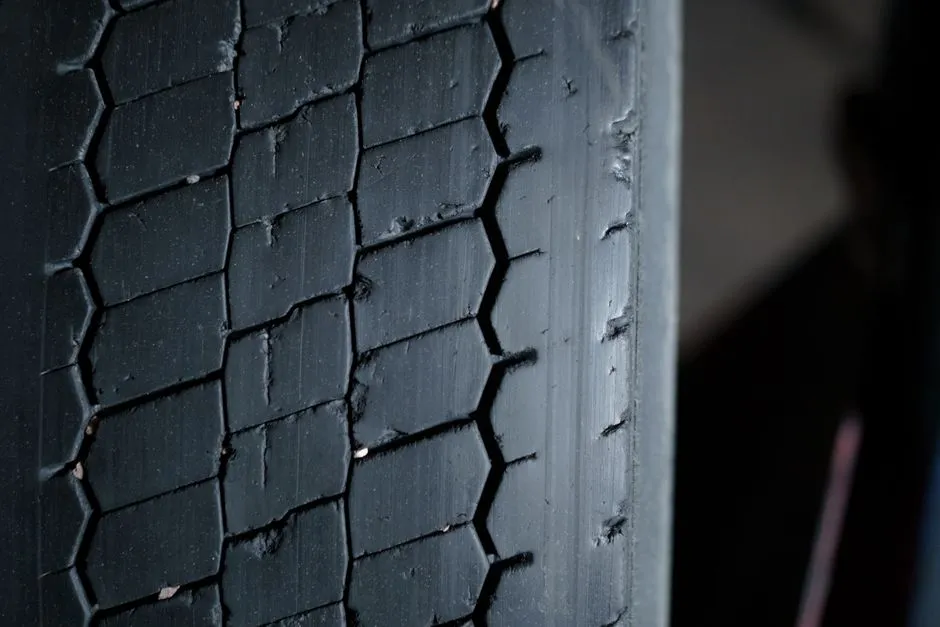
Tire conicity refers to a problem in a tire when it’s made. Sometimes during manufacturing, one of the components becomes misaligned and causes the tire tread rubber to harden in a slight cone shape, rather than the proper cylinder shape. That causes your car to pull to whatever side the defective tire is on.
Conicity is a lateral force resulting from uneven formation of the left and right sides of the tire. The direction the lateral force is exerted depends on the hardness of the side walls and the difference in height between the left and right sides of the tire. The greatest effect on vehicle pulling is most often the lateral force caused by tire conicity.
What makes conicity tricky is that it can appear on brand-new tires, making the problem easy to misdiagnose. This odd cone shape pulls your car sideways even if everything else is normal. It’s rare, but it can affect both new and used tires.
Road Crown: When the Road Itself Is the Reason
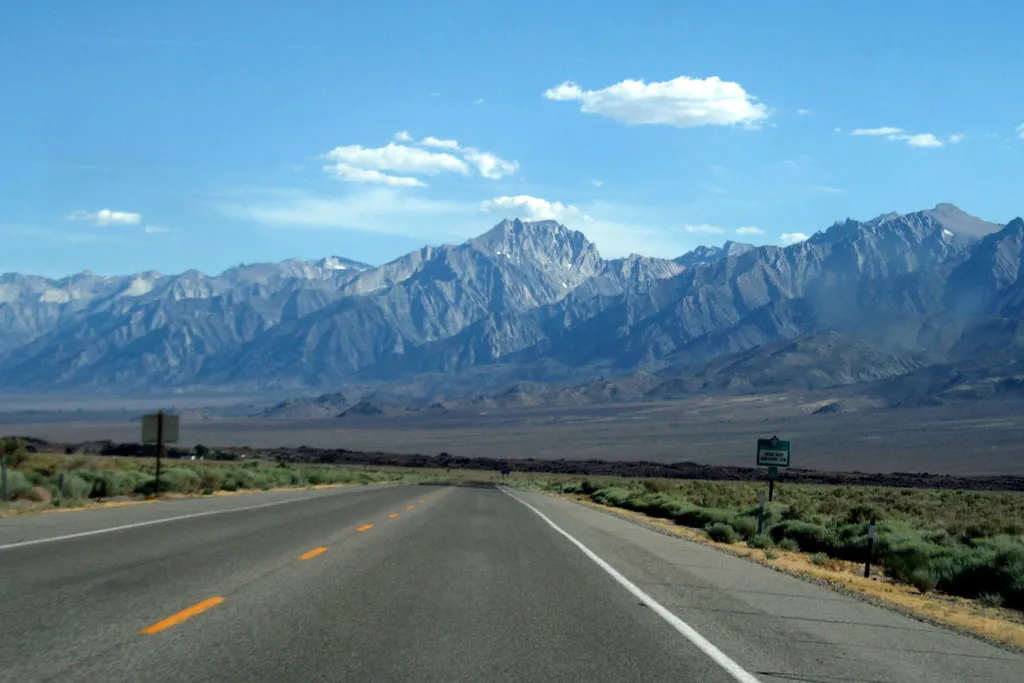
Road crown refers to the 1 to 2 percent slope built into most roadways for water drainage. On flat, straight roads this slope causes virtually every car to drift gently toward the right. It’s intentional engineering, not a car problem.
The distinction matters because many drivers bring their car in for a pull that turns out to be nothing more than road crown on their regular commute. A simple test is to drive on a flat, empty road and observe whether the pull disappears or significantly lessens. If it does, there may be nothing wrong at all.
However, if the pull is strong, consistent, and present on all road surfaces, road crown isn’t the answer. That’s when mechanical investigation becomes necessary.
Brake System Problems: When Pulling Becomes Genuinely Dangerous
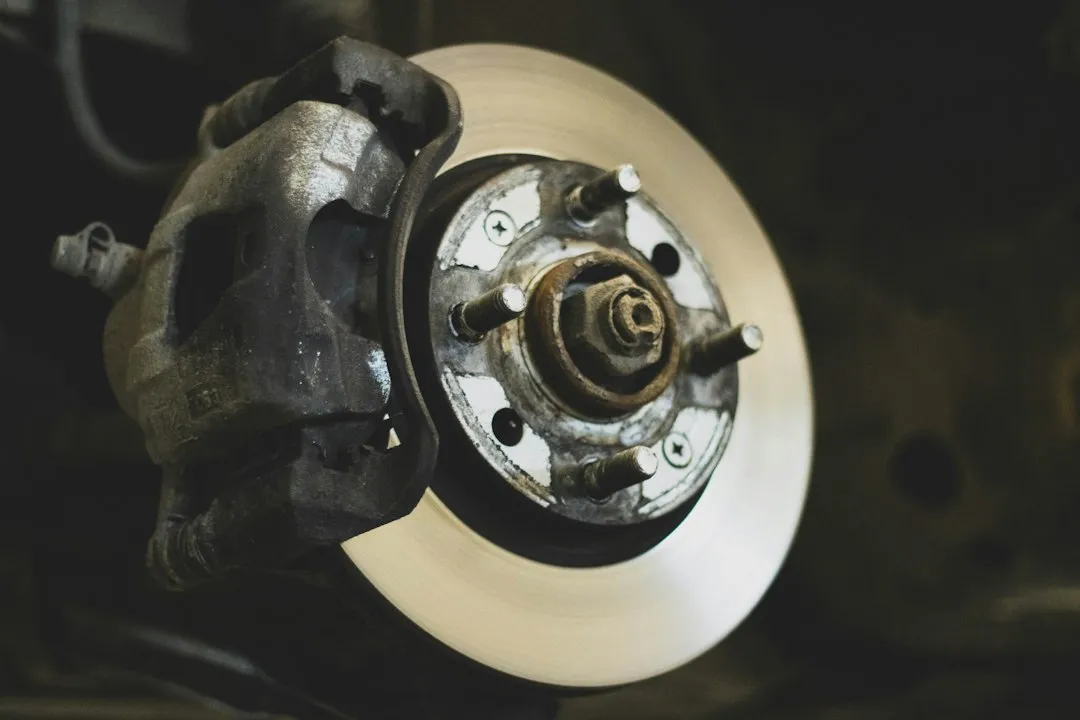
The most common reason for a car to pull when braking is a seized or sticking brake caliper. The caliper is the hydraulic clamp that squeezes the brake pads against the rotor. For it to work correctly, it must be able to move freely on a set of lubricated slide pins.
Over time, these pins can corrode or lose their lubrication, causing the caliper to stick. This can result in two different problems: either the caliper fails to apply pressure correctly, or it fails to release. If it is stuck, one brake will grab much harder than the other, causing a sharp pull toward that side.
The intense heat from a seized caliper can also warp your brake rotor, causing a steering wheel shake. Even worse, the imbalance of braking forces can cause your car to pull sharply into oncoming traffic. That last scenario is not a minor inconvenience – it’s a collision risk.
A Collapsed Brake Hose: The Hidden Danger
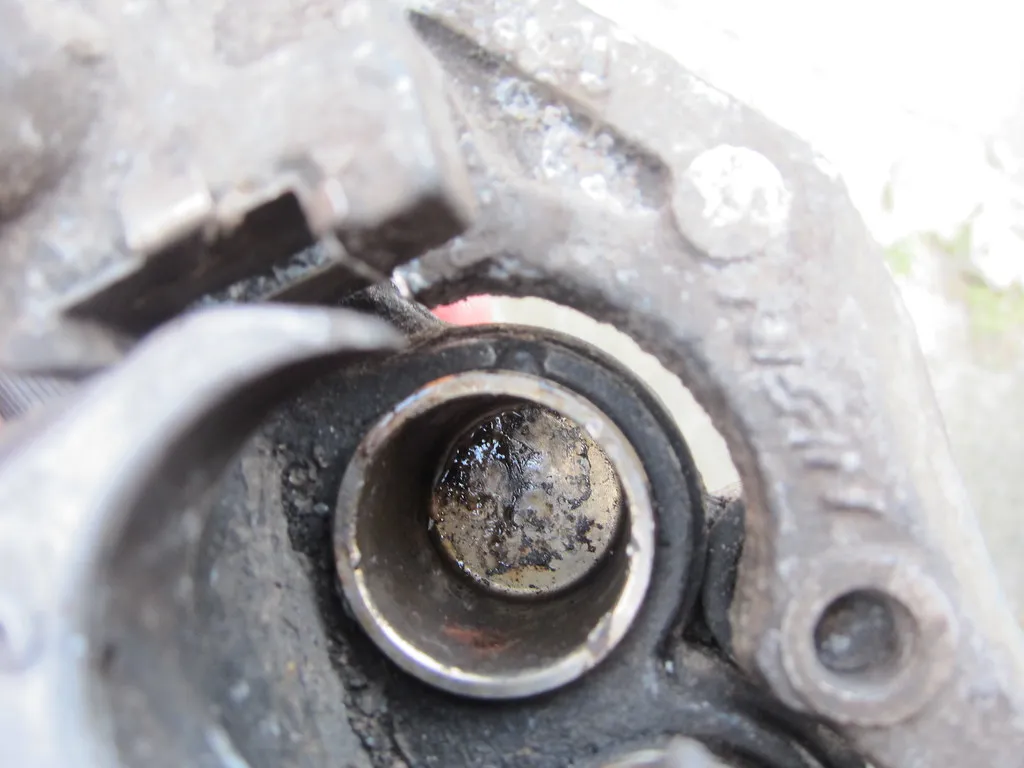
Damaged brake hoses might collapse internally, preventing proper brake fluid return and creating constant pressure on one wheel. This issue is particularly dangerous as it develops gradually and might not trigger warning lights.
A sticking brake caliper can cause your vehicle to pull to one side, wear through brake pads prematurely, and generate excessive heat while driving. The issue occurs when the brake caliper fails to fully release after you take your foot off the brake pedal, causing the brake pad to remain in contact with the rotor.
A seized caliper can generate excessive heat, sometimes exceeding 400 degrees Celsius, which can warp brake discs and damage wheel bearings. At those temperatures, the situation moves from costly to dangerous very quickly.
Suspension and Steering Component Wear
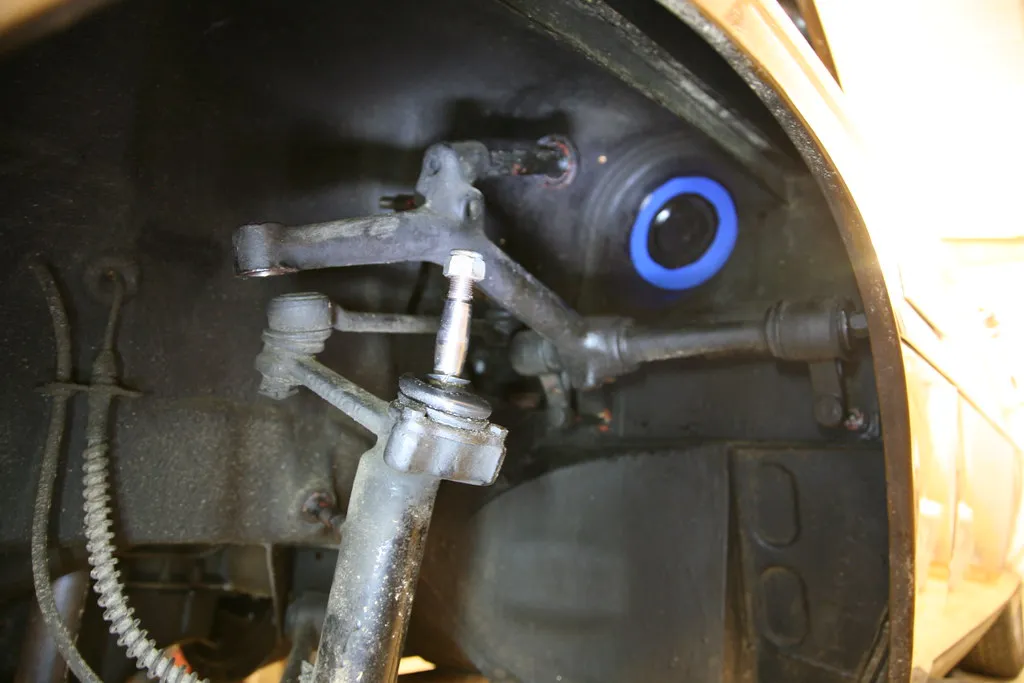
Your car’s suspension system plays a crucial role in maintaining stability and a smooth ride. If any suspension components, such as springs or struts, are worn out or damaged, it can result in an uneven distribution of weight on each wheel. This imbalance can contribute to pulling as your car’s weight is not evenly supported.
If the alignment and tire pressure seem fine, the issue could be related to the suspension system or steering components. Worn suspension parts such as shocks, struts, or control arms can cause the car to pull. A faulty steering rack or damaged tie rods can also lead to pulling. When any of these parts fail, the car’s steering can become unstable, causing it to drift.
If you hear strange grinding noises or notice your steering wheel start to pull, wobble, or shake when you turn, it could indicate a problem with your wheel bearings. Wheel bearings are what allow the wheel to rotate smoothly. If they become worn out or damaged, it increases the friction on that particular wheel and results in the car pulling to one side.
When Is Pulling Actually Dangerous?
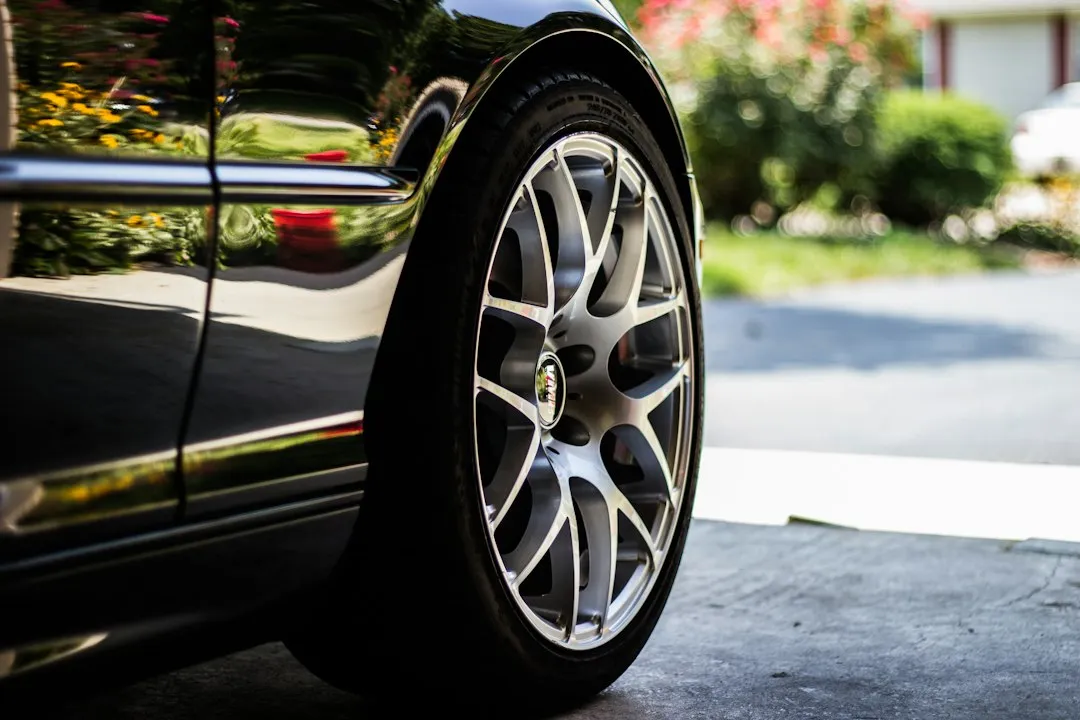
Mild misalignment gives you a window of one to two weeks before meaningful damage accumulates. Moderate misalignment, where pull is noticeable and tire wear is already visible, needs attention within days. Severe misalignment, where the vehicle is difficult to control or tires are visibly worn on one edge, is a safety risk that shouldn’t wait at all.
Poor alignment may cause vehicle pulling, which becomes particularly dangerous in wet or icy conditions. This pulling reduces your control and contributes to a higher risk of accidents. Severe misalignment can also generate excessive heat and mechanical stress within the tire structure due to constant friction and scuffing.
According to an NHTSA crash report, tire trouble accounted for about 35 percent of crashes where mechanical failure was to blame, making it the leading cause of vehicle failure crashes. Pulling caused by tire or alignment problems directly feeds into this category.
The Fuel Economy and Long-Term Cost You’re Ignoring
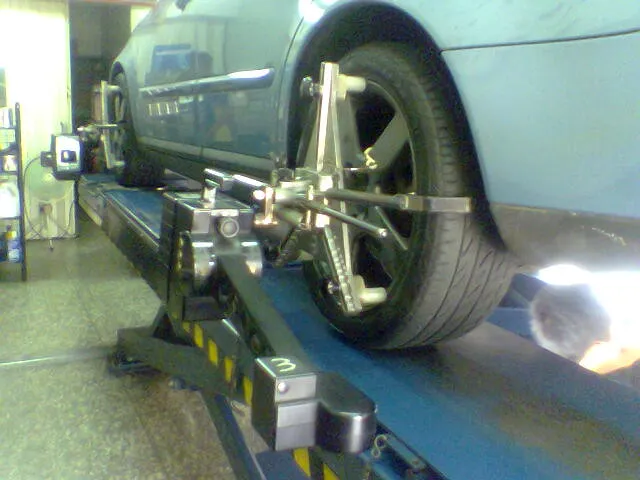
Misalignment forces your engine to work harder against the extra rolling resistance, increasing fuel consumption by up to 10 percent. Over weeks and months of daily driving, that adds up to a real expense that’s easy to overlook.
Beyond the tires, misalignment can strain various parts of your vehicle, including the suspension, brakes, and steering system. When tires wear unevenly and prematurely, replacement costs can pile up quickly. Additionally, improper alignment stresses other parts of your vehicle, including suspension and steering systems, potentially leading to additional repairs and associated expenses.
Checking your vehicle’s toe alignment regularly, following your manufacturer’s recommended maintenance schedule, typically every 10,000 miles or once a year, is a reasonable baseline. Inspect alignment after significant events like hitting road hazards, during new tire installations, or when symptoms such as uneven tire wear or pulling become noticeable.
What to Do When Your Car Starts Pulling
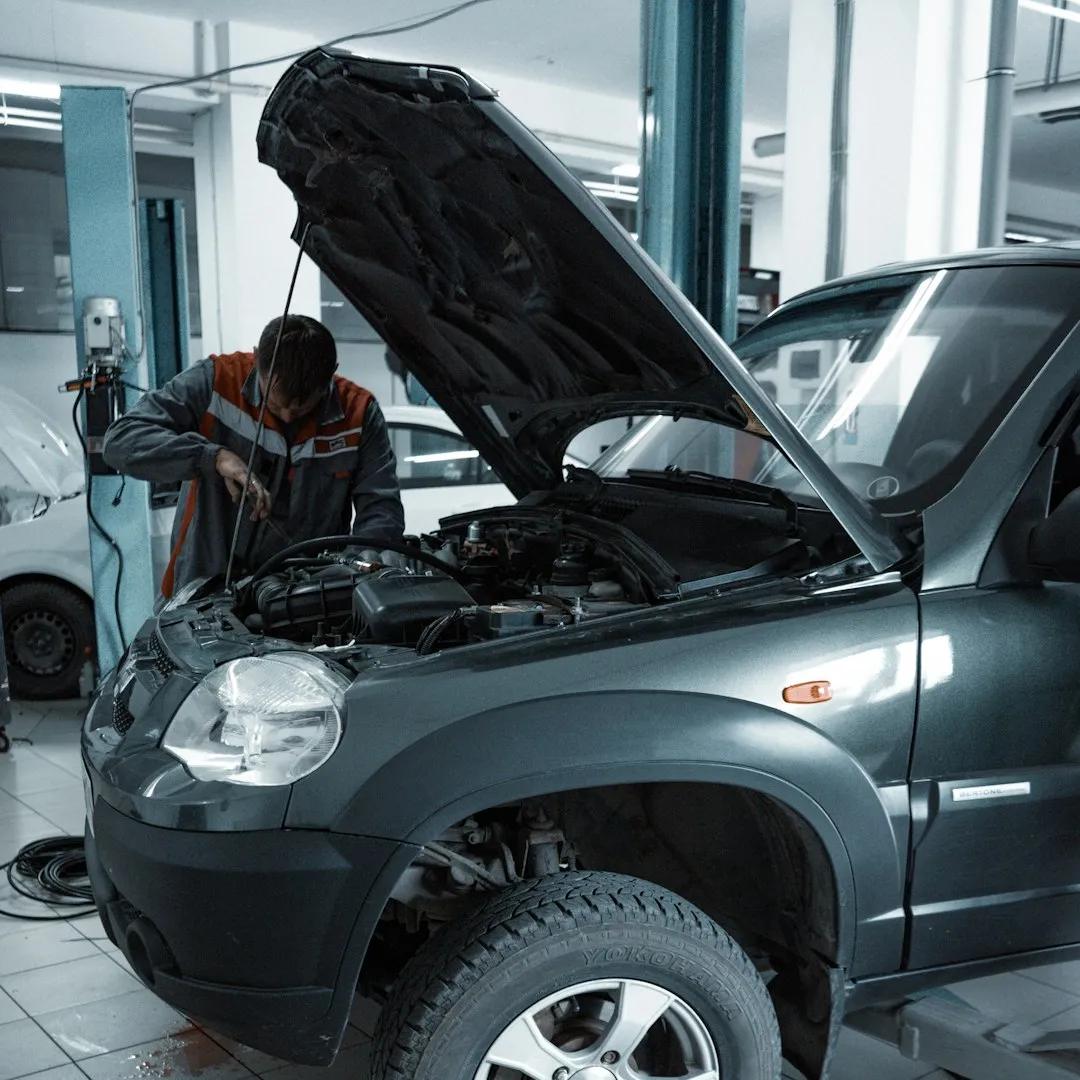
Inspect your tires, wheels, and suspension for visible damage. Check the tire pressure because this quick fix often works. Test-drive your vehicle on flat ground to estimate how bad the pull is and whether it’s getting worse.
Pull, a crooked steering wheel, and one-sided tire wear point to alignment. A rhythmic shake that appears in a specific speed band and fades outside it means balance. If you have both, which is common after a hard pothole strike, sort the balance first so the alignment road test is clean.
Most causes of a brake pull, like a sticking caliper or a collapsed hose, are impossible to diagnose without getting your hands dirty. A qualified mechanic will need to raise the vehicle to check for seized caliper pins, test the brake hoses, and inspect the suspension for any loose components. When pulling happens during braking specifically, don’t delay.
The Takeaway
A car that pulls is a car telling you something. Most of the time the fix is straightforward, a pressure top-up, a routine alignment, a tire rotation. Occasionally the problem runs deeper, into braking systems and suspension components where the margin for error is thin and the stakes are higher.
The distinction between inconvenient and dangerous isn’t always obvious from the driver’s seat, but the pattern of when and how the pull occurs gives you reliable clues. Pulling on a straight road at steady speed is different from pulling sharply during braking. Both deserve attention; one demands it urgently.
The cost of an alignment check or a brake inspection is predictable. The cost of ignoring either one, in tires, fuel, component wear, and safety risk, rarely is.
AI Disclaimer: This article was created with the assistance of AI tools and reviewed by a human editor.