
Basil is one of those plants that looks simple enough. Stick it in a sunny spot, water it now and then, and expect a continuous harvest through summer. Plenty of gardeners try exactly that and still end up with drooping, sad-looking stems by mid-afternoon.
The full-sun requirement isn’t a myth, but it doesn’t tell the whole story. There are several things working against your basil at once, and most of them have nothing to do with how much sunlight you’re providing.
The Soil Is Drying Out Faster Than You Think
The most common reason for basil wilting is dry soil. Basil requires porous, moist soil and frequent watering in hot weather to prevent a wilting or drooping appearance. This is especially true for container-grown plants.
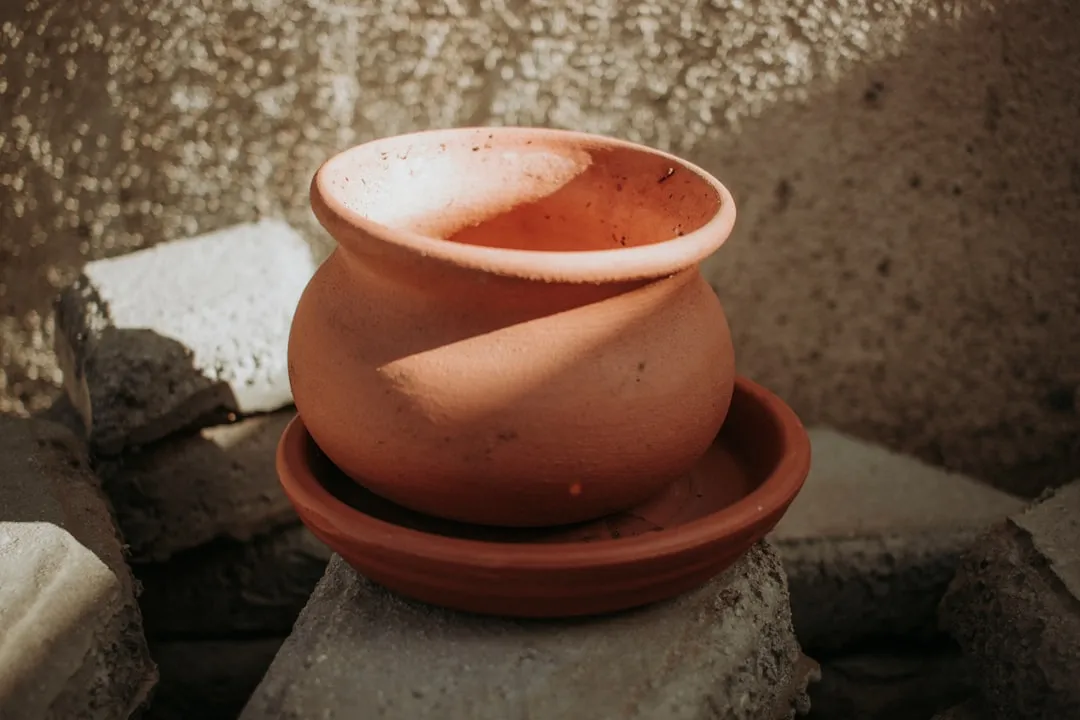
Basil requires full sun to grow its best, but small pots have less capacity for soil and therefore hold less moisture, so they tend to dry out too quickly for basil to thrive. On a hot summer afternoon, a small terracotta pot in direct sun can lose moisture at a surprising rate.
If basil dries out for any length of time it will wilt rather quickly due to those proportionally large leaves and lack of woody stems that transpire lots of water. Giving it a thorough soak and then moving it to light shade is usually the fastest way to help it recover.
Your Pot Is Cooking the Roots
Metal and plastic containers conduct heat, and in full sun, that heat transfers directly into the root zone. Roots sitting in overheated soil struggle to function properly, even when the moisture level seems adequate on the surface.
Basil loves both full sun and cool, moist soil, which means you need to consider the planter material carefully. Clay or ceramic pots tend to insulate roots better than thin plastic or metal alternatives during the peak of summer heat.
Too Much Sun at the Wrong Time of Day
Basil is sun-loving and requires at least 6 to 8 hours of direct sunlight daily, but it can get sunburnt if exposed to too much direct sunlight. The distinction matters: consistent daily sun is healthy, but intense midday rays in a hot climate are a different thing entirely.
Too much sun exposure in hot climates can cause the herb to wilt and produce yellow or brown, crispy-edged leaves. If your basil wilts mostly during the hottest time of the day, too much heat is probably the problem. A simple fix is positioning the plant where it catches morning sun and gets natural shade from around 1 p.m. onward.
Overwatering Is Just as Dangerous as Drought
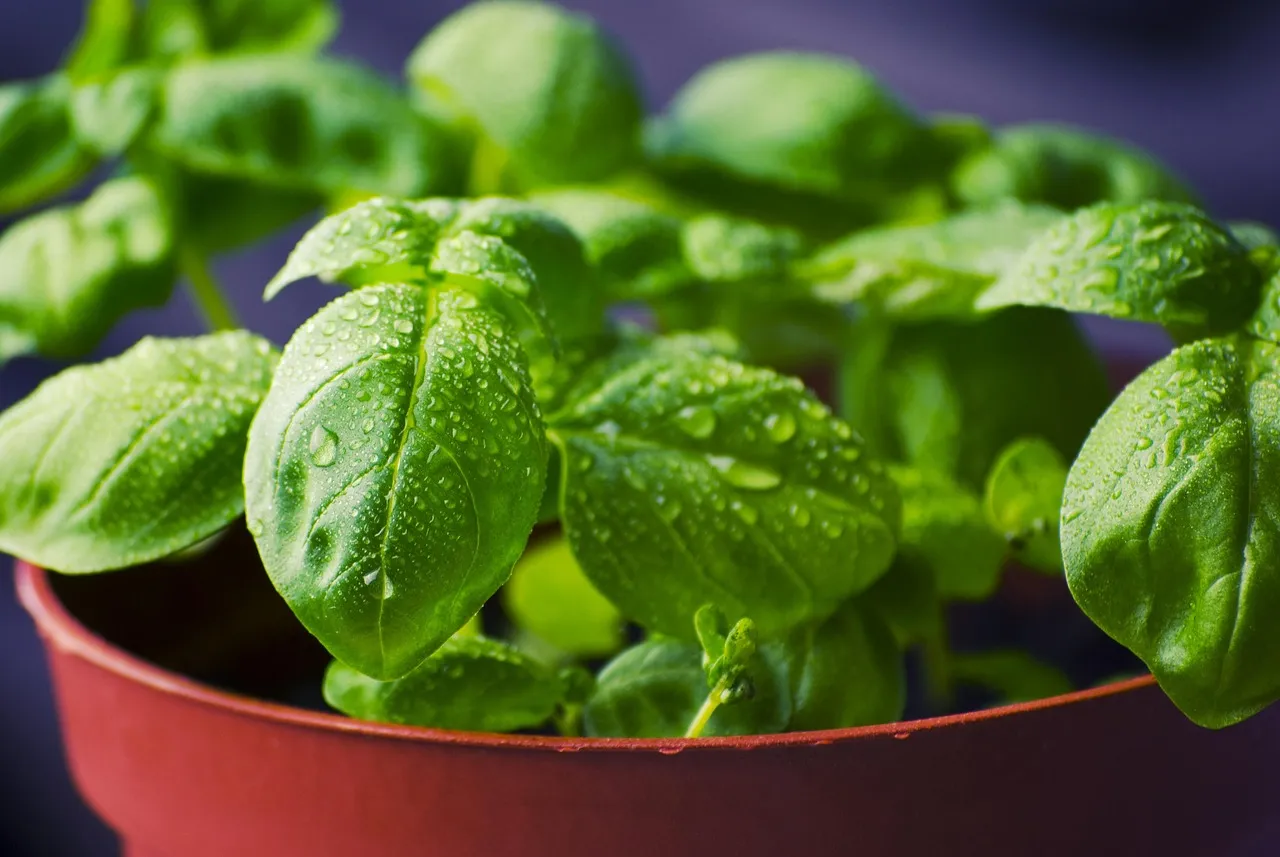
Too much water can be even more harmful than too little water. In fact, reviving an underwatered plant is normally much easier than reviving an overwatered plant. This surprises a lot of gardeners who assume more water is always the answer to a wilting plant.
Basil roots need access to air, or they stop working. Roots are the basis of the plant, sending water and nutrients upward, which are needed for survival. Essentially, overwatering suffocates the root system and causes problems quickly.
If the leaves are wilted and yellow, the plant may be overwatered. If they’re dry and brittle, it’s likely underwatered. That simple visual check often saves a lot of guesswork.
The Roots Have Already Started to Rot
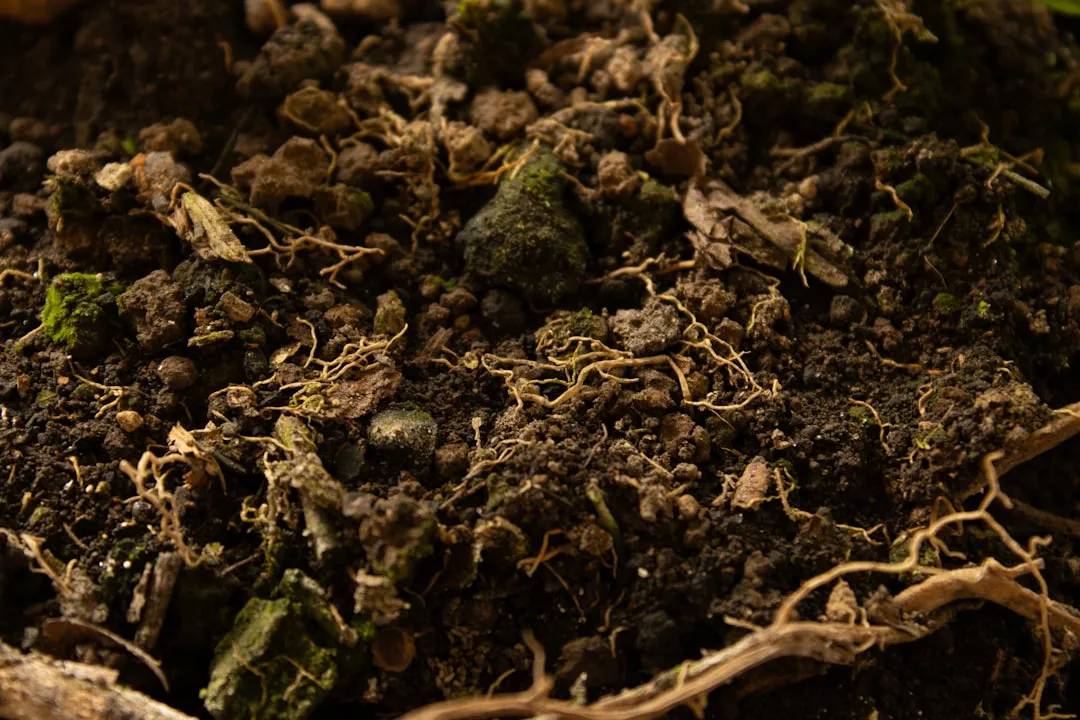
Overwatering is a common issue with basil plants, and it can lead to root rot, which is a serious problem. Once root rot sets in, the plant loses its ability to transport water and nutrients upward, and wilting becomes the visible result of an underground crisis.
Overwatered basil plants have leaves that are pale and wilted, and the roots may feel mushy and rotten when touched. If a huge part of the root is brown and softened, that means it has rotted, and recovery at that stage becomes very difficult.
Extreme cases of overwatering in basil are best treated by repotting the plant entirely. This is considered a last resort but should be done if the plant is experiencing major symptoms and has shown no signs of recovery.
Fusarium Wilt: When Watering and Sun Make No Difference
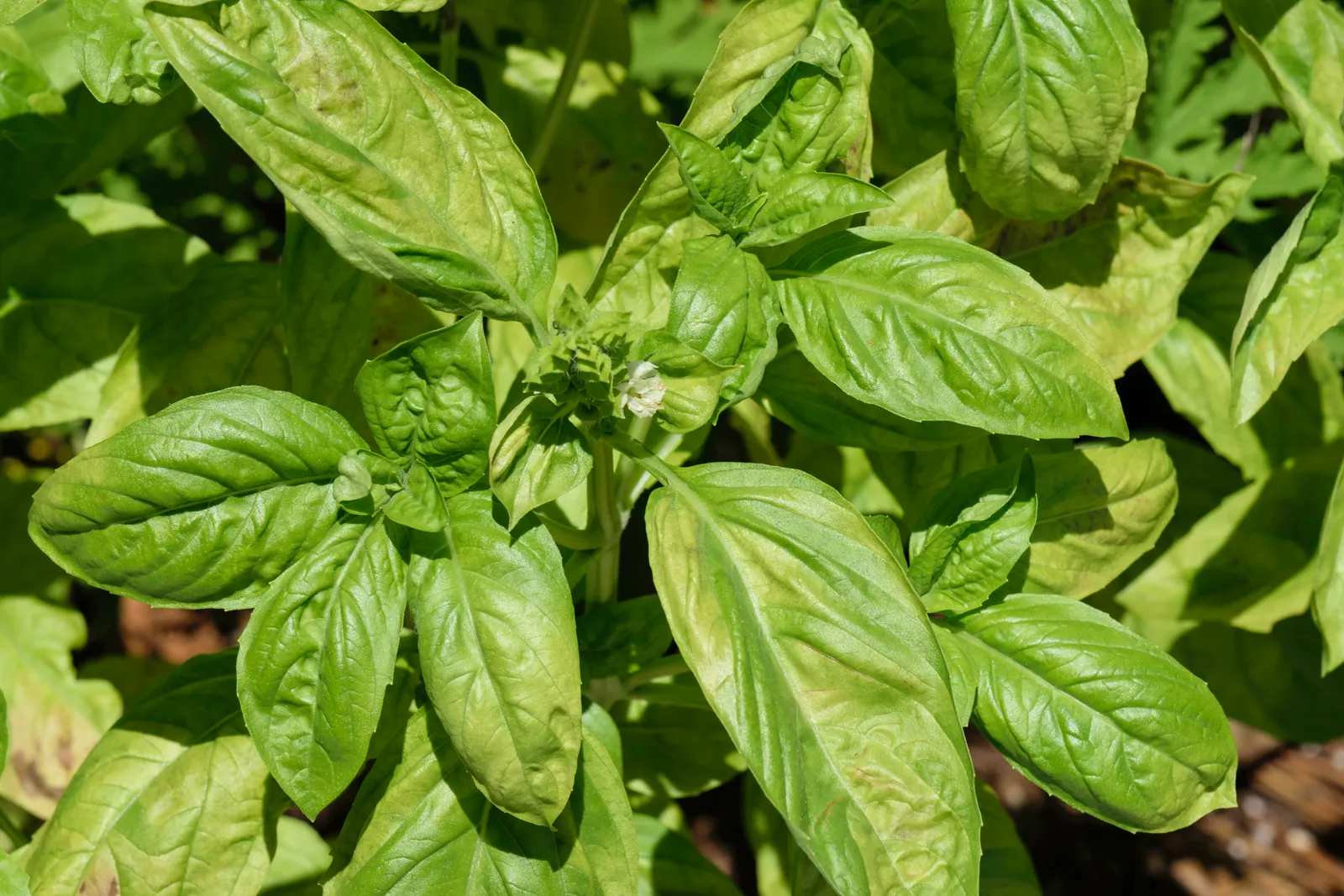
Sometimes, wilting has nothing to do with care at all. Fusarium wilt is a fungal disease that causes wilting, blackening of leaves and stems, and overall decline of the herb. It’s a soil-borne pathogen and one of the more frustrating problems a basil grower can face.
Basil plants infected with Fusarium wilt usually grow without any symptoms until they are about 8 to 12 inches tall, at which point they become stunted and begin to wilt. Initial symptoms usually include brown streaks starting on the lower areas of stems. Leaves become yellow and malformed and may curl, and wilted plants can develop a shepherd’s crook.
There is no remedy for Fusarium wilt. Destroy infected plants and do not plant basil or other mint plants in that area for two to three years. Choosing resistant varieties like ‘Prospera’ or ‘Rutgers Obsession’ is the most effective preventive step.
Basil Downy Mildew Is Spreading More Aggressively
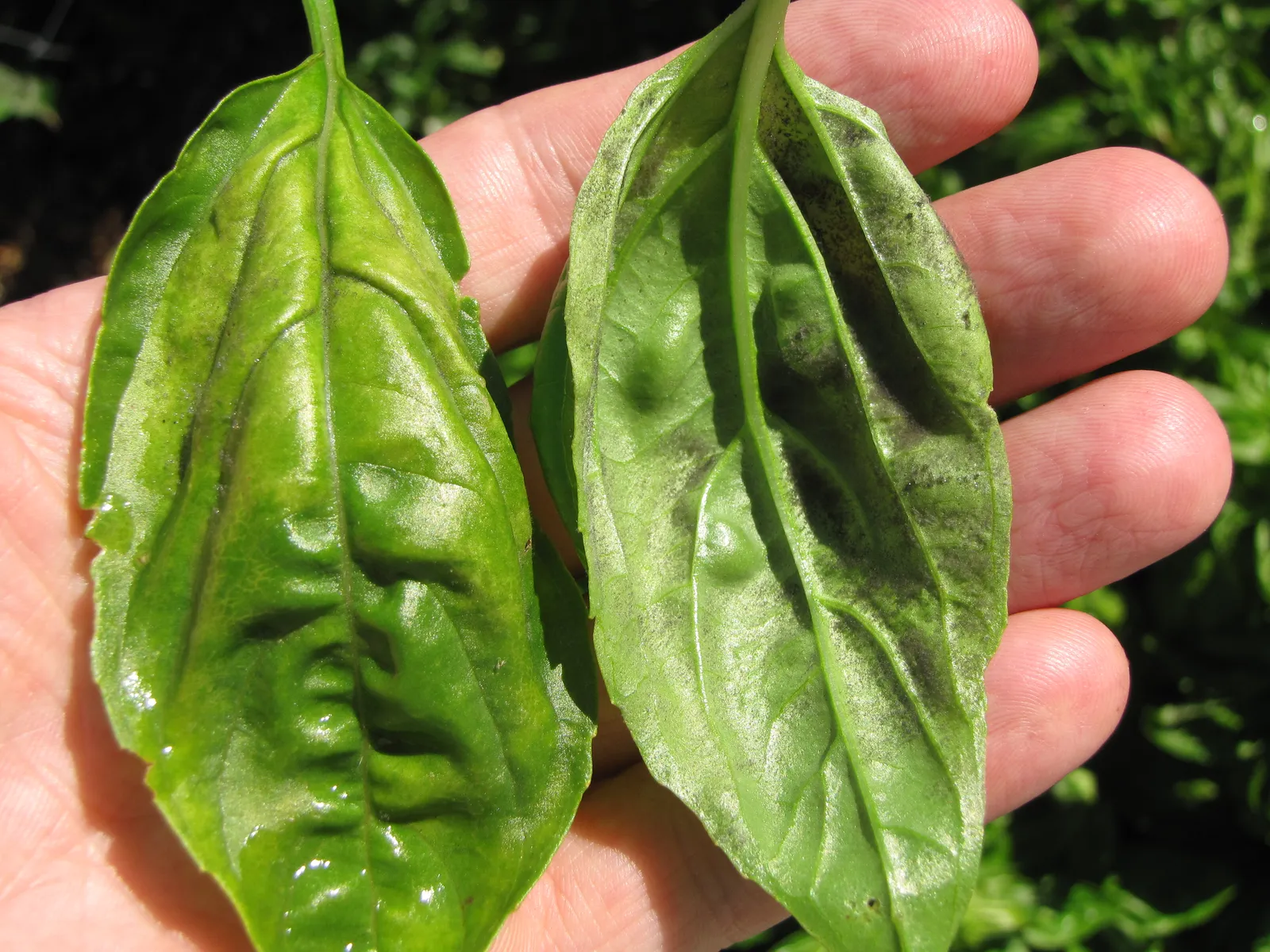
Basil Downy Mildew, caused by the oomycete Peronospora belbahrii, is a major issue for sweet basil production worldwide. Home gardeners are not immune to it, and it can cause wilting that looks deceptively like a watering problem at first.
Basil downy mildew causes leaves to wilt or curl and turn yellow, with a fuzzy purple or gray growth on the undersides of leaves. Research published through Springer in 2024 noted that high temperatures and repeated drought phenomena can lead to basil stress and severe downy mildew outbreaks.
The disease is mainly controlled by chemical fungicides, but populations of the pathogen that are resistant to the most widely used compounds have been developing, which makes prevention through good cultural practices all the more important.
Temperature Stress Below and Above the Comfort Zone
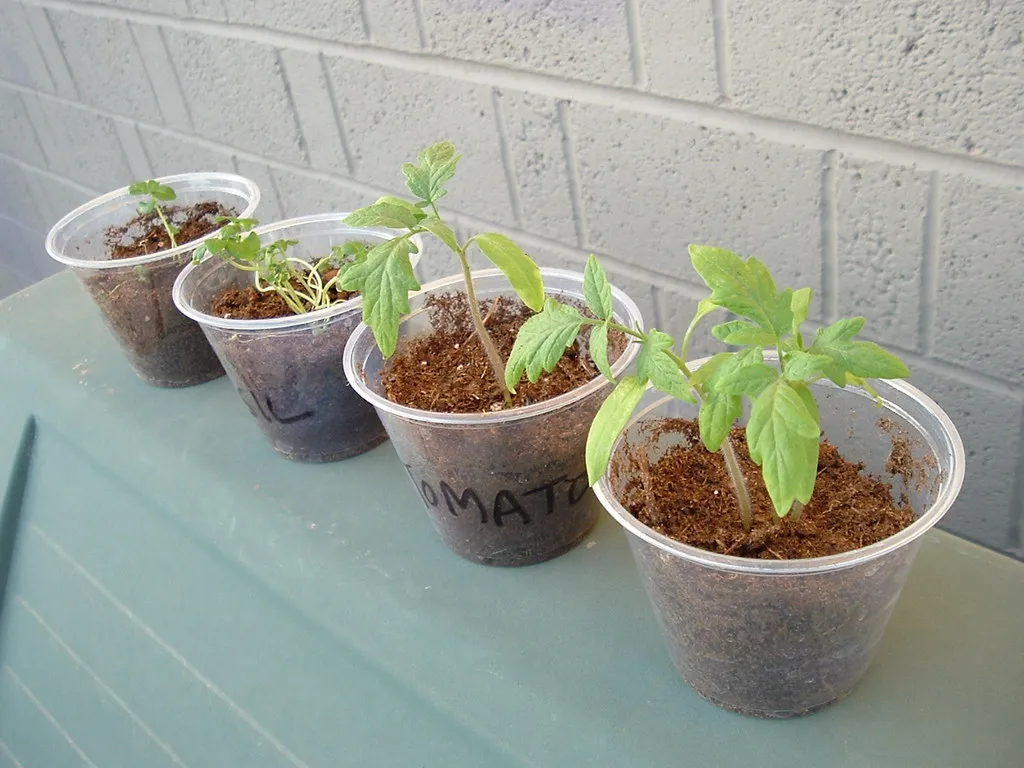
Basil likes warm temperatures, around 21 to 27 degrees Celsius, but too much heat can make it wilt, especially when the sun is very bright. There’s a narrow sweet spot, and summer in many climates regularly pushes beyond it.
Cold nights are just as problematic. Even temperatures below 10 degrees Celsius can cause the plant stress and lead to wilting. While basil likes to be warm, it doesn’t like to be cold either. Cold nights or sudden frosts can make it wilt, grow slowly, and even damage the leaves.
Transplant Shock Is Quietly Behind Many Cases of Wilting
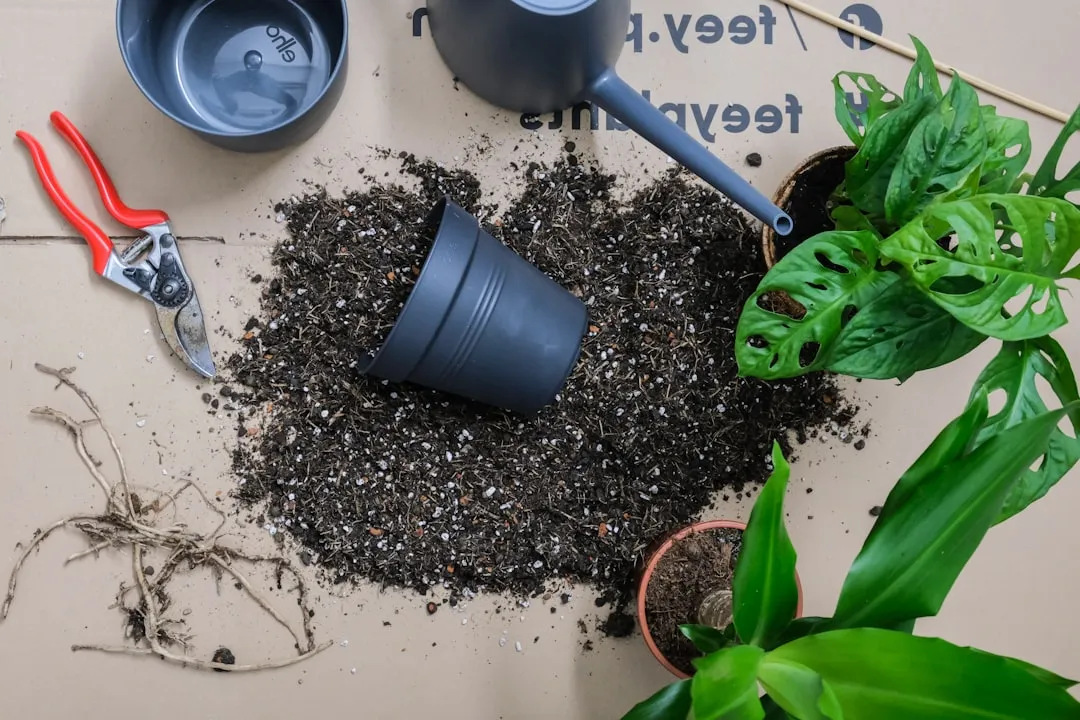
A dramatic change in growing conditions, such as would occur with a heat wave or cold snap, or if you transplant the plant from the supermarket or from indoors to your home garden, can shock your plant. The roots haven’t had time to adapt, and the plant responds by wilting.
Transplant shock, in which damage to roots makes it difficult for the plant to take up water, can also cause basil to wilt. Moving slowly and carefully when transplanting, and keeping the plant lightly shaded for the first few days, can make a noticeable difference in recovery time.
Skipping Pruning Is a Subtle but Real Problem
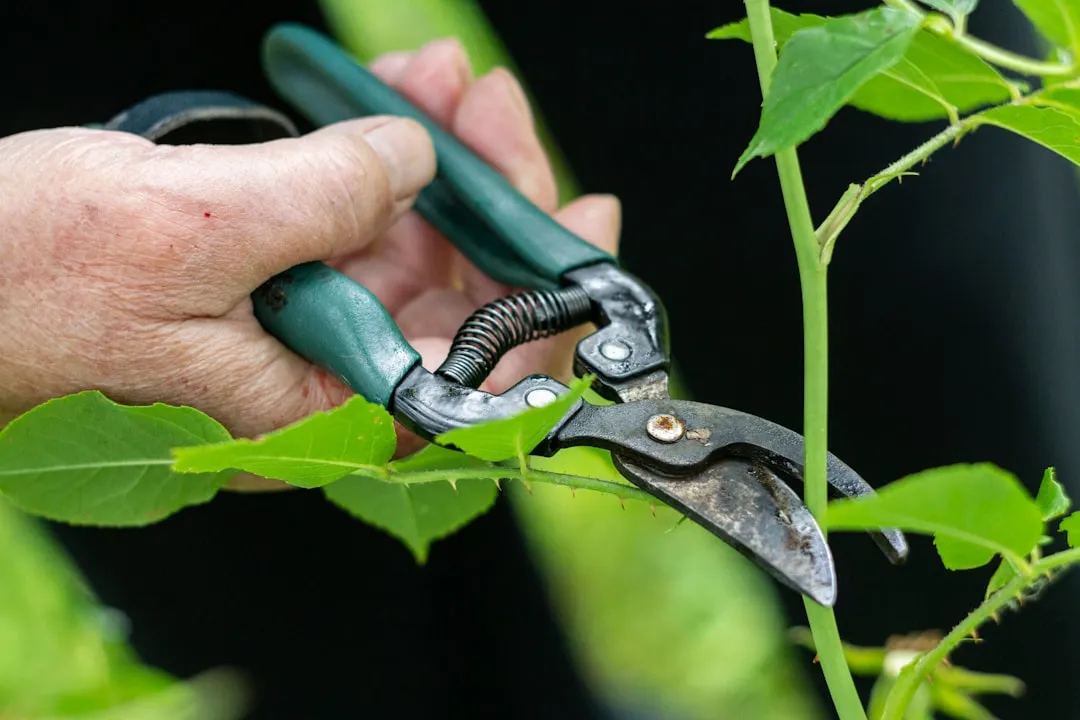
Most gardeners think of pruning as optional or purely cosmetic. With basil, it’s actually a core part of keeping the plant functional. Basil needs to be cut back and pruned once every two weeks or so, or once it reaches 8 inches in height. If you don’t prune regularly, it can start wilting or look droopy.
By pruning the top of the plant, you get to use the leaves, but you also allow the leaves that sit lower on the plant better access to sunlight. A plant left to bolt and flower redirects all its energy away from healthy leaf production, and the lower stems begin to suffer first.
Overharvesting, or taking too much of the plant’s foliage at once, can contribute to stunted growth and can eventually harm or kill the plant. The balance is cutting regularly but modestly, never removing more than roughly a third of the plant at one time.
The Takeaway
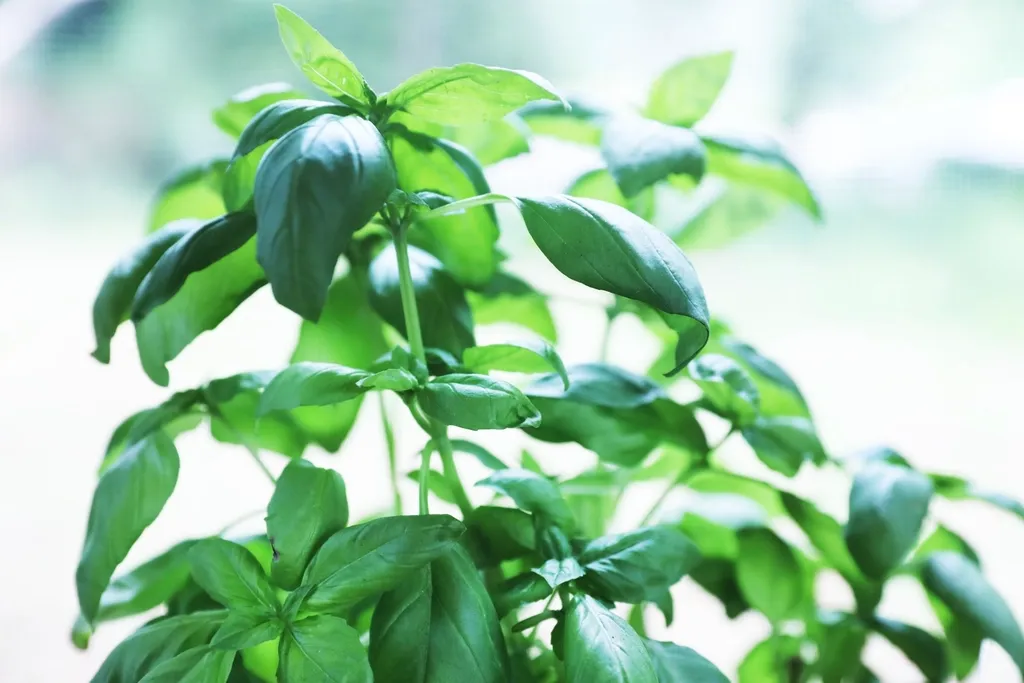
Basil wilting in full sun is one of those gardening frustrations that tends to repeat until you understand what’s actually going on beneath the surface. Sun is necessary, but it isn’t sufficient. Soil moisture, root health, container choice, and disease pressure all play their part.
The practical approach is to check the soil first before reaching for the watering can, move the plant to partial afternoon shade during heat peaks, and prune consistently. Most wilting in healthy plants is reversible if caught early. Most basil plants are made susceptible to pests and pathogens by either overwatering or underwatering, so getting the basics of watering right protects the plant on almost every front.
Pay attention to what the leaves are telling you. They’re usually pretty specific, once you know the language.
AI Disclaimer: This article was created with the assistance of AI tools and reviewed by a human editor.