
You trim it back. A week later, the flower stalks return. You trim again. Still more flowers. If this cycle sounds familiar, you’re not doing anything wrong – you’re just working against one of the most determined plants in the herb garden.
Basil bolts because it’s wired to. It’s an annual with a clear biological goal: flower, set seed, and die before conditions turn hostile. Trimming removes the visible symptom, but unless you understand what’s actually triggering that switch in the first place, the plant keeps pushing back. Here’s what’s really going on.
Bolting Is a Survival Response, Not a Growth Problem
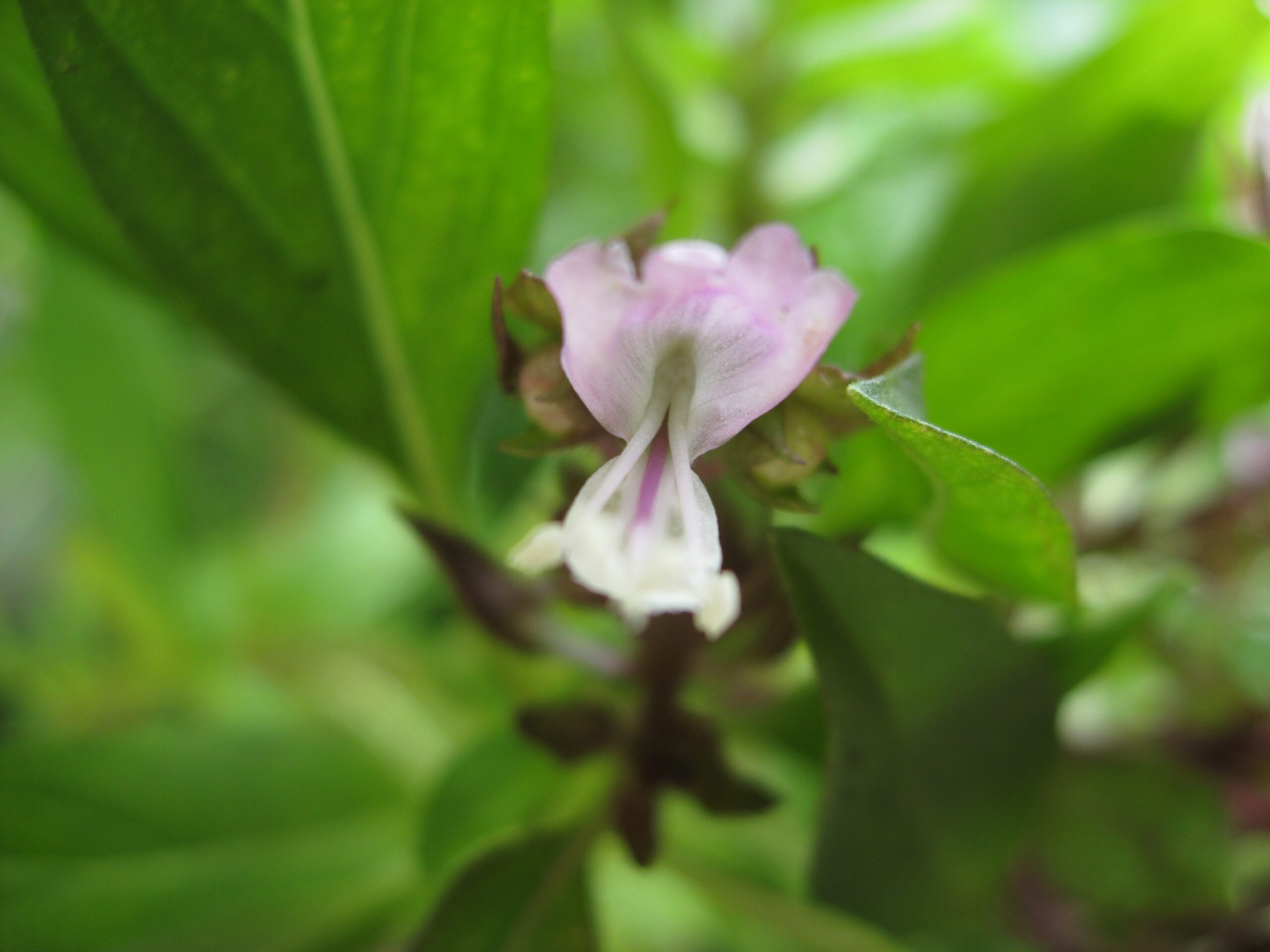
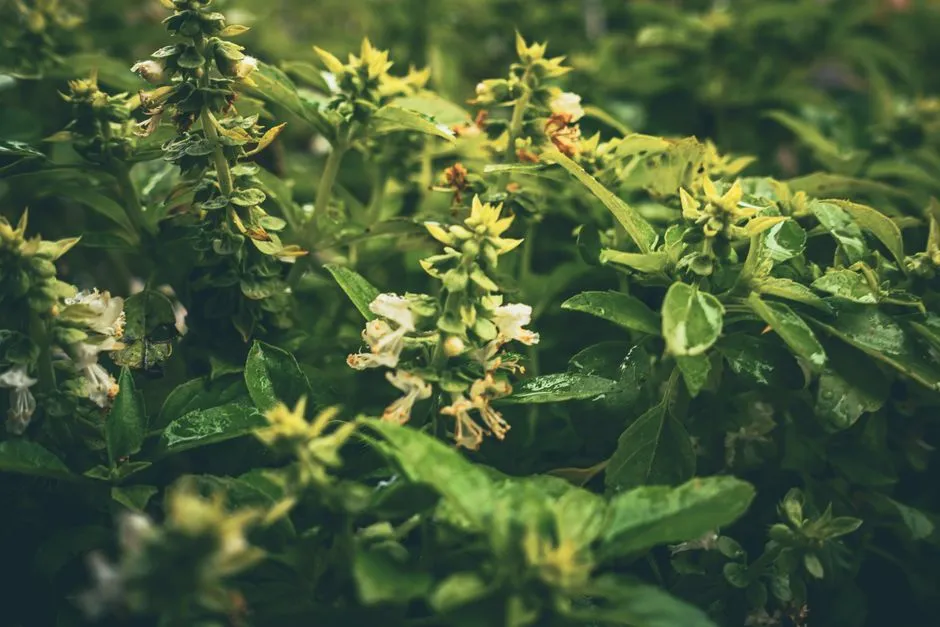
When basil bolts, it shifts from producing leaves to sending up a tall, woody central stem topped with small white or pale purple flowers. It’s not a sign of maturity to celebrate – it’s a physiological stress response. Basil bolts primarily in response to three interconnected triggers: increasing day length, sustained temperatures above 80°F (27°C), and plant age.
Crucially, bolting is not caused by nutrient deficiency, overwatering, or lack of pruning alone, though those factors can compound the stress. It is, fundamentally, a genetic and environmental mismatch: your basil is doing exactly what its ancestors evolved to do in Mediterranean climates – flower quickly before seasonal drought sets in.
Bolting is a process that occurs in herbs and some vegetable plants when temperatures become hotter than they’d like, causing them to grow quickly and produce seed heads in a final attempt to carry on their genetic line. Trimming buys time, but it doesn’t change those underlying signals.
Daylight Hours Are Pulling the Trigger
In basil, bolting is an evolutionary adaptation to long summer days and warming soils. Unlike biennials such as carrots or parsley, which bolt only after cold exposure, basil is a day-length-sensitive annual. It doesn’t require cold to bolt; instead, it responds to photoperiods exceeding 14 hours of daylight, a condition met across most U.S. growing zones from late May through early September.
This photoperiodic response is mediated by phytochromes and cryptochromes – light-sensing proteins in leaf tissue – that signal the growing tip to transition from producing leaf primordia to forming floral meristems.
Longer daylight hours can signal to basil that it’s time to complete its life cycle, pushing the plant to bolt even faster. This is why plants growing in south-facing windows or in full sun from dawn to dusk tend to bolt earlier than those getting partial afternoon shade.
Heat Accelerates the Clock

Basil plants will bolt when the weather gets too hot, especially when the temperature is consistently above 80°F (27°C). Flowers will form on the end of the plant and the basil will go to seed. This turns the leaves bitter and the stems woody.
Rising ambient temperatures accelerate cellular metabolism and hormone shifts: gibberellins increase while cytokinin levels decline. The result is a visible upward stretch that can happen within days. Temperature management is the ultimate lever for basil success, and the plant prioritizes reproduction over leaf growth, rapidly developing flower spikes in a desperate bid to produce seeds before the plant expires from thermal stress.
While basil requires at least six hours of direct light, more than eight hours of intense, unfiltered sun – especially above 85°F – triggers bolting. Morning sun plus afternoon dappled shade is ideal. That’s a detail most growing guides skip entirely.
Trimming Helps, but You’re Probably Doing It Wrong
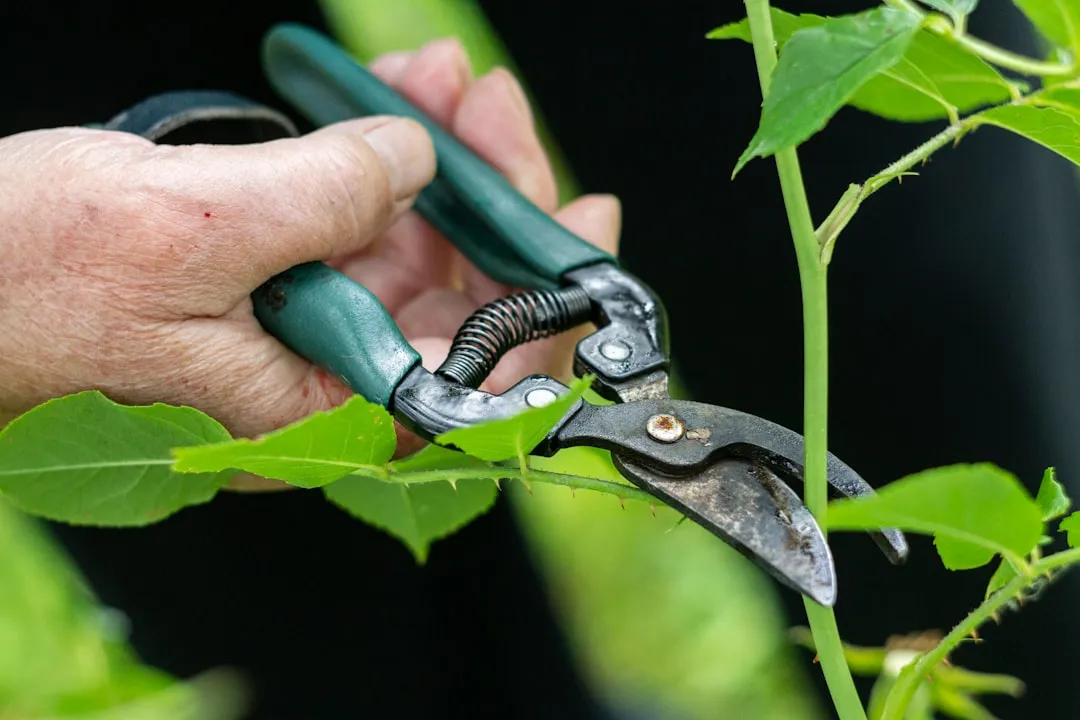
Regular trimming is one of the best ways to prevent bolting basil. Not only does it remove developing flower buds, but it also signals to the plant to keep producing more stems and new leaves – it’s the best way to maximize plant size and overall yield.
The correct technique is to use clean fingernails or sharp snips to remove the top half to one inch – including the terminal bud and the two smallest leaves directly beneath it. This exposes dormant axillary buds at the node below. Within four to seven days, two to four new shoots will emerge. Repeat every seven to ten days during peak season, even if no bolting signs are visible.
When harvesting, cut right above the spot where there are two small leaves. Leaving these leaves sets the plant up to grow two more stems that you’ll be able to harvest in a few weeks. Most people snip from the top without looking for that node, and wonder why the plant stays thin.
Drought Stress Speeds Everything Up
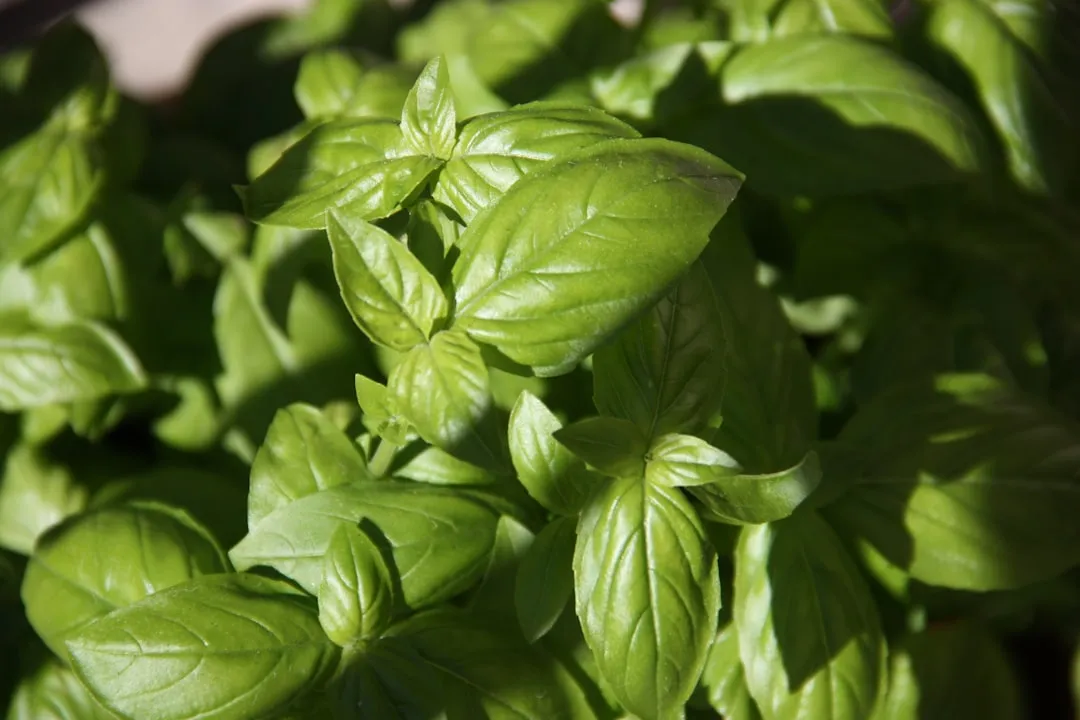
The best soil for basil is one that is both fertile and well-draining. If your soil is very sandy, or the plants are allowed to dry out – especially to the point of wilting – in between waterings, they will start to produce flower buds.
Stress from inconsistent watering, poor soil, or overcrowding further encourages early flowering, as the plant tries to reproduce before conditions become unfavorable. A wilted basil is a panicking basil. Watering deeply at dawn – not frequently and shallowly – is critical. Basil roots extend eight to twelve inches, and shallow irrigation encourages surface rooting, making plants far more vulnerable to heat-induced bolting.
Drought stress or inconsistent watering can prompt basil plants to bolt. The goal is to keep the soil lightly damp, not wet and not dry. Checking the soil with a finger rather than watering on a fixed schedule makes a real difference through summer.
Your Pot Is Too Small
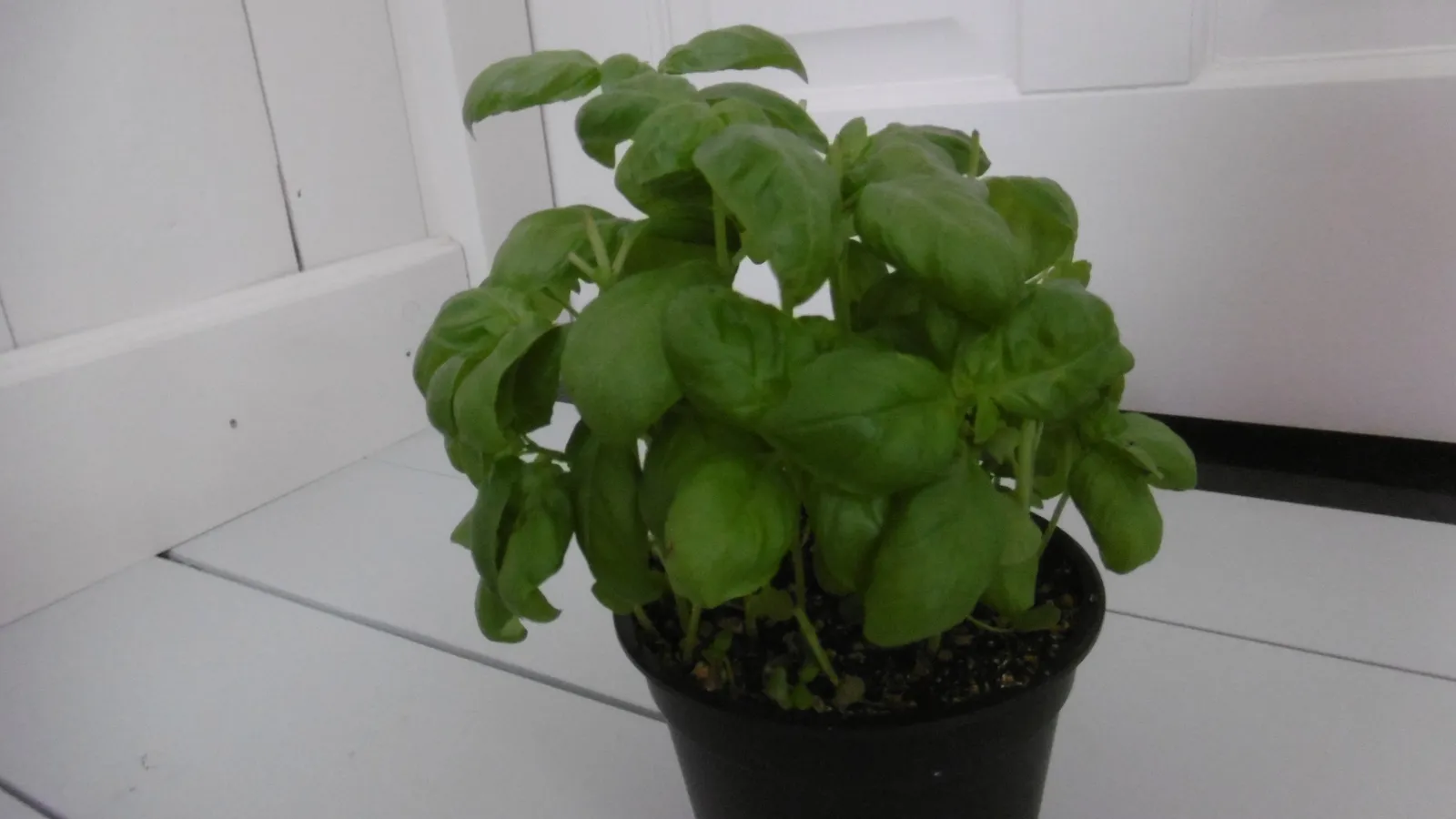
When growing in containers, potted plants thrive when given the right sized containers – ideally those that are at least twelve inches in diameter and hold two to three gallons of potting soil. Pot-bound roots impact plant health and new leaf production. Expect these plants to bolt quickly.
A small pot implies less space for the roots to spread out and so a lower probability of absorbing nutrients. A lower amount of nutrients will then ultimately prevent the basil from reaching its full growth potential.
Smaller pots dry out too fast, stress roots, and limit leaf yield. Basil in too-small a pot dries out within hours on a hot windowsill and becomes stressed. Upgrading pot size is one of the simplest interventions available to container growers, and one of the most overlooked.
Plant Age Matters More Than You Think
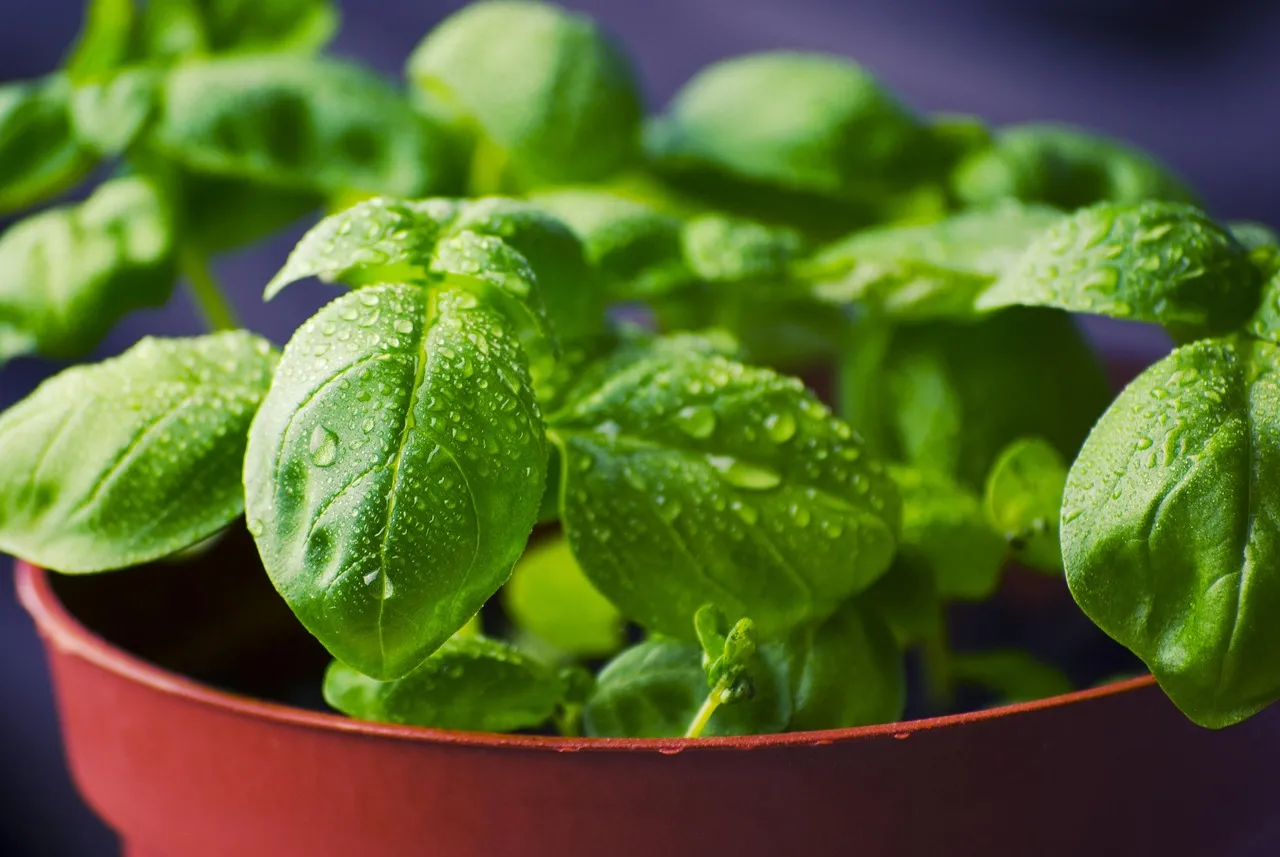
Neglect, such as forgetting to harvest leaves regularly, can speed up bolting since mature leaves cue the plant that its reproductive stage should begin. Older plants are naturally inclined to bolt as they reach the end of their lifespan, regardless of care.
As soon as the plant grows lush and bushy, basil initiates the last phase of its life cycle. When this process begins, small flowers appear on the top of the aerial part. No amount of trimming resets the age clock permanently. Harvesting leaves often – sometimes as frequently as daily – will help reduce the plant’s attempts to bolt. Frequent harvest will also help keep the plant concentrating on growth instead of reproduction, helping increase the yield over the growing season.
Variety Makes a Bigger Difference Than Most Gardeners Realize
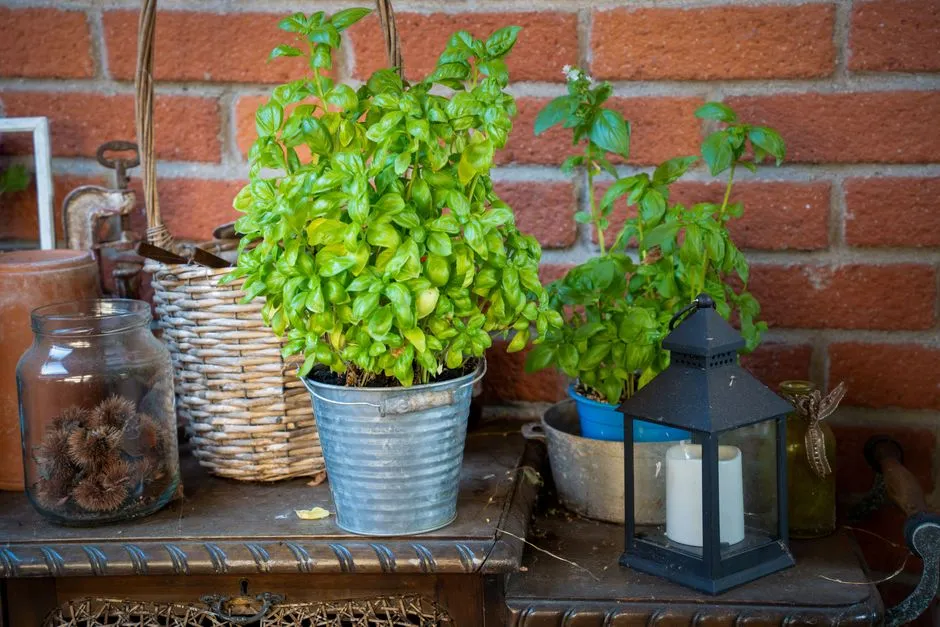
Some basil varieties, like Thai or Purple Basil, tend to bolt earlier than Genovese types. If you keep growing the same variety and fighting bolting every year, switching varieties is a straightforward upgrade. If you’re in an area prone to heat, bolt-resistant basil varieties like Everleaf Genovese or Amazel Basil have been bred to withstand flowering longer than traditional types.
The ‘Everleaf’ basil variety doesn’t flower as quickly as others, keeping leaves on the plant up to twelve weeks longer. Unlike typical basil, Amazel basil is seed sterile and therefore continues to produce leaves and shoots even after flower initiation, unlike other basil varieties that focus most or all of their energy into seed production.
Emerald Towers is another Genovese variety that flowers two months later than other basils. These aren’t minor improvements – in a hot summer, weeks of extra harvest time is genuinely valuable.
Shade Can Actually Save Your Harvest
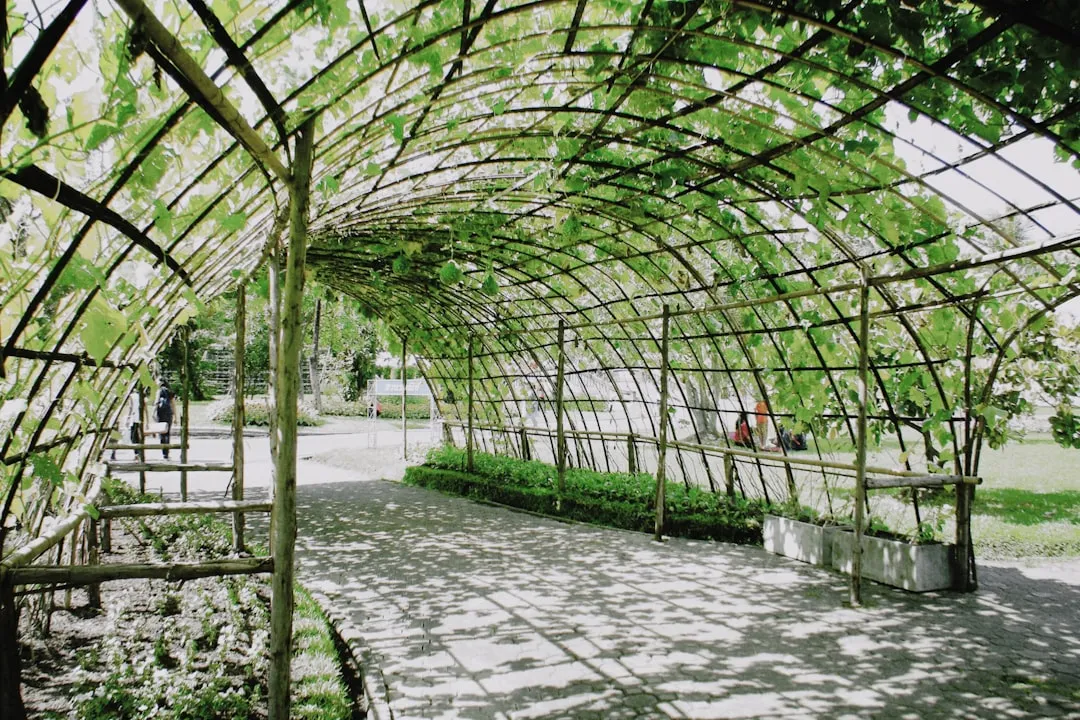
If sudden heat is an issue in your garden due to local climate or excess sunlight, providing shade can reduce the temperature by up to fifteen to twenty degrees. This reduction in temperature is directly related to the prevention of bolting basil.
Keeping plants in shade will help keep the temperatures down and will reduce the intensity of the sun. Basil grows very well in containers, and when planted in one, it can be moved to a shady, cooler part of the garden rather easily.
Phosphorus is the nutrient that triggers flower development and growth, so look for a fertilizer with lower phosphorus levels. Mulching the soil surface around your plants helps regulate the temperature of the growing media, keeping the root system cooler, and may slow bolting. Afternoon shade combined with mulch is a combination worth trying before reaching for any other solution.
What to Do When Bolting Has Already Begun
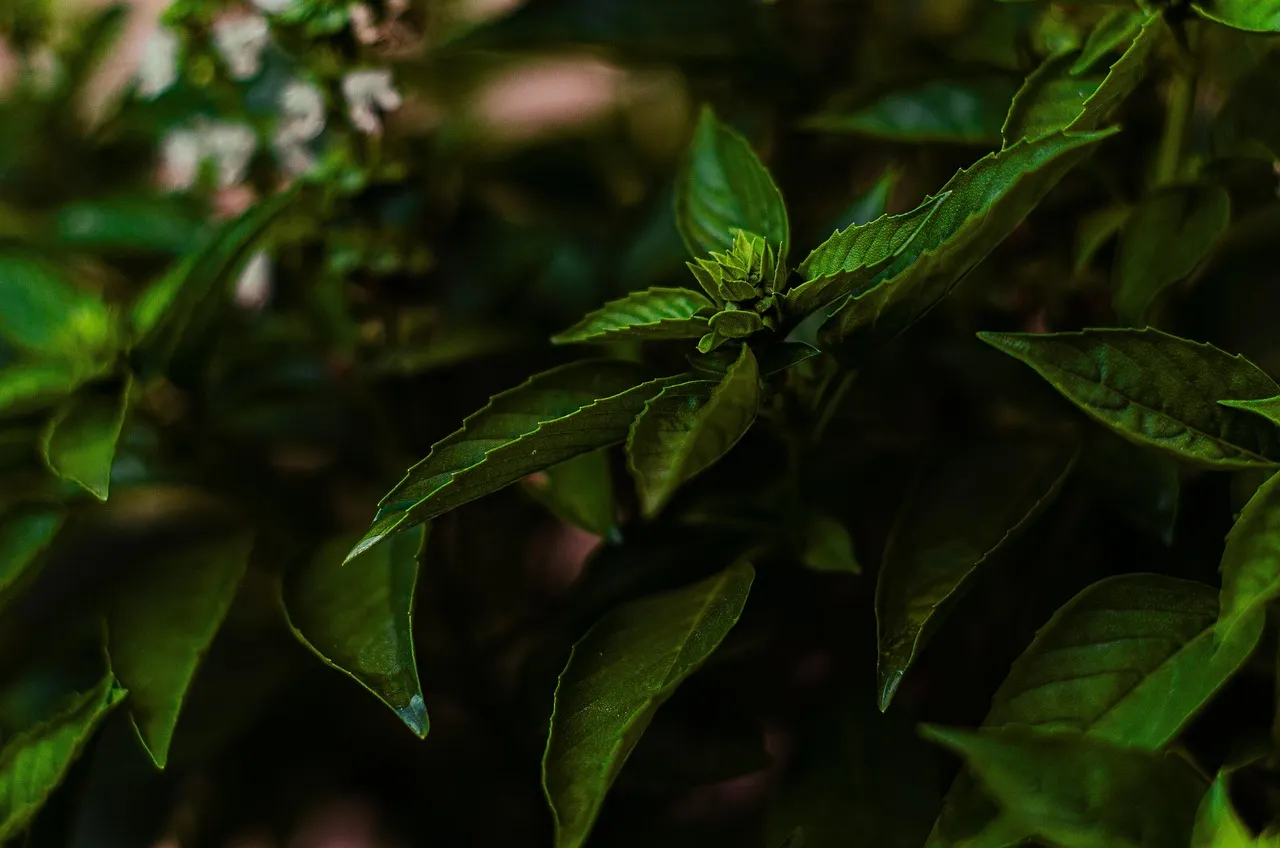
The best way to encourage your plants to grow new leaves is to continually cut off the flowers it keeps trying to push up. Once plants flower and go to seed, their energy shifts away from leaf production and towards reproduction. Basil also has a tendency to turn bitter in taste when you let it flower.
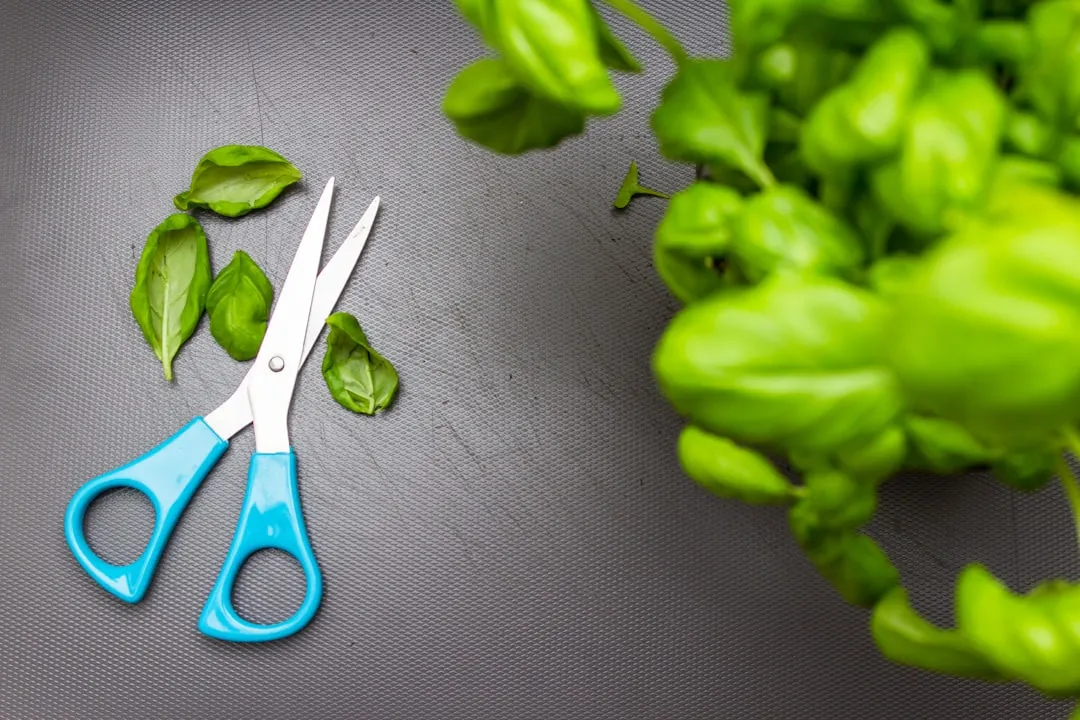
If you’ve noticed your basil sending up flower stalks, cut them off right away – use clean scissors or pruners to snip them as close to the stem as possible. Pair this with pruning, cutting back up to a third of the foliage. This encourages new leaf growth and may delay further bolting.
Once bolting initiates, biochemical changes in leaf tissue are irreversible. Removing flowers prevents seed set and may encourage limited new leaf growth, but existing leaves retain reduced sweetness and increased bitterness. Harvest unaffected leaves immediately upon spotting buds. If the plant is far gone, it may simply be time to start fresh with a new plant – sometimes that’s the most practical answer.
The Takeaway
AI Disclaimer: This article was created with the assistance of AI tools and reviewed by a human editor.