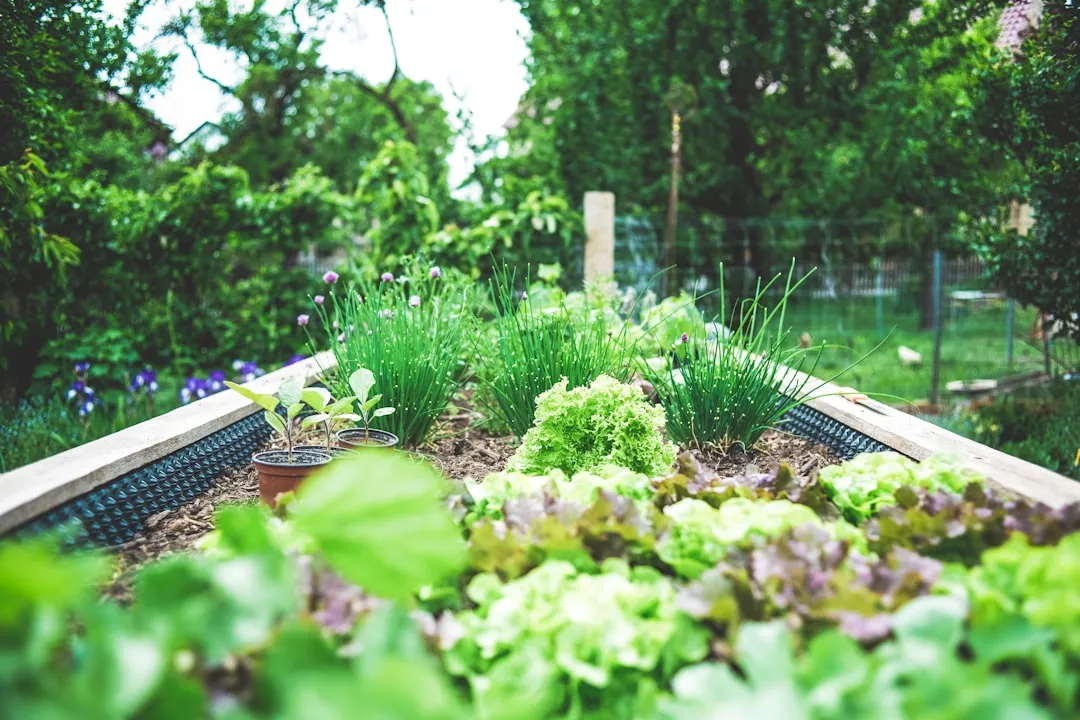

There’s a quiet irony in the vegetable garden. The more you feed your herbs, the blander they often get. Home growers who go heavy on fertilizer hoping to produce lush, vibrant plants are sometimes left wondering why their basil or oregano smells like little more than wet leaves. The science behind this is both elegant and practical, and understanding it can genuinely change how you grow.
It turns out that herbs have a built-in survival strategy, and it’s the same one responsible for their intense flavors. When you work with that biology rather than against it, the results on your plate are noticeably better.
The Basic Flavor Chemistry of Herbs
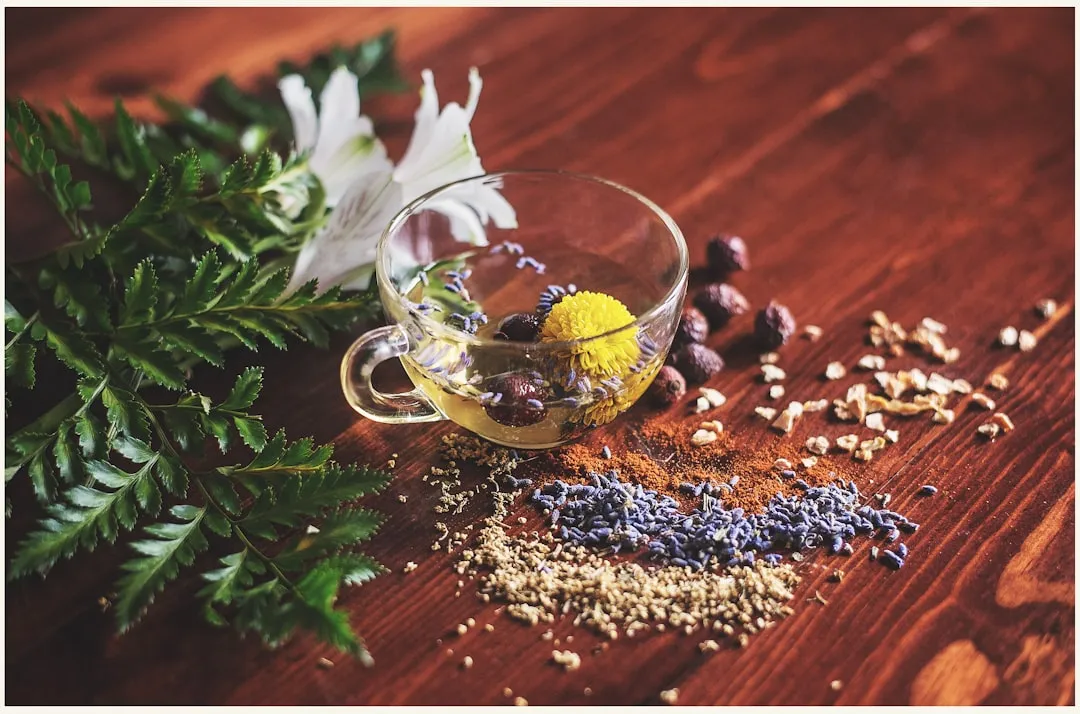
The bold flavors and aromas you get from fresh herbs aren’t just pleasant accidents. Plant secondary metabolites are one of the major sources of industrially important products such as food additives, specifically due to their distinctive tastes, smells, and flavors. These are the same compounds that make your rosemary piney, your basil sweet and slightly peppery, and your mint genuinely cool on the tongue.
Secondary metabolites also contribute to specific odours, tastes, and colors in plants, and they are unique sources for food additives and flavors. Crucially, these compounds aren’t produced for your dinner. They are the plant’s defense system, communication network, and stress response all rolled into one chemical toolkit.
Nitrogen: Growth’s Double-Edged Sword
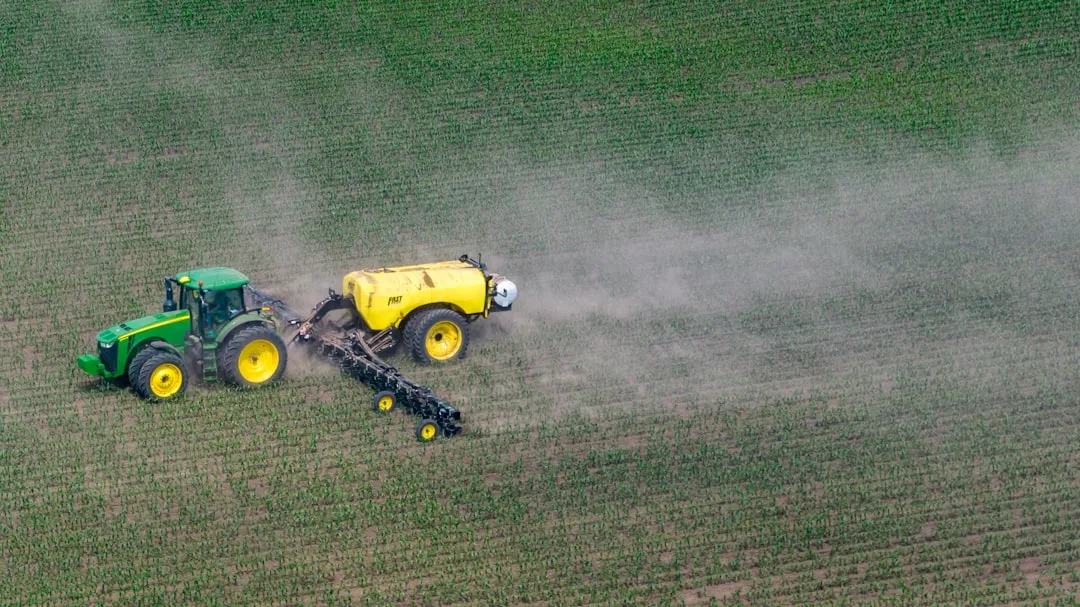
Herbs do not require high levels of fertilizer. Too much nitrogen will cause excess vegetative growth and can decrease the oil production that gives most herbs their scent and flavor. This is the core tension every herb grower eventually encounters: more leaves versus more flavor.
Applying a high rate of nitrogen fertilizer increases the vegetative growth and essential oil content of some medicinal and aromatic herbs, but it also decreases other compositions, such as the total phenolic contents, rosmarinic acid levels, and caffeic acid concentration in basil. In plain terms, the plant grows faster and bigger, but the chemical complexity that makes it taste remarkable gets diluted or suppressed in the process.
What Happens Inside the Plant When Fertilizer Drops

The benefits of nitrogen fertilization are contingent upon the application rate. Excessive nitrogen inputs can disrupt nutrient homeostasis, inhibit physiological function, and compromise the biosynthesis of valuable secondary metabolites – a trade-off particularly evident in the intensive cultivation of aromatic plants. The plant is essentially redirecting its energy toward growth rather than defense chemistry.
Secondary metabolites are unique sources for flavors and pharmaceuticals. The accumulation of such metabolites often occurs in plants subjected to stresses, including various elicitors or signal molecules. When the environment eases off, the stress signals that trigger flavor production weaken. The result is a big, green herb that tastes surprisingly ordinary.
The Role of Mild Stress in Flavor Development

Mild abiotic stresses have been found to stimulate production of secondary metabolites in medicinal and aromatic plants without adversely affecting plant growth and development, and in certain cases may even improve plant performance. Slightly leaner soil conditions, then, aren’t a failure of gardening. They’re a feature.
Over half of the estimated 200,000 or more secondary metabolites in plants are thought to be influenced by stress conditions, and some of these compounds serve various defense roles, including acting as antioxidants, antifungal agents, and antibacterial agents. When herbs experience moderate resource constraints, they respond by producing more of the very compounds that make them flavorful and aromatic.
Essential Oils and the Dilution Effect
Nitrogen fertilization has a significant effect on all studied parameters in aromatic herbs. Although nitrogen application had an adverse effect on oil content, nitrogen fertilization up to a moderate level can increase the yield of dry herbage and essential oil. This suggests there’s a threshold, not a simple “less is always better” rule.
More heavily fertilized conventional crops may grow faster and get bigger, but as a result, their nutrients may get diluted. The same dilution principle applies directly to your backyard oregano or thyme. The plant volume increases, but the concentration of aromatic oils per gram of leaf declines. You get more mass but less punch.
Phenolic Compounds: The Taste and Health Connection
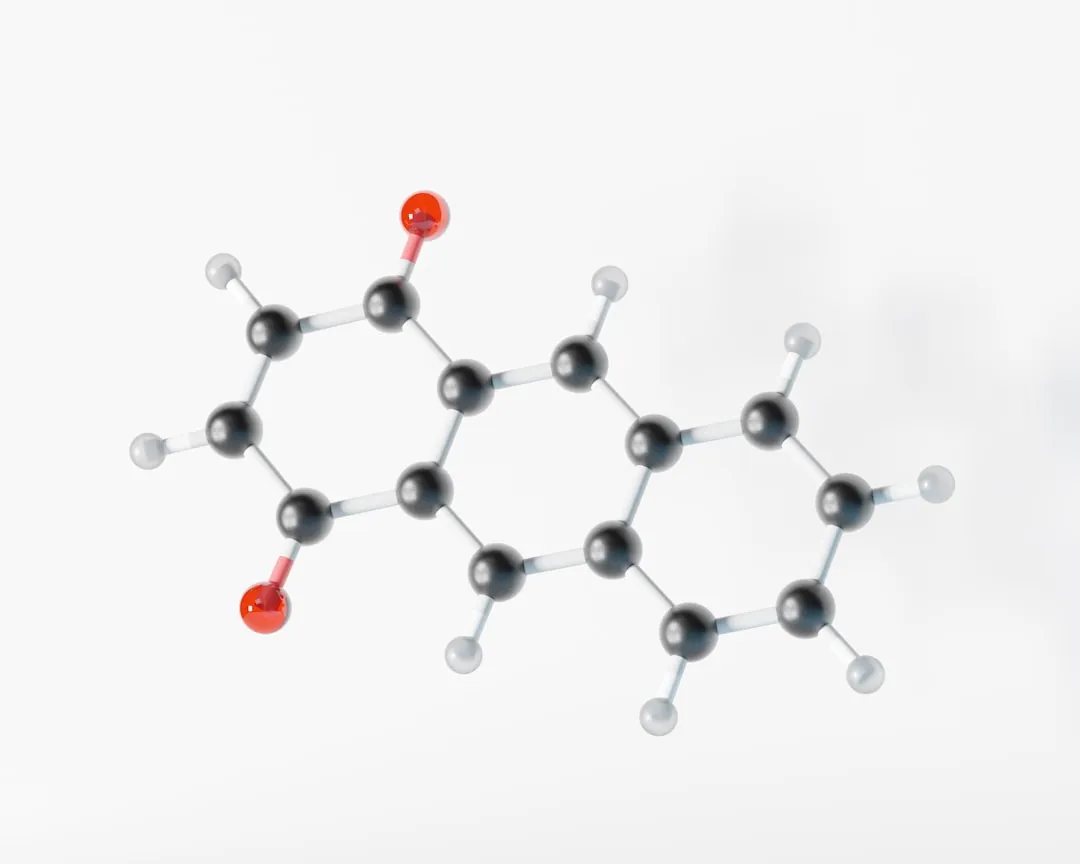
Compared to mineral fertilizers, organic approaches resulted in higher tannin and pectin content in date fruits, and higher total antioxidant capacity in cabbage and herbs. These phenolic compounds aren’t separate from flavor. They’re part of what you actually taste, contributing bitterness, astringency, and depth that well-fertilized, fast-grown herbs often lack.
Organically grown crops have higher levels of vitamins and phytochemicals, particularly antioxidants, carotenoids, flavonoids, and phenolic compounds. More consistent differences include that conventionally grown crops contain greater pesticide levels, whereas organically grown crops contain higher levels of phytochemicals shown to exhibit health-protective antioxidant and anti-inflammatory properties. For herb growers, this is the payoff of stepping back from synthetic inputs.
What Research on Basil Tells Us Specifically
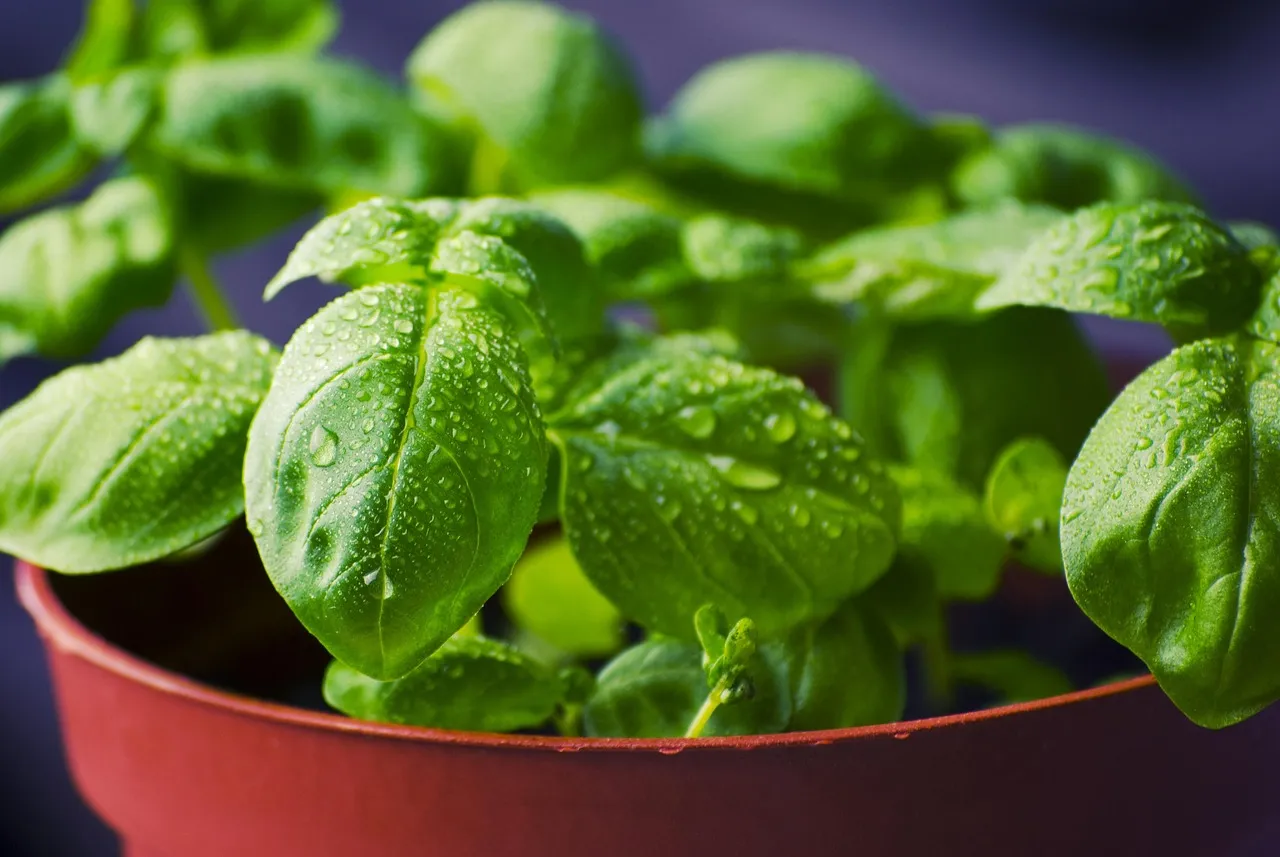
Ocimum basilicum, commonly known as sweet basil, is widely employed for various medicinal and aromatic applications. It also happens to be one of the most studied herbs in terms of fertilizer response. The research paints a clear picture.
Higher nitrogen application increases methyl chavicol concentration but decreases the percentage of linalool in the volatile oil of some aromatic plant species. Linalool is a key compound responsible for basil’s characteristic sweet, floral quality. Losing it to excess nitrogen is exactly why heavily fertilized basil can smell flat compared to a modestly grown plant from a kitchen garden.
How Organic Approaches Change the Equation
Fruits, vegetables, and grains from organic crops were reported to contain significantly more vitamin C, iron, magnesium, and phosphorus, and significantly less nitrates than conventional crops. The reduction in nitrate accumulation matters for flavor, since high nitrate content in leafy herbs is associated with a coarser, more bitter taste rather than a complex aromatic profile.
A meta-analysis calculated that organic crops contained between roughly one fifth and more than half higher concentrations of antioxidant compounds, depending on the type of antioxidant. Researchers noted that consumers who switch to organic fruit, vegetables, and cereals would absorb considerably more antioxidants. While these findings apply broadly to food crops, the same underlying mechanisms are at work in your garden-grown herbs.
Practical Guidance: How Little Is Enough
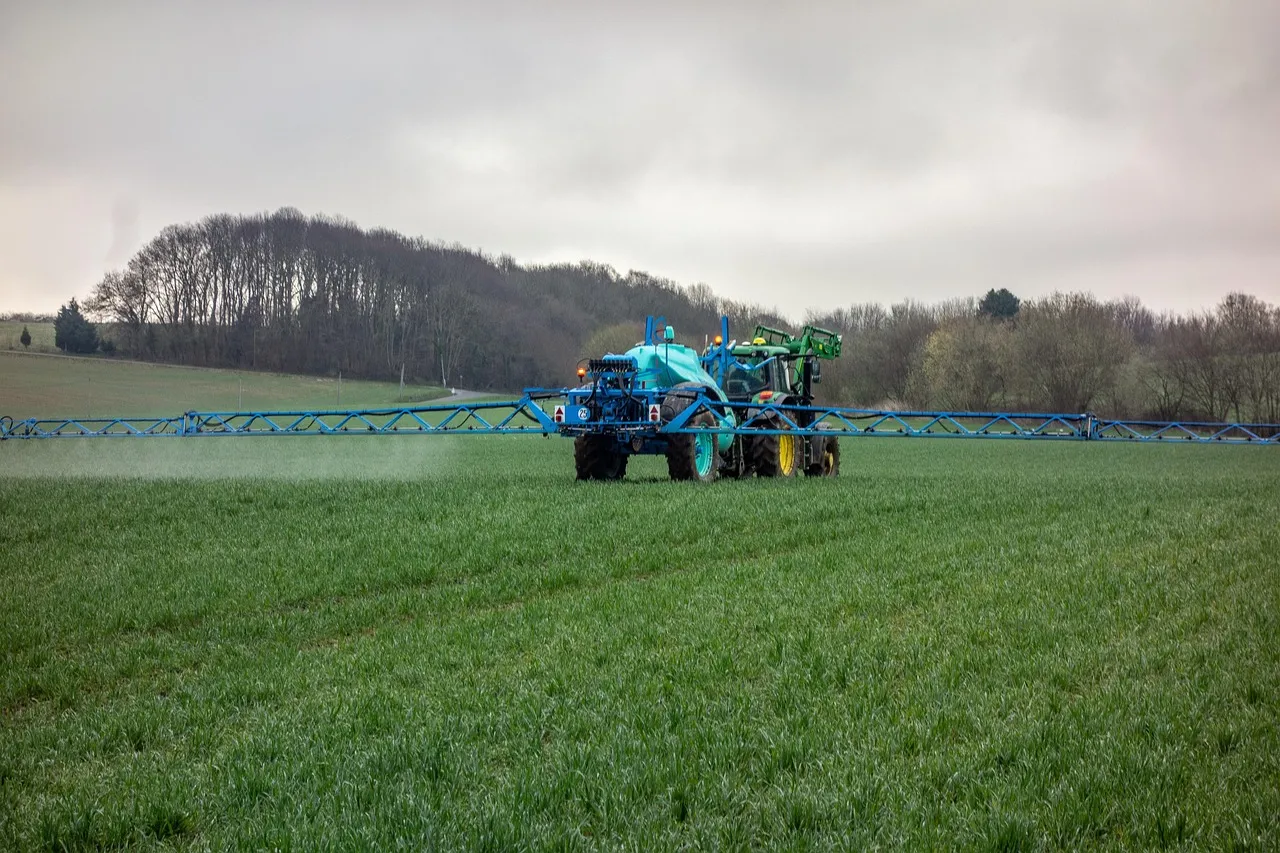
Fertilize sparingly. In most cases, garden beds can benefit from using a balanced commercial fertilizer at a modest rate. Apply once during the growing season, unless the site is particularly poor or the plants show signs of deficiency. That single application approach aligns with what the flavor chemistry actually supports.
Excess fertilizer use can result in serious damage to the soil and ecosystem, ground or surface water contamination, and reduced quality of the produce. The quantity of fertilizer used in nutrient management has important effects on the quality and sustainable production of herbs. Pulling back isn’t just better for flavor. It’s better for your soil and your local ecosystem over the long run.
Reading Your Herbs: Signs They’re Thriving Without Overfeeding
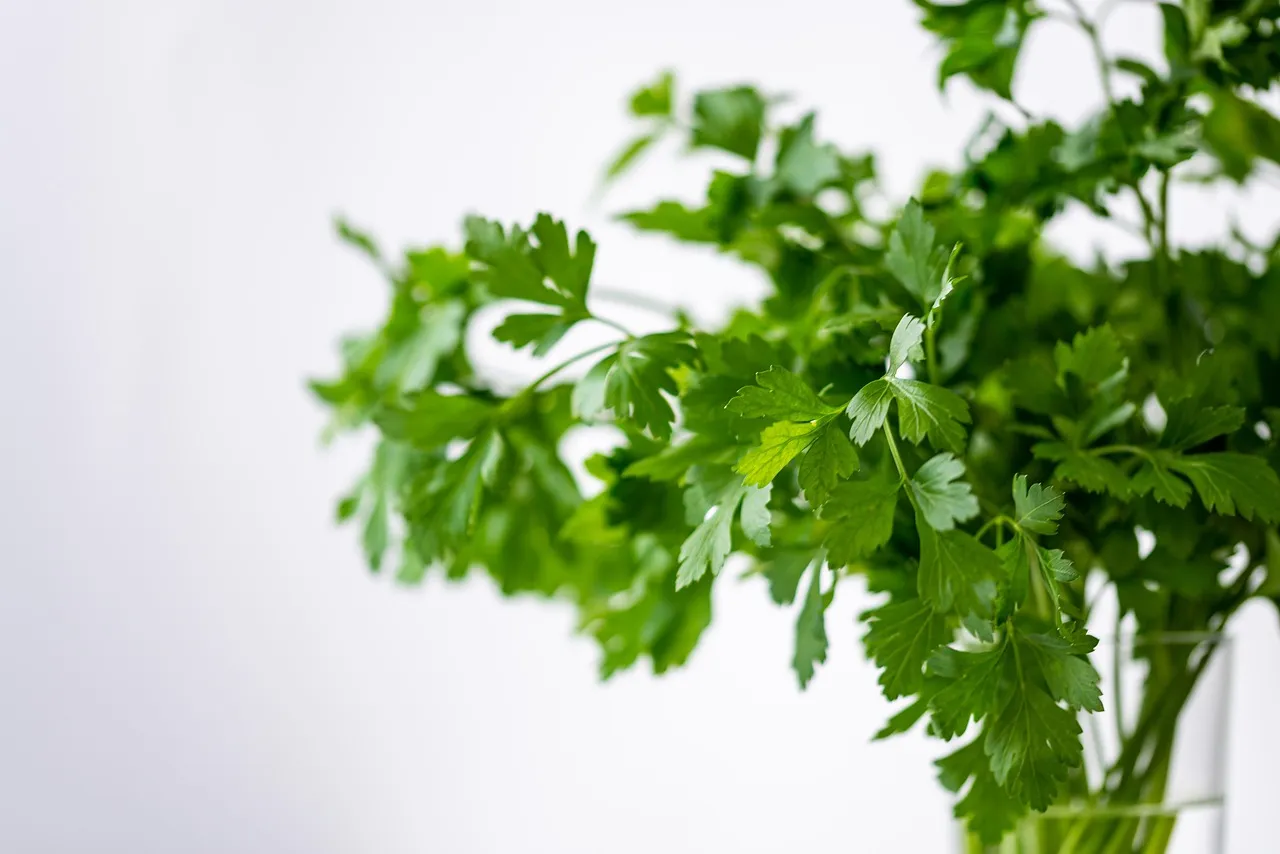
Environmental factors including temperature, humidity, light intensity, the supply of water, minerals, and CO2 influence the growth of a plant and secondary metabolite production. This means fertilizer is only one variable. Herbs grown in lean, well-drained soil with plenty of sun are often using their growing resources in the most flavor-productive way possible.
Health-conscious consumers are interested in the nutritional composition of herbs, preferring those with minimal chemical residues and herbs produced through environmentally friendly agricultural practices. Interestingly, what produces a more flavorful herb and what produces a more health-supportive one are often exactly the same conditions. That alignment is worth holding onto the next time you reach for the fertilizer bag.
Conclusion
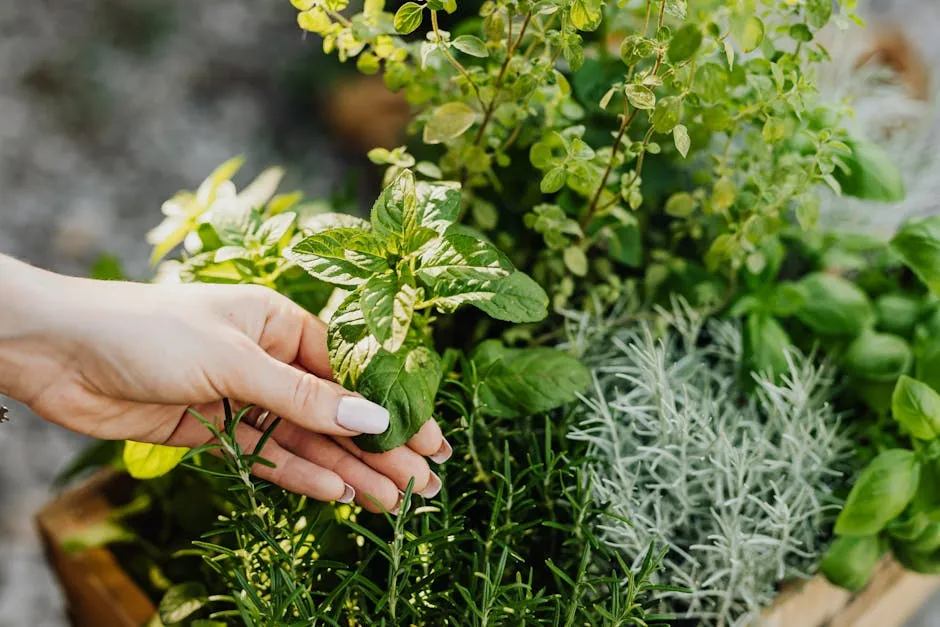
The counterintuitive truth is that backyard herbs, left to grow in moderately lean conditions with minimal synthetic feeding, are doing exactly what their biology intends. The mild constraint triggers the chemical complexity that makes them worth growing in the first place. More fertilizer means more leaves, faster growth, and very often, less of what actually matters at the table.
The most flavorful herbs are rarely the most pampered ones. They’re the plants that had to work a little, and responded by becoming something genuinely worth tasting. That’s not neglect. That’s understanding what the plant is actually trying to do.
AI Disclaimer: This article was created with the assistance of AI tools and reviewed by a human editor.