

Your Saliva Naturally Slows Down While You Sleep

Saliva flow naturally decreases during sleep, and reduced swallowing, combined with the absence of food and drink intake, can cause your mouth to feel noticeably drier when you wake up in the morning. This is the most basic explanation, and it applies to almost everyone to some degree.
Dry mouth is a condition characterized by reduced saliva production, leading to an uncomfortable feeling, and saliva plays a crucial role in oral health and digestion, acting as a natural cleanser and preventing tooth decay. When that function is diminished for hours overnight, you can start to feel the consequences before you even sit up in bed.
When saliva levels drop overnight, you may wake up feeling parched and uncomfortable. For most people, this is a mild and expected outcome of sleep. The issue becomes more pressing when the sensation is severe, persistent, or accompanied by other symptoms.
Mouth Breathing Is One of the Biggest Culprits
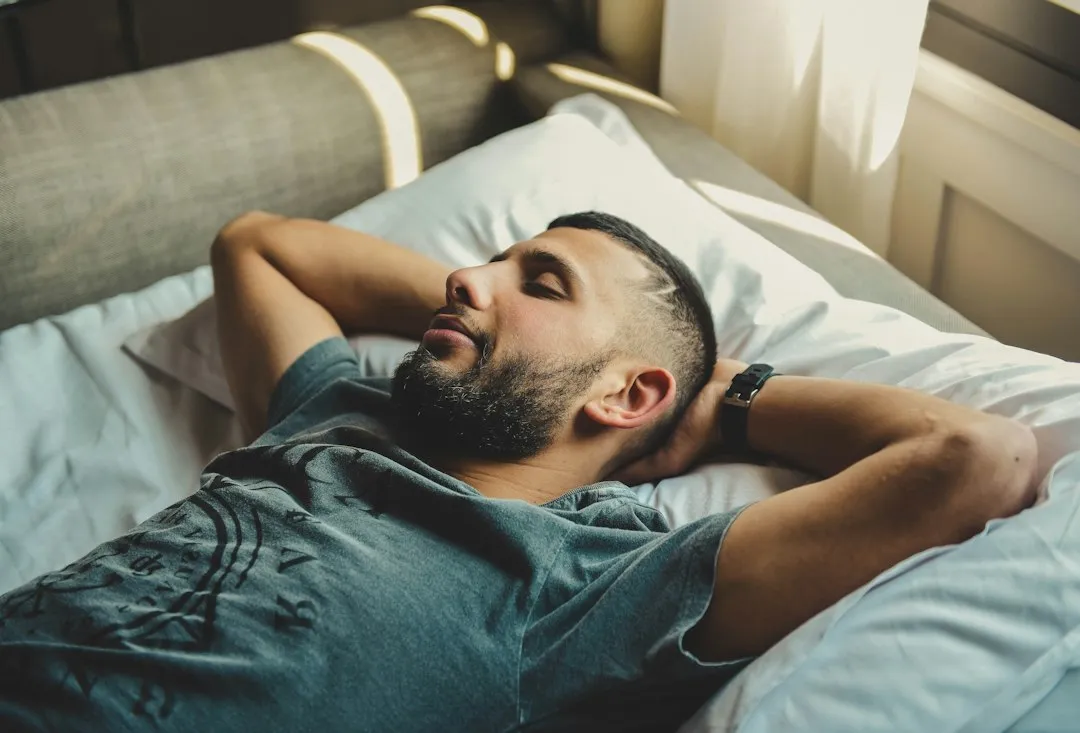
Breathing through your mouth overnight is one of the leading reasons people wake up with a dry mouth and throat. Whether due to nasal congestion, allergies, or habit, mouth breathing causes your saliva to evaporate, leaving your mouth excessively dry.
Breathing through your mouth while sleeping can contribute to dryness, which is often associated with nasal congestion or other respiratory issues. Even people who normally breathe through their nose may shift to mouth breathing when they’re congested from a cold, allergies, or a deviated septum.
The fix sounds simple, but it often isn’t. Chronic mouth breathing during sleep typically requires addressing whatever is blocking the nasal passages in the first place, whether that’s treating allergies, using nasal strips, or consulting a specialist. Using a cool-mist humidifier, especially if you breathe through your mouth at night, can help ease the dryness.
Dehydration Doesn’t Just Hit Athletes
Overnight, your body can become mildly dehydrated, especially if you haven’t consumed water for an extended period, and dehydration can lead to reduced saliva production and a dry mouth upon waking. This is compounded for people who sweat during sleep or live in warm, dry climates.
Factors like insufficient water intake, excessive sweating, hot weather, and engaging in strenuous activities without replenishing lost fluids can lead to dry mouth. So if you exercised hard the evening before and didn’t rehydrate adequately, the effects may still be lingering by morning.
Alcohol and caffeine consumed in the evening both act as diuretics and suppress salivation. A nightcap or a late-afternoon coffee might seem harmless, but both can deepen overnight dehydration and leave your mouth noticeably worse off by the time your alarm goes off.
Your Medications May Be the Hidden Factor

There are more than 700 medications that can lead to the salivary hypofunction that results in dry mouth. That’s a staggering number, and most people taking these medications have no idea their prescription is connected to what they’re feeling each morning.
Antidepressants, antihistamines, decongestants, blood pressure drugs, diuretics, muscle relaxants, GLP-1 medications, and some pain relievers can all cause dry mouth. Many of these are among the most commonly prescribed drugs worldwide, which helps explain why the condition is so widespread.
Some antidepressants, antihistamines, blood-pressure medicines, bladder medicines, pain medicines, sleep aids, and decongestants are common contributors, and medication-induced dry mouth may be especially noticeable when a dose is taken near bedtime. If you take one of these medications in the evening, the peak effect on your salivary glands may land right in the middle of the night.
Among study participants, xerostomia was reported by nearly half of those using one or more medicines, compared with roughly a quarter of those reporting no medication use, according to a 2026 study published in Frontiers in Oral Health. That gap is telling.
Sleep Apnea Is a Frequently Missed Cause

When the upper airway becomes partially or fully blocked during sleep, the body compensates by breathing through the mouth. This airway obstruction, characteristic of obstructive sleep apnea, bypasses the nose’s natural humidifying function, and as a result, saliva evaporates rapidly, leaving oral tissues dry and irritated by morning.
Morning dry mouth is associated with higher sleep apnea risk and often appears alongside loud snoring, observed breathing pauses, and daytime fatigue. If you’re waking up not just parched but also exhausted despite a full night in bed, it’s worth considering whether something more than dehydration is going on.
When dry mouth is frequent, severe, or paired with dental problems, dry eyes, loud snoring, morning headaches, extreme thirst, or frequent urination, it may signal sleep apnea or diabetes and warrants medical evaluation. These combinations of symptoms are rarely coincidental.
How Widespread Is This Problem?

A 2026 study published in Frontiers in Oral Health found a xerostomia prevalence of roughly a third among adults aged 18 and older seeking general dental care. That figure likely underestimates the true picture, since many people never mention the issue to a dentist or doctor.
The prevalence of xerostomia and hyposalivation among older adults aged 60 and older was approximately one-third, indicating a considerable burden in this population, according to a 2026 systematic review and meta-analysis published in PubMed. Dry mouth, in other words, is not a niche complaint.
Females presented a higher prevalence of xerostomia at nearly 38 percent, compared to males at just over 30 percent, though researchers noted that the difference was not statistically significant. The condition cuts across age groups, though its causes may differ depending on the person’s health profile and medication use.
Autoimmune Conditions and Underlying Diseases
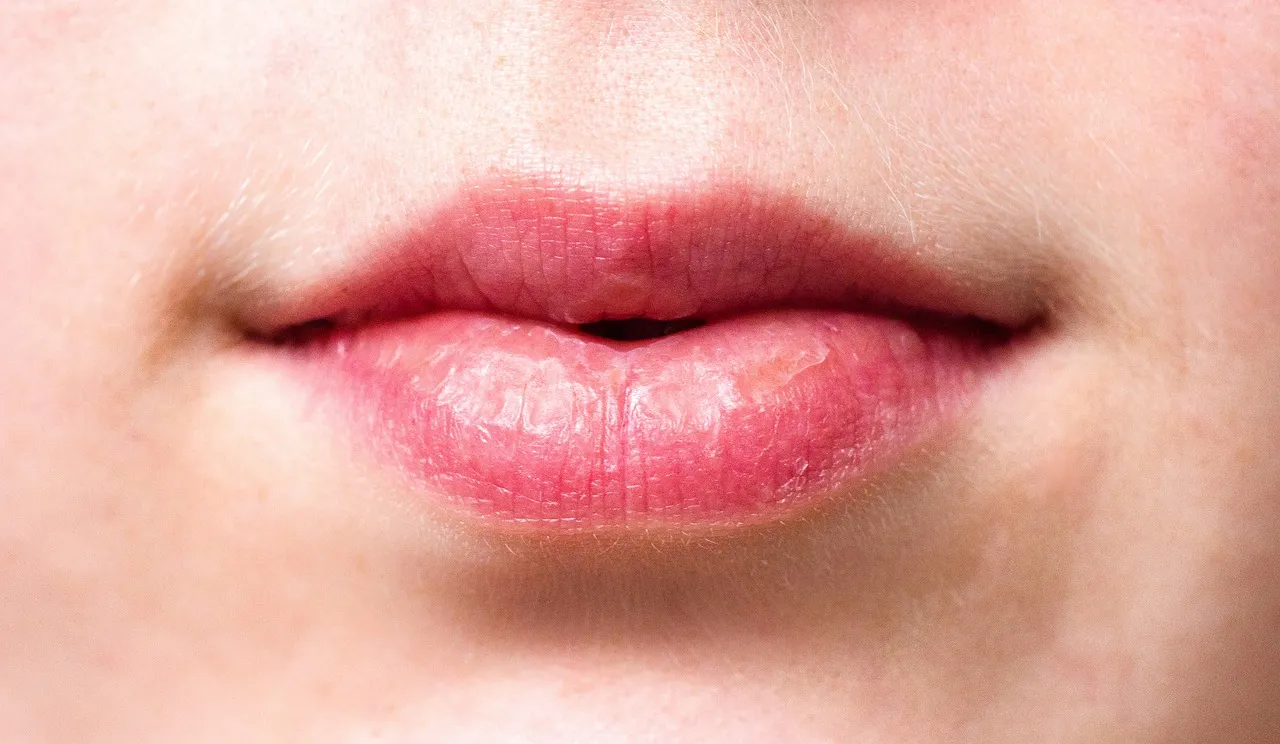
Some people with autoimmune diseases may experience dry mouth, and it is particularly notable with Sjögren’s disease, where a person’s immune system attacks healthy, moisture-producing cells. People with Sjögren’s disease may also experience dry eyes.
People with diabetes may also experience dry mouth in the mornings if their blood sugar levels are high. Elevated blood sugar affects salivary gland function and can lead to increased urination, which compounds dehydration overnight.
Oral cancer treatments such as radiotherapy and chemotherapy, diabetes, Sjögren’s syndrome, and Parkinson’s disease are also connected with salivary gland dysfunction and reduced saliva flow. In these cases, managing the underlying condition is the most important step, since the dry mouth is a downstream effect rather than the root cause.
What Dry Mouth Can Do to Your Teeth

Dry mouth can range from mild to severe and is associated with various symptoms such as difficulty chewing, speaking, and swallowing, as well as altered taste, bad breath, and gum disease. These aren’t just uncomfortable inconveniences; some of them carry real dental risks.
The effects of dry mouth are numerous: difficulty in swallowing, diminished sense of taste, sleep interruption due to thirst, oral infections and tooth decay, sore throat and mouth and difficulty speaking, all of which lead to lowered quality of life.
Dry mouth at night is more likely to cause cavities and other dental issues, because saliva normally neutralizes acids and rinses away food particles while you sleep. Without it working properly, bacteria have hours of uninterrupted time to cause damage.
Sleeping Position and Bedroom Environment Matter Too

Some people naturally sleep with their mouths open, allowing air to pass over the mouth’s surface and contribute to dryness. This can happen regardless of nasal blockage, simply due to the way a person’s jaw relaxes during deep sleep.
The environment you sleep in also plays a role. Rooms with low humidity, especially during winter when heating systems dry the air, can accelerate moisture loss from the mouth overnight. Running a humidifier is a simple, low-cost way to reduce ambient dryness and ease symptoms.
Trying to sleep on your side, using nasal strips, or a humidifier to encourage nose breathing are all reasonable first steps before assuming something more serious is at play. Small changes to your sleep setup can sometimes make a meaningful difference.
When to Stop Ignoring It and See a Doctor
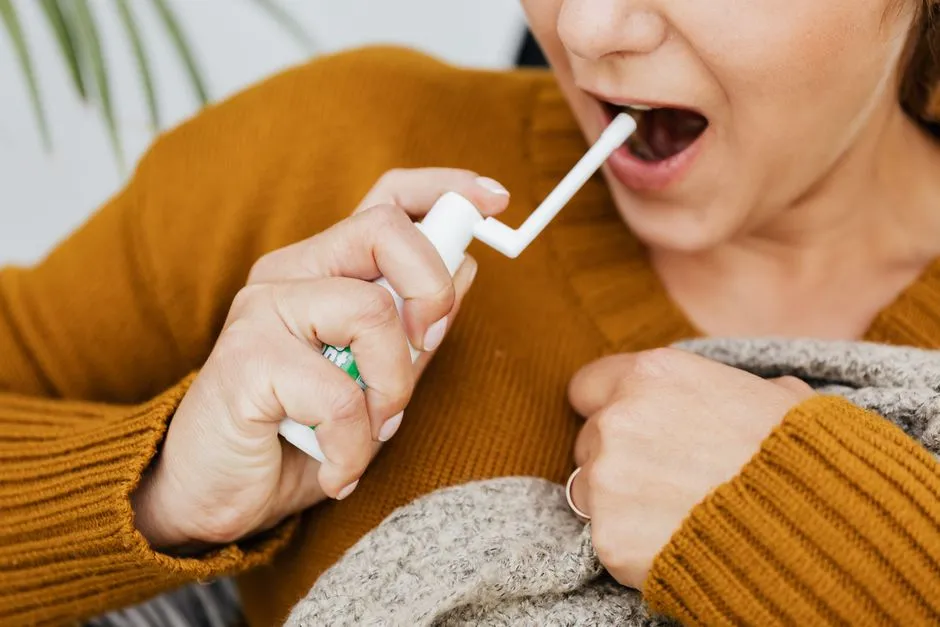
Morning dry mouth has many possible causes, from mouth breathing to medications or sleep apnea, and left unmanaged, it can put your oral and overall health at risk and affect your quality of life. Occasional dryness is common. Persistent dryness is a different matter.
Everyone gets dry mouth on occasion, but when you have persistent dry mouth, it’s time to call a healthcare provider. Early diagnosis and treatment can reduce your symptoms before they worsen.
If your mouth still feels dry after drinking plenty of water, you might have xerostomia, meaning your salivary glands don’t produce enough saliva and your mouth still feels dry even when you stay hydrated. That distinction matters, because no amount of water will solve a problem that originates with the glands themselves.
The Takeaway
Waking up with a dry mouth every morning is something many people write off as normal, but it rarely has just one explanation. The causes range from how you breathe at night to what you take before bed, and the condition is far more common than most people realize, affecting roughly a third of adults across multiple recent studies.
The key is paying attention to the full pattern. Is it just dryness, or does it come with snoring, fatigue, or frequent thirst? Is it new, or has it tracked alongside a medication you recently started? Those details point toward very different solutions.
Saliva is easy to take for granted until it’s not there. Treating its absence as a clue rather than an inconvenience is, most often, the smarter first step.
AI Disclaimer: This article was created with the assistance of AI tools and reviewed by a human editor.